
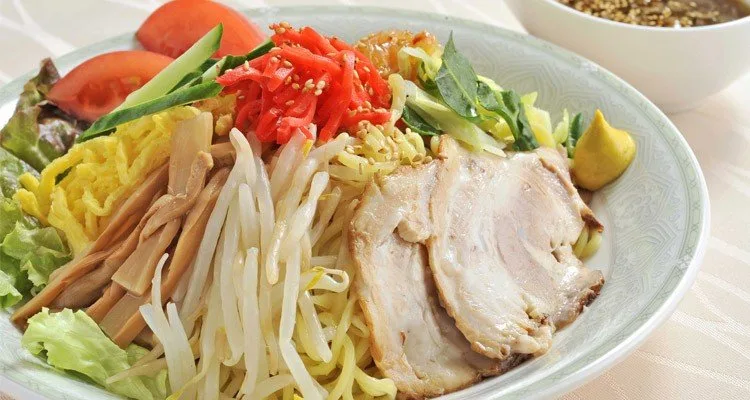
When Japan hits full summer heat, cold noodles stop being a quirk and start looking like common sense. Beside chilled soba and somen, one plate stands out for pure color: Hiyashi Chuka (冷やし中華), a chilled bowl of Chinese-style wheat noodles under a rainbow of toppings.
It looks like a noodle salad and eats like summer ramen without the steam. Below you get the name, the usual toppings, the two sauce families, and a simple recipe you can build at home without a restaurant kitchen.
Contents 8
What Hiyashi Chuka actually is
Hiyashi Chuka literally means “chilled Chinese-style.” The “Chinese” part points to the alkaline wheat noodles (chūkamen / ramen-style), not to a dish imported wholesale from China. The plate itself took shape in Japan, in Chinese restaurants looking for a cooler way to serve noodles in the hot months. A widely cited origin story places an early version in Sendai in the 1930s, as a Japanese take on Shanghainese cold mixed noodles (liangbanmian).
So if you meet someone who says “it came from China during the war,” the safer reading is subtler: Chinese cold-noodle ideas and Japanese Chinese restaurants, then a thoroughly Japanese summer format with color, chill, and a sharp-sweet sauce.
Unlike hot ramen, you do not bury everything under a heavy soup. The noodles are cooked, rinsed cold, drained well, then dressed and topped. Texture is half the pleasure: springy noodles, cold crunch, and sauce that clings instead of drowning the plate.
Other names you may hear
In much of Japan the default name is Hiyashi Chuka. In Kansai you may hear reimen (冷麺, “chilled noodles”) for this style of plate. In Hokkaido, menus often say hiyashi rāmen (冷やしラーメン). Same idea: cold Chinese-style noodles, bright toppings, soy-vinegar or sesame dressing. Do not confuse it with Korean-style cold noodles that sometimes share the word reimen in other contexts—the Japanese summer plate is its own thing.
Classic toppings and the “color rule”
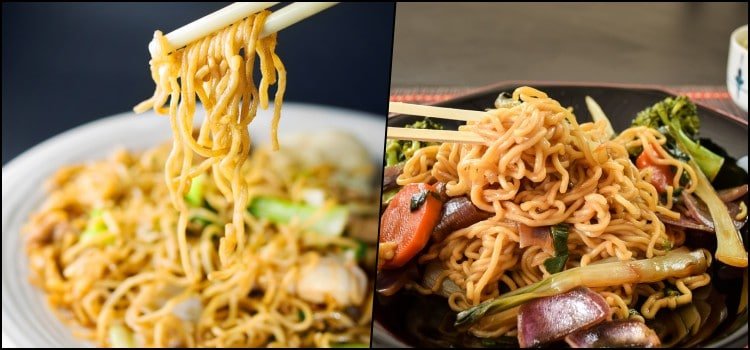
The classic look is intentional. Thin strips of omelette, cucumber, ham, and imitation crab (kanikama) give yellow, green, pink, and white on the same plate; tomato wedges or a little beni shōga (pickled red ginger) often finish the picture. Other frequent guests: shredded chicken, chāshū, shrimp, menma, bean sprouts, nori threads, and green onion.
The practical rule is simple: cut toppings into thin strips so each bite mixes noodle, sauce, protein, and vegetable. You can swap freely. Vegetarian bowls drop ham and crab and lean on egg, tofu, cucumber, tomato, corn, or mushrooms. The plate stays “Hiyashi Chuka” as long as the noodles stay cold and the toppings stay crisp and colorful.
Two sauce families: soy-vinegar and sesame
Home kits and restaurants usually land in one of two camps.
- Soy-vinegar tare — soy sauce, rice vinegar, a little sugar, sesame oil, often ginger and a splash of stock or water. Bright, tangy, and the most “classic summer” profile.
- Sesame sauce (gomadare) — sesame paste or ground toasted seeds with soy, vinegar, sugar, and oil. Richer, nuttier, slightly heavier, and very popular for homemade bowls.
Both should taste balanced: salty, sour, a little sweet, and aromatic. Chill the sauce before serving. You do not need every drop—pour gradually and toss so the noodles shine instead of swimming.
Simple Hiyashi Chuka recipe
This is a flexible home version, close to the plate many Japanese households assemble when the weather refuses to cool down. Serves about 2, depending on appetite.
Ingredients
- 2 servings fresh or dried ramen / chuka noodles (or a firm substitute if that is what you have)
- 1 thin omelette (kinshi tamago / egg crepe), cut into strips
- 1 small cucumber, julienned
- 1 small carrot, julienned (optional but colorful)
- 2–3 slices ham, cut into thin strips
- 2–3 sticks kanikama (imitation crab), shredded
- Green onion, thinly sliced
- Tomato wedges or a few cherry tomatoes (optional)
- Toasted sesame seeds and/or beni shōga to finish
Soy-vinegar sauce
- 3 tablespoons soy sauce
- 3 tablespoons rice vinegar
- ½ cup chicken broth (or water + a light stock)
- 2 tablespoons toasted sesame oil (start with 1 if you prefer lighter)
- ½–1 tablespoon sugar, to taste
- Optional: grated ginger, a few drops of chili oil (rāyu)
Whisk the sauce until the sugar dissolves, then chill. Cook the noodles according to the package, then rinse thoroughly under cold running water and drain well—this step firms the texture and washes off excess starch. Arrange noodles on plates, scatter the toppings in neat groups (the rainbow presentation is part of the fun), and pour sauce over just before eating. Toss at the table if you like.
Some ingredients are optional. Feel free to add shrimp, chicken, or leave the meat out entirely. The goal is cold contrast and balance, not a fixed shopping list.
Tips that actually change the bowl
- Rinse hard, drain hard. Warm, starchy noodles make a soggy plate.
- Prep toppings first. Sauce and strips can wait in the fridge while water boils.
- Cut thin. Thick chunks fight the noodles; strips ride with them.
- Serve cold, not lukewarm. The dish does not need to be icy, but toppings and sauce should feel chilled.
- Hold back some sauce. It is easier to add than to fix an overdressed bowl.
If you are mapping Hiyashi Chuka among other Japanese noodles, it sits next to cold formats like zaru soba and in the broader family of Japanese noodle types—same comfort, different season and temperature.
On a humid afternoon, that is the whole appeal: a cold plate that still tastes complete, colorful enough to wake up the table, and flexible enough to rebuild with whatever is in the fridge.

Community
Comments
0 comments
There are no published comments in this language yet.
Send comment