
Spring rolls are among the most popular snacks in Asian cuisine around the world. In Japan they are called harumaki (春巻き), and they are common in homes, restaurants and convenience stores. The dish looks simple, but it has a long history and many regional versions.
This article explains where harumaki comes from, what its name means, which fillings are typical, how the wrapper and the frying work, and how to make spring rolls at home with a vegetable filling.
Contents 12
What is harumaki?
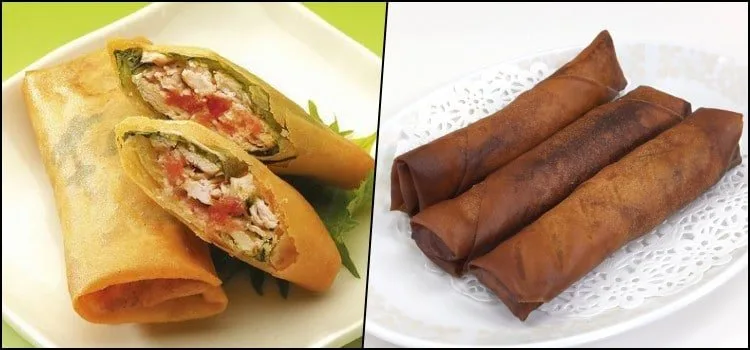
Harumaki is a fried roll with a thin wrapper and a savoury filling. The wrapper is made of wheat flour and water, rolled thin like a pancake. Inside there are usually vegetables, sometimes with pork, chicken or shrimp.
In Japan harumaki is served with karashi mustard or soy sauce, often as a side dish in a set meal. It is also sold ready-made in supermarkets and convenience stores, which shows how familiar it is.
The name: spring wrapped
The word harumaki is written 春巻き: haru means spring and maki means roll or wrap. The name describes a roll eaten in spring. In Chinese the same dish is called chun juan, with the same meaning.
The original idea comes from a seasonal dish. After the long winter, people wrapped the first vegetables of spring in a thin pancake and fried it. Over time the roll became a snack that could be eaten all year.
Chinese origin
Spring rolls began in China as a seasonal food connected to spring festivals. In Chinese cuisine they are savoury rolls with cabbage and other vegetables, sometimes with meat, and they are fried until crisp.
From China the dish spread through East and Southeast Asia and later to Europe and the Americas. Each region developed its own version, with different wrappers, fillings and dipping sauces.
How harumaki reached Japan
Chinese cooking reached Japan over many centuries, but the modern spring roll became common in the 20th century. Restaurants serving Chinese food popularised it, and it entered Japanese home cooking as harumaki.
Today harumaki is a standard item in Japanese supermarkets and in the frozen food section. It is also a common dish at home, because the wrappers are sold ready-made and the filling can be adapted to what is available.
Harumaki in Brazil
In Brazil harumaki is especially well known. Japanese and Chinese restaurants in cities such as São Paulo serve it as a starter, and the Japanese name harumaki is used more often than the Portuguese term for spring rolls.
This is a good example of how a Chinese dish travelled through Japan and then arrived in another country with a Japanese name. The recipe also changed to suit local ingredients and tastes.
The wrapper
The wrapper for harumaki is made from wheat flour, water and a little salt. The dough is spread thin in a hot pan, cooked briefly on both sides and then set aside. The result is a soft, thin sheet that becomes crisp when fried.
Ready-made wrappers are sold frozen and are easier for beginners. They are thinner than dumpling wrappers, which are made for boiling or pan-frying rather than deep-frying.
The fillings
Typical fillings include cabbage, carrots, bamboo shoots, mushrooms, onion and bean sprouts. Meat versions use pork, chicken or shrimp; vegetarian versions rely on vegetables and sometimes tofu.
What matters is that the filling is cooked and fairly dry. A wet filling makes the wrapper soft and can cause the roll to burst in the oil. The vegetables are therefore sautéed first and the sauce is thickened with starch.
Frying and serving
Harumaki is deep-fried at around 170 to 180 degrees Celsius until golden brown. The rolls are turned so that they colour evenly, and they are drained on kitchen paper before serving.
In Japan they are eaten with karashi mustard, soy sauce or a sweet chilli sauce. As a side dish they often come with rice, pickles and a bowl of soup.

Recipe: the dough
For about 20 wrappers you need 500 grams of wheat flour, a level tablespoon of salt and 500 millilitres of water. Mix the flour and salt, add the water gradually and stir until the dough is smooth and slightly wet.
Then spread a small ladle of dough in a preheated pan, as if making a pancake. Let it cook until thin and firm, flip it briefly and remove it. The wrappers can be stacked once cooled.
Recipe: filling and assembly
For the vegetable filling you need one grated carrot, half a head of broccoli, half a cabbage cut into strips, two cloves of garlic, one grated onion, salt and pepper, half a cup of water with a tablespoon of cornstarch and one vegetable stock cube.
Fry the onion and garlic in three tablespoons of oil, add the carrot and sauté, then add the cabbage and the stock cube and finally the broccoli. Pour in the water with the cornstarch and stir until the mixture thickens.
Place a wrapper on a flat surface, put the filling in the middle, fold the bottom and top ends and roll it up. Seal the edge with a little water, then fry the rolls with the seam down until golden and crisp.
Sweet versions
Spring rolls are not only savoury. In some regions they are filled with red bean paste or fruit and served as a dessert. In Japan there are also sweet harumaki with chocolate or custard, especially at festivals.
For a sweet version, the filling should be thick and cool before wrapping, so that it does not leak during frying. A dusting of sugar after frying adds a final touch.
Conclusion
Harumaki is a simple dish with a long history. From a Chinese spring food it became a Japanese favourite, and from Japan it reached Brazil and other countries. The wrapper, the filling and the sauce can all change, which is exactly why it remains popular.
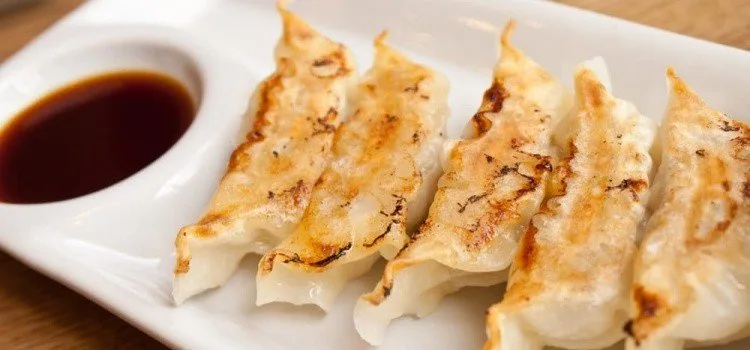
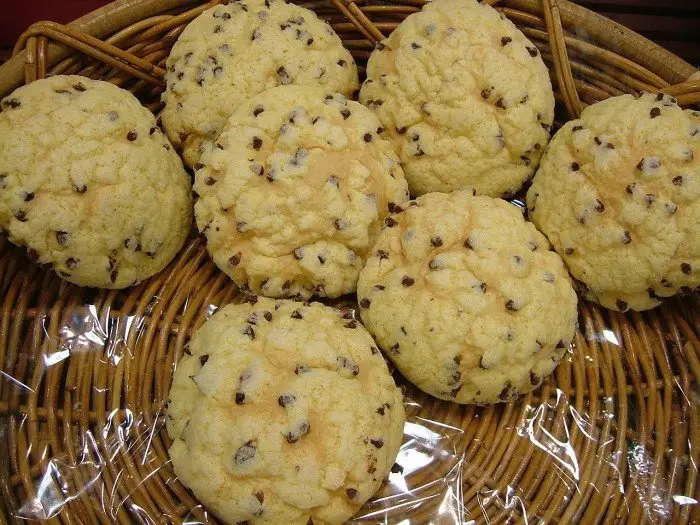
To read more: the gyoza recipe, the history of tempura, tamagoyaki, Japanese chocolate brownies and the strawberry cake from anime.



Community
Comments
0 comments
There are no published comments in this language yet.
Send comment