
The Japanese tax system takes three deductions from the same salary, and each one follows different rules. Whether you are a newcomer, a company employee on Shakai Hoken or self-employed under Kojin Jigyo, the question is the same: what does the month actually leave you? The calculator estimates that difference instead of showing only the gross salary.
We developed this Japan Tax Calculator 2026 to provide a detailed and updated estimate of your actual income. Unlike simplified calculators, our tool dives into the details that matter if you moved from Brazil:
What you can calculate here:
- Customized Profile: Differentiate whether you are a company employee or self-employed.
- First Year Rule: Calculate your exemption from the Resident Tax (Jumin-zei) if you just arrived in Japan.
- Benefits for Freelancers: We included the deduction from the Blue Return System (Ao-iro Shinkoku) for those who work independently.
- Family Deductions: Know the exact impact of your dependents (Fuyou Kazoku) on tax reduction.
With a bilingual interface and romanized terms, this tool was made for you to compare the results directly with your payslip (Kyuryo Meisai), ensuring transparency and control over your finances on Japanese soil.
Understanding the Calculator
When using our calculator, you will see various technical terms that appear on your payslip (Kyuryo Meisai) or on the annual income statement (Gensen Choshu Hyo). Below, we explain what each one means:
1. Gross Annual Salary (Gakumen - 額面)
This is the total amount you receive before any deductions. It includes your base salary, overtime, and bonuses. It is the starting point for all tax calculations.
2. Dependents (Fuyou Kazoku - 扶養家族)
In Japan, having people who depend on you financially (such as spouses, children, or parents) generates a deduction on the tax. Each registered dependent reduces your Taxable Income, resulting in less tax to pay at the end of the year.
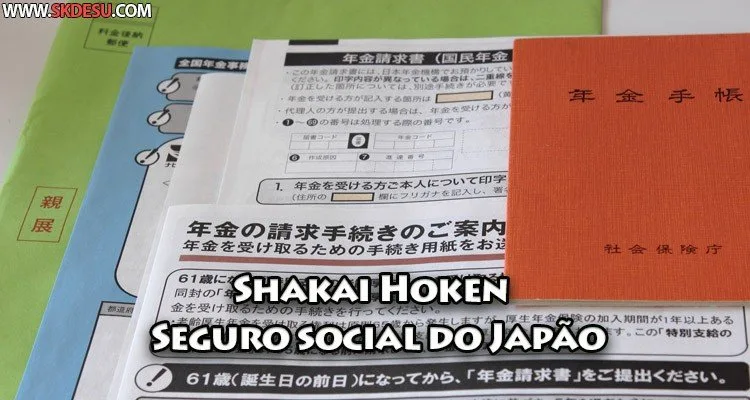
3. Social Insurance and Pension (Shakai Hoken - 社会保険)
If you are a company employee (Company Employee), you are generally enrolled in Shakai Hoken.
- What it includes: Health insurance, death/retirement pension (Nenkin), and unemployment insurance.
- Cost: It is usually split evenly between you and the company. If you are self-employed, you will use the Kokumin Kenko Hoken (国民健康保険, national insurance), which has different calculation rules.

4. Taxable Income (Kazei Shotoku - 課税所得)
This is the amount on which the government actually applies the tax rates. It is calculated by subtracting from your gross salary:
- The deductions for employment expenses (automatic).
- The amount paid in social insurance.
- Basic exemptions and dependent exemptions.
5. Income Tax (Shotoku-zei - 所得税)
This is the federal tax collected monthly from your salary. Japan uses a progressive system: the more you earn, the higher the percentage of tax (ranging from 5% to 45%).
6. Resident Tax (Jumin-zei - 住民税)
This is the municipal and prefectural tax.
- Important rule: It is calculated based on your income from the previous year.
- First Year in Japan: Since you did not have income in Japan in the previous year, newcomers are usually exempt from this tax in the first 12 months.
7. Blue Return System (Ao-iro Shinkoku - 青色申告)
Exclusive option for self-employed professionals or freelancers (Kojin Jigyo). By opting for this system and maintaining organized accounting, the Japanese government offers a special deduction of up to ¥650,000 on taxable income.
8. Net Income (Tedori - 手取り)
This is the famous "money in hand." It is the amount left after all tax and insurance deductions. It is the actual amount that will be deposited into your bank account monthly (Gesshuu).
The calculator gives an estimate, not a tax return. The binding figure comes from the tax authority (NTA) based on your Gensen Choshu Hyo, and special cases such as moving, changing jobs mid-year or holding two jobs come out differently. Knowing what each line on the payslip means is what lets you check the numbers instead of trusting them.





Community
Comments
0 comments
There are no published comments in this language yet.
Send comment