Blog

  • Korean Ginseng, what is it for?

    Korean Ginseng, what is it for?

    Korean Ginseng, also known as Panax Ginseng, is a medicinal plant used for thousands of years in traditional Asian medicine. Known for its adaptogenic properties, ginseng is highly valued for its beneficial effects on health. In this article, we will explore the main uses and benefits of Korean Ginseng.

    What is Korean Ginseng?

    Korean Ginseng is a perennial plant of the Araliaceae family, native to the mountains of Korea and China. The root of ginseng is the most valued part of the plant and is known for its bitter taste and medicinal properties. There are different types of ginseng, but the Korean variety is often considered the most potent and effective.

    Main Benefits of Korean Ginseng

    1. Improvement of Energy and Reduction of Fatigue

    Korean Ginseng is famous for its energizing properties. Studies show that it can help combat fatigue and increase energy levels, making it a popular choice among athletes and people facing chronic tiredness.

    2. Strengthening the Immune System

    Ginseng contains active compounds known as ginsenosides, which can strengthen the immune system. It helps increase the body’s resistance to infections and diseases, promoting a more effective immune response.

    3. Improvement of Cognitive Function

    Various studies indicate that Korean Ginseng may improve cognitive function, including memory, concentration, and learning ability. It is often used to combat the effects of aging on the brain and to enhance mental performance.

    4. Reduction of Stress and Anxiety

    As an adaptogen, ginseng helps the body adapt to stress. It can reduce cortisol levels, the stress hormone, and promote a sense of calm and well-being. This makes it useful for people suffering from anxiety and chronic stress.

    5. Improvement of Sexual Health

    Korean Ginseng is traditionally used as an aphrodisiac. Studies suggest that it may improve sexual function and increase libido in both men and women. In men, it may also help treat erectile dysfunction.

    6. Control of Blood Sugar Levels

    Research indicates that ginseng may help regulate blood sugar levels, being beneficial for people with type 2 diabetes. It improves insulin sensitivity and promotes better glycemic control.

    7. Anti-inflammatory Properties

    The ginsenosides present in ginseng have anti-inflammatory properties. They can help reduce inflammation in the body, being useful in the treatment of chronic inflammatory conditions.

    How to Consume Korean Ginseng

    Korean Ginseng can be consumed in various forms, including:

    • Ginseng Tea: Prepared with dried or powdered root.
    • Supplements: Capsules or tablets containing ginseng extract.
    • Fresh or Dried Root: Can be chewed or added to soups and other recipes.

    Recommended Dosage

    The dosage of ginseng can vary depending on the form of consumption and the treatment goal. Generally, a daily dose of 200 to 400 mg of standardized ginseng extract is recommended, but it is important to follow the manufacturer’s guidelines or consult a healthcare professional.

    Possible Side Effects and Precautions

    Although Korean Ginseng is generally safe for most people, it can cause some side effects, such as insomnia, headache, digestive issues, and changes in blood pressure. Pregnant or breastfeeding women or those with specific health conditions should consult a doctor before using ginseng.

    Types of Ginseng

    There are different types of ginseng, each with its characteristics and specific uses. Let’s explore the main types of ginseng available.

    1. Korean Ginseng (Panax Ginseng)

    Characteristics:

    • Scientific Name: Panax ginseng
    • Origin: Korea and northeastern China
    • Appearance: Cylindrical roots with branches, light brown to yellow in color.
    • Active Compounds: Ginsenosides, known for their adaptogenic properties.

    Benefits:

    • Increases energy and reduces fatigue.
    • Strengthens the immune system.
    • Improves cognitive function.
    • Reduces stress and anxiety.
    • Improves sexual health.
    • Helps control blood sugar levels.
    • Has anti-inflammatory properties.

    2. American Ginseng (Panax Quinquefolius)

    Characteristics:

    • Scientific Name: Panax quinquefolius
    • Origin: North America, especially in the United States and Canada.
    • Appearance: Smoother roots and generally shorter than Korean ginseng, with a lighter color.
    • Active Compounds: Ginsenosides, with a different profile than Korean ginseng, offering more calming effects.

    Benefits:

    • Promotes relaxation and relieves stress.
    • Supports immune function.
    • Improves digestion and respiratory function.
    • Helps regulate blood sugar levels.

    3. Siberian Ginseng (Eleutherococcus Senticosus)

    Characteristics:

    • Scientific Name: Eleutherococcus senticosus
    • Origin: Russia and China.
    • Appearance: Different from Panax ginsengs, with thinner and less branched roots.
    • Active Compounds: Eleutherosides, instead of ginsenosides, offering unique adaptogenic properties.

    Benefits:

    • Increases physical and mental endurance.
    • Helps combat fatigue.
    • Improves immune function.
    • Reduces stress.

    4. Japanese Ginseng (Panax Japonicus)

    Characteristics:

    • Scientific Name: Panax japonicus
    • Origin: Japan.
    • Appearance: Similar to Korean ginseng, but with some specific botanical differences.
    • Active Compounds: Ginsenosides, similar to those in Korean ginseng.

    Benefits:

    • Improves blood circulation.
    • Supports cardiovascular health.
    • Promotes longevity and overall well-being.

    5. Korean Red Ginseng

    Characteristics:

    • Scientific Name: Panax ginseng (processed)
    • Origin: Korea.
    • Appearance: Korean ginseng roots that have been steamed and dried, resulting in a red color.
    • Active Compounds: Ginsenosides, potentially in higher concentrations due to processing.

    Benefits:

    • Increases vitality and energy.
    • Improves immune function.
    • Potent adaptogen, helping to balance the body in times of stress.
    • Believed to have anti-aging properties.

    Forms of Consumption of Panax Ginseng

    1. Fresh or Dried Root

    The fresh or dried ginseng root can be chewed directly or used in soups and other culinary recipes. This traditional form is popular in Asia.

    2. Ginseng Tea

    Ginseng tea is prepared with dried or powdered root. It is a simple and popular way to consume ginseng, enjoying its benefits in a hot drink.

    3. Capsules and Tablets

    Ginseng supplements in capsules or tablets are a convenient form of consumption, especially for those who do not like the bitter taste of the root.

    4. Liquid Extract

    The liquid extract of ginseng is concentrated and can be added to drinks or taken directly. This form is effective for those seeking a quick and potent dose of ginseng.

    5. Ginseng Powder

    Ginseng powder can be added to smoothies, juices, yogurts, or foods. This versatile form allows ginseng to be easily incorporated into the daily diet.

    6. Ginseng in Candies or Gummies

    Some people prefer to consume ginseng in more flavorful forms, such as candies or gummies, which are convenient and pleasant to consume.

    7. Tonics and Energy Drinks

    Tonics and energy drinks with ginseng are popular for their stimulating and revitalizing effects. They are often consumed by athletes and people who need a quick energy boost.
  • Birthday song in Japanese

    Birthday song in Japanese

    Looking for the birthday song in Japanese? Perhaps the version of “Happy Birthday to you!” or “Happy Birthday to you!” You can find all these and other versions of birthday songs in this article.

    Remember that we already have two related articles on our site:

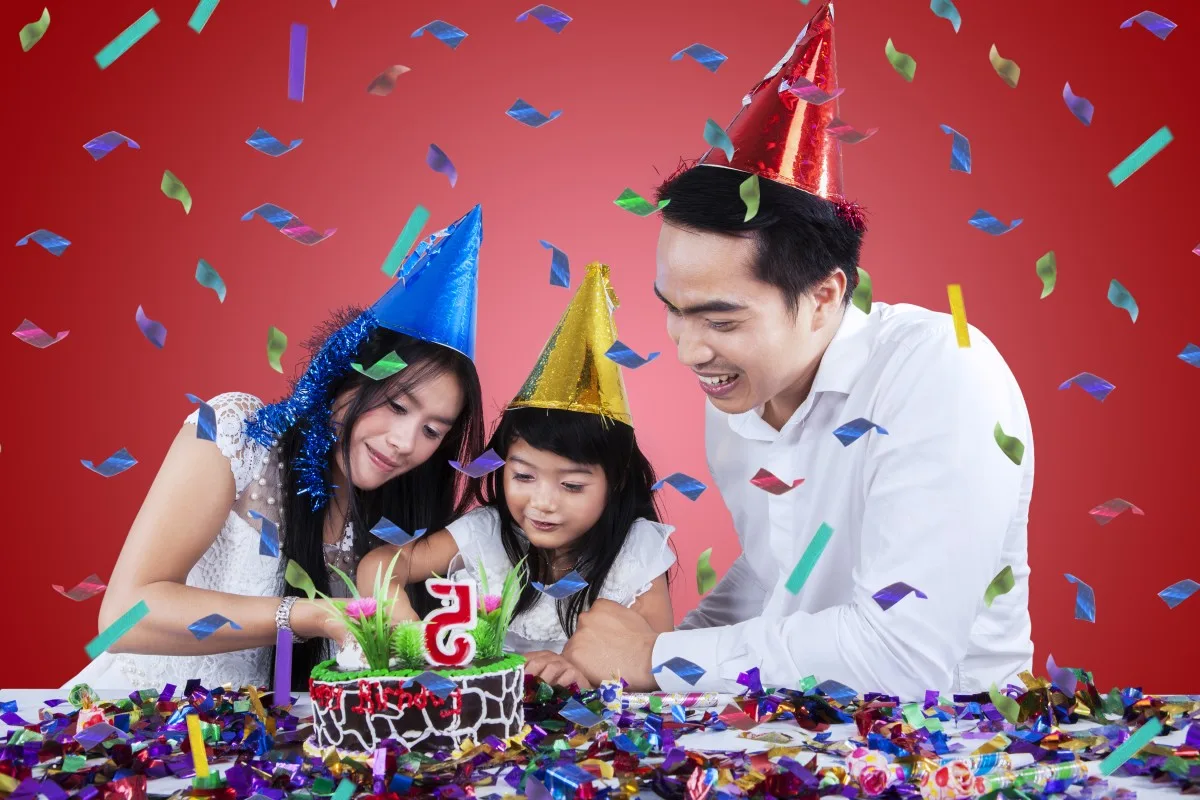
    Sweet girl cuts birthday cake

    Otanjoubi no Uta [お誕生日のうた]

    “The first song we will see is ‘Tanjoubi no Uta’ [お誕生日のうた], which means ‘Birthday Song’. This song is one of the most traditional in Japan to celebrate birthdays, sung to wish happiness to the birthday person.

    The simple and cheerful lyrics reflect the joy and enthusiasm of the moment, becoming an essential part of Japanese birthday parties. The rhythm is exactly the same as the traditional international birthday song.

    We have a video of the song on our channel, but unfortunately, I can’t put it on the site due to YouTube restrictions, so to watch the video click here.

    Lyrics in Japanese:

    うれしいな 今日は
    楽しいな 今日は
    誕生日 おめでとう
    お歌を 歌いましょう

    うれしいな 今日は
    楽しいな 今日は
    誕生日 おめでとう
    お歌を 歌いましょう

    Romanized Lyrics:

    Tanoshii na Kyou wa
    Tanjoobi Omedetou
    O Uta o Utaimashoo

    Ureshii na Kyou wa
    Tanoshii na Kyou wa
    Tanjobi Omedetou
    O Uta o Utaimashoo

    Translation of the song:

    1. Today I am happy
    2. Today I am cheerful
    3. Happy birthday to you
    4. Let’s sing a song
    5. Today I am happy
    6. Today I am cheerful
    7. Happy birthday to you
    8. Let’s sing a song
    Delicious cake with candles, colorful gifts and confetti on blue background

    Tanjoubi Omedetou [誕生日おめでとう]

    This second song is simpler; it uses the person’s name and also their age in the lyrics. It also uses the same rhythm as traditional birthday songs.

    Lyrics in Japanese:

    誕生日おめでとう、誕生日おめでとう!
    [名前]さん何歳ですか?
    [00]歳です
    ありがとう!

    Romanized Lyrics:

    Tanjoubi omedetou, Tanjoubi omedetou! 
    [Name] san Nan-sai desu ka?
    [Age] sai desu! Arigatou!

    Translation in Portuguese:

    • Happy birthday to you!
    • Happy birthday to you!
    • [Name]-san How old are you?
    • I am [00] years old! Thank you!

    How do the Japanese sing?

    To finish, it is worth remembering that the Japanese also have the habit of singing the English version of the happy birthday song, pronounced with a Japanese accent “ハッピーバースデー” (Happī bāsudē).

  • Japanese Terms for Sun ‘Taiyou’ and Moon ‘Tsuki’ Explained

    Japanese Terms for Sun ‘Taiyou’ and Moon ‘Tsuki’ Explained

    Would you like to learn how to say the word Sun in Japanese? Or rather, don’t you know how to say the word Moon in Japanese? In this article, you will learn the Japanese words “taiyou” and “tsuki” and their variations and alternatives.

    You will be surprised by how these terms are used to describe the day and the month, as well as other peculiarities that make the Japanese language so exciting and fun! Shall we embark on this adventure together?

    We also recommend reading:

    How to say sun in Japanese

    First, we will examine the Japanese words for sun. Then we will move on to the moonlight of the night. There are two main ways to say sun in Japanese, hi [日] and taiyou [太陽].

    The kanji 日 represents the Sun and has its origins in ancient Chinese writing. The original form of the character was a pictographic representation of the Sun, showing a circle with a dot in the center. Over time, this symbol was simplified and evolved into the current kanji.

    The Simple and Powerful “Hi”

    The Sun, the star that lights up our days and provides vital energy for our planet, is called 日 (ひ, Hi) in Japanese. This simple yet powerful word carries with it a rich cultural and historical heritage. Interestingly, “Hi” is also used to refer to “day” in Japanese, reflecting the importance of the Sun in daily life.

    Expressions like 今日 (きょう, Kyō) and 明日 (あした, Ashita) mean “today” and “tomorrow,” respectively, and are examples of the central role of the Sun in measuring time.

    Taiyō: The Central Star

    Another way to say “Sun” in Japanese is 太陽 (たいよう, Taiyō). “Taiyō” specifically refers to the central star of our solar system and emphasizes the scientific role of the Sun as a source of light and heat. This word is often used in more formal and academic contexts, showcasing the versatility of the Japanese language.

    The Sun in Japanese Culture

    The Sun plays a crucial role in Japanese culture. One example of this is the term “Land of the Rising Sun,” which represents Japan. The national flag, known as 日の丸 (ひのまる, Hinomaru), features a red disc symbolizing the Sun. These elements demonstrate how the Sun permeates the identity and history of Japan.

    The ocean, sunset and moon

    Other ways to say sun in Japanese

    1. 日輪 (にちりん, Nichirin) – Solar Disc
    2. 日光 (にっこう, Nikkō) – Sunlight
    3. 陽 (よう, Yō) – Sun (used in combination with other words)
    4. 天日 (あまひ, Amahi) – Sun (used in poetic or literary context)
    5. 日暮れ (ひぐれ, Higure) – Sunset
    6. 日の出 (ひので, Hinode) – Sunrise

    How to say Moon in Japanese

    The Japanese word for Moon is 月 (つき, Tsuki). An ancient and poetic word, which has been used in Japanese literature, art, and music throughout the centuries.

    The original form of this character was a pictographic representation of the Moon, illustrating the crescent moon. Over time, the symbol was simplified and evolved into the current kanji.

    The Poetic Tsuki

    The Moon is an important symbolic element in Japanese culture, often associated with beauty, contemplation, mystery, and transformation. Tsuki is a poetic word used to describe the beauty and mystery of the Moon.

    Just as the Sun influences the counting of days, the Moon plays a fundamental role in determining months. The ideogram “月” is used to refer to “month” in Japanese (reading gatsu or gestu), highlighting the importance of the lunar cycle in organizing time.

    Lunar calendars have been used in Japan since ancient times, and the word 月曜日 (げつようび, Getsuyōbi), which means “Monday,” literally translates as “day of the Moon.”

    Full Moon

    Gekkō: The Lunar Glow

    The word 月光 (げっこう, Gekkō) is another way to refer to the Moon in Japanese, literally meaning “moonlight.” This word captures the essence of the soft and ethereal glow of the Moon, conveying a sense of beauty and charm.

    The Influence of the Moon in Japanese Culture and Traditions

    The Moon has a significant presence in Japanese culture and traditions. Festivals like 月見 (つきみ, Tsukimi), or the “Moon Viewing Festival,” celebrate the Full Moon and the Crescent Moon of autumn, with people appreciating the lunar beauty and offering rice cakes called 月餅 (つきび, Tsukibi) to the gods.

    Additionally, the Moon is a frequent theme in Japanese poetry and art, such as the famous haikus and ukiyo-e paintings.

    Other ways to say Moon in Japanese

    1. 月明かり (つきあかり, Tsukiakari) – Moonlight
    2. 月夜 (つきよ, Tsukiyo) – Moonlit Night
    3. 弓月 (ゆづき, Yuzuki) – Crescent Moon (literally, “Moon in the shape of a bow”)
    4. 満月 (まんげつ, Mangetsu) – Full Moon
    5. 新月 (しんげつ, Shingetsu) – New Moon
    6. 月齢 (げつれい, Getsurei) – Age of the Moon (lunar cycle)
  • Curses, insults, slang, and swear words in Korean

    Curses, insults, slang, and swear words in Korean

    Interestingly, insults in Korean are some of the most searched things related to the language. It seems that the first thing many people want to learn when studying a new language is how to say slang and swear words. In this article, we will share a complete list of insults, slang, and swear words in Korean.

    Many swear words in Korean end up having a very strange literal translation into other languages, such as “puppy.” We won’t delve into each swear word in the article; it’s just a list.

    I am totally against the use of insults and swear words in any language, but I think it’s important for everyone to be aware of these words if they are studying Korean, to avoid being insulted or to understand the context in which they can be used. I hope you use this list wisely. We recommend using your browser’s search function [CTRL + F] to quickly find what you are looking for.

    Additionally, we recommend reading our articles:

    List of Insults and Swear Words in Korean

    Below is a list of insults in Korean separated by categories:

    Common Swear Words

    • Bo-ji(보지) – Pussy
    • gae-sae-kki(개새끼) – Son of a bitch (Son of a dog)
    • Gguh-juh(꺼져) – Get lost, leave me alone
    • Jaji(자지) – Dick, penis
    • jen-jang(젠장) – Shit, damn
    • Jot(좆) – Fuck
    • Shibal(씨발) – Fuck
    • Yut-mugguh(엿 먹어) – Fuck
    • Gul-leh-gat-eun-nyun(걸레 같은 년) – Whore, slut

    Personal Offenses

    • Byeonshin(병신) – Idiot, fool, retard
    • Byeontae(변태) – Pervert, freak
    • Colle(걸레) – Slut, whore
    • Dolgegari(돌대가리) – Retard, fool
    • Saedaegari(새대가리) – Bird brain
    • Saekki(새끼) – Brat
    • Shi-bal-nom-a!(씨발놈아!) – Son of a bitch
    • Ttorayi(또라이) – Crazy, clueless
    • Ippalnom(입팔놈) – Rude
    • Gomashit(거짓말쟁이) – Liar
    • Baeksu(백수) – Unemployed, bum
    • Gwanja(관자) – Freeloader, intruder
    • Nolla(놀아) – Useless, worthless

    Family Offenses

    • ~Nom(~놈) – Bastard
    • Gaesaekki(개새끼) – Son of a bitch
    • I noma(이 놈아) – Brat, bastard
    • Michin nom(미친놈) – Crazy, lunatic
    • Nappeun nom(나쁜 놈) – Scoundrel, bad character
    • Nappeun nyeon(나쁜 년) – Slut, bitch, cow
    • nyeon(년) – Slut
    • Gaetongnom(개통놈) – Bastard, unhappy
    • Nomsaekki(놈새끼) – Bastard

    Generic Offenses

    • Dolda(돌다) – Crazy, lunatic
    • Ji-ral-ha-ne(지랄하네) – nonsense
    • Jiral(지랄 ou ㅈㄹ) – Shit
    • Joetna(존나/좆나) – Fuck, dick
    • mee-cheen-nom(미친놈) – Bastard
    • Pakchinda(빡친다) – Very angry and many swear words
    • Ton dongori(똥 덩어리) – Piece of shit
    • Tuejyeo(뒈져) – Go to hell, fuck off
    • Tueso(됐어) – Forget it, let it go
    • Gaejassik(개자식) – Bastard
    • Ssagaji(싸가지) – Disrespectful
    • Jeolttaeng(졸땡) – Fool, idiot
    • Meoljin(멀진) – Stupid

    Sexually Connotative Slang

    • Bo-ji(보지) – Pussy
    • Jaji(자지) – Dick, penis
    • Jot(좆) – Fuck
    • Joetna(존나/좆나) – Fuck, dick
    • Byeontae(변태) – Pervert, freak
    • Colle(걸레) – Slut, whore
    • Gul-leh-gat-eun-nyun(걸레 같은 년) – Whore, slut
    • Nappeun nyeon(나쁜 년) – Slut, bitch, cow
    • nyeon(년) – Slut
    • Saekki(새끼) – Brat
    • Ssal-sseum-hada(쌀쌀하다) – To be hot, sexy
    • Eop-jae(업재) – Big butt
    • Ganse(간세) – Hands-on, to grope
    • Ssial(쌸) – To fuck
    • Ddong-kkeut(똥끝) – G-spot, erogenous zone

    Animal-Related Insults

    • gae(개) – Dog
    • gae-sae-kki(개새끼) – Son of a bitch (literally puppy)
    • Saedaegari(새대가리) – Bird brain
    • Nomsaekki(놈새끼) – Bastard
    • Baem(뱀) – Snake (someone treacherous)
    • Mal-saekki(말새끼) – Son of a horse (idiot)
    • Neukdae(늑대) – Wolf (used for someone predatory, sexually aggressive)
    • Gae-bulg(개불) – Sea worm (used for someone disgusting)
    • Jwi(쥐) – Rat (someone treacherous or despicable)

    Videos of Swear Words and Insults in Korean

    To finish, let’s watch a video with 25 swear words in Korean that you need to know:

  • List of Air Accidents in Japan

    List of Air Accidents in Japan

    Even a country with safety standards like Japan is not exempt from tragedies. Over the years, Japan has witnessed a series of air accidents that left deep scars, including one of the largest air disasters of all. This article examines the major commercial flight accidents in Japan, analyzing the causes, circumstances, and impacts.

    1. Japan Airlines Flight 123 (1985)

    Fatalities: 520

    The accident of Japan Airlines Flight 123 is the deadliest in aviation history involving a single aircraft. On August 12, 1985, the Boeing 747SR-46 departed from Tokyo bound for Osaka.

    About 12 minutes after takeoff, a catastrophic failure occurred at the rear of the aircraft, where the air pressure exploded the pressurization wall and caused the destruction of the vertical stabilizer. With the loss of directional control, the pilots desperately struggled to stabilize the aircraft.

    After 32 minutes of uncontrolled flight, the plane collided with Mount Takamagahara in Gunma. Only four people survived among the 524 on board. The investigation revealed that the accident was caused by a repair failure made seven years earlier. This disaster exposed flaws in the airline’s maintenance and inspection system, leading to significant reforms in the industry.

    2. All Nippon Airways Flight 58 (1971)

    Fatalities: 162

    On July 30, 1971, All Nippon Airways Flight 58, a Boeing 727, was en route from Sapporo to Tokyo when it collided in the air with a F-86 Sabre fighter jet from the Japan Air Self-Defense Force.

    The fighter pilot was on a training mission and failed to avoid the collision. The impact severed a large part of the commercial aircraft’s tail, resulting in its uncontrollable descent in Shizukuishi, Iwate Prefecture. All 162 occupants aboard the Boeing 727 died instantly.

    The accident led to increased scrutiny of military training operations in civilian areas and resulted in significant changes to air traffic rules to prevent future tragedies.

    3. China Airlines Flight 140 (1994)

    Fatalities: 264

    On April 26, 1994, China Airlines Flight 140, an Airbus A300, was approaching Nagoya Airport after a flight from Taipei. During the final approach, the crew made an error by inadvertently activating the climb mode on the autopilot system.

    Subsequent attempts to correct the error resulted in the aircraft’s nose being raised to an unsustainable angle, leading to a loss of lift and a crash. The aircraft violently struck the ground, resulting in 264 deaths out of the 271 people on board. The accident highlighted the need for better understanding of automatic systems by pilots and led to revisions in training procedures.

    4. All Nippon Airways Flight 60 (1966)

    Fatalities: 133

    All Nippon Airways Flight 60 was a domestic flight from Sapporo to Tokyo that ended in tragedy on February 4, 1966. During the approach to Haneda Airport, the Boeing 727 crashed into Tokyo Bay, just minutes from the airport. All 133 people on board died.

    The exact causes of the accident were never fully clarified, but it is speculated that it may have been due to pilot spatial disorientation in low visibility conditions. This accident marked one of the largest air tragedies in Japan up to that time and brought to light the importance of instrument approach technologies at airports.

    5. All Nippon Airways Flight 533 (1966)

    Fatalities: 50

    On November 13, 1966, All Nippon Airways Flight 533, a NAMC YS-11, crashed during the approach to Matsuyama Airport in bad weather conditions. The aircraft was on a domestic flight when the pilots lost control due to navigation errors and reduced visibility issues.

    The aircraft struck the ground, resulting in the deaths of 50 of the 60 people on board. This accident was significant for Japanese aviation as it highlighted the need for improvements in navigation aids and pilot training to operate in adverse weather conditions.

    6. Japan Airlines Flight 471 (1972)

    Fatalities: 82

    Although it occurred outside of Japan, the accident of Japan Airlines Flight 471 on June 14, 1972, had a significant impact on the Japanese airline. The Douglas DC-8-53 was approaching Palam International Airport in New Delhi when the aircraft deviated from its route and crashed to the ground.

    The investigation revealed that a navigation failure and inadequate communication between the pilots were the main causes of the accident. Of the 87 people on board, 82 died. This accident led to a review of Japan Airlines’ navigation and communication practices, as well as highlighting the importance of clear coordination among crews.

    7. Japan Airlines Flight 446 (1982)

    Fatalities: 62

    On November 28, 1982, Japan Airlines Flight 446, a McDonnell Douglas DC-8, suffered an accident at Soekarno-Hatta International Airport in Jakarta, Indonesia. During takeoff, the aircraft experienced a technical failure that led to the plane’s crash.

    Of the 68 people on board, 62 died. Although the accident occurred outside Japan, it prompted a thorough analysis of Japan Airlines’ maintenance and operational practices, resulting in improvements in operational safety.

    8. Garuda Indonesia Flight 865 (1996)

    Fatalities: 3

    On June 13, 1996, Garuda Indonesia Flight 865, a McDonnell Douglas DC-10-30, was about to take off from Fukuoka Airport in Japan when one of the engines failed. The crew attempted to abort the takeoff, but the aircraft could not stop before the end of the runway and collided with a barrier, resulting in a fire.

    Although most passengers survived, three people died in the accident. This event underscored the importance of takeoff abort procedures and the need for quick and effective responses in emergency situations.

    9. Air Accident at Haneda Airport (2024)

    Fatalities: 5

    On January 2, 2024, a tragic accident occurred at Haneda Airport in Tokyo involving a commercial aircraft from Japan Airlines (JAL) and a Japan Coast Guard aircraft. JAL Flight 516, an Airbus A350-900, was landing at the airport after taking off from Sapporo when it collided with a De Havilland Canada Dash 8-Q300 aircraft that was on a humanitarian mission following a devastating earthquake that hit western Japan.

    The Coast Guard aircraft was en route to Niigata to assist in relief operations for earthquake victims. During the landing process, the JAL aircraft collided with the Dash 8, resulting in an immediate fire that engulfed both planes on the runway. Despite the intense fire, all 367 passengers and 12 crew members aboard the commercial flight managed to evacuate safely, but tragically, five members of the Coast Guard crew lost their lives.

    The initial investigation suggests that the crew of the commercial flight did not see the Coast Guard aircraft on the runway before the collision. The incident, captured by security cameras and witnessed by other passengers at the airport, highlighted potential failures in air traffic coordination during emergency operations. This tragic accident underscores the challenges and risks faced during complex and urgent operations, such as disaster relief missions.

    Other Accidents with No Fatalities

    1. All Nippon Airways Flight 1603 (2001)

    • Date: March 18, 2001
    • Location: Kochi Airport
    • Description: A Bombardier Dash 8 operated by All Nippon Airways suffered a landing gear collapse during landing in adverse weather conditions. All 60 passengers and crew on board managed to evacuate the aircraft without serious injuries.

    2. Japan Airlines Flight 715 (2009)

    • Date: February 16, 2009
    • Location: Kansai International Airport
    • Description: A Japan Airlines Boeing 747-400 had a hard landing that caused damage to the fuselage. The crew managed to maintain control of the aircraft, and all 345 passengers and crew on board emerged unscathed.

    3. Skymark Airlines Flight 116 (2015)

    • Date: January 5, 2015
    • Location: Naha Airport, Okinawa
    • Description: A Boeing 737-800 experienced a failure in the nose landing gear during landing. The plane skidded down the runway without causing injuries to the 165 passengers and crew on board. The incident was quickly controlled by the airport’s emergency teams.

    4. All Nippon Airways Flight 731 (2018)

    1. Date: December 29, 2018
    2. Location: Narita Airport
    3. Description: During takeoff, All Nippon Airways’ Boeing 787-9 Dreamliner experienced a technical issue that forced the pilot to abort the takeoff. All 230 passengers and crew were evacuated safely after the incident.

    5. Peach Aviation Flight 767 (2021)

    • Date: August 22, 2021
    • Location: Kansai Airport
    • Description: An Airbus A320 from Peach Aviation experienced a sudden loss of power in one of the engines shortly after takeoff. The pilot managed to return to the airport and make an emergency landing. All 179 passengers on board were evacuated safely.
  • The True Origin and Meaning of Kamikaze

    The True Origin and Meaning of Kamikaze

    “Kamikaze” is a word that carries a deep historical and cultural meaning, often associated with Japanese suicide pilots during World War II. However, the term goes far beyond this connotation. In this article, we will study in depth the meaning of “Kamikaze.” Ready? In this article, we will explore the true origin and meaning of the word “kamikaze,” its usage throughout history, and how the term has evolved into what we know today.

    What does Kamikaze mean?

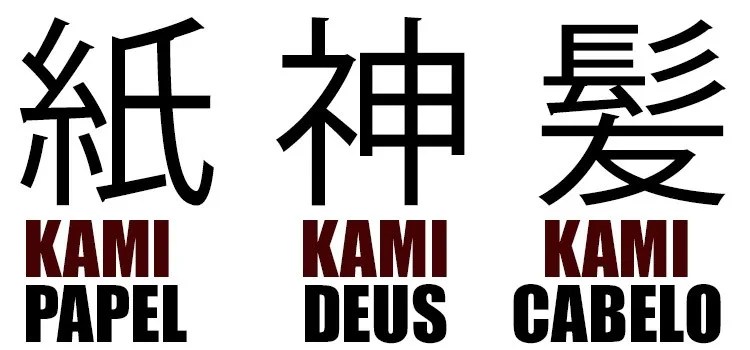
    The word “Kamikaze” is composed of two Japanese ideograms: 神風. Let’s analyze the meaning of each one:

    1. 神 (Kami): This ideogram means “god” or “deity.” In the context of “kamikaze,” it refers to something divine or celestial, often interpreted as “divine” or “sacred.”
    2. 風 (Kaze): This ideogram means “wind.” It is a common word in Japanese to describe the wind in general.

    Therefore, “Kamikaze” can be literally translated as “Divine Wind” or “Wind of the Gods.”

    The meaning of “Kamikaze” carries a symbolic depth, representing something beyond the simple literal translation. It suggests a supernatural intervention or an inevitable fate, a force that cannot be controlled by humans. In the modern context, “Kamikaze” has come to be associated with acts of extreme sacrifice, where the idea of giving one’s life for a greater purpose, often in desperate situations, has become central.

    This word can also evoke a sense of honor and duty, especially in the Japanese context, where the culture of personal sacrifice for the greater good is deeply valued. However, the term is also laden with tragedy, as it represents actions that, despite being heroic to some, result in devastating losses.

    What is the origin of Kamikaze?

    The origin of the term “Kamikaze” dates back to the 13th century, during the period of attempted invasions of Japan by the Mongol Empire under the command of Kublai Khan. In 1274 and 1281, Japan was the target of two major Mongol military expeditions. During both invasions, enormous fleets were sent to conquer the Japanese archipelago.

    However, on both occasions, Japan was saved by powerful typhoons that unexpectedly arose and destroyed much of the invading Mongol fleet. These typhoons were seen by the Japanese as a divine intervention, an act of the gods to protect Japan. In recognition of this celestial protection, the winds that drove away the invaders came to be called “Kamikaze” or “Divine Wind.”

    These events became an important part of Japanese folklore and history, symbolizing the divine protection that the country received in times of crisis. The idea that Japan was protected by supernatural forces reinforced the sense of identity and the notion that the nation was special and destined for a unique role in the world.

    The term “Kamikaze” gained new life during World War II, when it was used to describe the Japanese suicide pilots who carried out air attacks against Allied forces. These pilots were seen as carrying out a divine mission, sacrificing themselves to protect their homeland in a time of extreme need. This reinterpretation of the term forever associated it with the idea of heroic sacrifice in defense of the nation.

    Were there any Kamikaze who survived?

    Yes, although rare, there are records of kamikaze pilots who survived their missions during World War II. These cases occurred for various reasons, such as mechanical failures, difficulties in finding the target, or the intervention of enemy forces before impact. Some pilots were shot down before they could complete their mission, while others, due to technical problems, were unable to even take off.

    Additionally, there were pilots who, realizing they would not be able to hit their target, decided to abort the mission and return to base, something that was extremely difficult, both psychologically and in terms of social pressure. The military culture of the time promoted the success of the mission at any cost, and returning alive was often seen as a disgrace.

    After the war, some of these survivors faced feelings of shame and guilt for not having completed their missions. Many chose to live in relative anonymity, while others eventually shared their stories, revealing the human and tragic aspects behind the kamikaze missions.

    What is Kamikaze as a Metaphor?

    “Kamikaze” as a metaphor is used to describe an action or behavior that is extremely bold, risky, and potentially self-destructive. When someone is described as “kamikaze” in a metaphorical context, it usually means that this person is throwing themselves into a task or situation without caring about the consequences, often taking great risks that could result in personal harm or complete failure.

    For example, in a work environment, an employee who takes on an impossible project, sacrificing their well-being and health, may be called “kamikaze.” Similarly, a decision or strategy that seems desperate or completely ignores the chances of success, focusing only on a final goal, can be described as a “kamikaze strategy.”

    Records of Kamikaze Missions

    There are detailed historical records of kamikaze missions carried out during World War II, especially those conducted by Japan against Allied forces in the Pacific. These lists include information such as the names of the pilots, the date of the mission, the intended target, and, in many cases, the outcome of the mission.

    Examples of Kamikaze Missions

    1. Attack on the USS St. Lo (October 25, 1944)
      • Pilot: Yukio Seki
      • Location: Battle of Leyte Gulf, Philippines
      • Outcome: The USS St. Lo, an escort carrier of the US, was sunk after being hit by a kamikaze plane. This was one of the first and most notable kamikaze missions.
    2. Attack on the USS Bunker Hill (May 11, 1945)
      • Pilot: Kiyoshi Ogawa
      • Location: Okinawa, Japan
      • Outcome: The USS Bunker Hill, a large aircraft carrier of the US Navy, was severely damaged, with 389 dead and over 260 wounded.
    3. Attack on the USS Franklin (March 19, 1945)
      • Pilot: Shoichi Ogawa
      • Location: Near the coast of Japan
      • Outcome: The USS Franklin, one of the most damaged US warships, survived the attack, but with heavy loss of life.

    Where to Find More Information

    For a complete and more detailed list, you can consult:

    • Military Archives: Many records are available in the national archives of Japan, as well as in military libraries and museums dedicated to World War II.
    • Yūshūkan Museum: The museum in Tokyo, dedicated to Japanese military history, has an extensive collection of information about kamikaze missions.
    • History Books: Books like “The Divine Wind” by Rikihei Inoguchi and “Kamikaze: Japan’s Suicide Gods” by Albert Axell provide detailed accounts and lists of missions.

    What was the Kamikaze War in 1876?

    The “Kamikaze War,” better known as the Shinpuren Incident, was a rebellion that occurred in 1876 (Meiji 9) in the Kumamoto region, Japan. This conflict was led by members of the shi clan, who opposed the modernization and westernization policies implemented by the Meiji government. The rebels, who were part of an organization called Kampu Ren, advocated a restorationist and nationalist ideology, deeply rooted in Shintoism, and resisted foreign influences that were transforming Japanese society.

    The term “Ren” refers to the organization of the village party in Kumamoto, and the members of Kamifuren (also called the Kyojin Party) were known for their ultraconservative and xenophobic stance, rejecting the reforms that were dismantling Japan’s feudal order in favor of a centralized and modernized state.

    The rebellion culminated in a violent confrontation against government forces, which eventually suppressed the insurrection. Despite its military failure, the Shinpuren Incident left a lasting mark on Japan’s history as an example of resistance to the forced modernization process.

    The rebellion also influenced Japanese literature, being the central theme of the second volume of Yukio Mishima’s tetralogy “The Sea of Fertility,” titled “Running Horse.” Mishima used the incident as a backdrop to explore themes such as the conflict between tradition and modernity, religious faith, and nationalism, themes that resonate deeply in Japanese culture.

    What is Kamikaze in Funk and in Brazil?

    In the context of Brazilian funk, “Kamikaze” is a term that has been gaining popularity and, just like in the historical and Western context, carries a connotation of boldness and bravery. In funk, “Kamikaze” is used to describe someone who acts fearlessly, taking extreme risks without caring about the consequences. This can refer to a daring attitude, whether in personal life, on the streets, or even on stage during a performance.

    The word can also be used to express the idea of a “warrior” or someone who is willing to face any challenge head-on, regardless of the dangers involved. Within funk lyrics, “Kamikaze” may be associated with themes such as loyalty, courage, and a lifestyle where risk is a constant.

  • The letter “L” in Japanese? It doesn’t exist?

    The letter “L” in Japanese? It doesn’t exist?

    Have you ever wondered what the letter “L” looks like in Japanese? Generally, this letter is represented by the hiragana family of “ル”. Contrary to what some may think, the Japanese language does not natively have the letter “L”, so they replace the L with “R”.

    In other words, that unfunny joke that Brazilians often make with Asians about “chicken pastel” only works with Chinese people. The Chinese who cannot pronounce “R”, while native Japanese would say “PASUTERU DE FURANGO”.

    In the Japanese alphabet, there is no letter that corresponds to the “L” sound. This happens because Japanese, which uses the writing systems of hiragana, katakana, and kanji, does not have a sound that exactly represents “L”.

    To adapt foreign words that contain “L”, the Japanese generally substitute this sound with “R”, which is the closest sound available in the Japanese language.

    In this article, we will examine how the “L” sound is integrated into Japanese, the phonetic adaptation, examples of modified foreign terms, and other curiosities related to the language.

    The Letter “L” in Japanese

    In Japanese, it is not just the katakana “ル” that is used to represent the “L” sound in foreign words; the entire kana family of the “R” line (ラ行) is used for this adaptation. The Japanese syllabary is composed of syllables, not isolated sounds like in some other languages. This means that each kana represents a combination of consonant + vowel, and not just a single consonantal sound.

    For example, to adapt foreign words with the “L” sound, the Japanese use kana such as “ラ” (ra), “リ” (ri), “ル” (ru), “レ” (re), and “ロ” (ro), replacing “L” with “R”. This adaptation is necessary because Japanese does not have isolated sounds equivalent to “L”, and the syllabic structure of the language requires that these sounds be integrated within the existing phonetic rules. Therefore, a word like “Light” becomes “ライト” (Raito), using the “ラ行” to imitate the “L” sound.

    Converting “L” to “R”

    Generally, the transformation of syllables with “L” in Japanese works as follows:

    • LA > RA (ラ)
    • LI > RI (リ)
    • LU > RU (ル)
    • LE > RE (レ)
    • LO > RO (ロ)
    • L > RU (ル)

    The Pronunciation of “L” or “R” in Japanese

    The pronunciation of the Japanese “R” is an intermediate sound between “L” and “R”. It is produced with the tongue lightly touching the roof of the mouth, near the front teeth, similar to the sound of “d” or “l” slightly rolled.

    This pronunciation is softer and less vibrant than the Portuguese “R”. For example, in words like “ラーメン” (Rāmen), the pronunciation of “ラ” is something between “ra” and “la”, which may sound different to speakers of languages that clearly distinguish between the “R” and “L” sounds.

    Wasei-Eigo - English in the Japanese Language

    Words with “L” in Japanese

    The best way to understand the letter “L” in Japanese is through examples of foreign words that are written with “L”. Let’s see how these words have been adapted to Japanese writing:

    1. エレベーター (Erebētā) – Elevator
    2. コントロール (Kontorōru) – Control
    3. バレーボール (Barēbōru) – Volleyball
    4. フィルム (Firumu) – Film
    5. ゴール (Gōru) – Goal
    6. パネル (Paneru) – Panel
    7. オリジナル (Orijinaru) – Original
    8. エレクトリック (Erekutorikku) – Electric
    9. ガール (Gāru) – Girl
    10. ラベル (Raberu) – Label
    11. メタル (Metaru) – Metal
    12. モジュール (Mojūru) – Module

    Most of the words above were derived from English, note that the letter “L” was replaced by the katakana “ル”.

    - How Japan and Brazil have been united in football for decades
    Ball in Japanese is ボール (Ball)

    Japanese Names with L

    Another way to understand how to adapt the letter “L” to Japanese is through the adaptations of names, let’s see some foreign names with “L” written in Japanese:

    1. レオナルド (Reonarudo) – Leonardo
    2. エリザベス (Erizabesu) – Elizabeth
    3. アレックス (Arekkusu) – Alex
    4. ルーカス (Rūkasu) – Lucas
    5. ミカエラ (Mikaera) – Michaela
    6. カルロス (Karurosu) – Carlos
    7. アリス (Arisu) – Alice
    8. オリバー (Oribā) – Oliver
    9. ラウラ (Raura) – Laura
    10. ダニエル (Danieru) – Daniel
    11. ローレンス (Rōrensu) – Lawrence
    12. サミュエル (Samyueru) – Samuel
    13. ヘレン (Heren) – Helen
    14. ローラ (Rōra) – Lola
    15. ガブリエル (Gaburieru) – Gabriel

    FAQ – Frequently Asked Questions

    Why is there no letter “L” in Japanese?

    In the Japanese writing system, there is no letter equivalent to “L” because the Japanese language uses syllables instead of isolated letters. The sound closest to “L” in Japanese is represented by the syllable ‘ra’, which can vary in pronunciation between ‘r’ and ‘l’ depending on the context.

    Is it difficult for Japanese people to learn to pronounce “L”?

    Yes, many Japanese people find it difficult to pronounce “L”, especially because the sound is not part of the Japanese phonetic system. Since the ‘L’ sound does not exist in their native language, many Japanese substitute ‘L’ with ‘R’ when speaking foreign words.

    Are there other letters that also do not exist in Japanese?

    Yes, in addition to “L”, other sounds like ‘V’ and ‘F’ also do not have direct equivalents in Japanese. For example, the ‘V’ sound is generally replaced by ‘B’, and the ‘F’ sound can be adapted to a sound close to ‘fu’.

    How do Japanese people learn foreign words with “L”?

    Japanese children generally learn to deal with foreign words that have “L” through practice and continuous exposure to the foreign language, especially English. In schools, teachers teach the difference between ‘L’ and ‘R’ using examples and pronunciation activities, although the distinction remains a challenge for many.

    Is it common to see foreign words in daily Japanese life?

    Yes, it is very common to see foreign words, especially from English, in daily Japanese life. These words are often adapted to the Japanese phonetic system and used in modern contexts, from technology to fashion and food.

    I hope this article has answered all your questions regarding the letter “L” in Japanese! If you liked it, don’t forget to share and check out our Japanese course at Suki Desu.

  • The German Influence on Japanese Culture

    The German Influence on Japanese Culture

    The relationship between Japan and Germany is marked by a long history of cultural, scientific, and military exchange. This connection has profoundly influenced various aspects of Japanese culture, including popular media such as anime and music. In this article, we will explore how the German language and culture have left their mark on Japanese culture, with a special focus on the presence of German words in Japanese anime, games, and music.

    The Presence of German in Anime

    The choice of German titles in Japanese anime is a phenomenon that goes beyond simple aesthetics. These titles often carry symbolic meanings and evoke certain themes or atmospheres that are difficult to capture in Japanese or English. Let’s explore some notable examples and the reasons behind these choices.

    • “Neon Genesis Evangelion” and “Seele”: Although the main title of this iconic anime is not in German, many terms within the series, such as “Seele” (which means “soul”), are German. The choice of these terms contributes to the dark and philosophical atmosphere of the series, suggesting depth and mystery.
    • “Attack on Titan” (Shingeki no Kyojin) and “Die Flügel der Freiheit”: The series uses German terms like “Die Flügel der Freiheit” (Wings of Freedom) to reinforce the sense of fighting for freedom against oppressors. The connection to the German language helps create a subconscious link to Europe, which inspires the series’ setting.
    • “Hellsing” and “Die Kreuzritter”: In this anime, elements like “Die Kreuzritter” (The Knights of the Cross) reinforce the gothic and religious atmosphere, resonating with the European tradition of crusades and knights.
    • “Elfen Lied”: The title of this anime is a direct reference to German culture, meaning “Song of the Elves.” The use of German here suggests a connection to dark fairy tales and elements of tragedy, which aligns with the series’ narrative.
    • Schwarzesmarken: Translated as “Black Marks,” this title carries a dark and threatening connotation, which aligns well with the tense and militaristic atmosphere of the anime.
    • MÄR: Märchen Awakens Romance: In this anime, “Märchen” is the German word for “fairy tale.” The use of the term evokes the rich tradition of German fairy tales, such as those by the Brothers Grimm, which is fitting for a series that blends fantasy and adventure.
    • Weiß Kreuz: Translated as “White Cross,” this German title is used to evoke the duality of good and evil, with the white cross symbolizing purity in contrast to the dark and complex themes of the series.
    • Kämpfer: Means “Fighter” in German, a title that directly reflects the theme of the anime, centered on battles and fights, where characters must fight for their lives in a mysterious competition.

    Why Do We Have German Elements in Anime?

    Here are some comments on the main reasons for the presence of German elements in anime, games, and manga:

    Sound and Aesthetics

    • Hajime Isayama: The author of Shingeki no Kyojin (Attack on Titan) mentioned that he chose German names, such as “Eren Jaeger” and other terms within the series, because they sounded strong and imposing. The robust sound of German, with its marked phonetics, contributes to creating an atmosphere that resonates with the epic and desperate tone of the series.

    2. European Setting

    • Yoko Taro: In the case of the game series NieR, which includes anime elements in its adaptations, Yoko Taro chose German names and terms to reflect the European setting of his fictional worlds. In NieR: Automata, for example, terms like “YoRHa” were inspired by this tradition of using German to evoke a sense of European history and culture.

    3. Association with Mystery and Power

    • Gen Urobuchi: Known for works like Fate/Zero and Puella Magi Madoka Magica, Urobuchi often uses names and terms in German to evoke a sense of mysticism and power. For example, in Fate/Zero, the use of German for invocations and spells aligns with the tradition of associating German with Western alchemy and magic.

    5. Exclusivity and Differentiation

    • Kazuki Takahashi: The creator of Yu-Gi-Oh! used German words and concepts in some parts of his series, especially in the Yu-Gi-Oh! GX saga, to introduce elements that stood out culturally.

    The Relationship between Japan and Germany

    The relationship between Japan and Germany began to solidify in the late 19th century, during the Meiji Era (1868-1912), a period of rapid modernization and westernization in Japan. Japan, emerging from centuries of isolation under the Tokugawa Shogunate, was eager to become a modern and competitive power on the global stage. In this context, Japan looked to the West for models for its own transformation, and Germany emerged as one of the main sources of inspiration.

    • Scientific and Educational Influence: Germany, especially after its unification in 1871, was seen as an example of efficiency, discipline, and scientific progress. Many Japanese students and professionals were sent to Germany to study, primarily in the fields of medicine, engineering, law, and philosophy. Western medicine in Japan, for example, was heavily based on the German model, with the adoption of medical practices and theories developed in Germany.
    • Law and Administration: The Japanese legal system was also influenced by the German model. When Japan sought to reform its government system, German constitutional law served as the basis for the creation of the Meiji Constitution of 1889, which established a constitutional monarchy in Japan.
    • Culture and Philosophy: German philosophy, especially the works of thinkers like Immanuel Kant, Friedrich Nietzsche, and Martin Heidegger, has been studied and respected in Japan. Their ideas have influenced not only Japanese academia but also literature and critical thought in Japan.
    Places in Japan inspired by other countries

    The Military Alliance during World War II

    The relationship between Japan and Germany reached a critical point during World War II, when the two countries, along with Italy, formed the Axis, a military and political alliance. This alliance was motivated by common interests, but also by a shared vision of imperialist expansion.

    • Tripartite Pact of 1940: The Tripartite Pact, signed in September 1940, formalized the alliance between Japan, Germany, and Italy. This pact promised mutual assistance if any of the signatories were attacked by a power not involved in the war (such as the United States). The alliance was seen as a means of deterring U.S. intervention in Europe and Asia.
    • Technological and Military Exchange: During the war, there was significant exchange of military technology between Japan and Germany. Germany provided Japan with advanced technology in areas such as aviation, submarines, and armaments. Although the exchange was limited by geography and the war itself, the technical cooperation had a lasting impact.
    • Propaganda and Ideology: The alliance also led to an exchange of ideologies. Nazi Germany and Imperial Japan shared a worldview based on territorial expansion and national supremacy. Japanese wartime propaganda often referenced the alliance with Germany to legitimize its own military campaigns in Asia.
    History of Imperial Japan - World War II and Fall

    The Post-War Era: Reconstruction and Reevaluation

    Both Japan and Germany had to deal with the legacy of their actions during the war, and this was passed on to the population until they both became peaceful countries. In the years following the war, Japan and West Germany focused on rebuilding their devastated economies.

    The Japanese economic miracle and the German economic miracle (Wirtschaftswunder) during the 1950s and 1960s were marked by rapid industrialization and economic growth. During this period, trade relations between the two countries intensified.

  • Hostage System – The Dark Side of the Lack of Crimes in Japan

    Hostage System – The Dark Side of the Lack of Crimes in Japan

    Do you know the Japanese legal system? Have you heard of the term Hostage Justice? In this article, we will address the dark side of the lack of crimes in Japan and how the legal system of the land of the rising sun can be relentless.

    Japan is often praised for being one of the safest countries in the world, with exceptionally low crime rates. This safety is one of the reasons that attract millions of tourists and expatriates to the country every year. However, this safety comes at a price: the Japanese legal system is extremely rigid, and being arrested in Japan can be a frightening experience, with few chances of escaping a conviction.

    The Reality of the Japanese Legal System

    While safety in Japan is indisputable, the country’s legal system hides a dark side. Japan is known for having one of the highest conviction rates in the world, surpassing that of many countries with authoritarian regimes.

    This phenomenon is often attributed to what is called “hostage justice,” where suspects can be held in custody for long periods without formal charges.

    This system, which aims to ensure that criminals are punished, also jeopardizes the freedom of individuals who may be innocent.

    See below our complete video addressing the subject:

    What Happens if You Are Arrested in Japan?

    One of the most notorious cases that brought attention to the Japanese judicial system was that of Carlos Ghosn, a foreign executive from a major Japanese automaker. In 2018, he was arrested on suspicion of financial fraud.

    During his detention, Ghosn was held for weeks without formal charges, was denied contact with his lawyer and family, and was subjected to long interrogation sessions without the presence of a defender.

    This harsh treatment illustrates the difficulties faced by anyone arrested in Japan, where bail is often denied, and legal proceedings can drag on for years.

    Feeling that he would never receive a fair trial, Ghosn dramatically escaped from Japan, hidden in a box. His escape attracted worldwide media attention and raised questions about the fairness of the justice system in a democratic country like Japan.

    Prolonged and Repeated Detention

    In Japan, when a person is arrested, they can be held in custody for up to 23 days without formal charges, which is significantly longer than in many other countries. Additionally, the practice of splitting charges into multiple parts allows authorities to indefinitely extend the detention period.

    An example of this was the case of Katsuya Nakamura, who was arrested on suspicion of stock manipulation. Initially, he was detained for 20 days, but shortly after his release, he was arrested again on another charge related to the same crime, prolonging his detention for months.

    These practices make the Japanese system particularly relentless for those who find themselves imprisoned, as the possibility of being repeatedly arrested for slightly different charges can keep a suspect in jail for a long time, even without conviction.

    Keimusho - What are prisons like in Japan? 1#

    International Impact and Criticism

    The case of Carlos Ghosn is not the only one to draw international attention to the Japanese legal system. In 2019, the case of an artist who created a kayak based on a digital scan of her genitals also garnered attention.

    She was accused of distributing obscene material and was detained for over three months before being formally charged. Cases like this highlight the rigidity of the system and how even crimes considered minor can result in long detentions.

    The practice of keeping suspects in custody for long periods without formal charges has been criticized by human rights organizations and international lawyers. These practices are seen as a violation of basic human rights, especially the right to a fair and speedy trial.

    The Concept of “Mentsu” in Japanese Culture

    In Japan, one of the most fundamental aspects of society is the concept of “Mentsu” (面子), which refers to “face” or “public honor.” This concept is deeply rooted in Japanese culture and influences people’s behavior in various contexts, especially in formal situations, such as in the workplace and judicial institutions. Maintaining “face” is essential, and losing that “face” or causing someone else to lose “face” is seen as a great disrespect and can lead to profound embarrassment.

    Unlike other cultures, such as the Western one, where disagreeing with someone in public may be considered normal and even encouraged, in Japan, this is avoided at all costs. Disagreeing with a person, especially if they are in a superior position, is seen as an attack on their reputation and honor. This creates a dynamic where people prefer to agree, even if silently, to avoid any confrontation that could result in the loss of “Mentsu.”

    Mentsu and the Japanese Judicial System

    This concept of “Mentsu” exerts a significant influence on the Japanese judicial system. When a case reaches the court, there is usually a panel of three judges who make the decision, rather than a single judge as in many Western countries. These judges, in turn, face implicit pressure not to contradict the prosecutor who brought the charges. Declaring a defendant innocent could be interpreted as a direct criticism of the prosecutor’s work, suggesting that they did not do their job correctly, which would result in a loss of “Mentsu” for the prosecutor.

    Furthermore, the system itself is structured in a way to avoid uncomfortable confrontations and disagreements. This means that even if a defendant has compelling evidence of their innocence, the likelihood of being found guilty is high, as acquitting someone would be a blow to the reputation of the judicial system as a whole. In a society where maintaining harmony and avoiding conflicts is paramount, the pressure to go along with the accusatory process is intense, resulting in a vicious cycle where everyone who is arrested ends up being considered guilty.

    This aversion to confrontation also affects the appeals process. Appealing a verdict is extremely difficult, as it would imply that the previous judges made a mistake, which again would lead to the loss of “Mentsu” for those involved. As a result, successful appeals are extremely rare, and the system becomes almost impenetrable for those who wish to prove their innocence.

    This culture of avoiding the loss of “Mentsu” is one of the factors contributing to the extremely high conviction rate in Japan and the difficulty of obtaining justice in a system that values reputation and harmony above truth and fairness.

    Conclusion: Be Prepared

    The Japanese justice system is a double-edged sword. On one hand, it contributes to the country’s exceptional safety, but on the other, it jeopardizes the freedom of individuals who may not have committed any crime. If you are in Japan, it is essential to be aware of the laws and legal procedures, as once arrested, the chances of being considered guilty are alarmingly high.

  • Hikkoshi-ya – Moving Services in Japan

    Hikkoshi-ya – Moving Services in Japan

    Moving house or apartment can be a challenging task anywhere in the world, but in Japan, this process has particularities that reflect the culture, organization, and peculiarities of the country. Have you heard of Hikkoshiya? In this article, we will explore how house moves are carried out in Japan, from hiring services to the details that make this process unique.

    How are domestic moves done in Japan?

    Planning is one of the most crucial steps in any move, and in Japan, this process is taken very seriously. A domestic move in Japan involves a series of steps that ensure everything goes smoothly and without problems.

    The first step in planning a domestic move is to request a quote. Most moving companies offer this service for free. A representative visits the residence to assess the volume of items to be transported, the complexity of the move, and the specific needs of the client.

    Moving companies in Japan offer a range of services that include packing and unpacking to assembling and disassembling furniture. Clients can choose between complete packages, where the company takes care of all the details, or opt for more basic services, depending on the budget and personal preferences.

    Comparison between moves in Brazil vs Japan

    In Brazil, planning is equally important, but moves tend to be more flexible, allowing the client to choose from different service packages, such as those offered by moving companies in Brasília. There are companies that provide the complete service, but it is common to hire private individuals who have a freight truck.

    Vehicle Transport

    In both countries, there are companies responsible for transporting vehicles. In Brazil, we have vehicle freight companies that offer specialized services ensuring that cars and motorcycles arrive at their destination safely and on time.

    For those needing more specific services, such as motorcycle transport, the Motorcycle Carrier is a reliable option, offering customized solutions for this type of vehicle, whether for local or interstate moves.

    What is Hikkoshiya?

    Specialized moving companies, known as “hikkoshi-ya” (引っ越し屋), offer a complete range of services that go far beyond the transportation of furniture and boxes. Most of these companies offer packages that can include everything from packing all household items to cleaning the old residence after the move.

    The services offered by moving companies in Japan, known as Hikkoshiya, are widely varied and adaptable to the needs of clients. Basic packages typically include the transportation of items and the loading and unloading of furniture and boxes. Standard packages may add packing and organization services in the new residence.

    For those seeking maximum convenience, complete packages offer, in addition to all these services, the disassembly and reassembly of furniture, post-move cleaning, and unpacking of items, making the new home ready to live in.

    See below some of the services provided by Hikkoshiya:

    • Transportation of Items
    • Packing and Unpacking
    • Assembly and Disassembly of Furniture
    • Post-Move Cleaning
    • Vehicle Transport
    • Temporary Storage
    • Insurance for Transported Items
    • Document Management and International Moves
    • Junk Removal and Disposal of Unused Items
    • Pet Assistance Service

    How much does a domestic move cost in Japan?

    In Japan, the prices of moves vary significantly depending on the type of service chosen, the distance between residences, and the time of year. During the months of March and April, which coincide with the start of the fiscal year and the beginning of classes, the demand for moving services is high, which can drive up prices.

    During periods of lower demand, such as in the fall, costs may be more accessible. Generally speaking, the price of a basic moving service can start around ¥30,000, while a complete service can exceed ¥300,000.

    The pricing of moving services in Japan is influenced by several factors, including the size of the residence, the volume of items to be transported, and the distance between residences. The level of service chosen also significantly impacts the cost. Additionally, local companies may offer more competitive prices, and it is possible to negotiate discounts.

    List of Hikkoshiya Companies

    Generally, moving services in Japan are provided by reputable companies, often involved in the transportation business. Yamato Transport, for example, is known for its extensive network and high-quality customer service, while Nippon Express is popular among expatriates due to its expertise in international moves.

    Art Corporation stands out for its attention to detail, especially in handling fragile items, and Sagawa Express is valued for its speed and efficiency, ideal for moves with tight deadlines.

    Below is a complete list of some Hikkoshiya companies:

    • Yamato Transport (Kuro Neko)
    • Nippon Express
    • Art Corporation
    • Sagawa Express
    • Daiwa Logistics
    • Sakai Moving Service
    • Akabou (Red Cap)
    • Japan Removal
    • Maruwa Unyu Kikan
    • Hitachi Transport System

    In addition to the large national Hikkoshiya companies, there are several local moving companies in Japan that specifically serve certain regions or cities. These local companies often offer more affordable and personalized services.

    Some examples of local companies include:

    • Tokyo Hikkoshi Center (Tokyo)
    • Osaka Moving Service (Osaka)
    • Nagoya Removal Service (Nagoya)
    • Kyoto Hikkoshiya (Kyoto)
    • Fukuoka Moving Company (Fukuoka)
    • Hokkaido Hikkoshi Service (Sapporo, Hokkaido)
    • Hiroshima Moving (Hiroshima)
  • Shinzou wo Sasageyo – Meaning and Translation

    Shinzou wo Sasageyo – Meaning and Translation

    Who doesn’t remember the song from Shingeki no Kyojin where it sings ♪sasageyo! sasageyo!♪? It is the opening theme of the second season called Shinzou wo sasageyo which literally means devote your heart. In this article, we will delve into these words and understand the true meaning of sasageyo!

    What Does Sasageyo Mean in Japanese?

    Sasageyo is actually a godan verb sasagu [捧ぐ] which means to lift, hold, hold high (above eye level). Its other meanings involve giving, offering, consecrating, devoting, sacrificing, and dedicating.

    The verb in the word sasageyo is in its sasageru [捧げる] form, which is a transitive verb in the imperative form. The fact that the word has the yo [よ] ending indicates emphasis, warning, and exclamation from the speaker.

    These verbs have implications of worship, likely originating from actual sacrifices or offerings to the gods. In fact, one of the kanji present is hou [奉] which is often used in religious words like houshi [奉仕] which means church and houshisha [奉仕者] which means religious minister.

    The act of lifting up or above eye level may remind us of the scene where the monkey Rafiki lifts Simba on Pride Rock in the Lion King movie and the subsequent films. The verb also has a simple past form sasaida [捧いだ] which means elevated.

    Generally, the verb sasageyo is always used in Shinto ceremonies when offering sacrifices, offering to the gods or rituals like tamagushi. Such a verb can even refer to a literal or figurative sacrifice to something or a god.

    Shinzou wo Sasageyo - Meaning

    What Does Shinzou wo Sasageyo Mean?

    Shinzou [心臓] literally means heart in Japanese in the literal sense, the physical or anatomical body. I can’t understand why they chose such a literal word for the Titans’ song. The more common word to refer to the symbolic heart and even the physical one is Kokoro.

    Read also: Kokoro – Understanding the heart, mind, and spirit in Japanese

    I believe the choice of Shinzou is due to the fact that it combines better with the word sasageyo and also conveys a literal idea of sacrifice, since in the story of the Titans they are literally sacrificing themselves. A controversial choice but it makes total sense with the anime.

    Now that we have examined the meaning of both words, we can try to fit them together. They can be translated in various ways, but their meaning is practically the same. Besides devote your heart we can understand it as give me your heart.

    Other ways to translate are:

    • Sacrifice your heart!
    • Offer your heart!
    • Dedicate your heart!
    • Hand over your heart!
    Shinzou wo Sasageyo - Meaning

    Lyrics of the Song Shinzou wo Sasageyo

    Below we have the song with the lyrics in Japanese, then romanized and finally the translation in Portuguese stanza by stanza. Perfect for throwing words into the dictionary and understanding their essence.

    これ以上の地獄はないだろうと信じたかった 
    Kore ijou no jigoku wa nai darou to shinjitakatta

    I wanted to believe that there would be no more hell

    されど人類最悪の日はいつも唐突に
    Saredo jinrui saiaku no hi wa itsumo tōtotsu ni

    But the worst days of humanity are always sudden

    扉を叩く音は絶えず酷く無作法で 
    Tobira wo tataku oto wa taezu hidoku busahou de

    The sound of knocking on the door is constantly terrible and rude

    招かれざる災厄の日は悪夢のように
    Manekarezaru saiyaku no hi wa akumu no you ni

    An unwanted day of disaster is like a nightmare

    過ぎし日を恨むもの 
    Sugishi hi wo uragiru mono

    Those who harbor resentment against the passing of days

    奴らは駆逐すべき敵だ 
    yatsura wa kuchiku subeki teki da

    They are enemies to be eliminated

    あの日どんな顔で瞳で 
    Ano hi donna kao de hitomi de

    What kind of face and eyes on that day

    俺達を見つめていた
    oretachi wo mitsumeteita

    Looking at us

    何を捨てれば悪魔をも凌げる? 
    Nani wo sutereba akuma wo mo shinogeru?

    What must I throw away to overcome the devil?

    命さえ 魂さえ 決して惜しくなどはない
    Inochi sae tamashii sae kesshite oshiku nado wa nai

    Even life and soul are never regrettable

    捧げよ! 捧げよ! 心臓を捧げよ! 
    Sasageyo! Sasageyo! Shinzo wo Sasageyo!

    Dedicate! Dedicate! Dedicate your heart!

    全ての犠牲は 今 この時のために 
    Subete no gisei wa ima, kono toki no tame ni

    All sacrifices are now for this time

    捧げよ! 捧げよ! 心臓を捧げよ! 
    Sasageyo! Sasageyo! Shinzo wo Sasageyo!

    Dedicate! Dedicate! Dedicate your heart!

    進むべき未来を その手で切り拓け! 
    Susumubeki mirai o sono-te de kiri hirake!

    Open the future with your own hands!

    Complete Version of the Song

    From here, removing the last previous stanza, we have the continuation of the complete song in addition to the 1:30 minute opening of Attack on Titan sung by Linked Horizon.

    過ぎし日を偽る者 奴等は憎悪すべき敵だ
    sugishi hi wo itsuwaru mono yatsura wa zouo subeki teki da

    Those who lie about the passing days are hateful enemies

    あの日どんな声で… 言葉で… 俺たちを騙っていた…
    ano hi donna koe de kotoba de oretachi wo katatteita

    How their words and voices sounded while they spoke ill of us.

    何を学べば悪魔をも屠れる?
    nani wo manabeba akuma wo mo hofureru?

    What must I learn to be able to defeat the demons?

    技術でも… 戦術でも… 全て無駄になどしない…
    gijutsu demo senjutsu demo subete muda ni nado shinai

    We will not waste any tools, whether they are skills or tactics!

    捧げよ! 捧げよ! 心臓を捧げよ! 
    Sasageyo! Sasageyo! Shinzo wo Sasageyo! 

    Dedicate! Dedicate! Dedicate your heart!

    全ての努力は 今この瞬間の為に
    subete no doryoku wa ima, kono toki no tame ni!

    All our effort was for this moment!

    捧げよ! 捧げよ! 心臓を捧げよ! 
    Sasageyo! Sasageyo! Shinzo wo Sasageyo!

    Dedicate! Dedicate! Dedicate your heart!

    謳うべき勝利を その手で掴み取れ
    Utau beki shouri wo sono te de tsukamitore!

    With your own hands, grab our deserved victory!

    得体の知れない化け物が 人間と似た顔(つら)をしてやがる
    etai no shirenai bakemono ga hito to nita tsura wo shite yagaru

    These mysterious monsters take on the face of humans.

    この世から一匹残らず 奴らを駆逐してやる
    kono yo kara ippiki nokorazu yatsura wo kuchiku shite yaru

    We will obliterate each one of them from the face of this Earth!

    最初に言い出したのは誰か? そんな事憶えちゃいないが
    saisho ni iidashita no wa dare ka? sonna koto oboechainai ga

    Who was the first person to suggest this? I can’t remember.

    忘れられない怒りがある 必ず駆逐してやる
    wasurerarenai ikari ga aru kanarazu kuchiku shite yaru

    I have an unforgettable anger, I will definitely get rid of it

    嗚呼… 選び悔いた道の先は どんな景色(ばしょ)に繋がっている?
    aa… erabikuita michi no saki wa donna basho ni tsunagatteiru?

    Ahh… what kind of place will this lamentable path lead us to?

    唯… 捧れられた人生(いのち)を糧に咲く 尊き彼岸(悲願)の勝利(Sieg)
    tada… sasagererareta inochi wo kate ni saku toutoki higan no Sieg

    Surely… the lives we offer will give birth to a flower: our noble, most beloved victory!

    約束の地は楽園のはて
    yakusoku no chi wa rakuen no hate

    Our promised land is at the ends of paradise!

    あの日 人類は思い出した
    ano hi jinrui wa omoidashita

    On that day, humanity remembered—

    ヤツラに支配されていた恐怖を・・・
    yatsura ni shihai sareteita kyoufu wo

    The fear of being controlled by them…

    鳥籠の中に囚われていた屈辱を・・・・・・
    torikago no naka ni torawareteita kutsujoku wo

    The disgrace of being trapped in a cage…

    黄昏を弓矢は翔る 翼を背負い 
    tasogare wo yumiya wa kakeru tsubasa wo seoi 

    An arrow will soar through the twilight, carrying our wings.

    その軌跡が自由への 道となる
    sono kiseki ga jiyuu e no michi to naru

    The trail it forms will become our path to freedom!

    Dedique! Dedique! Dedique seu coração! 
    捧げよ! 捧げよ! 心臓を捧げよ! 
    Sasageyo! Sasageyo! Shinzo wo Sasageyo!
    全ての苦難は 今この瞬間(とき)の為に・・・・・・
    subete no kunan wa ima kono toki no tame ni

    All difficulties were for this moment!

    捧げよ! 捧げよ! 心臓を捧げよ! 
    Sasageyo! Sasageyo! Shinzo wo Sasageyo! 

    Dedicate! Dedicate! Dedicate your heart!

    儚き命を 燃える弓矢に変えて
    hakanaki inochi wo moeru yumiya ni kaete

    Transform your ephemeral lives into blazing arrows!

    捧げよ! 捧げよ! 心臓を捧げよ! 
    Sasageyo! Sasageyo! Shinzo wo Sasageyo!

    Dedicate! Dedicate! Dedicate your heart!

    誇るべき軌跡を その身で描き出せ・・・・・・
    hokoru beki kiseki wo sono mi de egakidase

    With your own bodies, form a trail that deserves our pride!

    Videos of Shinzou wo Sasageyo

  • 10 Best Baseball Players in the History of Japan

    10 Best Baseball Players in the History of Japan

    Ichiro Suzuki, Shohei Ohtani, Sadaharu Oh… These are just a few of the greatest baseball athletes in the history of Japan. In this article, we will learn a little more about the great names that marked the lives of the Japanese in this sport that is very popular in the land of the rising sun.

    Below we list the 10 most prominent players of all time in the sport. Baseball, known as Yakyuu (野球 – やきゅう), is the most watched and practiced sport by the Japanese, especially if we exclude martial arts (sumo, aikido, karate, and judo).

    Read also: Guide – All 12 Major Baseball Teams in Japan

    10 – Isao Harimoto

    He holds the impressive record for most hits in NPB history, with a total of 3085 hits. His significant contribution to the sport was recognized in 1990, when he was inducted into the Japanese Baseball Hall of Fame.

    Harimoto is also known for being a survivor of the atomic bombing in Hiroshima in 1945. After his retirement, he continued as a commentator and critic, sharing his vast experience and knowledge.

    9 – Masanori Murakami

    Masanori Murakami made history as his country’s pioneer in Major League Baseball (MLB). He played as a pitcher for the San Francisco Giants between 1964 and 1965, opening doors for future generations of Japanese players in the American league.

    8 – Hideo Nomo

    Legendary right-handed pitcher who played for the Los Angeles Dodgers between 1995 and 1998. In the MLB, he achieved an impressive 1918 strikeouts, while in the NPB he accumulated a remarkable 1204. Combined, the total strikeouts amount to 3122. He was the first Japanese player to permanently transfer to the United States league (Major League Baseball).

    In addition to the Dodgers, he also played for the New York Mets (1998), Milwaukee Brewers (1999), Detroit Tigers (2000), Boston Red Sox (2001), Tampa Bay Devil Rays (2005), and Kansas City Royals (2008). He was an All-Star in 1995 and also achieved two no-hitters (1996 and 2001) in the league.

    7 – Katsuya Nomura

    Catcher who played for three teams in his career: Nankai Hawks, Lotte Orions, and Seibu Lions. He won two Japan Series as a player and three more as a coach. He accumulated 2901 valid hits (H) in his career, 1988 runs batted in (RBI), and 657 home runs (HR).

    Inducted into the Hall of Fame in 1989.

    6 – Koji Uehara

    Legendary pitcher for the Yomiuri Giants and the Boston Red Sox. His resume includes a World Series (2013), an MLB All-Star selection (2014), American League MVP (2013), 9x NPB All-Star, and two Japan Series titles (2000 and 2002).

    In addition to the Red Sox, Koji Uehara also played for the Baltimore Orioles, Texas Rangers, and Chicago Cubs.

    5 – Shigeo Nagashima

    The “Mr. Giants” played his entire life for the Yomiuri Giants, from 1958 to 1974. Additionally, he was the team’s coach from 1975 to 1980 and returned in the 1990s, when he managed the team from 1993 to 2001. A member of the Japanese Baseball Hall of Fame (inducted in 1988), Nagashima is widely regarded as one of the greatest of all time. He played as a third baseman and won 11 Japan Series titles as a player and 3 more as a coach.

    4 – Hideki Matsui

    Nicknamed “Godzilla,” Hideki Matsui made history playing for the New York Yankees for seven seasons (2003-2009). He was an All-Star in 2003 and 2004, winning the 2009 World Series and also being the MVP (most valuable player) that year.

    He was also notable for his philanthropy. He financially helped thousands of families affected by natural disasters that struck the Indian Ocean (2004) and the Fukushima region (2011) in Japan.

    3 – Ichiro Suzuki

    The “Laser Beam” was probably the best Japanese baseball player of the 20th century. With extreme precision in pitching and ground hits, Ichiro is expected to be one of the next candidates for the MLB Hall of Fame, along with CC Sabathia, in the 2025 voting.

    He has an impressive 3089 valid hits (H) in his career, along with 10 All-Star selections, 10 Gold Glove awards, and 3 Silver Slugger awards.

    He was an idol for the Seattle Mariners and the New York Yankees. He retired in 2019 at the age of 45.

    2 – Sadaharu Oh

    Also known as the “king of home runs,” Sadaharu Oh (王貞治 – Ou Sadaharu) played for nearly 30 years for the top NPB team, the Yomiuri Giants, where he set numerous records and won important awards. As a player, Oh has the unmatched record of 868 home runs, a number greater than that of Barry Bonds, the current MLB HR record holder (762).

    1 – Shohei Ohtani

    Shohei Ohtani (大谷翔平 – Ootani Shouhei) is undoubtedly the best player in the world today. He is having his first season with the Los Angeles Dodgers after receiving the largest contract in American sports history (around 700 million dollars). In 2023, he suffered a serious injury that has prevented him from pitching in the league. Nevertheless, just by hitting, Ohtani continues to be the big name in contemporary baseball. As of the date of this article, the Japanese player has already reached the mark of 30 home runs in the season.

    He has been elected MVP (most valuable player) twice and unanimously, and Ohtani is also the only player in Major League Baseball (MLB) history to have 40 home runs and 10 credited wins. One factor to consider is that, at only 30 years old, there are still great seasons ahead for this legend of Japanese baseball.

    We recommend reading: Shohei Ohtani – The genius of world baseball

    Honorable Mentions

    • Takehiko Bessho
    • Kazuo Matsui
    • Morimichi Takagi
    • Kazuyoshi Tatsunami
    • Koji Yamamoto
    • Minoru Murayama
    • Kenta Maeda
    • Hideki Irabu
    • Masahiro Tanaka
    • Yu Darvish
    • Kazuhiro Yamauchi
    • Kazuhiro Kiyohara
    • Hiromitsu Kadota
    • Yutaka Fukumoto
    • Masaichi Kaneda
    • Hisashi Iwakuma
    • Daisuke Matsuzaka
    • Hiroki Kuroda
    • Kazuhiro Sasaki
    • Masataka Yoshida
    • Hayato Sakamoto
    • Tetsuto Yamada
    • Yusei Kikuchi
    • Yoshinobu Yamamoto
    • Shota Imanaga
    • Masao Kida
    • Yoshinori Hirose
    • Shintaro Fujinami
    • Hiroki Kokubo
    • Akinobu Okada
    • Shigeru Mizuhara
    • Seiya Suzuki
    • Tadahito Iguchi
    • Eiji Sawamura
    • Tetsuharu Kawakami
    • Hiromitsu Ochiai
    • Akinori Iwamura
    • Takuro Ishii
    • Tomoaki Kanemoto
    • Sachio Kinugasa
    • Katsuo Osugi
    • Nori Aoki
    • Koichi Tabuchi
    • Kazuhiro Wada
    • Makoto Matsubara
    • Masahiro Doi
    • Yuki Yanagita
    • Suguru Egawa
    • Tatsunori Hara
  • Itasha: The Fascination of Cars Decorated with Anime in Japan

    Itasha: The Fascination of Cars Decorated with Anime in Japan

    In Japan, the passion for animes and mangas goes beyond collectibles and invades the streets. It is in this scenario that the concept of Itasha (痛車) emerges, customized cars with stickers and paintings of characters from animes, mangas, games, or idols. This practice combines otaku culture with automotive customization, creating true works of art on wheels.

    The term “Itasha” carries a curious meaning: originally, in the 1980s, it referred to imported Italian cars (itariasha). However, in the 1990s, the word became slang that plays with the ideogram 痛 (ita), which means “pain.” For some, this customization is “painful” to the eyes, while for others, it is a passion worth every penny.

    Itasha - The car of otakus with anime decoration

    How did Itasha culture emerge?

    The Itasha culture began to gain traction in Japan in the 1990s, when the first decorated cars started to appear on the streets. The practice was influenced by other Japanese automotive trends, such as bosozoku (biker gangs) and the dekotora trucks, famous for their extravagant decorations. Initially, Itasha were simple stickered cars, but the practice evolved to include complex designs, customized accessories, and even fully themed interiors.

    The turning point came in 2005, with the striking presence of Itasha at the Comiket (Comic Market), the largest dōjinshi (independent manga) event in Japan. Two years later, the Auto Salon held a convention dedicated exclusively to Itasha cars, consolidating the hobby as part of Japanese pop culture.

    Itasha - The car of otakus with anime decoration

    How much does an Itasha wrap cost?

    Transforming a regular car into an Itasha can be a significant investment. Costs vary depending on the type of customization and the complexity of the design, but here are some approximate values:

    • Partial wrapping: Between 50,000 and 150,000 yen (about 300 to 1000 USD), depending on the area to be covered and the quality of the material.
    • Full wrapping (complete wrap): Can cost from 200,000 to 500,000 yen (1300 USD to 3300 USD). Detailed designs or those customized by renowned artists can be even more expensive.
    • Custom painting: This method is less common due to the high cost, exceeding 500,000 yen.

    In addition to stickers and paintings, many enthusiasts invest in accessories, such as custom wheels, LED lights, and even engine modifications, which can significantly increase costs.

    Besides the wrap, cars used in Itasha are generally expensive and sophisticated models like GR Corolla, Nissan 370z, Toyota 86, Subaru BRZ, Mazda MX, Honda Civic, Nissan Silvia, and other compact sports cars.

    Of course, minivans, kei cars, and even trucks are not left out. Others even create Itasha from motorcycles and bicycles. Anything with wheels can become an Itasha depending on how much you want to spend.

    How to create Itasha abroad?

    Although Itasha is more popular in Japan, the practice is growing in other countries. Here are some tips for creating your own Itasha abroad:

    1. Plan the design:
      • Choose your favorite characters or themes and decide how they will be arranged on the car. Software like Photoshop can help with visual planning.
    2. Find sticker suppliers:
      • Look for local companies that offer automotive wrapping services. Many accept custom designs sent by customers.
      • Make sure to use high-quality materials, such as UV-resistant vinyl, so the stickers do not fade over time.
    3. Consider local laws:
      • Check traffic and automotive customization regulations in your area. In some countries, certain types of wrapping may be prohibited or require authorization.
    4. Add unique touches:
      • In addition to external stickers, you can customize the car’s interior with cushions, mats, and themed accessories to complete the experience.
    Itasha - The car of otakus with anime decoration

    Where to find Itasha in Japan?

    If you are a fan of Itasha culture, Japan offers iconic places where you can admire these decorated cars:

    Itasha in Akihabara

    Akihabara, in Tokyo, is the epicenter of otaku culture and one of the best places to see Itasha. During weekends, it is common to find cars parked on the nearby streets, showcasing their elaborate designs. In addition, events and meetups for enthusiasts are regularly held in the area.

    Other popular locations:

    1. Nipponbashi (Osaka): Known as the “Akihabara of Osaka,” it is another meeting point for Itasha fans.
    2. Osu (Nagoya): The area is famous for its pop culture shops and also attracts enthusiasts of decorated cars.
    3. Itasha events: Large events like the Auto Salon and regional exhibitions offer the chance to see dozens of Itasha gathered in one place.

    The influence of Itasha on global culture

    Itasha have become a symbol of otaku pride, inspiring events and conventions around the world. The practice has also expanded to other means of transportation, such as motorcycles (Itansha) and bicycles (Itachari), in addition to influencing even bolder projects, such as themed airplanes.

    In Brazil, Itasha culture is still emerging, but the presence of customized vehicles at anime events demonstrates the potential for growth of this trend. Whether due to the passion for iconic characters or the pursuit of artistic expression, Itasha continue to unite fans around the world.

    The world of Itasha reflects the creativity and love of anime and manga fans. Decorating a car with favorite characters goes beyond simple customization; it is a way to express identity and passion. If you have ever had the opportunity to see an Itasha up close, you know the visual and emotional impact these machines can have. And who knows? Maybe you will be inspired to create your own.

  • Annual Events and Festivals in Tokyo – Updated Calendar

    Annual Events and Festivals in Tokyo – Updated Calendar

    Tokyo offers a variety of exciting events and festivals throughout the year. This calendar lists the main annual events in the city, with estimated dates when necessary.

    January

    Emperor’s New Year Greeting

    Date: January 2
    Location: Imperial Palace
    Description: A rare event where the Emperor makes a public appearance and greets citizens, a tradition welcoming the new year.

    Tokyo Auto Salon

    Date: Early January (between January 8 and 10)
    Location: Makuhari Messe
    Description: One of the largest modified car shows in the world, featuring tuned vehicles and automotive products.

    Sumo Basho – New Year

    Date: January 8 to 22
    Location: Ryogoku Kokugikan
    Description: The first sumo tournament of the year, attracting fans from all over Japan to watch matches between the top wrestlers.

    Oshougatsu - New Year in Japan

    February

    Ume Tree Season (Plum Trees)

    Date: Early February to early March
    Location: Parks and temples throughout the city
    Description: The plum tree season blooms at the end of winter, announcing the arrival of spring with beautiful landscapes.

    Tokyo Marathon

    Date: Late February
    Location: Various points around the city
    Description: One of the most popular marathons in the world, bringing together professional and amateur runners to compete on the streets of Tokyo.

    Let's enjoy the blooming of the Plum Trees

    March

    Saint Patrick’s Parade

    Date: Around March 15
    Location: Omotesando
    Description: A celebration of St. Patrick’s Day, featuring a colorful parade honoring Irish culture in the heart of Tokyo.

    Sakura Season (Cherry Blossoms)

    Date: Late March to mid-April
    Location: Parks in Tokyo (Ueno, Shinjuku Gyoen, etc.)
    Description: The famous cherry blossom season, attracting millions of people to admire the beauty of the light pink flowers.

    Hanami Guide - Enjoying the flowers in Japan

    April

    Earth Day in Tokyo

    Date: Mid-April
    Location: Yoyogi Park
    Description: An event dedicated to environmental awareness, featuring workshops, organic food stalls, and sustainability-focused activities.

    Nakizumo – Crying Baby Festival

    Date: Late April (around the 29th)
    Location: Sensoji Temple
    Description: A traditional competition where babies are placed face to face to see who cries the loudest, in a ritual for good luck.

    Traditional wooden Japanese house by plowed terraced rice fields. High quality photo

    May

    Meiji Shrine – Spring Festival

    Date: May 2 to 3
    Location: Meiji Shrine
    Description: A traditional festival celebrating the arrival of spring with Shinto ceremonies and traditional dance performances.

    Sumo Basho – Summer

    Date: May 8 to 22
    Location: Ryogoku Kokugikan
    Description: The second major sumo tournament of the year, offering more exciting matches at the traditional Ryogoku stadium.

    Sanja Matsuri

    Date: Third weekend of May
    Location: Sensoji Temple
    Description: One of the grandest festivals in Tokyo, featuring processions of portable shrines (mikoshi) through the streets of Asakusa.

    Meaning of Torii - 5 Major Gates of Japan

    June

    Rainy Season (Tsuyu)

    Date: Early June to mid-July
    Location: Tokyo and surrounding areas
    Description: The rainy season in Tokyo, marked by periods of heavy rainfall leading up to summer.

    Sanno Matsuri

    Date: First half of June (event held in even years)
    Location: Hie Shrine
    Description: A historic festival celebrating prosperity and peace in Tokyo, with traditional parades throughout the city.

    Meaning of Sayonara + 50 Ways to Say Goodbye in Japanese

    July

    Beach Season in Tokyo

    Date: July 18 to August 31
    Location: Tokyo Bay Beaches
    Description: The official beach season in Tokyo, featuring seaside events, water sports, and family-friendly activities.

    Sumidagawa Hanabi (Fireworks)

    Date: Last Saturday of July
    Location: Asakusa
    Description: One of the largest fireworks festivals in Japan, lighting up the Tokyo sky with thousands of spectacular fireworks.

    Shinjuku Eisa Matsuri

    Date: Late July
    Location: Shinjuku
    Description: A traditional dance festival inspired by Okinawan rituals, with groups performing in the bustling streets of Shinjuku.

    August

    Edogawa Hanabi (Fireworks)

    Date: Early August
    Location: Shinozaki Park
    Description: A fireworks display that lights up the sky in the Edogawa area, creating a magical night along the river.

    Itabashi Hanabi

    Date: Early August
    Location: Itabashi
    Description: Another major fireworks show, known for its colorful displays and the participation of thousands of spectators.

    Sendai Tanabata Matsuri

    Date: August 6 to 8
    Location: Sendai
    Description: The Tanabata festival celebrates the meeting of the stars Altair and Vega, with colorful decorations filling the streets.

    Summer Sonic

    Date: Second half of August
    Location: Makuhari Messe
    Description: One of the largest music festivals in Japan, featuring international and local acts presenting a mix of musical genres.

    Asakusa Samba Carnival

    Date: Last Saturday of August
    Location: Asakusa
    Description: A vibrant samba parade that transforms Asakusa into a Brazilian carnival, with music, dance, and colorful costumes.

    Samba and Carnival in Japan - Do Japanese Celebrate?

    September

    Sumo Basho – Autumn

    Date: September 10 to 24
    Location: Ryogoku Kokugikan
    Description: The third major sumo tournament of the year, marking the start of autumn with epic battles between the best wrestlers.

    Hibiya Oktoberfest

    Date: Mid-September
    Location: Hibiya Park
    Description: A festival inspired by the traditional German Oktoberfest, featuring craft beers and typical foods.

    Tokyo Game Show

    Date: Late September
    Location: Makuhari Messe
    Description: The largest video game fair in Japan, showcasing the latest releases in the gaming industry.

    Things to do in May - Japan - May festivals and events

    October

    Yosakoi Tokyo Contest

    Date: Early October
    Location: Ikebukuro
    Description: A Yosakoi dance competition that mixes traditional elements with modern choreography, attracting teams from all over Japan.

    CEATEC

    Date: First week of October
    Location: Makuhari Messe
    Description: The CEATEC technology fair showcases the latest innovations in technology, electronics, and AI.

    Shibuya Halloween

    Date: October 31
    Location: Shibuya
    Description: One of the largest Halloween events in Japan, where thousands of people dress up and take to the streets of Shibuya for a night of celebration.

    Do you know what cosplay is?

    November

    Autumn in Tokyo (colored leaves)

    Date: Early November to mid-December
    Location: Parks in Tokyo
    Description: The season of colorful autumn leaves, with stunning landscapes in parks such as Shinjuku Gyoen and Rikugien Park.

    Meiji Shrine – Autumn Festival

    Date: November 1 to 3
    Location: Meiji Shrine
    Description: An autumn festival celebrating the harvest and prosperity, featuring cultural performances and traditional rituals.

    Christmas Lights

    Date: Early November to early January
    Location: Various areas of the city (Roppongi, Shibuya, Ginza)
    Description: The streets of Tokyo light up with impressive Christmas decorations, creating a magical atmosphere throughout the city.

    The illuminations, lanterns, and traditional lanterns of Japan

    December

    Chichibu Night Matsuri

    Date: December 2 to 3
    Location: Chichibu
    Description: One of the largest night festivals in Japan, known for its procession of illuminated floats and fireworks.

    Emperor’s Birthday

    Date: December 23
    Location: Imperial Palace
    Description: A celebration in honor of the Emperor’s birthday, with special events at the Imperial Palace.

  • 15 ways to earn Coins in Homescapes

    15 ways to earn Coins in Homescapes

    Homescapes is a popular puzzle game developed by Playrix, where players help Austin, the butler, renovate an old mansion. Coins are the main currency of the game, used to buy lives, power-ups, and advance in the renovation of the house. Earning coins efficiently is essential to progress in the game. In this article, we will explore 15 effective ways to earn coins in Homescapes.

    1. Complete Levels

    The most common way to earn coins is by completing match-3 levels. The amount of coins received depends on the score achieved and the remaining moves. The more moves left at the end of the level, the more coins you will receive.

    2. Daily Login

    The game offers daily login rewards, which may include coins. Logging into the game every day, even for a few minutes, can ensure a considerable amount of coins over time.

    3. Participate in Temporary Events

    Homescapes frequently holds temporary events that offer coins as rewards. These events can range from limited-time challenges to competitions among players. Actively participating in these events can result in good amounts of coins.

    - 15 ways to earn free coins in Homescapes

    4. Complete Tasks in the Mansion

    By completing renovation tasks in the mansion, you can receive coins as a reward. Some larger or more challenging tasks offer more significant rewards.

    4.1 Use Power-Ups Wisely

    Power-ups can help complete levels faster, resulting in more coins at the end of the level. However, use them strategically, as wasting power-ups can make you spend more coins than you earn.

    4.2 Focus on Large Combos

    Combining more than three pieces creates power-ups and larger combinations that can clear the board more efficiently, increasing your chances of completing the level with remaining moves and thus earning more coins.

    5. Join Clubs and Teams

    Joining a club or team in the game can bring additional benefits, such as coin rewards through team competitions and mutual assistance among members. Active teams often achieve collective goals that reward all participants.

    6. Watch Ads

    Homescapes offers the option to watch ads in exchange for rewards, which may include coins. Taking advantage of this option whenever available is an easy way to increase your coin reserves without much effort.

    7. Win Tournaments and Competitions

    The game features tournaments and competitions where players compete for higher scores. Higher positions in these competitions often reward players with large amounts of coins.

    8. Save Moves

    Whenever possible, try to save moves while completing a level. Remaining moves are converted into power-ups, which in turn are converted into additional coins.

    9. Collect Extra Stars

    Although stars are primarily used to complete tasks in the mansion, collecting extra stars throughout the game can also yield coin rewards, especially during special events.

    10. Take Advantage of Special Offers

    Homescapes regularly offers special deals in the game store, which include coin packages at reduced prices or with additional bonuses. Although these offers usually require real money purchases, they can be an efficient way to quickly earn large amounts of coins.

    10.1 Complete Decoration Sets

    Some decorations in the mansion are part of sets. Completing a set can unlock coin rewards, in addition to giving a special touch to the house’s aesthetics.

    11. Make Smart Purchases

    Spending coins wisely is just as important as earning them. Avoid impulsively spending coins on extra moves. Plan your in-game purchases to maximize the value of accumulated coins.

    12. Use the Lucky Wheel

    The Lucky Wheel, available at certain times in the game, can reward players with coins, among other prizes. Take advantage of this opportunity whenever available to potentially increase your coins.

    13. Keep an Eye on Temporary Promotions

    The game occasionally offers temporary promotions where players can earn extra coins by completing certain levels or tasks. Staying alert to these promotions and participating in them can ensure an additional flow of coins.

    14. Explore Updates and New Features

    Homescapes is constantly being updated with new levels, challenges, and events. Participating in the game’s new features often brings new opportunities to earn coins. Additionally, updates may introduce new ways to obtain rewards in the game.

    15. Avoid Impulsive Spending

    While accumulating coins is important, knowing when not to spend them is equally crucial. Avoid spending coins on extra lives or additional moves without assessing whether it is truly worth it. Sometimes, it is better to accept defeat on a difficult level and try again, preserving your coins for future opportunities.

    Completing levels, participating in events, and using smart strategies in the game are essential for accumulating coins in Homescapes. With these tips, you can significantly increase your coin reserves and progress in Austin’s mansion renovation more efficiently. Remember that patience and strategy are key to success in Homescapes. Good luck!

  • The mysterious case of the Bathroom in Japan

    The mysterious case of the Bathroom in Japan

    On February 28, 1989, the quiet village of Miyakojimura, in Fukushima Prefecture, was the scene of one of the most mysterious and bizarre cases in Japanese history. Naoyuki Kanno, a young employee of a nuclear power plant in Fukushima, was found dead under extremely bizarre circumstances inside a bathroom sewer pipe, triggering a series of theories and suspicions that remain to this day.

    Stuck in the septic tank

    That afternoon, a 23-year-old elementary school teacher named Yumi Tanaka, while using the bathroom, came across a terrifying sight: a human shoe inside the toilet. Desperate and frightened, she immediately called other colleagues and local authorities.

    When the rescue team arrived at the scene, they faced an unexpected challenge. Kanno’s body was stuck horizontally inside the bathroom, which was only 107 centimeters tall, while Kanno’s body measured about 120 centimeters. The narrow space and the unusual position of the body made it impossible to remove him without dismantling the entire bathroom.

    The autopsy performed on Kanno’s body revealed that he had died of hypothermia, as it was quite cold at the time. The strangeness of the case, however, lay in the absence of any signs of violence or injury on the body. How could a 26-year-old man, known for his reputation of being diligent and honest, have ended up in such a bizarre situation?

    Difficulties in solving the case

    The local police in Fukushima faced difficulties in understanding how and why Kanno would have entered the bathroom in such an unusual manner. There were no signs of struggle or indications that he had been forced to enter there. However, the circumstances raised important questions: Kanno was almost naked, suggesting that he might have been placed there intentionally, perhaps as part of a cover-up.

    Another strange fact is the simple fact that one of his shoes was thrown near his vehicle. It seems implausible that he would have walked purposefully to enter a sewer pipe, whether to commit suicide or to spy on the teacher, given that the day he entered was a national holiday due to the emperor’s death.

    What was the bathroom like at the time?

    Bathrooms at that time, especially in rural areas like Miyakoji, were very different from modern toilets. They consisted of a simple structure with a hole in the ground. Below this hole was a “U”-shaped pit made of concrete, where waste accumulated.

    These pits did not have modern plumbing, and the process of removing waste was manual. In the case of Naoyuki Kanno, the septic tank was about 107 centimeters tall, an extremely tight and claustrophobic space. The “U” shape of the structure made any movement even more difficult, making it almost impossible to get out without help.

    Theories and Rumors

    Despite the lack of concrete evidence, various theories emerged about what could have happened to Kanno. Some local residents believed that Kanno, who was known for his strong sense of justice, might have discovered something he shouldn’t have, perhaps related to illegal activities or irregularities at the power plant where he worked.

    Some suggested that he might have been murdered by powerful individuals who feared he would reveal compromising secrets. Other rumors pointed to possible illegal connections between suspicious groups and the local police, who would have deliberately let the case go cold.

    One of the most controversial and dark theories circulating among the residents of Miyakojimura is the possibility that Naoyuki Kanno entered the bathroom to spy on the teacher, who was a friend. This theory makes little sense given that they were friends, and that on a national holiday, he would not be able to spy.

    Another theory is that the teacher may have killed him due to some kind of harassment. All these theories were dismissed due to lack of evidence, and the mystery lingers to this day.

    The Closure of the Case

    After years of investigation without definitive answers, the Fukushima police closed the case in 2004, when the statute of limitations was reached, classifying Kanno’s death as “accidental.” However, many in the community continue to believe that the truth about what happened to Naoyuki Kanno was never truly uncovered.

    The case of Naoyuki Kanno remains one of the most disturbing mysteries in Japan. The strange and tragic death of this young worker continues to fuel discussions and theories, reminding us that, in some cases, the truth can be harder to reach than it seems. The shadow of this mystery still hangs over the village of Miyakoji, leaving a legacy of unanswered questions and a community that continues to wonder what really happened on that fateful day in 1989.

  • FLOW: The Japanese Band That Conquered the World of Animes and the Hearts of Fans

    FLOW: The Japanese Band That Conquered the World of Animes and the Hearts of Fans

    FLOW, one of the most iconic Japanese bands, has crossed generations with its blend of rock, pop, and an unmistakable touch of energy. Founded in 1998, the band consists of five talented members: Kōshi (vocals), Keigo (vocals), Take (guitar), Got’s (bass), and Iwasaki (drums). With a trajectory marked by successes in anime and international tours, FLOW is a name that resonates strongly among fans of Japanese culture.

    The History of FLOW: How It All Started

    FLOW’s journey began with brothers Kōshi and Take, who initially formed a duo in the mid-1990s. Over time, the addition of Keigo, Got’s, and Iwasaki completed the lineup, marking the start of a career that would soon stand out in Japan and around the world.

    The Name FLOW and Its Meaning

    The name “FLOW” represents the fluidity of the group’s music and creativity, a combination that allows them to transition through different musical styles. From the beginning, the band sought to break barriers and experiment with unique sounds, mixing rap rock, alternative rock, and pop punk.

    5 reasons to become a fan of the band FLOW

    Success in Anime: An Unmatched Legacy

    FLOW is widely known for its contributions to anime soundtracks. Many of their songs have become true anthems for fans, marking unforgettable moments in highly successful series.

    “GO!!!” and “Sign” in Naruto

    The big leap to international fame happened with “GO!!!”, the opening of Naruto, and later with “Sign”, another theme song from the series. These songs perfectly capture the vibrant and motivating spirit of the saga, solidifying the band as one of the favorites in the world of anime.

    Other Memorable Hits

    • “COLORS” (Code Geass: Lelouch of the Rebellion): This epic song has become synonymous with the grandeur of the anime.
    • “Re:member” (Naruto): Another hit that reinforced the band’s connection with the franchise.
    • “Kaze no Uta” (Tales of Zestiria): Theme song of one of Bandai Namco’s most popular games, further expanding FLOW’s reach.

    An International Career of Success

    With worldwide recognition, FLOW embarked on several international tours, including frequent visits to Brazil. The band has stated in interviews that the Brazilian audience is one of the most passionate, something that became evident in their performances.

    The Connection with Brazil

    In 2024, FLOW returned to Brazil as part of the world tour “ANIME SHIBARI 2024-2025”. The show in São Paulo, held on November 29, was an absolute success, featuring a selection of songs that included “GO!!!”, “COLORS”, and “Sign”. This tour was especially dedicated to anime songs, a gift for the most nostalgic fans.

    5 reasons to become a fan of the band FLOW

    Discography and Memorable Releases

    Throughout their career, FLOW has released 12 studio albums and over 40 singles. Some works stand out as important milestones:

    • Albums:
      • Game (2004)
      • Golden Coast (2005)
      • Fighting Dreamers (2018)
    • Singles:
      • “DAYS” (Eureka Seven)
      • “World End” (Code Geass)
      • “CHA-LA HEAD-CHA-LA” (cover for Dragon Ball Z)

    What Makes FLOW Unique?

    FLOW is much more than an anime songs band. Their ability to mix styles and create catchy songs makes them unique in the music scene. Additionally, the band maintains a strong connection with their fans, whether through interactions on social media or at live shows.

    Curiosity

    The band members are known for their charisma on stage and the warm way they interact with the audience, regardless of the country they are performing in.

    Plan Your Experience with FLOW

    If you haven’t had the chance to listen to FLOW yet, start with their most iconic songs and explore their varied discography. The band is also available on major streaming platforms, such as Spotify and YouTube.

    Final Tip

    For anime and music fans, FLOW is a must-experience. Whether live or in soundtracks, they are proof that music can transcend cultural barriers and unite people around the world.

  • Why do the Japanese use Kanji? The importance of ideograms!

    Why do the Japanese use Kanji? The importance of ideograms!

    Have you ever wondered why the Japanese incorporated Kanji, that is, Chinese ideograms, into their language? In this article, we will explore the importance of Kanji and why it is indispensable in Japanese writing.

    The Japanese language is a complex system that uses three types of writing: Hiragana and Katakana, syllabaries with 46 characters each (plus two obsolete ones), which together form about 104 syllables. In addition, there are the famous Chinese ideograms, Kanji, which total more than 8,000. In practice, a Japanese person needs to learn approximately 1,945 Kanji to communicate effectively, and each of these ideograms can have several pronunciations, totaling 4,087 different readings.

    With Hiragana, it is possible to write any Japanese word, since it encompasses all 104 syllables of the language. So, why do the Japanese insist on using Kanji? Couldn’t they simply use Roman characters or just Hiragana? The answer is a resounding NO!

    Different forms of writing in the Japanese language.
    Different forms of writing in the Japanese language.

    Different forms of writing in the Japanese language

    There is a logical explanation for the use of Chinese ideograms in the Japanese language, and it is related to one of the greatest difficulties in learning the language: the numerous homophones.

    Homophones are words that have the same pronunciation but different meanings. In Japanese, if you only use Hiragana, many words will have the same pronunciation and writing, becoming homonymous and making comprehension difficult.

    God x Paper x Hair

    Imagine that Kanji did not exist. How would you translate the phrase “かみです” (kami desu)? It would be practically impossible, as you would not know the real meaning of “Kami.” Now, see the same phrase with Kanji:

    • (かみです) 神です = God
    • (かみです) 紙です = Paper
    • (かみです) 髪です = Hair

    The “です” can be understood as “is” or “to be,” depending on the context.

    The Japanese rely heavily on the context of the conversation and the situation to communicate. During a conversation, you would likely understand the meaning, but when reading a text or isolated phrase, you could be completely lost.

    Japanese is full of identical words. Additionally, there are words that are only one syllable, such as “hand” (手, て, te) and “eye” (目, め, me). Without the ideograms, it would be impossible to identify these words in a text.

    And the problem doesn’t stop there. There are words that can have more than 50 words with the same pronunciation. Not to mention words that resemble particles or other words. How would you manage to read a text like that?

    We recommend reading: What is the meaning of Kami?

    Hiragana x Kanji

    If you are still not satisfied with the examples mentioned earlier, let’s look at other examples for you to understand why Japanese needs to use ideograms:

    • Hiragana みぎみみみぎめみぎめみぎみみ
    • Kanji 右耳右目右目右耳;
    • Romaji Migimimimigimemigimemigimimi

    Can you understand this sentence just with hiragana? This is quite a tongue twister, which means “Right ear, right eye, right eye, right ear”

    • Hiragana すもももももももものうち
    • Kanji すももも桃ももものうち
    • Romaji Sumomo mo momo mo momo no uchi

    Can you understand what is written just with hiragana? I only see a bunch of momomomo… The sentence means “Plums and peaches are in the peach family”.

    Let’s go to an easier and more common example: “ははは…” you will probably hear this phrase a lot, but do you know what it means? With kanji it would be 母は… meaning “The mother…” Reading only ははは you might get lost and think of another word or a laugh.

    It is much easier to understand the sentences above with Kanji. Besides the text being shorter, it is even faster to read and write. Knowing the Kanji, you can really understand the sentence as soon as you read it.

    Portuguese, Korean, and Chinese

    And what about homophones in Portuguese? In Portuguese, there are identical words written in different ways, in addition to numerous accents. It would be practically impossible to do this with Japanese, as it has only 104 syllables.

    The Koreans created their own alphabet, Hangul, which has 14 consonants and 10 vowels, but which, when combined, total up to 1,960 different sounds, eliminating the problem of homophones. Unfortunately, to eliminate Kanji, it would be necessary to completely change the Japanese language, which is quite difficult.

    simpkificado

    The Chinese use ideograms in a simplified form. Why don’t the Japanese do the same? Well, there is no definitive answer to this question. Japan is an ancient country that adopted its writing before the existence of simplified Chinese. This probably implies the way Japanese is taught, the radicals, and the words that are already rooted in the minds of the Japanese people. However, the Japanese make necessary changes to some ideograms, so there is no reason to question.

    The Japanese language has undergone numerous changes since its origin, which has led Japan to have numerous dialects. Changing the writing and pronunciation system would cause numerous problems and difficulties. The kanji is something common in Japanese; it is not a seven-headed monster, and the Japanese really see no reason to make changes or adopt a way to simplify the ideograms.

    And you? What do you think of Japanese ideograms? Is it a big challenge? Share with friends and let us know your opinion in our YouTube community and social networks.

  • The 10 Best Free Websites to Read Manga Online

    The 10 Best Free Websites to Read Manga Online

    The Japanese culture has expanded all over the world, and one of the most popular ways to consume this culture is through mangas. Nowadays, there are several options to read mangas online, both through scans, which are fan groups that translate and distribute the works, and on official platforms, which offer a legal and high-quality reading experience.

    In this article, we will explore some of the best platforms and apps to read mangas online, with options that cover different languages and devices. We will also talk about the role of scans, which continue to be one of the main ways to access unlicensed mangas in various countries.

    The best sites and fansubs to read mangas from Brazil

    The Role of Scans in Manga Culture

    Before talking about official platforms, it is important to understand the role of “Scans” in the dissemination of mangas around the world. Scans are fan groups dedicated to digitizing, translating, and distributing mangas that have not yet been licensed in their country. This process, although controversial, has been fundamental for many titles to gain popularity outside Japan, especially in regions where manga licensing is limited.

    Most scans operate voluntarily, with dedicated fans who invest their time to scan the pages of mangas, translate the content, and edit the images to ensure a good reading experience. Although this method is technically illegal, it has helped popularize many titles that were later licensed by official publishers.

    1. Crunchyroll Manga

    In addition to being one of the largest anime streaming platforms, Crunchyroll also offers a vast library of mangas. Users can access popular titles such as Attack on TitanFairy TailThe Seven Deadly Sins, and many others.

    The platform has an easy-to-use interface and is available in several languages, including Portuguese, English, Spanish, and French. For those who want to support the manga industry, Crunchyroll is an excellent option, providing legal and regular access to new releases.

    List of Crunchyroll animes + DUBBED

    2. Comixology

    Comixology, known for being a digital comics platform, is also one of the best options for reading mangas online. It offers a vast collection of titles in various languages, such as English and Japanese, and is available on devices like Kindle Fire, iOS, and Android.

    Some of the most popular series available on Comixology include Lone Wolf and CubAttack on Titan, and Fairy Tail. The platform is ideal for those who want a more traditional reading experience, with options to purchase by chapter or volume.

    3. Viz Media

    For fans of mangas in English, Viz Media is one of the leading publishers and distributors of successful titles. The site offers access to thousands of manga volumes, covering a wide range of genres, from action to romance.

    Titles such as Dragon BallOne PieceFullmetal Alchemist, and Naruto are available on the platform. Viz Media also offers apps for Android and iOS, making reading mangas more accessible and convenient.

    4. MangaKakalot

    If you are looking for a free platform to read mangas, MangaKakalot is one of the most popular options. It offers a wide variety of titles in various genres and is available for reading directly in the browser. The interface is simple and straightforward, and the site is regularly updated with new releases. Although the content is offered for free, it is important to remember that these platforms often do not have official licensing.

    5. Webtoons

    Although primarily focused on manhwas (Korean webcomics), Webtoons also offers a wide range of titles that mix elements of mangas and comics. It is one of the most popular platforms in the genre and allows users to read original and independent stories, as well as submit their own creations. The platform is available on mobile devices and offers an intuitive and easy-to-navigate interface.

    6. Bato.to

    Bato.to is a platform known for its large community of manga fans. It offers a free reading experience, with mangas in various languages, including English, Spanish, and French. The site stands out for its chat functionality and active community, where fans can discuss the latest updates and releases.

    7. Honto

    Popular in Japan, Honto is an official platform that offers a large collection of mangas in Japanese. The interface is user-friendly and allows users to explore the latest and most popular titles across a wide range of genres. For those who prefer to read mangas in their original language, Honto is an excellent option.

    8. ComicWalker

    ComicWalker is a free platform that allows fans to read a selection of licensed mangas directly in their browser. It is ideal for those who want a legal and high-quality experience, with titles in Japanese and English. The interface is simple, and the site is regularly updated with new chapters.

    comic-waker

    9. NineManga

    The website design is quite simple, with some advertisements. It has a vast catalog available in various languages: English, Spanish, French, German, Russian, and Italian. It is always receiving updates.

    Reading mangas on this site is relatively good if used on Desktop computers. Otherwise, you may have some issues using it on the mobile version.

    9. MangaFox

    The MangaFox is one of the oldest and most well-known platforms for reading mangas online. It offers a vast selection of popular and lesser-known titles, covering various genres such as action, romance, comedy, and horror. The platform is easy to navigate, and chapters are regularly updated. Although the content is free, it is important to note that not all titles have official licensing.

    10. MangaDex

    The MangaDex is an international platform quite popular among manga readers. It offers a clean interface, with not many ads, and allows users to read mangas in various languages, including English, Japanese, and Spanish. MangaDex is known for being a collaborative community, where scanlator groups can share their translations directly on the site.

    11. Union Mangás

    This is undoubtedly one of the best sites currently available. It has few ads on the main site, but when you are in the viewer, there will indeed be many ads. The catalog is very extensive. To give you an idea, dear reader, One Piece is one of the manga series with the most chapters that exists. The site has them all.

    If you are new to the world of Japanese fictional stories, there is a tab on the right side of the site that shows the most read mangas. An interesting point about the site is that they have their own app. This compensates for the lack of downloading manga files in pdf.

    The only payment here is the gratitude for the effort and work.

    The best sites and fansubs to read mangas from Brazil

    12. MangaHost

    With a website style similar to Union Mangás, MangaHost is a beautiful site for you to read mangas online.

    There is a tab within the main page with all the categories and – consequently – the mangas belonging to them. Another tab divides the mangas according to the writing style, as there are mangas, manhuas, manhwas, novels, etc.

    Recommended guide? It has that too. On each page of the respective manga, there is a score ranging from one to five stars, where the users of the site can rate them and leave their opinions.

    Unlike Union Mangás, MangaHost does not have an app for users. They offer downloads of chapters – full volumes are not included because it would compromise the stability of the site.

    On the other hand, they have a membership system. Through a donation, you help support its maintenance, browse without ads, reading becomes faster than it already is, and the limit of downloads via direct link changes. Daily, you can download 100 chapters through the direct link.

    The best sites and fansubs to read mangas from Brazil

    Support the Manga Industry

    Although scans have played a fundamental role in popularizing mangas around the world, it is important to remember that supporting official platforms is crucial to ensure the growth and sustainability of the industry. By purchasing mangas legally, you are helping to finance the creation of new titles and the translation of works into other languages.

    Whether through scans or on official platforms, reading mangas has never been as accessible as it is today. For fans who wish to support the industry legally, there are countless options of platforms and apps to explore.

    For those who prefer to have their favorite works in physical format, Amazon offers a wide variety of mangas translated into various languages, with complete collections and special editions that are great for collectors.

  • Japanese words that are the same with different meanings

    Japanese words that are the same with different meanings

    Japanese is a fascinating language, full of nuances that may seem complex at first glance, but that bring a simplicity of their own throughout the learning process. For Portuguese speakers, one of the most curious characteristics of the Japanese language is the large number of words that share the same pronunciation but have completely different meanings, depending on the kanji used.

    It’s as if the confusion between manga (the fruit) and manga (the piece of clothing) were multiplied many times over. This phenomenon is one of the reasons why the Japanese writing system includes kanji, which help differentiate these words in written context.

    In this article, we will explore some of these words that, despite having the same pronunciation, vary in meaning thanks to the presence of kanji. We will address lesser-known terms, with at least three distinct meanings, to demonstrate the richness and challenges of this language.

    The Importance of Kanji in Japanese

    Before we dive into the examples, it is important to understand the role of kanji in Japanese writing. They are fundamental for differentiating words that sound the same (known as homonyms) and that would otherwise be difficult to distinguish by pronunciation alone.

    Even though Japanese may seem chaotic in this aspect, writing and context usually provide enough clues to disambiguate these words. Let’s explore some pronunciations with more than three distinct meanings.

    Examples of Homonyms in Japanese

    Ame (あめ)

    The pronunciation “Ame” can refer to three completely different things:

    • 雨 – Ame – Rain
    • 飴 – Ame – Candy (sweet)
    • 編め – Ame – To knit, to braid

    Depending on the kanji used, “Ame” can change from something related to weather to a sweet, or even to the action of weaving.

    Jinshin (じんしん)

    This word can have meanings that range from human concepts to physical issues:

    • 人心 – Jinshin – Heart or feelings of people
    • 人身 – Jinshin – Human body
    • 仁心 – Jinshin – Benevolence

    Here, context is key to understanding whether we are talking about feelings, the physical body, or a concept of compassion.

    Jisho (じしょ)

    Jisho is another example of how the Japanese language can confuse, or enrich, depending on the point of view:

    • 地所 – Jisho – Land, property, soil
    • 辞書 – Jisho – Dictionary
    • 自署 – Jisho – Signature

    Imagine the difference when confusing a piece of land with a dictionary, which reinforces the importance of using the correct kanji.

    Other Interesting Examples

    Kika (きか)

    • 帰化 – Kika – Naturalization
    • 気化 – Kika – Vaporization
    • 奇禍 – Kika – Accident, disaster

    Muchi (むち)

    • 無知 – Muchi – Ignorance, stupidity
    • 鞭 – Muchi – Whip, rod
    • 無恥 – Muchi – Shamelessness

    Oku (おく)

    • 億 – Oku – One hundred million, astronomical number
    • 奥 – Oku – Interior, back; also noble’s wife
    • 屋 – Oku – Roof, house covering

    Kami (かみ)

    • 髪 – Kami – Hair
    • 神 – Kami – God
    • 紙 – Kami – Paper

    These examples demonstrate how the Japanese language can be challenging, but also how kanji are essential to avoid misunderstandings.

    The controversy of religions thinking that everything from Japan is from the Devil!

    The Pronunciation Seika: A Wealth of Meanings

    Seika (せいか) is one of the pronunciations that perfectly exemplifies the diversity of the language:

    • 正価 – Seika – Fixed Price
    • 成果 – Seika – Result, fruit of labor
    • 製菓 – Seika – Confectionery, candy making
    • 青果 – Seika – Fruits and vegetables
    • 生家 – Seika – Birthplace
    • 聖歌 – Seika – Liturgical song, chant
    • 盛夏 – Seika – Mid-summer, summer solstice
    • 声価 – Seika – Reputation

    It becomes evident how a single pronunciation can encompass a vast range of meanings, making the reading and use of kanji a true art.

    The Importance of Context and Kanji

    Learning the Japanese language may seem complicated due to these identical pronunciations. However, thanks to the use of kanji and the context of sentences, it is possible to communicate clearly. Daily exposure to the language, whether through reading or conversation, helps internalize these differences naturally.

    It is also interesting to note how this is reflected in Japanese names, which can have multiple meanings depending on the characters used. That is why learning kanji is essential: it not only enriches communication but also avoids many misunderstandings.

    And you? Which Japanese words with identical pronunciations do you find most difficult or confusing?

  • 10 curiosities about samurais that you didn’t know

    10 curiosities about samurais that you didn’t know

    Samurais are widely recognized as the most iconic warriors in Japanese history. They emerged during Japan’s feudal period in response to the constant internal battles within the country, many of which stemmed from territorial disputes among feudal lords. Due to the need to protect their lands, the feudal lords (known as daimyo) and the Japanese empire itself began to rely on the assistance of samurais.

    Although they are often portrayed as honorable and fearless warriors, their main function was to protect the interests of the aristocracy and the daimyo, as well as to collect taxes. The code that guided their actions was the bushido, or “way of the warrior,” which emphasized values such as loyalty, self-discipline, respect, and ethics. Many samurais also adhered to the teachings of Zen Buddhism, seeking balance and serenity in their lives.

    The peak of the samurai class occurred during the Edo period (1603–1867), when they solidified their status as the military and social elite of Japan. Armed with swords, bows, and arrows, they became enduring symbols of Japanese culture and tradition.

    Curiosities about samurais

    Despite the stereotypical image that many films and stories present, samurais were a complex class, with many lesser-known aspects. Below, we explore ten curious facts about these warriors:

    1. Not all samurais were elite

    Although samurais are generally seen as members of the elite, not all belonged to this class. Many soldiers were, in fact, ashigaru, peasants who joined the military forces of the daimyo. These warriors, although less prestigious, played a crucial role in battles, being trained for combat, especially during times of war.

    2. Christian samurais

    With the arrival of Jesuit missionaries in Japan, some daimyo converted to Christianity, seeking access to European military technology. Arima Harunobu, for example, used European cannons in his battles. Another Christian daimyo, Dom Justo Takayama, chose exile rather than renounce his faith when Japan began to persecute Christians.

    3. Retreat strategy

    Although the samurai code of honor emphasized fighting to the death, strategies such as tactical retreat were used to lure enemies into traps. A notable example was the Shimazu clan, which used firearms and the tactic of false retreat to surprise their enemies in ambushes.

    4. Names for swords

    Samurais believed that their swords possessed spirits, and therefore, they gave them names. The sword chokuto was one of the oldest, but the katana eventually became the most famous. In addition to swords, samurais also used bows, arrows, and later, firearms.

    Muramasa - The cursed sword

    5. Samurai pirates

    In the 13th century, a combination of poor harvests and financial crisis in Japan led many ronin (masterless samurais) to become pirates. They joined criminal groups that exploited the weaknesses of the oversight systems, conducting raids along the coasts of Japan and Asia.

    6. Female samurais

    Although most samurais were men, women also played important roles. Known as onna-bugeisha, these warrior women were trained in martial arts and fought alongside men in times of need. Despite their significance, they are often little mentioned in historical records.

    Tomoe Gozen - The story of the samurai warrior

    7. Display of severed heads

    As part of samurai tradition, displaying the heads of defeated enemies was proof of duty fulfilled. These heads were shown to the daimyo and then displayed with the name of the victim and their killer, symbolizing the warrior’s honor.

    8. Education beyond war

    Samurais were not just warriors; they were also highly educated. The bushido required samurais to excel in various disciplines, such as mathematics, calligraphy, poetry, and painting. This distinguished them from other warriors, such as European knights, who rarely received formal education.

    9. Functional armor

    The armor of samurais was designed to offer mobility and protection. Unlike the heavy armor of Europe, samurai armor allowed for greater agility without compromising durability. This efficiency is an example of how Japanese technology has always prioritized functionality.

    Visit the Samurai Museum in Tokyo

    10. Scary masks

    In addition to protecting the faces of warriors, the masks worn by samurais were designed to intimidate their enemies. They often featured terrifying expressions, inspiring fear on the battlefield. These masks even influenced the creation of the visual design of iconic characters, such as Darth Vader.

    The samurai code of honor

    The samurai code of honor was more than just a guideline for battle. It guided all aspects of these warriors’ lives. One of the most striking rituals was the forging of swords, performed in a sacred manner, with a dedication that reflected the importance of the sword to the samurai. Furthermore, the desire for an honorable death was something deeply rooted in samurai culture. In combat, warriors were trained to always face the enemy head-on, even when fatally wounded.

    sinister samurai mask with fangs

    Conclusion

    Samurais were a fundamental part of Japan’s history, leaving a legacy of honor, discipline, and courage that still resonates in modern culture. Although often portrayed in a simplified or exaggerated manner in entertainment productions, the true story of samurais is rich and complex, offering lessons on ethics, loyalty, and the role of war in shaping societies.

    This article sought to explore the history of samurais in greater depth, correcting misconceptions and adding details about their origins, customs, and curiosities.

  • 10 strongest elders in anime

    10 strongest elders in anime

    The figure of the elder is present in most animes and mangas. Shonens often portray the elderly as very powerful and wise individuals. In this article, we will get to know who the strongest elders in anime are.

    Remembering that the order of the elements in this list is based on an exclusively personal perception. Therefore, please feel free to disagree in the comments, so we can learn about other ranking possibilities and points of view.

    Since they are characters from different fictional universes, it is not easy to rank them in a 100% faithful or correct manner, considering that each anime/manga has a different scale of power. The most that can be done is a simple comparison based on speculation and hypothesis building.

    That said, let’s go to the list!

    NOTE: Spoiler Alert!

    1 – Netero (Hunter x Hunter)

    Isaac Netero is a character from the manga Hunter x Hunter, created by Yoshihiro Togashi. He is an elderly man with white beards who, at first glance, appears weak. However, Netero is considered by many to be the strongest character in 1, being the holder of incredible Nen abilities (Nen is the name given to the “power” in the series) and having been for a good part of the anime the President of the Hunter Association. He fought on equal terms with the king of the chimera ants, Meruem. His main ability consists of summoning a giant Buddha that fights alongside him, copying his movements. He deserves the first place.

    - The 10 strongest elders in anime

    2 – Shigekuni Yamamoto (Bleach)

    Genryūsai Shigekuni Yamamoto is a character from the anime/manga Bleach, written and illustrated by Tite Kubo, which was quite successful here in Brazil. Yamamoto was the captain of the first division of the Gotei 13. He has a long beard and a fire-type bankai, considered the strongest sword (zanpakuto) in the series (from an offensive standpoint). Feared and respected by all, he is undoubtedly one of the most powerful elders in all shonen anime. He deserves the second place.

    - The 10 strongest elders in anime

    3 – Master Roshi (Dragon Ball)

    Master Roshi (or Muten Roshi) needs no introduction. Perhaps the most famous “old man” on this list, he actively participated in the entire Dragon Ball franchise and in a more secondary way in Dragon Ball Z, Kai, GT, and Super. He is the creator of the Kamehameha, the main technique of Son Goku and several other characters in the series. He taught Goku, Krillin, and Yamcha at the beginning of the manga. In addition, he has transformations that allow him to take on a muscular form. He deserves the third place.

    Also read: Japanese phrases from Dragon Ball Z

    - The 10 strongest elders in anime

    4 – Dohko of Libra/Elder Master (Saint Seiya)

    Dohko of Libra (elder master) is one of the strongest gold saints in the anime/manga Knights of the Zodiac. For a good part of the classic series (post-holy war period), Dohko of Libra is already old and in permanent vigil at the 5 ancient peaks in Rozan. He received from Athena the technique to slow down aging and was the master/advisor of Shiryu of Dragon during the classic series. He deserves the fourth place.

    - The 10 strongest elders in anime

    5 – Makarov (Fairy Tail)

    Makarov Dreyar, son of one of the founders of the Fairy Tail Guild, current master of the guild and one of the ten holy mages. He is the grandfather of Laxus (Thunder Dragon Slayer) and according to some guides of the series, he is over 88 years old. He is also one of the most charismatic characters in Fairy Tail. Without a doubt, Makarov deserves the fifth place.

    - The 10 strongest elders in anime

    6 – Jiraiya (Naruto)

    A charismatic character, he taught Naruto the techniques of summoning and Chakra manipulation (rasengan). He shares personality similarities with Master Roshi, also being one of the comic reliefs of the manga. He is one of the three legendary ninjas (sannin) along with Tsunade and Orochimaru, and was a disciple of Hiruzen Sarutobi, the third Hokage. He became one of the most memorable characters in Naruto, especially after his mortal fight against Pain. He deserves the sixth place.

    - The 10 strongest elders in anime

    7 – Genkai (Yu Yu Hakusho)

    Master Genkai was the master of Yusuke and Kuwabara at the beginning of the series Yu Yu Hakusho. Later, she participates in the dark tournament in her young form. She fights against Toguro and ends up dying during the tournament, a fact that leaves Yusuke, Kuwabara, and their friends in deep sadness. However, some time later, Genkai finally resurrects. She deserves the seventh place.

    - The 10 strongest elders in anime

    8 – Sarutobi (Naruto)

    Hiruzen Sarutobi (Third Hokage) was the master of Jiraiya, influenced several generations of ninjas from Konoha, and was responsible for sealing Orochimaru’s arms in a confrontation that resulted in his death. He possesses powerful jutsus, such as the summoning Enma and other fire jutsus. Interestingly, Sarutobi had some of his characteristics based on the legend of Sarutobi Sasuke. He deserves the eighth place.

    We recommend reading: Sarutobi Sasuke – The ninja legend

    - The 10 strongest elders in anime

    9 – Gran Torino (Boku no Hero Academia)

    Now let’s talk about Boku no Hero Academia. Despite his short stature and fragile appearance, Gran Torino actually possesses a quirk that allows him to be extremely fast and agile, the Jet. Torino first appears in the series because he chose the protagonist Izuku Midoriya to be his student during the anime/manga. He was also a personal friend of Nana Shimura, who in turn trained All Might. It is worth noting that Shimura was the only woman to master the One For All technique.

    Moreover, Gran Torino is an extremely charismatic and skilled character. Therefore, he deserves the ninth place.

    - The 10 strongest elders in anime

    10 – Silver Fang (One Punch Man)

    Silver Fang (also called “Bang”), better known as one of the strongest heroes in the anime/manga One Punch Man, is an S-class hero and rank 3 who belongs to the hero association. He is an 81-year-old man with a distinctive physique. He is also one of the characters who recognizes the strength of Saitama, the protagonist of the series. He deserves the tenth place.

    - The 10 strongest elders in anime

    And you? Do you know any other “badass” elder? Let us know in the comments!

    Did you like the article? Then don’t forget to like, comment, and share it with your friends!

  • Kurisumasu Keeki: The Japanese Christmas Cake and Its Tradition

    Kurisumasu Keeki: The Japanese Christmas Cake and Its Tradition

    In Japan, one of the most traditional dishes for the Christmas celebration is the Kurisumasu Keeki, a Christmas cake that has become a symbol of this festivity over time. Although Christmas is not a deeply rooted religious tradition in Japanese culture, the celebration has gained popularity with Western elements, and the Kurisumasu Keeki has become a fundamental part of this commemoration.

    Unlike Western traditions, the Kurisumasu Keeki brings unique elements that reflect the culture and history of Japan. Every detail of this cake carries symbolism and stories that make it special for the Japanese.

    The Origin of Kurisumasu Keeki

    It is believed that the tradition of making Kurisumasu Keeki emerged in the late Meiji era (1868-1912). In 1910, the Fujiya confectionery, located in the port city of Yokohama, introduced the first “Japanese Christmas cake,” inspired by English fruit cakes.

    In 1921, after a visit to the United States to study the confectionery industry, the owner of Fujiya brought back new ideas and techniques that influenced the evolution of Kurisumasu Keeki. Inspired by the innovation and methods seen abroad, he expanded the concept and began selling cakes decorated with buttercream in his shop in the upscale Ginza district of Tokyo. However, the price of these cakes was high for most consumers due to the economic difficulties Japan faced in the post-war period.

    Christmas in Japan – How the Japanese celebrate Kurisumasu?

    The Rise of the Christmas Cake in the 1960s

    The 1960s marked Japan’s economic prosperity, allowing the Christmas cake to become more accessible. Fujiya launched an advertising campaign promoting the new style of cake, featuring soft sponge, white whipped cream, and fresh strawberries. This marketing, combined with the growing purchasing power of Japanese families, made Kurisumasu Keeki popular throughout the country.

    The cake also came to represent Japan’s recovery after the difficult wartime period. The predominant colors of the cake, the white of the whipped cream and the red of the strawberries, coincidentally reflect the colors of the Japanese flag, adding a touch of patriotism to the sweet.

    The Traditional Kurisumasu Keeki

    The Kurisumasu Keeki is a traditional round cake made with layers of fluffy sponge, fresh strawberries, and whipped cream. Its appearance is delicate, and its decoration usually includes Christmas figures, such as trees, stars, and small snowmen made of sugar or marzipan. The combination of soft and fresh flavors is part of what makes this dessert so appreciated in Japan.

    Today, Kurisumasu Keeki has established itself as a Christmas tradition in Japan, and its popularity is so great that on Christmas Eve, December 24th, it is common to see huge lines at confectioneries, with people eager to secure their cake. Often, cakes are ordered in advance due to the high demand.

    Recipe – The famous strawberry cake from anime

    The Diversity of Kurisumasu Keeki

    Starting in November, bakeries, department stores, and confectioneries all over Japan begin to offer their versions of Kurisumasu Keeki. Each establishment brings its interpretation of the cake, with variations ranging from the traditional style with strawberries and whipped cream to more sophisticated creations that include chocolates and exotic fruits.

    Famous confectioneries and renowned chefs such as Pierre Hermé and Jean-Paul Hévin bring their own versions of Kurisumasu Keeki to the Japanese market. Japanese brands like Sadaharu Aoki and Hironobu Tsujiguchi also have their own interpretation of this dessert, offering creations that delight both in flavor and presentation.

    Furthermore, the delivery sector adapts to the high demand for these cakes, with an organized system to handle orders. In this way, the tradition of the Christmas cake remains alive, catering to all types of customers.

    Evolution of Kurisumasu Keeki

    Initially, Christmas cakes in Japan were simpler, covered with butter-based icing. However, over the years and with the country’s economic growth, the decoration and ingredients of Kurisumasu Keeki became more elaborate. Fresh whipped cream replaced icing, and cakes began to be decorated with ornaments that reference Christmas, such as figures of Santa Claus and reindeer.

    These cakes, besides being delicious, are true works of art. Small and delicate, the “Kurisumasu Keeki” are decorated with such care that they are comparable to sculptures, enchanting both in appearance and flavor.

    - Kurisumasu keki: discover the traditional Japanese Christmas cakes

    The Beauty and Symbolism of Kurisumasu Keeki

    Besides being a delicious sweet, Kurisumasu Keeki carries great symbolism. The colors of the cake, red and white, refer to the Japanese flag, representing the union of the Christmas spirit with national pride. This dessert is more than just a culinary tradition; it symbolizes the overcoming of a country and the celebration of a date that, although not originally part of Japanese culture, has been enthusiastically adopted and adapted to reflect Japan’s identity and values.

    In the streets and shops of Japan, during the month of December, the “Kurisumasu Keeki” becomes an attraction in itself. The windows of confectioneries turn into true visual spectacles, displaying beautifully decorated cakes that capture the spirit of Christmas and bring joy to those who observe them.

    Christmas in Japan – How the Japanese celebrate Kurisumasu?

    Conclusion

    The Kurisumasu Keeki is a symbol of the Christmas tradition in Japan, representing the union between Western influences and Japanese culture. From its creation in the early 20th century to its evolution over the years, the Japanese Christmas cake has won the hearts of the Japanese, being an important part of year-end celebrations.

    Today, Kurisumasu Keeki is a dessert that not only sweetens the celebrations but also carries a rich history of overcoming and innovation, reflecting the resilience and creative spirit of the Japanese people.

  • Why Do Anime Protagonists Lose Their Powers?

    Why Do Anime Protagonists Lose Their Powers?

    Have you noticed that in many animes the main character ends up losing their powers? Did you know that this phenomenon may have a cultural origin? That’s right. In several shonens – anime and manga series aimed at the adolescent male audience – we can see this cliché materialize.

    Spoiler Alert!

    In “Bleach”, at a certain point in the series, the protagonist Kurosaki Ichigo loses his Shinigami powers, while in “Hunter x Hunter”, the main character Gon loses his “Nen” abilities after a hard battle against Neferpitou. In several other animes and mangas, this pattern can be seen, as is the case with Naruto, where the series’ protagonist loses Kurama (the nine-tailed fox).

    After all, why does this pattern repeat so much in these stories?

    In this article, we will try to understand more about this phenomenon common in pop culture. We will also recall memorable moments in animes where the main character was stripped of their powers and became an ordinary human.

    Cultural and Historical Influence

    This cliché of power loss may be linked to cultural and historical themes in Japan, where there is a strong dichotomy between the divine and the human. A clear example is Emperor Showa (Hirohito), who, after World War II, had to abdicate his divinity and declare himself an ordinary human, marking the end of an era of spiritual leadership. This transformative event may have influenced the creation of stories where powerful characters are humanized.

    Furthermore, Japanese mythology also offers various figures who lose their powers throughout the stories. The Kappa, a folkloric creature that lives in rivers, loses its abilities when the water over its head is spilled. The influence of mythology and folklore reinforces the idea that the transition from divine to human is a powerful theme in the Japanese imagination.

    Samurais and the Decline of Power

    Another historical parallel can be made with the samurais, who, for centuries, were powerful and revered figures. However, with the advent of the Meiji Era and the prohibition of carrying swords, the samurais lost their special status, being forced to integrate into society as ordinary citizens. This decline of samurai “power” may have inspired narratives of protagonists who also lose their supernatural abilities.

    Impact on Stories

    In animes and mangas, this transition of the protagonist from a powerful figure to an ordinary person creates an exciting narrative of vulnerability and reinvention. Often, after losing their powers, the protagonist embarks on a journey of self-discovery or finds a new source of strength. This theme is recurrent in series like Naruto and Dragon Ball, where once-powerful characters take on more humble or human roles by the end of the stories.

    Anime Characters Who Lost Their Powers

    Ichigo Kurosaki (Bleach): At a crucial point in the series, Ichigo loses his Shinigami powers after the fight against Aizen. This leads to a phase of great vulnerability until he regains his abilities later.

    Gon Freecss (Hunter x Hunter): After using all his Nen energy in an intense battle against Neferpitou in the Chimera Ants saga, Gon loses his abilities and is on the brink of death, unable to use his Nen.

    Naruto Uzumaki (Naruto Shippuden/Boruto): Naruto loses the connection with Kurama, the Nine-Tails Fox, during the events of Boruto, which leaves him without one of his greatest sources of power.

    Edward Elric (Fullmetal Alchemist: Brotherhood): At the end of the series, Edward sacrifices his ability to use alchemy to restore his brother Alphonse’s body, permanently losing his abilities.

    Yusuke Urameshi (Yu Yu Hakusho): Yusuke temporarily loses his spiritual powers at various moments in the series, especially after the Sensui arc.

    Natsu Dragneel (Fairy Tail): Natsu faces moments when he loses his ability to use Dragon Slayer Magic, but this is usually linked to exhaustion or temporary blockages.

    Meliodas (Nanatsu no Taizai): Meliodas loses control of his demonic powers several times throughout the series, and at times, he is forced to abdicate his powers to protect those around him.

    Saitama (One Punch Man): Although Saitama doesn’t exactly lose his powers, his extreme boredom with invincibility makes him feel “purposeless,” which symbolically places him in a position of “emotional power loss.”

    Eren Yeager (Attack on Titan): Throughout the series, Eren faces challenges related to his Titan powers, temporarily losing control over his abilities on several occasions.

    Lelouch Lamperouge (Code Geass): Lelouch temporarily loses control of his Geass, and his inability to use it at certain critical moments directly impacts his actions in the plot.