
The relationship between Japan and Germany is marked by a long history of cultural, scientific, and military exchange. This connection has profoundly influenced various aspects of Japanese culture, including popular media such as anime and music. In this article, we will explore how the German language and culture have left their mark on Japanese culture, with a special focus on the presence of German words in Japanese anime, games, and music.
Contents 9
The Presence of German in Anime
The choice of German titles in Japanese anime is a phenomenon that goes beyond simple aesthetics. These titles often carry symbolic meanings and evoke certain themes or atmospheres that are difficult to capture in Japanese or English. Let's explore some notable examples and the reasons behind these choices.
- "Neon Genesis Evangelion" and "Seele": Although the main title of this iconic anime is not in German, many terms within the series, such as "Seele" (which means "soul"), are German. The choice of these terms contributes to the dark and philosophical atmosphere of the series, suggesting depth and mystery.
- "Attack on Titan" (Shingeki no Kyojin) and "Die Flügel der Freiheit": The series uses German terms like "Die Flügel der Freiheit" (Wings of Freedom) to reinforce the sense of fighting for freedom against oppressors. The connection to the German language helps create a subconscious link to Europe, which inspires the series' setting.
- "Hellsing" and "Die Kreuzritter": In this anime, elements like "Die Kreuzritter" (The Knights of the Cross) reinforce the gothic and religious atmosphere, resonating with the European tradition of crusades and knights.
- "Elfen Lied": The title of this anime is a direct reference to German culture, meaning "Song of the Elves." The use of German here suggests a connection to dark fairy tales and elements of tragedy, which aligns with the series' narrative.
- Schwarzesmarken: Translated as "Black Marks," this title carries a dark and threatening connotation, which aligns well with the tense and militaristic atmosphere of the anime.
- MÄR: Märchen Awakens Romance: In this anime, "Märchen" is the German word for "fairy tale." The use of the term evokes the rich tradition of German fairy tales, such as those by the Brothers Grimm, which is fitting for a series that blends fantasy and adventure.
- Weiß Kreuz: Translated as "White Cross," this German title is used to evoke the duality of good and evil, with the white cross symbolizing purity in contrast to the dark and complex themes of the series.
- Kämpfer: Means "Fighter" in German, a title that directly reflects the theme of the anime, centered on battles and fights, where characters must fight for their lives in a mysterious competition.

Why Do We Have German Elements in Anime?
Here are some comments on the main reasons for the presence of German elements in anime, games, and manga:
Sound and Aesthetics
- Hajime Isayama: The author of Shingeki no Kyojin (Attack on Titan) mentioned that he chose German names, such as "Eren Jaeger" and other terms within the series, because they sounded strong and imposing. The robust sound of German, with its marked phonetics, contributes to creating an atmosphere that resonates with the epic and desperate tone of the series.
2. European Setting
- Yoko Taro: In the case of the game series NieR, which includes anime elements in its adaptations, Yoko Taro chose German names and terms to reflect the European setting of his fictional worlds. In NieR: Automata, for example, terms like "YoRHa" were inspired by this tradition of using German to evoke a sense of European history and culture.
3. Association with Mystery and Power
- Gen Urobuchi: Known for works like Fate/Zero and Puella Magi Madoka Magica, Urobuchi often uses names and terms in German to evoke a sense of mysticism and power. For example, in Fate/Zero, the use of German for invocations and spells aligns with the tradition of associating German with Western alchemy and magic.
5. Exclusivity and Differentiation
- Kazuki Takahashi: The creator of Yu-Gi-Oh! used German words and concepts in some parts of his series, especially in the Yu-Gi-Oh! GX saga, to introduce elements that stood out culturally.

The Relationship between Japan and Germany
The relationship between Japan and Germany began to solidify in the late 19th century, during the Meiji Era (1868-1912), a period of rapid modernization and westernization in Japan. Japan, emerging from centuries of isolation under the Tokugawa Shogunate, was eager to become a modern and competitive power on the global stage. In this context, Japan looked to the West for models for its own transformation, and Germany emerged as one of the main sources of inspiration.
- Scientific and Educational Influence: Germany, especially after its unification in 1871, was seen as an example of efficiency, discipline, and scientific progress. Many Japanese students and professionals were sent to Germany to study, primarily in the fields of medicine, engineering, law, and philosophy. Western medicine in Japan, for example, was heavily based on the German model, with the adoption of medical practices and theories developed in Germany.
- Law and Administration: The Japanese legal system was also influenced by the German model. When Japan sought to reform its government system, German constitutional law served as the basis for the creation of the Meiji Constitution of 1889, which established a constitutional monarchy in Japan.
- Culture and Philosophy: German philosophy, especially the works of thinkers like Immanuel Kant, Friedrich Nietzsche, and Martin Heidegger, has been studied and respected in Japan. Their ideas have influenced not only Japanese academia but also literature and critical thought in Japan.
The Military Alliance during World War II
The relationship between Japan and Germany reached a critical point during World War II, when the two countries, along with Italy, formed the Axis, a military and political alliance. This alliance was motivated by common interests, but also by a shared vision of imperialist expansion.
- Tripartite Pact of 1940: The Tripartite Pact, signed in September 1940, formalized the alliance between Japan, Germany, and Italy. This pact promised mutual assistance if any of the signatories were attacked by a power not involved in the war (such as the United States). The alliance was seen as a means of deterring U.S. intervention in Europe and Asia.
- Technological and Military Exchange: During the war, there was significant exchange of military technology between Japan and Germany. Germany provided Japan with advanced technology in areas such as aviation, submarines, and armaments. Although the exchange was limited by geography and the war itself, the technical cooperation had a lasting impact.
- Propaganda and Ideology: The alliance also led to an exchange of ideologies. Nazi Germany and Imperial Japan shared a worldview based on territorial expansion and national supremacy. Japanese wartime propaganda often referenced the alliance with Germany to legitimize its own military campaigns in Asia.
The Post-War Era: Reconstruction and Reevaluation
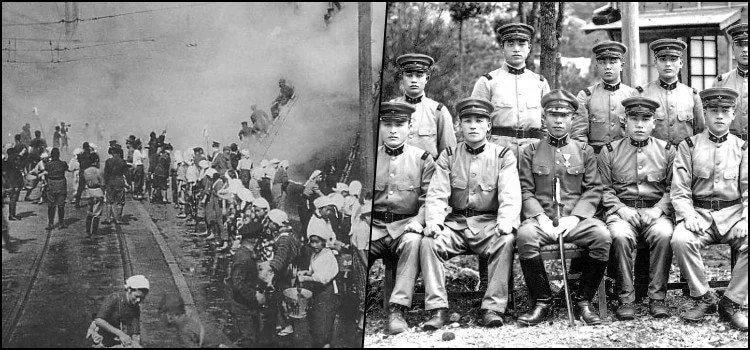
Both Japan and Germany had to deal with the legacy of their actions during the war, and this was passed on to the population until they both became peaceful countries. In the years following the war, Japan and West Germany focused on rebuilding their devastated economies.
The Japanese economic miracle and the German economic miracle (Wirtschaftswunder) during the 1950s and 1960s were marked by rapid industrialization and economic growth. During this period, trade relations between the two countries intensified.



Community
Comments
0 comments
There are no published comments in this language yet.
Send comment