
Even a country with safety standards like Japan is not exempt from tragedies. Over the years, Japan has witnessed a series of air accidents that left deep scars, including one of the largest air disasters of all. This article examines the major commercial flight accidents in Japan, analyzing the causes, circumstances, and impacts.
Contents 15
1. Japan Airlines Flight 123 (1985)
Fatalities: 520
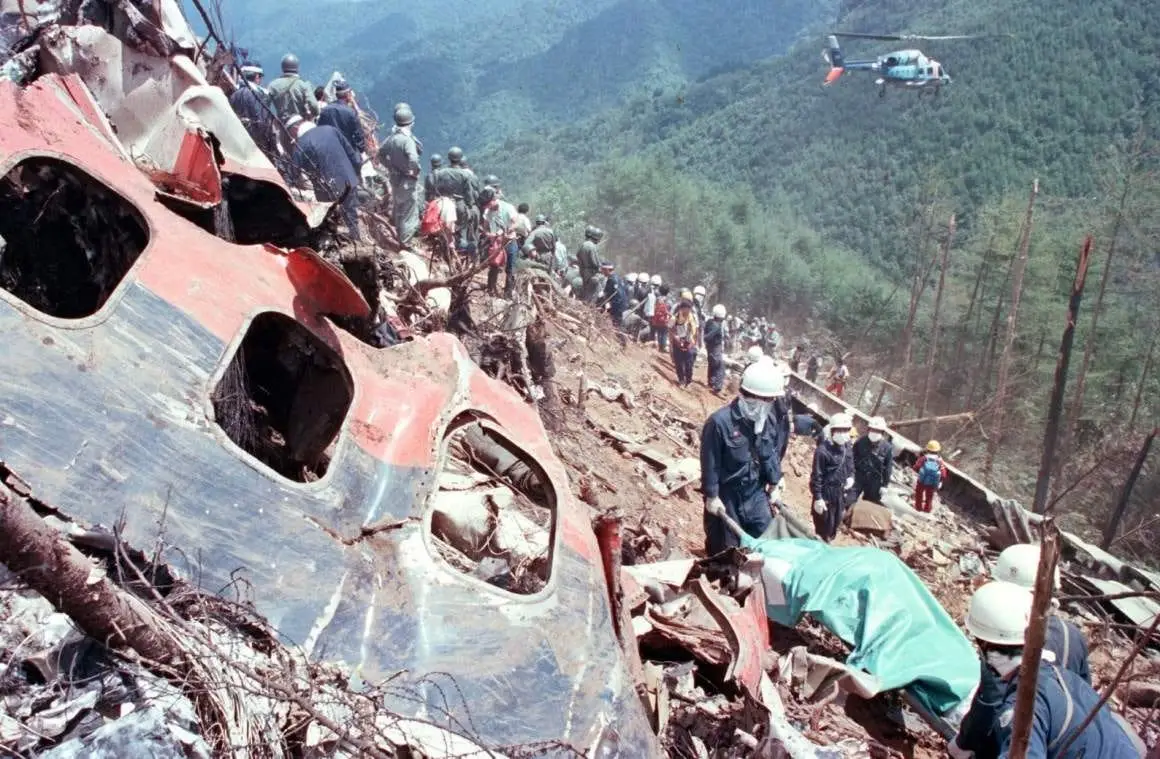
The accident of Japan Airlines Flight 123 is the deadliest in aviation history involving a single aircraft. On August 12, 1985, the Boeing 747SR-46 departed from Tokyo bound for Osaka.
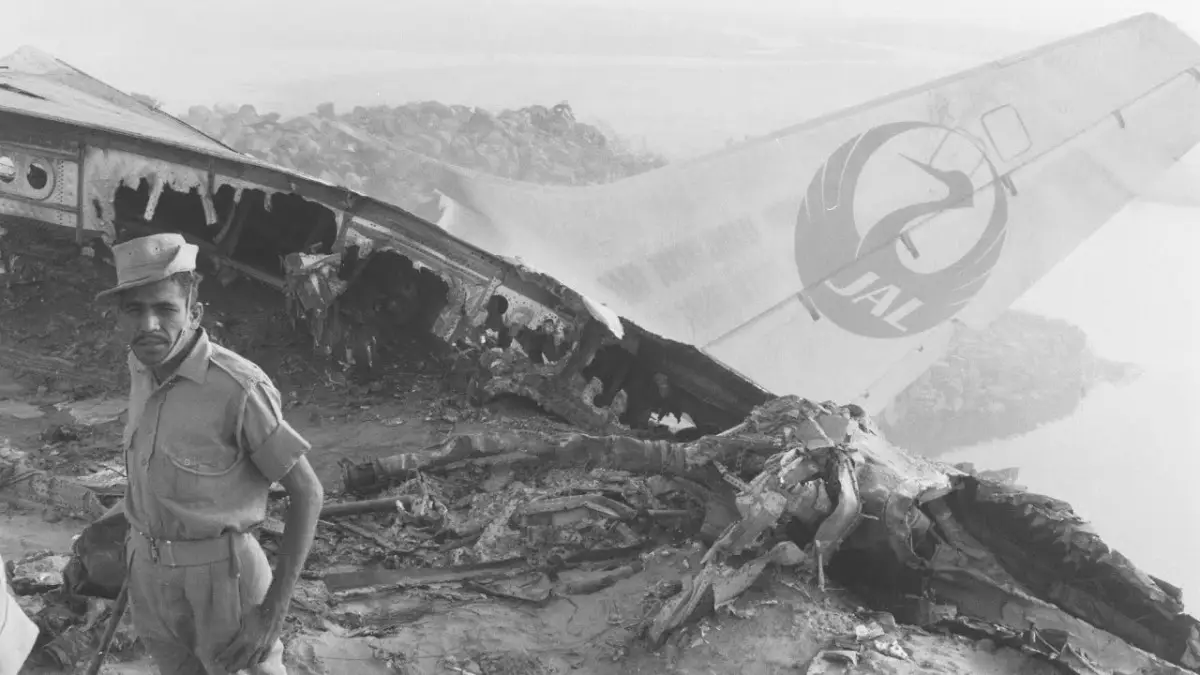
About 12 minutes after takeoff, a catastrophic failure occurred at the rear of the aircraft, where the air pressure exploded the pressurization wall and caused the destruction of the vertical stabilizer. With the loss of directional control, the pilots desperately struggled to stabilize the aircraft.
After 32 minutes of uncontrolled flight, the plane collided with Mount Takamagahara in Gunma. Only four people survived among the 524 on board. The investigation revealed that the accident was caused by a repair failure made seven years earlier. This disaster exposed flaws in the airline's maintenance and inspection system, leading to significant reforms in the industry.
2. All Nippon Airways Flight 58 (1971)
Fatalities: 162
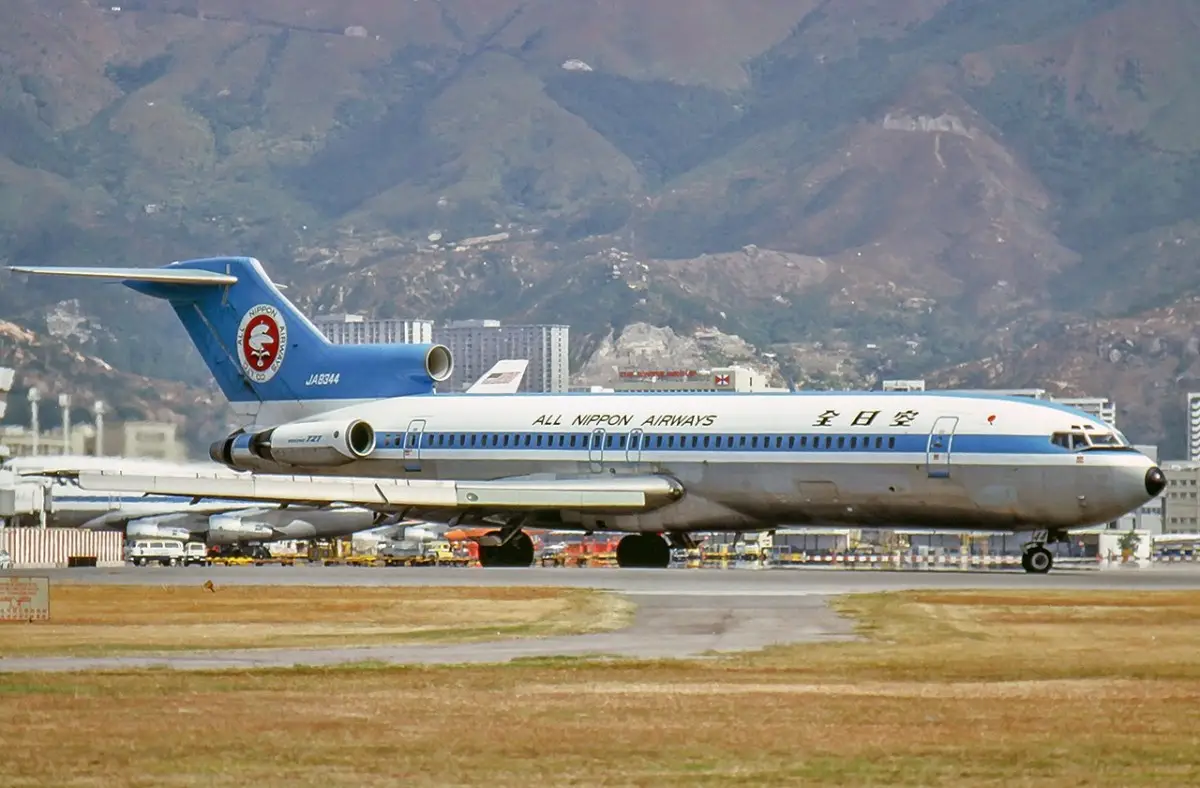
On July 30, 1971, All Nippon Airways Flight 58, a Boeing 727, was en route from Sapporo to Tokyo when it collided in the air with a F-86 Sabre fighter jet from the Japan Air Self-Defense Force.
The fighter pilot was on a training mission and failed to avoid the collision. The impact severed a large part of the commercial aircraft's tail, resulting in its uncontrollable descent in Shizukuishi, Iwate Prefecture. All 162 occupants aboard the Boeing 727 died instantly.
The accident led to increased scrutiny of military training operations in civilian areas and resulted in significant changes to air traffic rules to prevent future tragedies.
3. China Airlines Flight 140 (1994)
Fatalities: 264
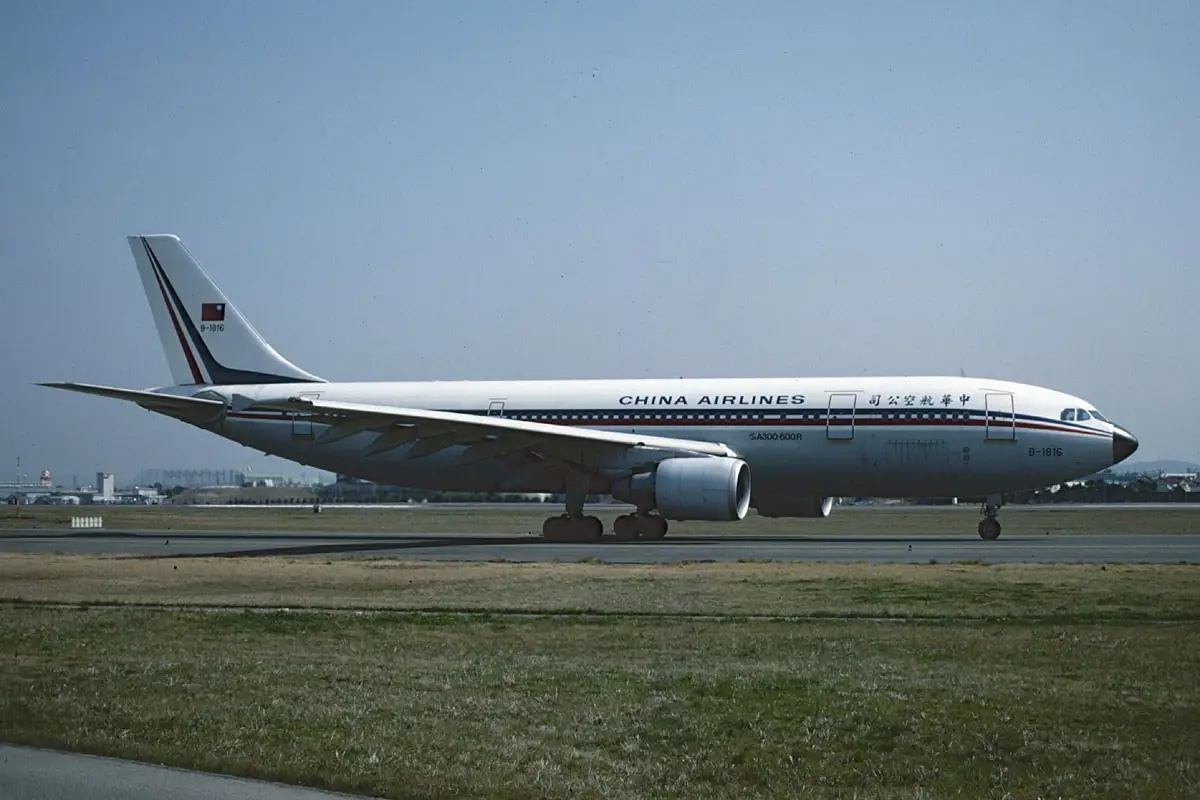
On April 26, 1994, China Airlines Flight 140, an Airbus A300, was approaching Nagoya Airport after a flight from Taipei. During the final approach, the crew made an error by inadvertently activating the climb mode on the autopilot system.
Subsequent attempts to correct the error resulted in the aircraft's nose being raised to an unsustainable angle, leading to a loss of lift and a crash. The aircraft violently struck the ground, resulting in 264 deaths out of the 271 people on board. The accident highlighted the need for better understanding of automatic systems by pilots and led to revisions in training procedures.
4. All Nippon Airways Flight 60 (1966)
Fatalities: 133
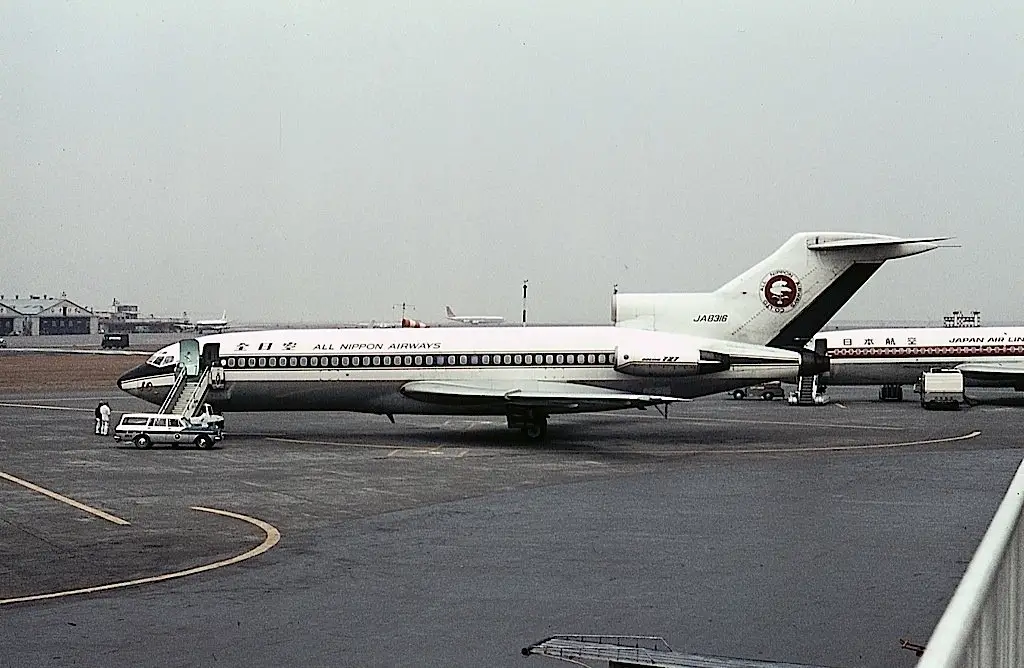
All Nippon Airways Flight 60 was a domestic flight from Sapporo to Tokyo that ended in tragedy on February 4, 1966. During the approach to Haneda Airport, the Boeing 727 crashed into Tokyo Bay, just minutes from the airport. All 133 people on board died.
The exact causes of the accident were never fully clarified, but it is speculated that it may have been due to pilot spatial disorientation in low visibility conditions. This accident marked one of the largest air tragedies in Japan up to that time and brought to light the importance of instrument approach technologies at airports.
5. All Nippon Airways Flight 533 (1966)
Fatalities: 50
On November 13, 1966, All Nippon Airways Flight 533, a NAMC YS-11, crashed during the approach to Matsuyama Airport in bad weather conditions. The aircraft was on a domestic flight when the pilots lost control due to navigation errors and reduced visibility issues.
The aircraft struck the ground, resulting in the deaths of 50 of the 60 people on board. This accident was significant for Japanese aviation as it highlighted the need for improvements in navigation aids and pilot training to operate in adverse weather conditions.
6. Japan Airlines Flight 471 (1972)
Fatalities: 82
Although it occurred outside of Japan, the accident of Japan Airlines Flight 471 on June 14, 1972, had a significant impact on the Japanese airline. The Douglas DC-8-53 was approaching Palam International Airport in New Delhi when the aircraft deviated from its route and crashed to the ground.
The investigation revealed that a navigation failure and inadequate communication between the pilots were the main causes of the accident. Of the 87 people on board, 82 died. This accident led to a review of Japan Airlines' navigation and communication practices, as well as highlighting the importance of clear coordination among crews.
7. Japan Airlines Flight 446 (1982)
Fatalities: 62
On November 28, 1982, Japan Airlines Flight 446, a McDonnell Douglas DC-8, suffered an accident at Soekarno-Hatta International Airport in Jakarta, Indonesia. During takeoff, the aircraft experienced a technical failure that led to the plane's crash.
Of the 68 people on board, 62 died. Although the accident occurred outside Japan, it prompted a thorough analysis of Japan Airlines' maintenance and operational practices, resulting in improvements in operational safety.
8. Garuda Indonesia Flight 865 (1996)
Fatalities: 3
On June 13, 1996, Garuda Indonesia Flight 865, a McDonnell Douglas DC-10-30, was about to take off from Fukuoka Airport in Japan when one of the engines failed. The crew attempted to abort the takeoff, but the aircraft could not stop before the end of the runway and collided with a barrier, resulting in a fire.
Although most passengers survived, three people died in the accident. This event underscored the importance of takeoff abort procedures and the need for quick and effective responses in emergency situations.
9. Air Accident at Haneda Airport (2024)
Fatalities: 5
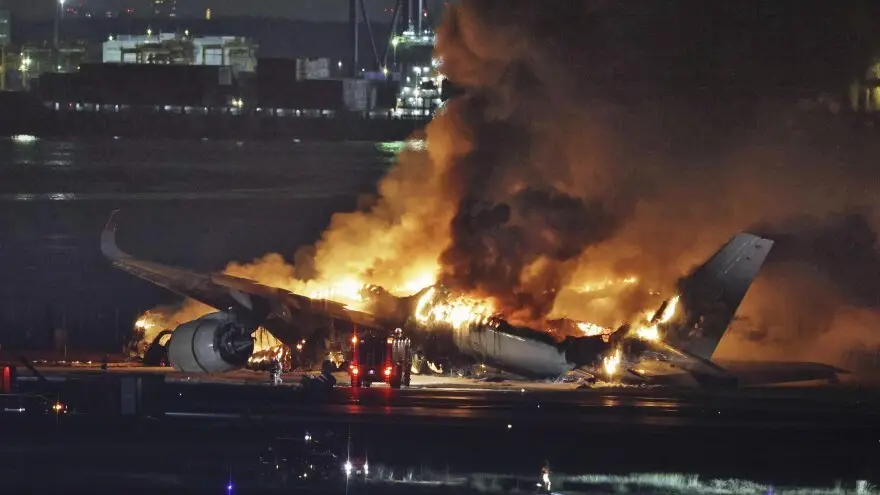
On January 2, 2024, a tragic accident occurred at Haneda Airport in Tokyo involving a commercial aircraft from Japan Airlines (JAL) and a Japan Coast Guard aircraft. JAL Flight 516, an Airbus A350-900, was landing at the airport after taking off from Sapporo when it collided with a De Havilland Canada Dash 8-Q300 aircraft that was on a humanitarian mission following a devastating earthquake that hit western Japan.
The Coast Guard aircraft was en route to Niigata to assist in relief operations for earthquake victims. During the landing process, the JAL aircraft collided with the Dash 8, resulting in an immediate fire that engulfed both planes on the runway. Despite the intense fire, all 367 passengers and 12 crew members aboard the commercial flight managed to evacuate safely, but tragically, five members of the Coast Guard crew lost their lives.
The initial investigation suggests that the crew of the commercial flight did not see the Coast Guard aircraft on the runway before the collision. The incident, captured by security cameras and witnessed by other passengers at the airport, highlighted potential failures in air traffic coordination during emergency operations. This tragic accident underscores the challenges and risks faced during complex and urgent operations, such as disaster relief missions.
Other Accidents with No Fatalities
1. All Nippon Airways Flight 1603 (2001)
- Date: March 18, 2001
- Location: Kochi Airport
- Description: A Bombardier Dash 8 operated by All Nippon Airways suffered a landing gear collapse during landing in adverse weather conditions. All 60 passengers and crew on board managed to evacuate the aircraft without serious injuries.
2. Japan Airlines Flight 715 (2009)
- Date: February 16, 2009
- Location: Kansai International Airport
- Description: A Japan Airlines Boeing 747-400 had a hard landing that caused damage to the fuselage. The crew managed to maintain control of the aircraft, and all 345 passengers and crew on board emerged unscathed.
3. Skymark Airlines Flight 116 (2015)
- Date: January 5, 2015
- Location: Naha Airport, Okinawa
- Description: A Boeing 737-800 experienced a failure in the nose landing gear during landing. The plane skidded down the runway without causing injuries to the 165 passengers and crew on board. The incident was quickly controlled by the airport's emergency teams.
4. All Nippon Airways Flight 731 (2018)
- Date: December 29, 2018
- Location: Narita Airport
- Description: During takeoff, All Nippon Airways' Boeing 787-9 Dreamliner experienced a technical issue that forced the pilot to abort the takeoff. All 230 passengers and crew were evacuated safely after the incident.
5. Peach Aviation Flight 767 (2021)
- Date: August 22, 2021
- Location: Kansai Airport
- Description: An Airbus A320 from Peach Aviation experienced a sudden loss of power in one of the engines shortly after takeoff. The pilot managed to return to the airport and make an emergency landing. All 179 passengers on board were evacuated safely.







Community
Comments
0 comments
There are no published comments in this language yet.
Send comment