
Korean Ginseng, also known as Panax Ginseng, is a medicinal plant used for thousands of years in traditional Asian medicine. Known for its adaptogenic properties, ginseng is highly valued for its beneficial effects on health. In this article, we will explore the main uses and benefits of Korean Ginseng.
Contents 26
What is Korean Ginseng?
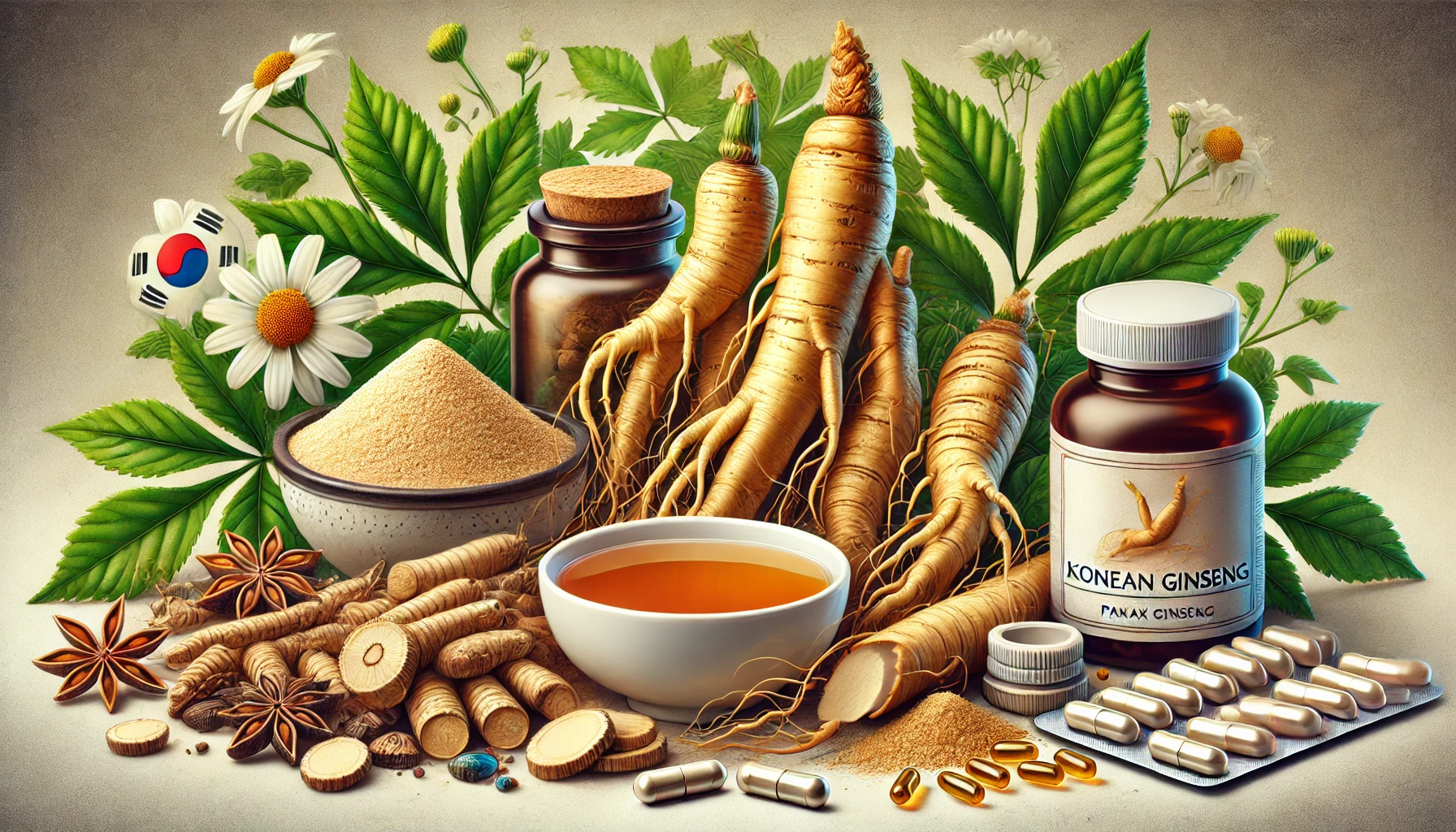
Korean Ginseng is a perennial plant of the Araliaceae family, native to the mountains of Korea and China. The root of ginseng is the most valued part of the plant and is known for its bitter taste and medicinal properties. There are different types of ginseng, but the Korean variety is often considered the most potent and effective.
Main Benefits of Korean Ginseng
1. Improvement of Energy and Reduction of Fatigue
Korean Ginseng is famous for its energizing properties. Studies show that it can help combat fatigue and increase energy levels, making it a popular choice among athletes and people facing chronic tiredness.
2. Strengthening the Immune System
Ginseng contains active compounds known as ginsenosides, which can strengthen the immune system. It helps increase the body's resistance to infections and diseases, promoting a more effective immune response.
3. Improvement of Cognitive Function
Various studies indicate that Korean Ginseng may improve cognitive function, including memory, concentration, and learning ability. It is often used to combat the effects of aging on the brain and to enhance mental performance.
4. Reduction of Stress and Anxiety
As an adaptogen, ginseng helps the body adapt to stress. It can reduce cortisol levels, the stress hormone, and promote a sense of calm and well-being. This makes it useful for people suffering from anxiety and chronic stress.
5. Improvement of Sexual Health
Korean Ginseng is traditionally used as an aphrodisiac. Studies suggest that it may improve sexual function and increase libido in both men and women. In men, it may also help treat erectile dysfunction.
6. Control of Blood Sugar Levels
Research indicates that ginseng may help regulate blood sugar levels, being beneficial for people with type 2 diabetes. It improves insulin sensitivity and promotes better glycemic control.
7. Anti-inflammatory Properties
The ginsenosides present in ginseng have anti-inflammatory properties. They can help reduce inflammation in the body, being useful in the treatment of chronic inflammatory conditions.
How to Consume Korean Ginseng
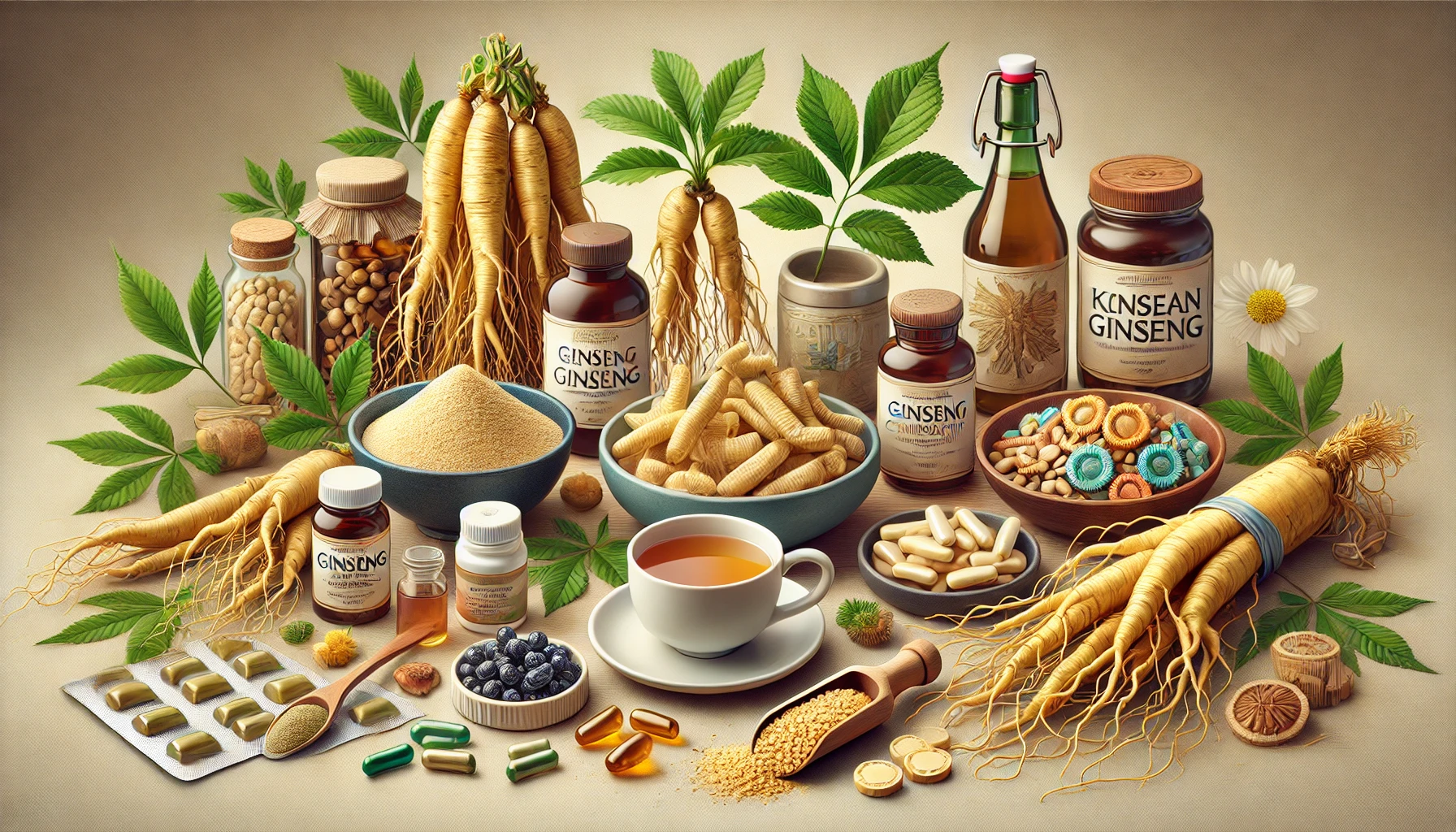
Korean Ginseng can be consumed in various forms, including:
- Ginseng Tea: Prepared with dried or powdered root.
- Supplements: Capsules or tablets containing ginseng extract.
- Fresh or Dried Root: Can be chewed or added to soups and other recipes.
Recommended Dosage
The dosage of ginseng can vary depending on the form of consumption and the treatment goal. Generally, a daily dose of 200 to 400 mg of standardized ginseng extract is recommended, but it is important to follow the manufacturer's guidelines or consult a healthcare professional.
Possible Side Effects and Precautions
Although Korean Ginseng is generally safe for most people, it can cause some side effects, such as insomnia, headache, digestive issues, and changes in blood pressure. Pregnant or breastfeeding women or those with specific health conditions should consult a doctor before using ginseng.
Types of Ginseng
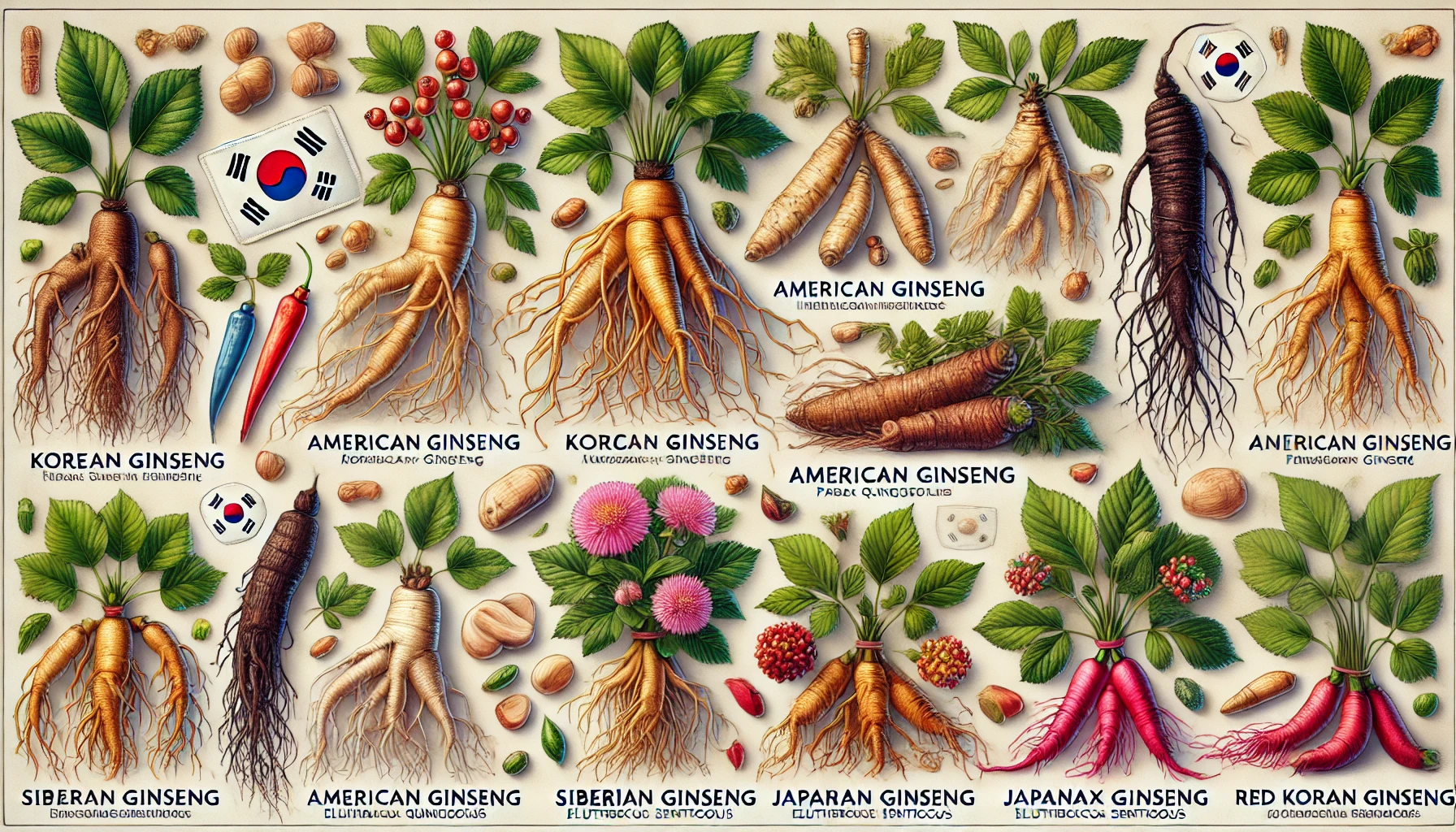
There are different types of ginseng, each with its characteristics and specific uses. Let's explore the main types of ginseng available.
1. Korean Ginseng (Panax Ginseng)
Characteristics:
- Scientific Name: Panax ginseng
- Origin: Korea and northeastern China
- Appearance: Cylindrical roots with branches, light brown to yellow in color.
- Active Compounds: Ginsenosides, known for their adaptogenic properties.
Benefits:
- Increases energy and reduces fatigue.
- Strengthens the immune system.
- Improves cognitive function.
- Reduces stress and anxiety.
- Improves sexual health.
- Helps control blood sugar levels.
- Has anti-inflammatory properties.
2. American Ginseng (Panax Quinquefolius)
Characteristics:
- Scientific Name: Panax quinquefolius
- Origin: North America, especially in the United States and Canada.
- Appearance: Smoother roots and generally shorter than Korean ginseng, with a lighter color.
- Active Compounds: Ginsenosides, with a different profile than Korean ginseng, offering more calming effects.
Benefits:
- Promotes relaxation and relieves stress.
- Supports immune function.
- Improves digestion and respiratory function.
- Helps regulate blood sugar levels.
3. Siberian Ginseng (Eleutherococcus Senticosus)
Characteristics:
- Scientific Name: Eleutherococcus senticosus
- Origin: Russia and China.
- Appearance: Different from Panax ginsengs, with thinner and less branched roots.
- Active Compounds: Eleutherosides, instead of ginsenosides, offering unique adaptogenic properties.
Benefits:
- Increases physical and mental endurance.
- Helps combat fatigue.
- Improves immune function.
- Reduces stress.
4. Japanese Ginseng (Panax Japonicus)
Characteristics:
- Scientific Name: Panax japonicus
- Origin: Japan.
- Appearance: Similar to Korean ginseng, but with some specific botanical differences.
- Active Compounds: Ginsenosides, similar to those in Korean ginseng.
Benefits:
- Improves blood circulation.
- Supports cardiovascular health.
- Promotes longevity and overall well-being.
5. Korean Red Ginseng
Characteristics:
- Scientific Name: Panax ginseng (processed)
- Origin: Korea.
- Appearance: Korean ginseng roots that have been steamed and dried, resulting in a red color.
- Active Compounds: Ginsenosides, potentially in higher concentrations due to processing.
Benefits:
- Increases vitality and energy.
- Improves immune function.
- Potent adaptogen, helping to balance the body in times of stress.
- Believed to have anti-aging properties.
Forms of Consumption of Panax Ginseng
1. Fresh or Dried Root
The fresh or dried ginseng root can be chewed directly or used in soups and other culinary recipes. This traditional form is popular in Asia.
2. Ginseng Tea
Ginseng tea is prepared with dried or powdered root. It is a simple and popular way to consume ginseng, enjoying its benefits in a hot drink.
3. Capsules and Tablets
Ginseng supplements in capsules or tablets are a convenient form of consumption, especially for those who do not like the bitter taste of the root.
4. Liquid Extract
The liquid extract of ginseng is concentrated and can be added to drinks or taken directly. This form is effective for those seeking a quick and potent dose of ginseng.
5. Ginseng Powder
Ginseng powder can be added to smoothies, juices, yogurts, or foods. This versatile form allows ginseng to be easily incorporated into the daily diet.
6. Ginseng in Candies or Gummies
Some people prefer to consume ginseng in more flavorful forms, such as candies or gummies, which are convenient and pleasant to consume.
7. Tonics and Energy Drinks
Tonics and energy drinks with ginseng are popular for their stimulating and revitalizing effects. They are often consumed by athletes and people who need a quick energy boost.





Community
Comments
0 comments
There are no published comments in this language yet.
Send comment