
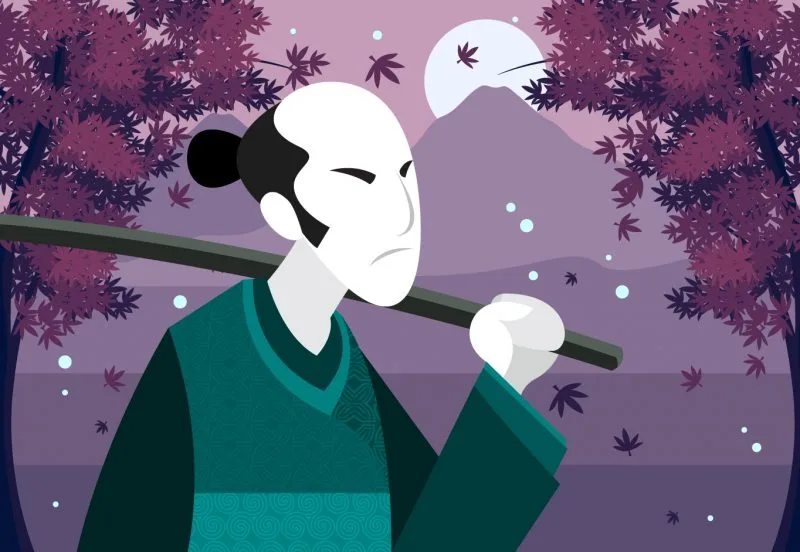
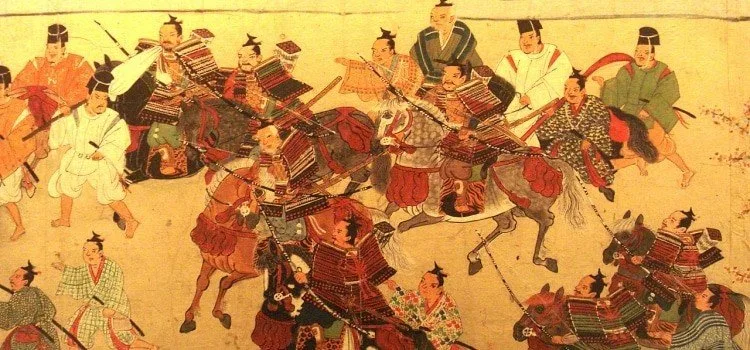
Samurai are widely recognized as the most iconic warriors in Japanese history. They emerged during Japan's feudal period in response to the constant internal battles within the country, many of which stemmed from territorial disputes among feudal lords. Due to the need to protect their lands, the feudal lords (known as daimyo) and the shogunate itself began to rely on the assistance of samurai.
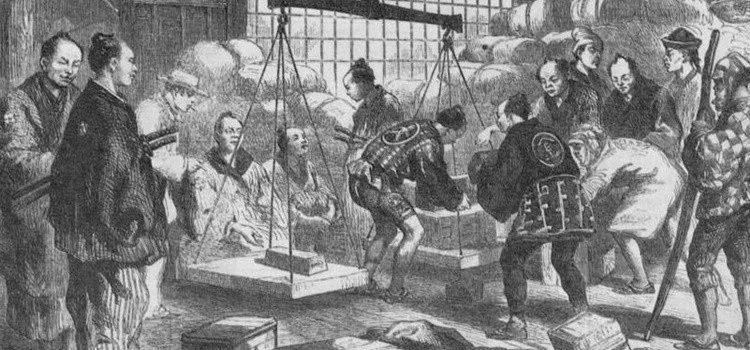
Although they are often portrayed as honorable and fearless warriors, their main function was to protect the interests of the aristocracy and the daimyo, as well as to collect taxes. The code that guided their actions was the bushido, or "way of the warrior," which emphasized values such as loyalty, self-discipline, respect, and ethics. Many samurai also adhered to the teachings of Zen Buddhism, seeking balance and serenity in their lives.
The peak of the samurai class occurred during the Edo period (1603-1868), when they solidified their status as the military and social elite of Japan. Armed with swords, bows, and arrows, they became enduring symbols of Japanese culture and tradition.
Contents 13
Curiosities about the samurai
Despite the stereotypical image that many films and stories present, samurai were a complex class, with many lesser-known aspects. Below, we explore ten curious facts about these warriors:
1. Not all on the battlefield were elite
Although samurai are generally seen as members of the elite, a daimyo's army also included peasant infantry. Many soldiers were, in fact, ashigaru, peasants who joined the military forces of the daimyo. These warriors, although less prestigious, played a crucial role in battles, especially during times of war; some rose in rank, but ashigaru and samurai remained distinct categories.
2. Christian samurai
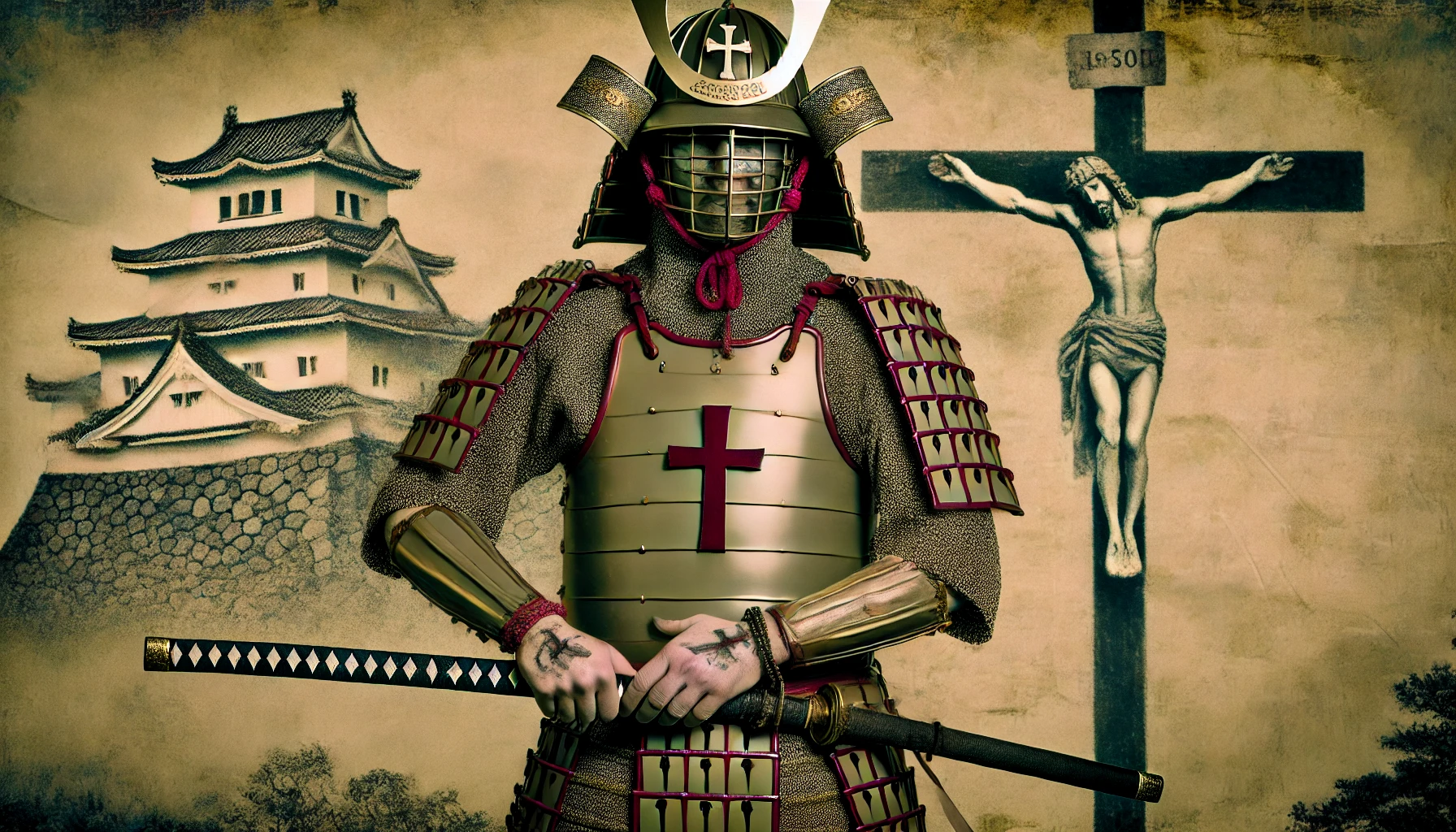
With the arrival of Jesuit missionaries in Japan, some daimyo converted to Christianity, seeking access to European military technology. Arima Harunobu, for example, used European cannons in his battles. Another Christian daimyo, Dom Justo Takayama (Takayama Ukon), chose exile rather than renounce his faith when Japan began to persecute Christians.
3. Retreat strategy
Although the samurai code of honor emphasized fighting to the death, strategies such as tactical retreat were used to lure enemies into traps. A notable example was the Shimazu clan, which used firearms and the tactic of false retreat to surprise their enemies in ambushes, as at Mimigawa in 1578.
4. Names for swords
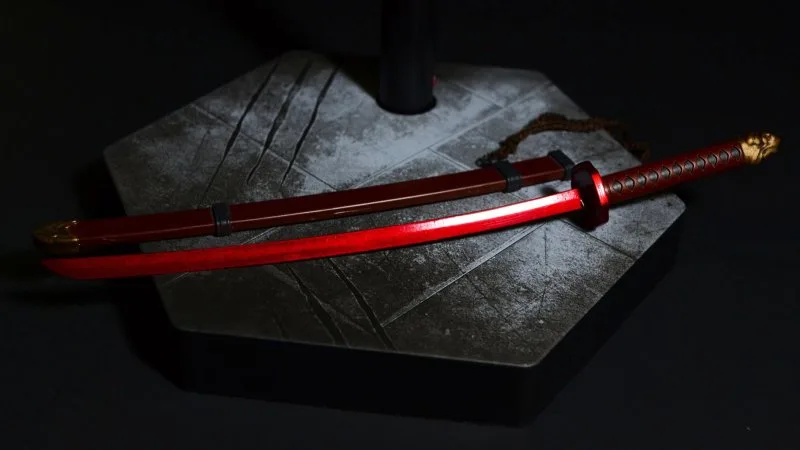
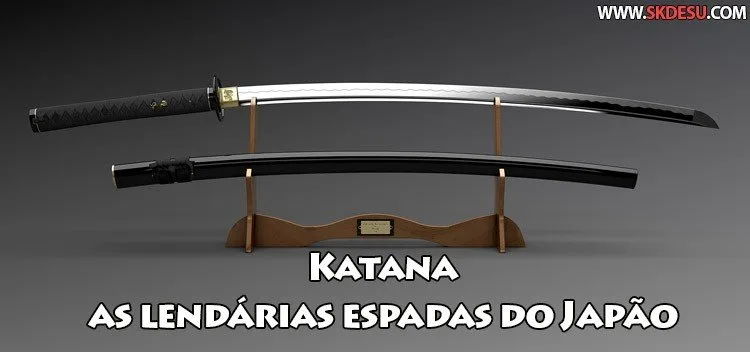
Samurai believed that their swords possessed spirits, and therefore, they gave them names. The sword chokuto was one of the oldest, with a straight blade, but the katana eventually became the most famous. In addition to swords, samurai also used bows, arrows, and later, firearms.
5. Samurai pirates
From the 13th to the 16th century, pirates known as wakō (倭寇, often called wokou in English) raided the coasts of China and Korea. The groups mixed sailors, traders, and Japanese warriors; in later phases, Koreans and Chinese joined as well. Some of these men were masterless samurai, later called ronin, who took part in raids when coastal control failed.
6. Female samurai
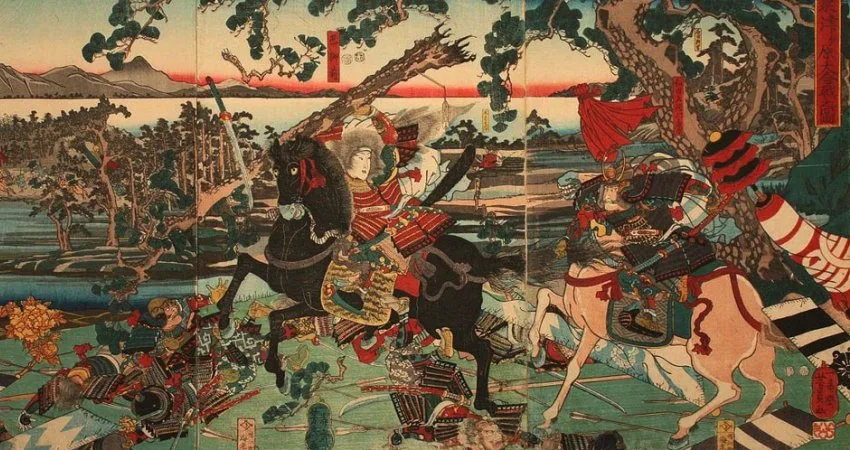
Although most samurai were men, women also played important roles. Known as onna-bugeisha, these warrior women were trained in martial arts and fought alongside men in times of need. Despite their significance, they are often little mentioned in historical records; Tomoe Gozen is the name that most clearly survives in the chronicles of the Genpei War.
7. Display of severed heads
As part of samurai tradition, displaying the heads of defeated enemies was proof of duty fulfilled. These heads were shown to the daimyo and then displayed with the name of the victim and their killer, symbolizing the warrior's honor.
8. Education beyond war
Samurai trained as warriors and as scholars. In the Edo period, the ideal of bunbu ryōdō (martial and literary arts) asked them to practice disciplines such as calligraphy, poetry, painting, and Confucian classics. That literary training accompanied weapons drill when Tokugawa peace turned many samurai into administrators.
9. Functional armor
The armor of samurai was designed to offer mobility and protection. Unlike the heavy armor of Europe, samurai armor, in lacquered and chained plates, allowed for greater agility without compromising durability. This efficiency is an example of how Japanese technology prioritized functionality in the field.
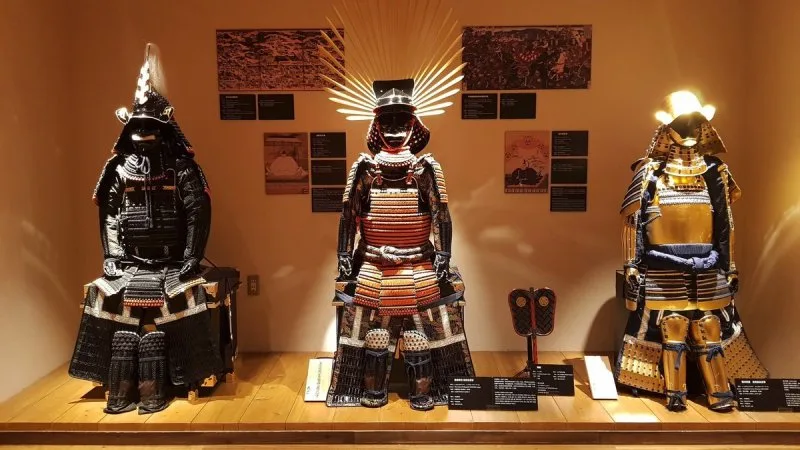
10. Scary masks
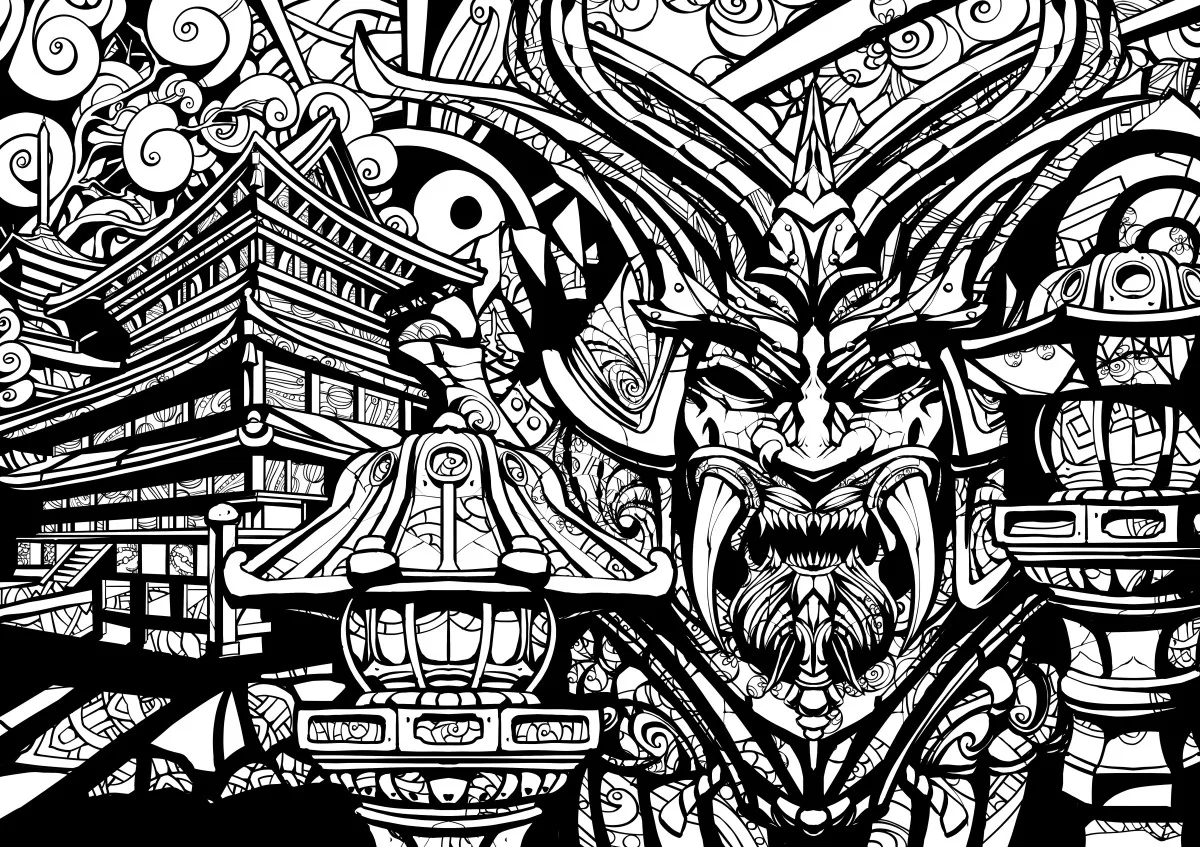
In addition to protecting the faces of warriors, the menpō masks worn by samurai were designed to intimidate their enemies. They often featured terrifying expressions, inspiring fear on the battlefield. These masks and the kabuto helmet even influenced the visual design of iconic characters, such as Darth Vader.
The samurai code of honor
The samurai code of honor was more than just a guideline for battle. It guided all aspects of these warriors' lives. One of the most striking rituals was the forging of swords, performed in a sacred manner, with a dedication that reflected the importance of the sword to the samurai. Furthermore, the desire for an honorable death was something deeply rooted in samurai culture. In combat, warriors were trained to always face the enemy head-on, even when fatally wounded.
Conclusion
Samurai left a visible legacy in modern culture, from the armor to the cinema. The ten points above add the daily work that the stage often leaves out: collecting tax, falling back to ambush, forging the sword with ritual, and practicing calligraphy. Honor sat beside hierarchy, tactics, and documented exceptions.


Community
Comments
0 comments
There are no published comments in this language yet.
Send comment