
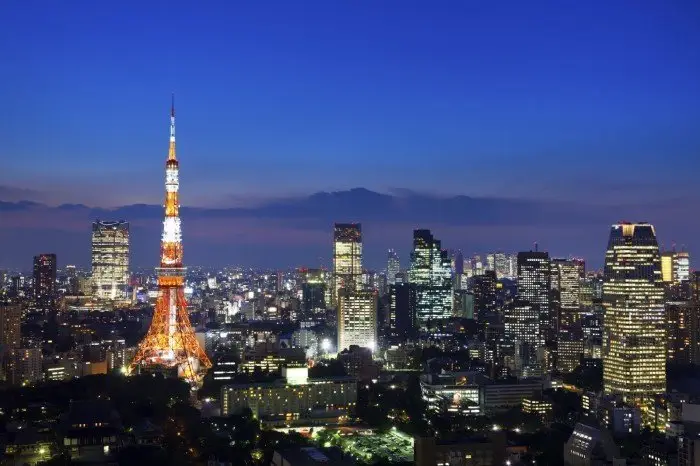
Tokyo always has something going on, but the rhythm of the city changes a lot from month to month. Some travelers come for plum blossoms and temple visits, while others wait for cherry blossoms, fireworks, neighborhood matsuri, or the winter illuminations that take over the city at the end of the year.
This guide helps you understand the shape of the year before you book anything. Exact dates can move every year, especially for festivals, exhibitions, and large public events, so it is always worth confirming the current schedule close to your trip.
Contents 37
January
New Year traditions and the Imperial Palace greeting
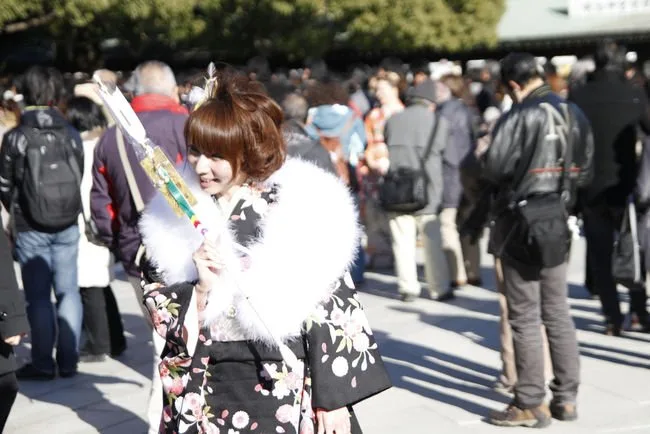
Tokyo starts the year with New Year traditions in Japan, shrine visits, and a noticeably calmer atmosphere during the first days of the month. One of the best-known public events is the Emperor's New Year Greeting on January 2, when visitors gather at the Imperial Palace for one of the rare public appearances of the Imperial Family.
Tokyo Auto Salon and the January sumo tournament
Car culture fans usually watch early January for Tokyo Auto Salon at Makuhari Messe, while sports fans keep an eye on the January Grand Sumo Tournament at Ryogoku Kokugikan. Even without tickets, the Ryogoku area is a good place to feel the sumo atmosphere during the tournament period.
February
Setsubun and plum blossom season
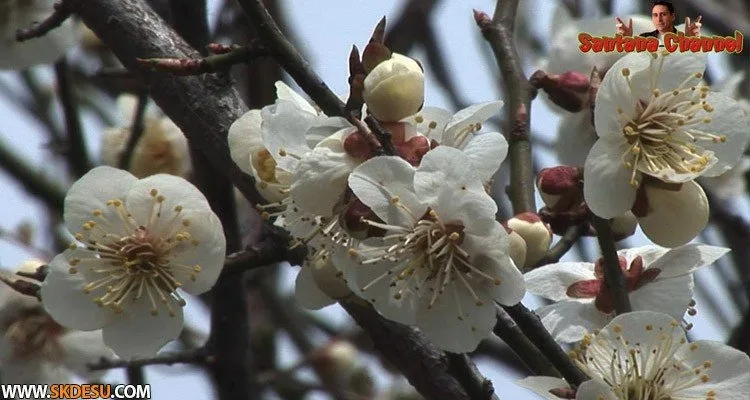
February is quieter than peak spring or summer, but it is rewarding for people who prefer seasonal traditions over huge crowds. Setsubun ceremonies appear at temples and shrines, and plum blossoms start bringing color back to parks and historic gardens across Tokyo.
A good month for winter scenery and shorter lines
If you want a trip with crisp weather, fewer queues, and a more local pace, February works surprisingly well. It is also a good time to enjoy neighborhoods, museums, and seasonal food before the rush of cherry blossom travel begins.
March
Tokyo Marathon
One of the city's biggest annual sporting events is the Tokyo Marathon, usually held in early March. The race cuts through central Tokyo and draws runners and spectators from around the world, so it is a date worth noting even if you only plan to cheer from the sidelines.
Early spring and the start of sakura season
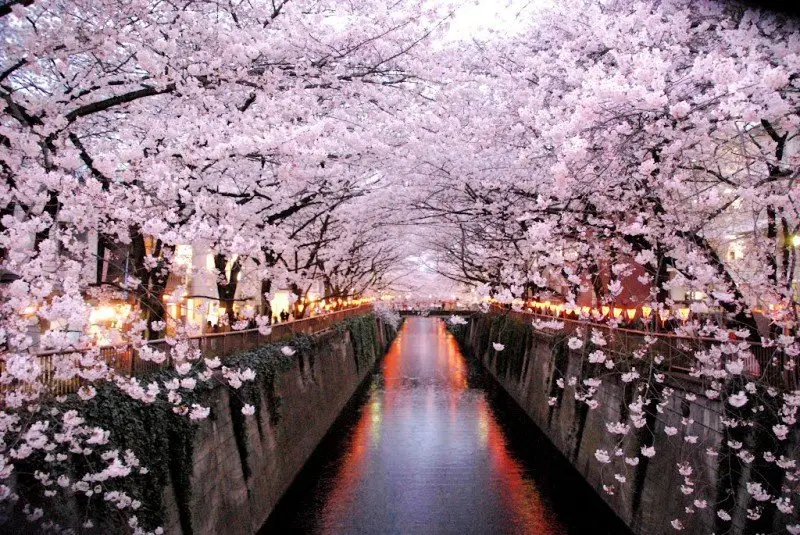
By the second half of March, many visitors are already watching the first cherry blossom forecasts. Depending on the year, the earliest blooms begin to appear at the end of the month, making this a bridge between winter city trips and full spring sightseeing. If that is your focus, our guide to hanami in Japan helps set expectations.
April
Peak spring atmosphere
April is one of the most pleasant times to be in Tokyo. In years when the blossoms linger into the first week, parks and riversides stay busy with hanami. After that, spring gardens, temple grounds, and neighborhood events keep the city lively without the same pressure as the sakura peak.
Outdoor events, flowers, and comfortable weather
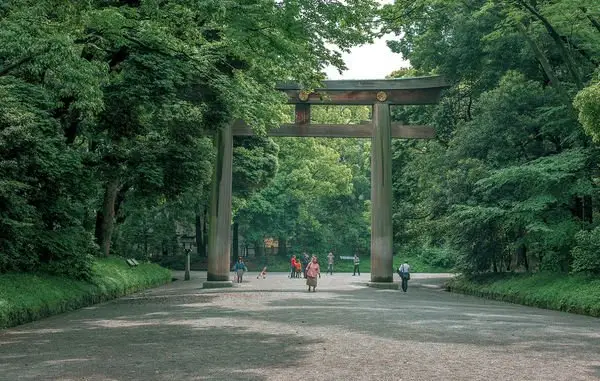
This is also a comfortable month for travelers who want long walking days. You get mild weather, seasonal flowers, and a city that feels active from morning to night, whether you are exploring Ueno, Shinjuku Gyoen, Yanaka, or the shrine districts around Asakusa and Meiji Jingu.
May
Sanja Matsuri in Asakusa
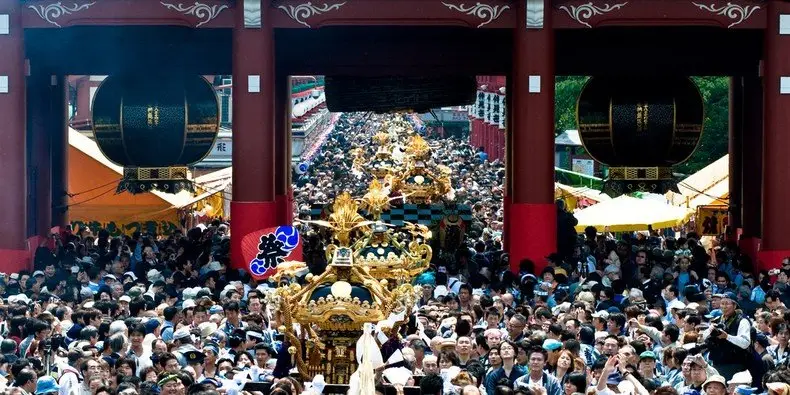
May is one of the strongest months for traditional festivals in Tokyo, and the headline event for many travelers is Sanja Matsuri in Asakusa. It is loud, crowded, energetic, and one of the best chances to see the old downtown spirit of Tokyo come alive through mikoshi processions, local celebrations, and street food.
Golden Week atmosphere and late-spring outings
Early May also overlaps with Golden Week, so parks, shopping districts, and famous attractions can feel especially busy. The upside is that the whole city has an outdoors mood, with families, seasonal displays, and plenty of day-trip energy.
June
Sanno Matsuri and early summer traditions
June brings the rainy season, but it is still an important month in Tokyo's event calendar. Sanno Matsuri, one of the capital's major festivals, is a highlight, especially in years when the large procession takes place. It is one of those events that makes modern Tokyo suddenly feel connected to old Edo.
Hydrangeas, beer gardens, and slower sightseeing days
Rain does not erase the city's appeal in June. It changes it. Hydrangeas start looking their best, beer gardens reopen, and indoor sightseeing becomes easier because crowds are generally lighter than in peak cherry blossom or summer fireworks season. If you are planning around weather, our article on Japan's seasons and climate can help.
July
Sumida River Fireworks Festival
Late July belongs to fireworks. The Sumida River Fireworks Festival is still one of the most famous summer events in Tokyo, drawing enormous crowds to the Asakusa side of the city for a classic riverside night of hanabi. It is beautiful, but it also demands planning, patience, and an early arrival.
Temple festivals and summer evenings
July is also full of neighborhood celebrations, Tanabata decorations, and evening events that feel more intimate than the giant fireworks shows. The city becomes hot and humid, but the atmosphere is unmistakably festive once the lanterns, food stalls, and summer yukata start appearing.
August
Asakusa Samba Carnival and big summer crowds
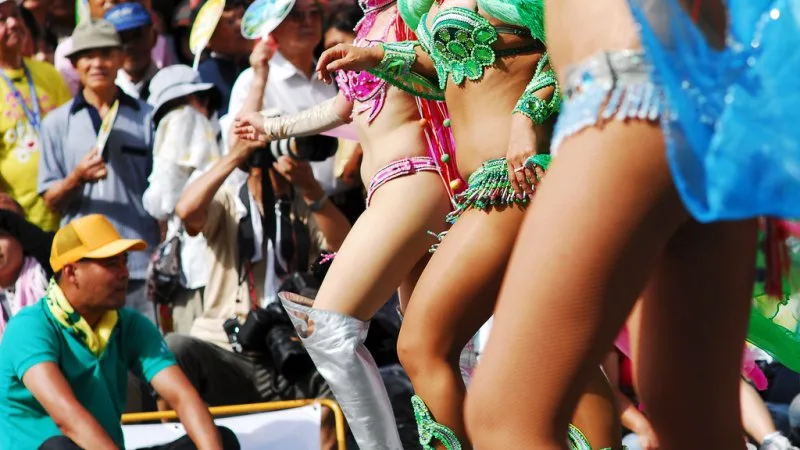
August mixes traditional Japanese summer with events that only make sense in a city as layered as Tokyo. The Asakusa Samba Carnival is the clearest example: a huge, colorful parade that turns one of the city's most historic districts into an unexpected celebration of Brazilian rhythm and costume.
Fireworks, dance festivals, and hot nights
This is also a classic month for major fireworks shows, dance festivals, and open-air nights that stretch late into the evening. If you handle heat well, August can be one of the most memorable months in Tokyo. If you do not, build in rest time and indoor stops.
September
Late-summer events and the autumn sumo tournament
September often feels like a transition month. The strongest heat begins to ease, but the city still has plenty of late-summer energy. Sports fans look to the September Grand Sumo Tournament in Tokyo, while travelers who prefer fewer crowds often find this month more comfortable than July or August.
A practical month for city trips
It is also a useful time for museum visits, shopping districts, and food-focused travel. Tokyo feels active without being as intense as peak spring or the biggest holiday windows.
October
Culture season in the capital
October is one of the easiest months to recommend to almost anyone. The weather is usually pleasant, walking is comfortable, and cultural events pick up again after the height of summer. Film, design, art, and neighborhood festivals all tend to find more space in the calendar around this time.
Autumn light without winter cold
If your ideal Tokyo trip means long days outside without summer humidity or winter chill, October is hard to beat. It is an excellent month for combining major districts with parks, shrines, and side neighborhoods.
November
Tori-no-Ichi fairs and autumn leaves
November brings one of Tokyo's most distinctive seasonal traditions: the Tori-no-Ichi fairs, where people pray for luck and prosperity and shop for decorated kumade rakes. At the same time, autumn colors begin to spread through gardens and temple grounds, giving the city a very different look from spring.
Start of illumination season
This is also when winter lights begin appearing in many districts. Tokyo can feel elegant in November, especially in the evening, when older festival traditions and modern city lighting start sharing the same streets.
December
Illuminations, shopping, and year-end rituals
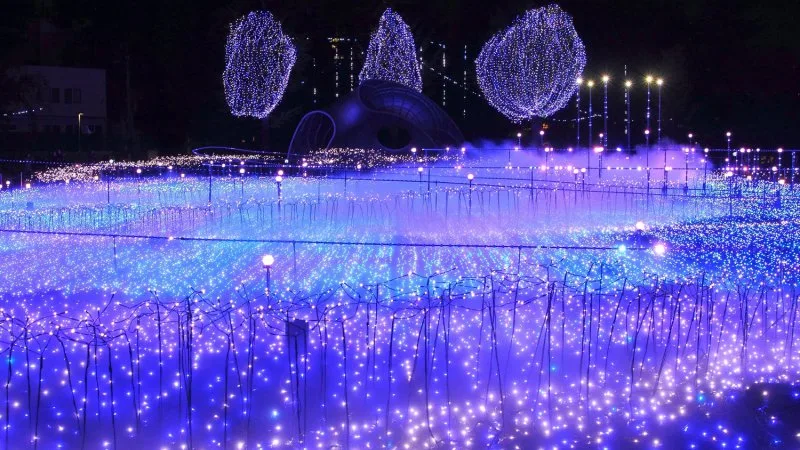
December is one of the most visually striking months in Tokyo thanks to the illuminations in areas such as Roppongi and Marunouchi. Add winter markets, department store displays, and seasonal food, and the city becomes very easy to enjoy at night.
New Year's Eve atmosphere
By the final days of the month, attention shifts toward the year-end rhythm of Japan. Some travelers want countdown events, while others prefer the quieter side of the season, listening for temple bells and preparing for the first shrine visit of the new year. Either way, December closes Tokyo's calendar with a strong sense of occasion.
Best time to visit Tokyo for events
If you want traditional festivals, May, June, and the heart of summer are usually the most dramatic. If you care more about scenery and comfortable weather, late March through April and then October through November are easier picks. For fireworks, aim for late July and August. For winter lights and a more romantic urban atmosphere, November and December work very well.
The best month really depends on what kind of Tokyo you want to see. The city never stops, but each season changes its mood completely.

Community
Comments
0 comments
There are no published comments in this language yet.
Send comment