

Do you know what kokoro [心] means? It is a very simple word in the Japanese language that literally means heart. What few people know is that this ideogram [心] and the word heart in Japanese is much deeper than one might imagine. In this article, we will try to understand all the meanings and uses of the word kokoro.
The ideogram for kokoro [心] does not only mean heart, but it also means mind and spirit. It also serves as an enigma and meaning, in addition to being a radical for many other Japanese ideograms. There is also a variant of the kanji for heart, which is [忄].
Contents 5

The deep meaning of kokoro
The ideogram that originated from Chinese [心] depicted the actual organ of the heart in China. The ideogram gained this series of meanings (mind, soul, spirit) because the Chinese believed that psychological functions, feelings, and intentions came from the heart. For this reason, kokoro refers to all human activities that affect the external world through intention, emotion, and intellect.
For the Japanese, heart, mind, spirit, and soul are indivisible elements from one another. The big problem in trying to translate the word kokoro into Portuguese is that we make divisions that simply do not exist in Japanese. Try to keep in mind that these meanings are just one in the Japanese language.
Kokoro is often discussed in various fields by writers, artists, fighters, mystics, scientists, programmers, financiers, and in all other academic areas in Japan. A kendo sensei stated that it is an obligation for every kendo fighter to know the meaning and essence of kokoro, which is also linked to mental, emotional, and physical strength.
Of course, there are other Japanese words to refer to mind, spirit, and soul. However, kokoro can be used to express these meanings according to the situation. Someone who says their kokoro is dirty means that their mind is polluted, or that they are a selfish person. When your heart dances, you are excited; when your heart changes, you are changing your thoughts; this is the idea of kokoro.
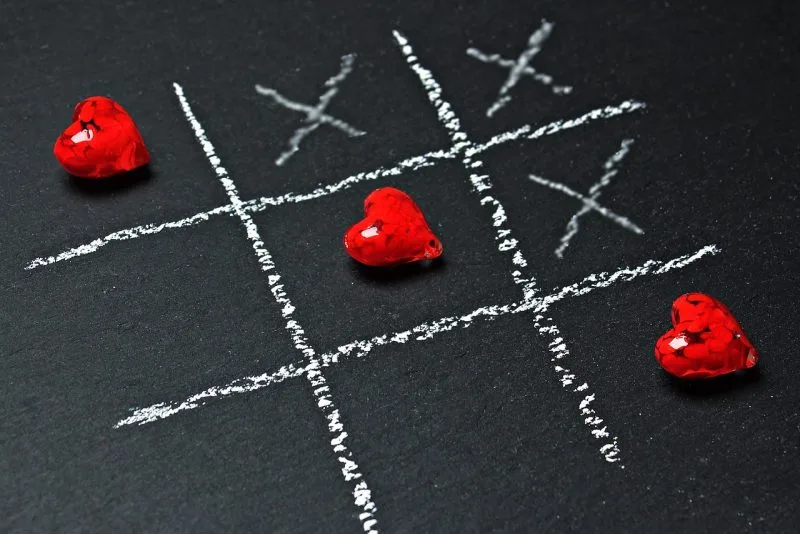
The heart, mind, and spirit of kokoro [心]
The Chinese reading of the ideogram [心] is usually shin and can be found in various other words related to heart, mind, and spirit. There is also another Japanese word that has the same three meanings (mind, spirit, heart), which is the well-known ki [気], which conveys the idea of an energetic word.
We use ki [気] to ask how a person is, if they are feeling well, to talk about feelings, and even things related to physical and spiritual energy. The ideogram ki [気] is more commonly used in words that involve nature, disposition, mood, intentions, motivation, and environment.
Meanwhile, the ideogram for kokoro [心] is present in words like mentality, psychology, state of mind, mental state, diseases involving the heart, anxiety, and many others. In addition to numerous ideograms that use the radical for heart and have meanings that slightly resemble kokoro.
Below we will see some alternative words and synonyms that can mean mind, soul, and spirit:
Responsive Table: Scroll the table sideways with your finger >>
| Portuguese | Japanese | Romaji |
| Soul and spirit | 魂 | tamashi |
| Soul, spirit | 霊魂 | reikon |
| Soul; spirit; ghost | 霊 | rei |
| Spirit; nymph; energy; vigor; semen | 精 | sei |
| Holy Spirit | 聖霊 | seirei |
| Brain; mind | 脳 | nou |
| Head; mind | 頭 | atama |
Do the Japanese follow the heart or the mind?
Since kokoro can refer to both emotions and logic and reason, it is difficult to understand Western expressions like follow your heart. Such an encompassing word shows how the Japanese think and differentiate their feelings from their mind.
It all makes sense, since the literal heart has no relation to our feelings and desires, the Japanese manage to maintain the balance of these things; they do not differentiate the heart from the mind, allowing them to be rational and sentimental at the same time.
The word kokoro helps the Japanese understand both the heart and the mind, spirit, soul, psyche, and consciousness. There is even a Japanese expression that explores this doubt between their thoughts. They often ask themselves:
- 心の準備はできていますか?
- Kokoro no jubi wa dekiteimasu ka?
- Is your heart prepared?
- Are you mentally ready?
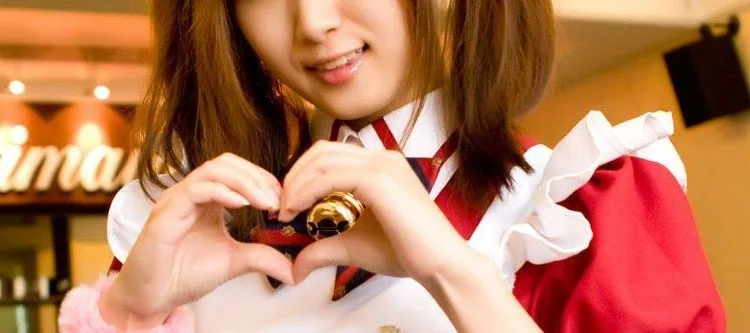
Words that use the radical of kokoro [心]
If you still do not know what a radical is, to summarize, it is simply a piece of a Japanese ideogram. More complex ideograms often contain various other ideograms within them. If you want to know more, read our article on radicals. Notice below how ideograms with the radical of [心] have similar readings:
Note: Be careful not to think that these kanji mean all of this; sometimes it is just a representation of other complete words that use this ideogram.
Responsive Table: Scroll the table sideways with your finger >>
| Portuguese | Japanese | Romaji |
| Definition, Inevitable, certain, invariably | 必 | hitsu |
| Love, passion | 恋 | koi |
| intention, will, kindness, objective | 志 | kokorozashi |
| wick, pith, clip, lead | 芯 | shin |
| To penetrate, to immerse | 沁 | shin; shi |
| Shame; dishonor; disgrace; embarrassment | 恥 | haji |
| To think; to believe; to consider; to remember | 思 | shi; omo.u |

Other ways to say heart in Japanese
The word kokoro is often more figurative. There are other ways to refer to the literal heart as well as the figurative heart, as well as the mind, spirit, and soul. Let's leave a list of related words below:
Responsive Table: Scroll the table sideways with your finger >>
| Portuguese | Japanese | Romaji |
| Heart (organ, anatomical) | 心臓 | shinzou |
| Mind; spirit; soul; heart | 精神 | seishin |
| Center of the heart; middle of the heart | 中心 | chuushin |
| Heart from the English heart | ハート | haato |
| Nucleus; heart (of matter) | 核心 | kakushin |
| Spirit; heart; disposition | 意気 | iki |
| Feelings | 気持ち | kimochi |
| Most intimate feelings, disposition, heart | 心根 | kokorone |
| Chest, breasts, heart | 胸 | mune |
| Psychology (lit: study of the logic of the heart) | 心理学 | shinrigaku |
Note the word chest in Japanese; it is often used to refer to feelings related to the heart. Just like when we say that our chest hurts referring to the heart. Although we have different languages and cultures, some things never change. I hope you enjoyed the article; if you did, share it and leave your comments.




Community
Comments
0 comments
There are no published comments in this language yet.
Send comment