
The cost of living in Japan is not cheap, but it is also not a simple story of “everything is expensive.” What really changes the answer is where you live, how much you pay in rent, what kind of salary you earn, and whether you keep converting every price back to your home currency.
For most people, the real pressure is not a bowl of ramen or a train ticket. It is housing, setup costs, taxes, social insurance, and the difference between living in central Tokyo and living in a smaller city. Once you judge the budget in yen and compare it with local wages, Japan often looks more balanced than first impressions suggest.
Contents 6
How expensive is daily life in Japan?
Japan's official household data shows why the answer depends on household size. According to the Statistics Bureau's 2025 yearly average, two-or-more-person households spent ¥314,001 per month on average, while workers' households had an average monthly income of ¥653,901 and monthly consumption expenditures of ¥346,297.
For people living alone, practical guides based on Japanese survey data put the national average closer to ¥184,000 per month. The same breakdown shows clear regional gaps: the Kanto region is the most expensive for one-person households at about ¥197,900, while parts of Hokuriku and Tokai sit much lower at around ¥157,400. In other words, “Japan” is too broad a label if your real question is whether you can afford Tokyo, Osaka, Fukuoka, or a smaller regional city.
What usually costs more than newcomers expect?
Rent is usually the number that changes the whole discussion. A modest life in Japan can still work if housing is under control, but an apartment in a major city quickly pushes the budget up. If you want a broader look at layouts, rental logic and the difference between owning and renting, this guide to houses in Japan helps frame the tradeoffs.
Food is the second surprise, especially for people who focus on fruit, imported products, or convenience-heavy shopping. Japan is full of affordable lunches, supermarket discounts, and seasonal produce, but premium fruit, imported cheese, and daily convenience-store habits can quietly raise the bill. That is why a country can feel expensive in some aisles and perfectly reasonable in others.
Taxes and social deductions also catch many newcomers off guard. Gross salary is not the same as disposable income, and the difference matters a lot when you compare Japan with your home country. If you want to estimate that gap more concretely, the site's Japan tax calculator is a better starting point than doing mental math from headline wages alone.

What is often cheaper or easier than people assume?
Public transport is one of the biggest reasons some residents feel that Japan is expensive but still efficient. You may pay meaningful rent, yet daily life often runs with less friction: trains are predictable, many errands can be done on foot, and car ownership is not essential in the largest urban areas. Daily meals can also stay under control if you rely more on supermarkets, lunch sets and neighborhood spots than on imported goods or nightlife.
Small household purchases can be gentler than expected too. Stores like the famous 100-yen shops make it easier to equip a kitchen or replace everyday items without turning each purchase into a major expense. Even when prices rise, the difference between a careful routine and an impulsive one is huge in Japan.
Does Japan feel expensive compared with the United States or other countries?
If you compare Japan with the United States, the picture becomes more nuanced. Livingcost's June 21, 2026 comparison places the average cost of living for one person at $1,109 in Japan versus $2,522 in the United States. The same comparison also shows average monthly after-tax salary at $1,914 in Japan and $4,550 in the United States. That is the key point: lower living costs do not automatically mean easier finances, because salaries move too.
The same trap appears when people compare Japan with Brazil, Europe or Southeast Asia. Direct currency conversion makes Japan look punishing, but local income, safety, public services, transport quality and purchasing habits change the real experience. That is why two people can visit the same supermarket, see the same price tag, and come away with completely different conclusions.
How should you compare the cost of living in Japan?
The best comparison is not “How much does this apple cost in dollars?” It is “How much rent will I pay, how much will I keep after deductions, and what kind of lifestyle am I trying to maintain?” A careful comparison should look at five things together: rent, after-tax salary, transport, food habits, and region.
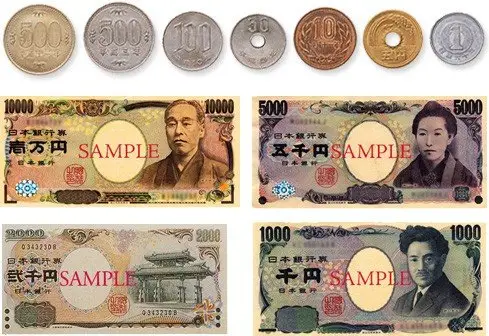
It also helps to understand the currency itself instead of thinking only in conversions. If you still mix up denominations when reading everyday prices, this short guide to the yen and Japanese coins makes daily budgeting easier.
So, is the cost of living in Japan expensive?
Yes, Japan can be expensive, especially if you choose a big-city apartment, rely on imported goods, or judge every purchase by your home-country exchange rate. But it is not automatically overpriced across the board. For many residents, the balance changes once they compare housing, salary, taxes and daily routines inside Japan instead of comparing isolated price tags from abroad.
If you want the shortest honest answer, it is this: Japan feels expensive when rent and deductions outrun your income, and reasonable when your salary, region and habits are aligned. That is a more useful comparison than complaining about one expensive fruit and ignoring the rest of the budget.



Community
Comments
0 comments
There are no published comments in this language yet.
Send comment