
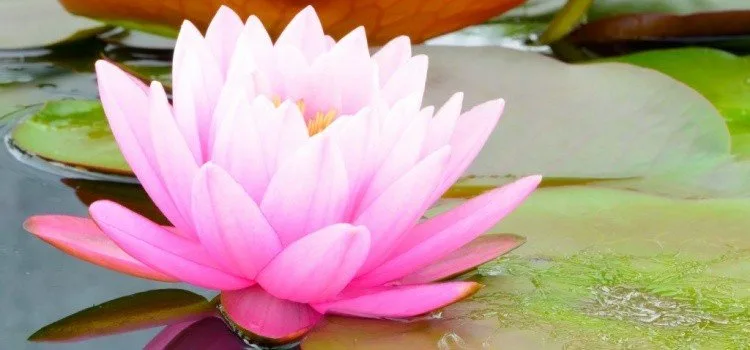
At night the petals fold and the bloom sinks toward the water; by morning it climbs back and opens again. That daily rise is why the lotus flower meaning lands so hard across Asia: beauty that does not need clean ground to start.
The sacred lotus (Nelumbo nucifera) is more than a pretty pond plant in Japan, India, and much of East Asia. Buddhism, Hinduism, and older Egyptian imagery all treated lotus-like blooms as signs of purity, rebirth, and spiritual climb — not because the flower is fragile, but because it grows from mud without staying muddy.
If you also like plant symbolism beyond one species, see our guide to the meaning of flowers in Japanese culture.
Contents 17
Lotus flower in Japan and Buddhism
In Buddhist teaching, the lotus stands for purity of body and mind, spiritual growth, and the chance of rising out of messy conditions. The plant roots in murky water; the bloom opens above it. The water is often read as attachment and craving; the flower is the promise that clarity can still appear.
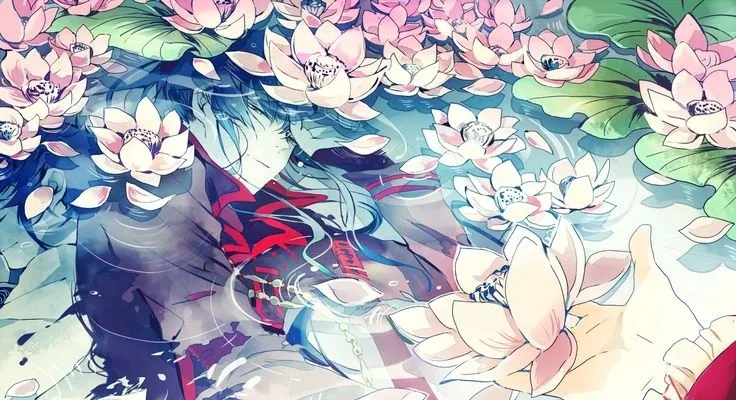
Buddha images frequently sit on a lotus throne. One traditional story says lotuses sprang up under Siddhartha’s first steps. Away from doctrine, Japanese culture also links the flower with elegance, composure, and a kind of quiet beauty that shows up in poetry, temple art, manga, and anime whenever a character needs a visual shorthand for purity or rebirth.
For broader religious context in the same country, read Buddhism in Japan.
Lotus flower color meanings
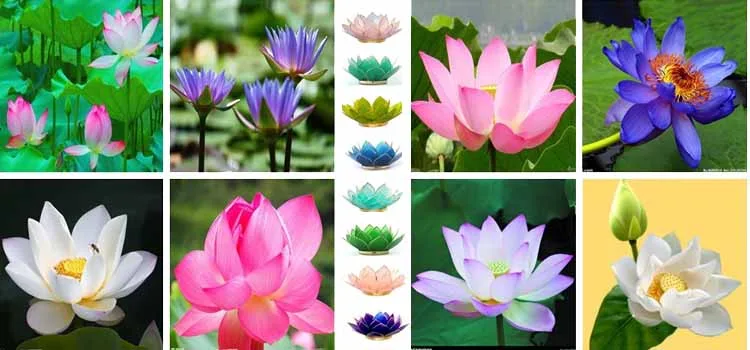
Color codes are especially strong in Buddhist art. They are symbolic conventions, not botanical rules — a pink bloom in a temple painting is carrying a story, not a gardening label.
Blue lotus
Blue suggests wisdom and knowledge. Artists often show it only partly open, a visual hint that understanding keeps unfolding. It is tied to the victory of mind over raw craving, and to Mañjuśrī, the bodhisattva of wisdom.
Red lotus
Red points to the heart and emotion: love, compassion, and passion grounded in sincerity. It is linked with Avalokiteśvara (Kannon in Japan), the bodhisattva of compassion.
White lotus
White stands for spiritual purity and mental clarity — body, speech, and mind cleaned of stain. In painting and sculpture it often marks the goal of the path: a mind that can stay clean while life stays complicated.
Pink lotus
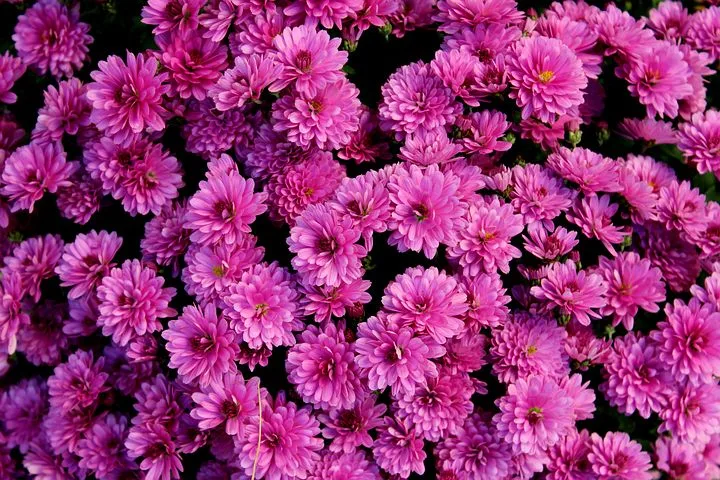
Pink is frequently treated as the supreme lotus and associated with the historical Buddha himself, or with the lineage of Buddhas. In ceremony and sacred images it is the color of highest respect.
Purple lotus
Purple appears more in esoteric imagery as a mystical form. Multiple petals can stand for multiple paths toward insight; the color is less common in everyday temple art than pink or white.
Yellow lotus
Yellow is less central in classical Buddhist color lists. When it appears in broader popular symbolism, it tends to suggest joy, vitality, and solar energy more than a fixed doctrinal stage.
Black lotus
A true black lotus is not a standard wild form used in traditional iconography. The idea thrives in fiction and games — from card games to anime — as mystery or inverted power. Treat it as modern myth, not temple teaching.
Lotus symbolism across cultures
The shared image is simple: a flower that leaves the mud, breaks the surface, and opens clean. Each tradition stresses a different side of that picture.
Buddhism
Purity of body, speech, and mind; non-attachment; enlightenment rising inside ordinary suffering. The growth stages of a bud — closed, half-open, fully open — sometimes map stages on the path. The famous Lotus Sutra takes the flower’s name for a whole Mahayana teaching tradition.
- Pink often marks Buddha; blue marks wisdom; white marks pure mind.
- Legendary first steps of the infant Buddha are said to have left lotuses behind him.
Hinduism
Here the lotus (padma in Sanskrit) is tied to divinity, fertility, and prosperity. Lakṣmī is often shown on or with lotuses; Brahmā is said to emerge from a lotus rising from Viṣṇu’s navel. The flower can stand for the spiritual heart and for creative unfolding of the cosmos.
- Padma appears across hymns and iconography as more than decoration.
- Creation imagery uses the lotus as a birth-seat of gods, not a mere garden prop.
Ancient Egypt
Egyptian art celebrated a blue water lily that opens with the sun and closes at night — a symbol of rebirth, the solar cycle, and regeneration. That plant is usually Nymphaea caerulea (and related water lilies), not the Asian sacred lotus Nelumbo nucifera, but the shared daily open-and-close drama made the comparison natural for later writers.
- Blue blooms were linked with the rising sun and renewal after night.
- Lotus-like forms appear in hieroglyphs, tombs, and temple decoration.
Chinese culture
In China the lotus often signals purity, harmony, and moral resilience: staying clean while rooted in mud. Classical poetry and painting treat it as a model of integrity; popular symbolism also folds in conjugal harmony and long life.
- Painting manuals use the lotus to teach elegant line and virtue.
- Local lotus festivals celebrate the bloom season as much as doctrine.
Lotus in the kitchen
Much of the plant is food across Asia: young leaves, petals for garnish, seeds, and the thick rhizomes sold as “lotus root.” Large leaves wrap sticky rice and other dishes. Raw plant parts can carry parasites in some water sources, so cooking is the safer default outside carefully managed food chains.
Seeds are starchy and keep well; puffed lotus seeds (often called makhana in South Asian cooking) are a common snack. Traditional herbal use of lotus leaf or seed tea exists in several countries, but those practices are cultural heritage — not a substitute for medical care, and not a list of proven cures.
The hard seeds also feed the plant’s reputation for longevity: viable sacred-lotus seeds have germinated after many centuries in dated deposits, which is rare among flowering plants.
Where to see lotus gardens in Japan
Peak viewing is usually midsummer, often early morning before flowers fold in the heat. A few well-known spots:
- Shinobazu Pond, Ueno Park (Tokyo) — city-center lotus sheets around Benten-dō;
- Tsurugaoka Hachimangū, Kamakura (Kanagawa);
- Sankei-en Garden, Yokohama (Kanagawa);
- Kodaihasu no sato (Ancient Lotus Park), Gyōda (Saitama) — famous for “ancient” lotus lines grown from old seeds;
- Izunuma and Uchinuma lakes (Miyagi);
- Hanahasu Kōen, Minami-Echizen (Fukui);
- Lotus gardens in Yamaga (Kumamoto);
- Heian Jingū garden (Kyoto);
- Chiba Kōen (Chiba);
- Shironuma Hasu Matsuri area (Gunma).
Other lotus references
The “lotus position” (padmāsana) is the cross-legged meditation seat with soles turned upward — named for the flower’s symmetry, and used across yoga and Buddhist practice. Deities in Asian religious art often sit on a lotus as a throne of purity.
Biology adds a few solid curiosities without needing mystique: sacred lotus flowers can hold a warm, fairly stable temperature (around 30–35°C) while blooming, which helps pollination; and seed coats are tough enough that centuries-old seeds have still sprouted under scientific study.
Keep Hindu creation stories (Viṣṇu, Brahmā, Lakṣmī) separate from Egyptian solar myths, and temple color codes separate from game lore. The shared thread is simpler: something clean can rise from something messy — which is why the lotus keeps returning in temples, gardens, tattoos, and summer ponds across Japan.


Community
Comments
0 comments
There are no published comments in this language yet.
Send comment