
Have you ever wondered if there are homeless people, the roofless, drifters, or beggars in Japan? Yes, just like in any country. In this article, we will talk about the invisible homeless people living in Japan.
Japan is a wealthy country where 80% of people live above the poverty line. The reputation that Japan is a rich country without inequality creates ideas that there are no homeless people in Japan, or that they are rare.
Still, it is estimated that there are over 5,000 homeless people in Tokyo alone, and millions of people live at the poverty line.
Contents 5
Why are there homeless people in Japan?
Like in most countries, many of these homeless people have lost their families, have some mental illness, health problems, or are alcoholics or addicts. Alcohol and Pachinko are among the main causes.
Despite Japan desperately needing people to work, most homeless people are over 40 years old, and it is difficult to find a job at that age, especially in their current conditions.
In addition to homeless people, there is a large number of young people living in cybercafés, manga cafés, and who have temporary or part-time jobs, or simply use their parents' money.
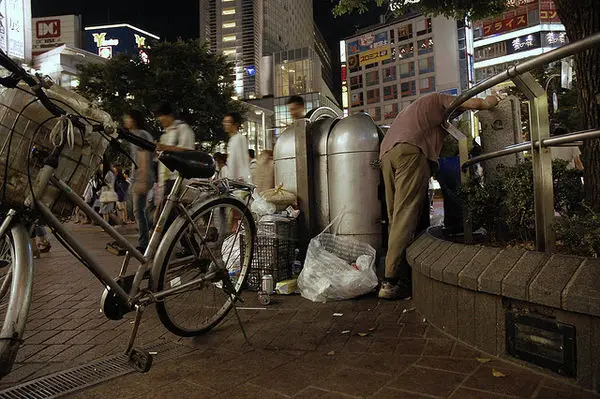
Many of these homeless people survive through collecting and recycling trash. Others do odd jobs and daily work, spending all their money on drinks, games, and pachinko.
Roofless in Japanese society
The Japanese tend to ignore the homeless and give them space. Homeless people in Japan are rarely pursued by the police or any wrongdoers.
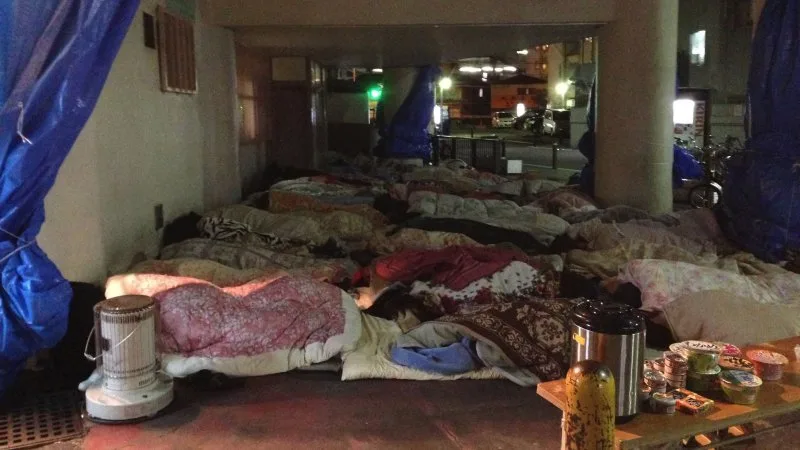
Many live in homeless communities, makeshift tents by rivers, parks, bridges, or train tracks. Japanese courts have defended the rights of the homeless on several occasions.
One example is that they do not allow the police to dismantle the tents of the homeless. If necessary, the police must follow the same procedure used for evicting an apartment or house.
The government tries to do its best to help these people. But unfortunately, some prefer not to be helped, simply because many have intentionally adopted this lifestyle.
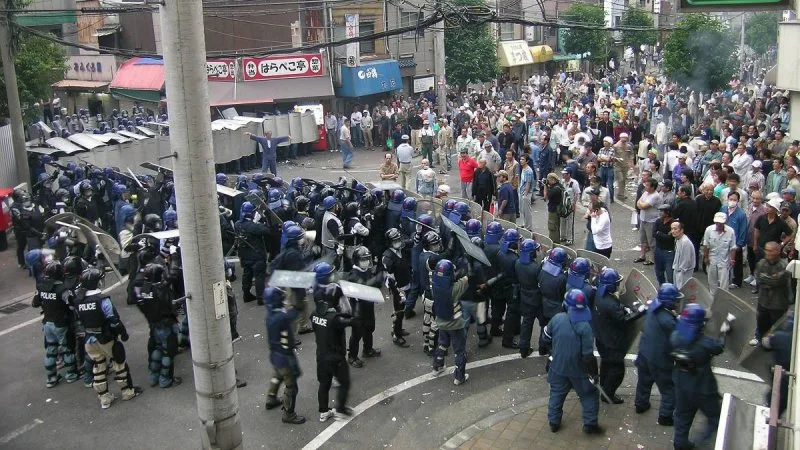
This was different in the 1990s. At that time, the homeless in Japan were seen as a nuisance. Many were tortured by the police, and some even staged riots and protests due to some neglect.
The government even tried to get rid of the homeless by preventing them from receiving government benefits. In 1997, Tokyo finally recognized their existence.
In 2001, the government reported that there were about 25,000 homeless people in Japan. And Osaka has the largest population of homeless people in the country; in fact, there is even a neighborhood where the homeless live.
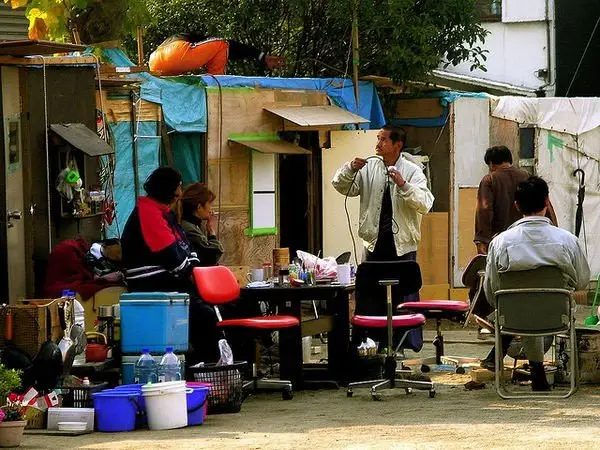
Kamagasaki - The largest slum in Japan
In the south of Osaka is the largest source of homeless people in Japan. The neighborhood is called Kamagasaki, and it is believed that homeless people from all over the country live in this neighborhood.
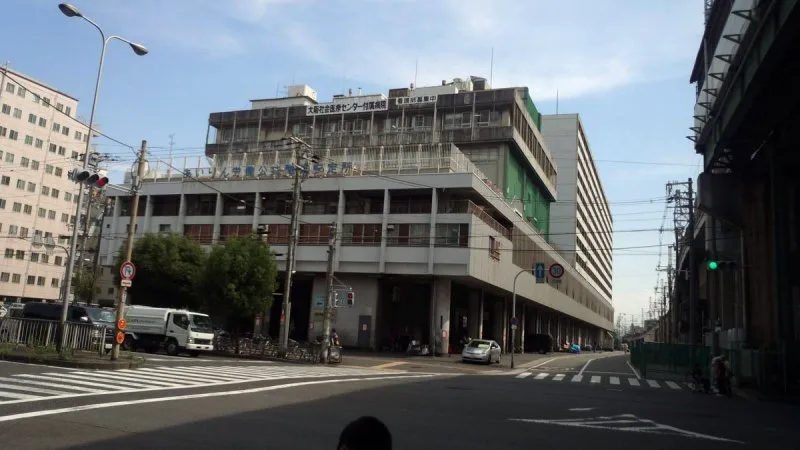
The neighborhood is huge and is located near famous places in Osaka. In it, you can find various homeless people scattered throughout buildings, especially in humanitarian centers like Airin Labor.
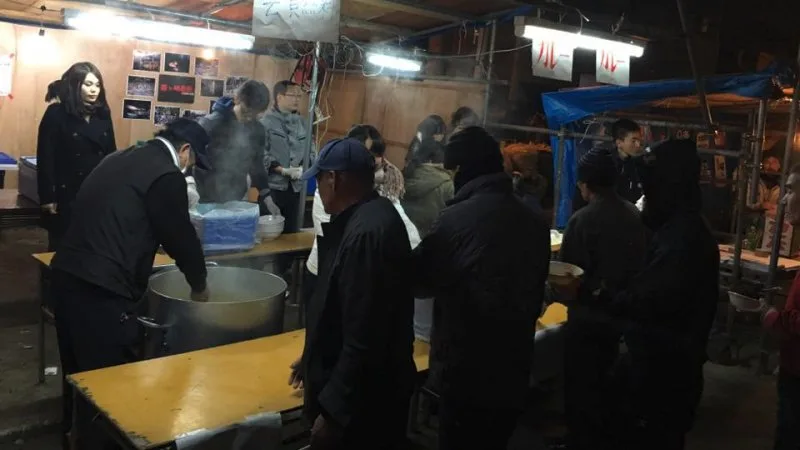
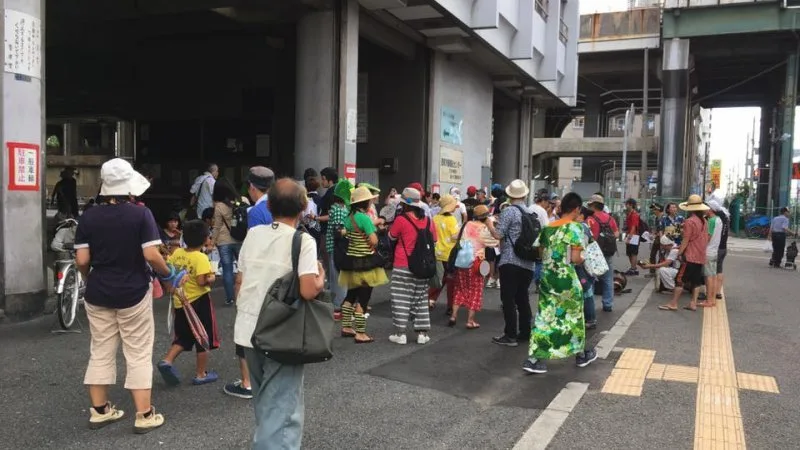
Tents can be found in squares like Sankaku Park or below the train line that circles the neighborhood. There are various recycling centers and agencies that offer jobs and odd jobs in Kamagasaki.
The neighborhood has an environment of poverty, with old buildings, cheap houses, and affordable accommodations that attract thousands of backpackers from the country and around the world. The neighborhood is widely discussed in the media.
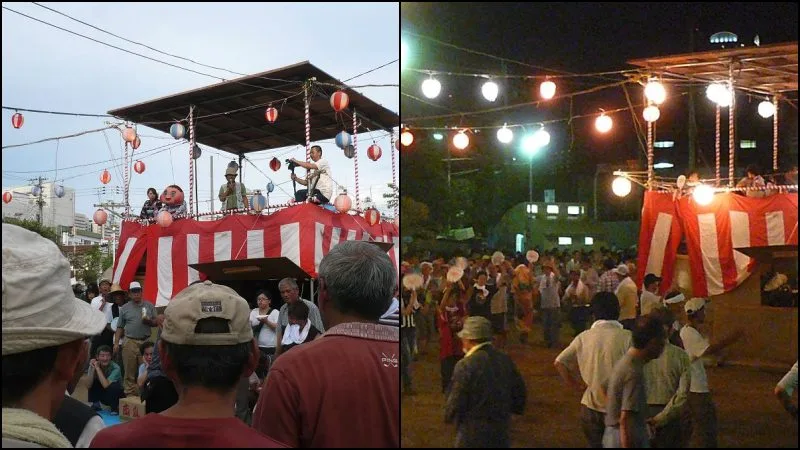
In the neighborhood, various events and festivals are held to help the population of homeless people. In addition to summer festivals and shows, there is always food distribution and the famous soup.
What are the homeless people in Japan like?
The homeless people in Japan are extremely polite and calm. They never ask for money, much less steal. This is ironic because the Japanese are prone to donate.
The homeless people in Japan do everything to not disturb anyone or get in the way. They avoid being in busy places during the day. Many even work as day laborers during the day.
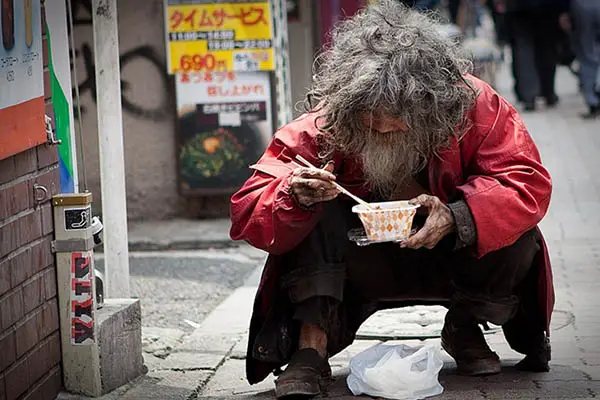
At night, the city centers and parks are filled with some homeless people, but at dawn they carefully move to another location to avoid bothering anyone.
Japanese homeless people are also known for taking care of abandoned animals in urban parks. Not all homeless people in Japan are in this situation due to a lack of alternatives or opportunities.
Most of these homeless people are retired elderly individuals, abandoned, or simply decided to isolate themselves from society for some reason. Social and economic pressure has affected some of these people.
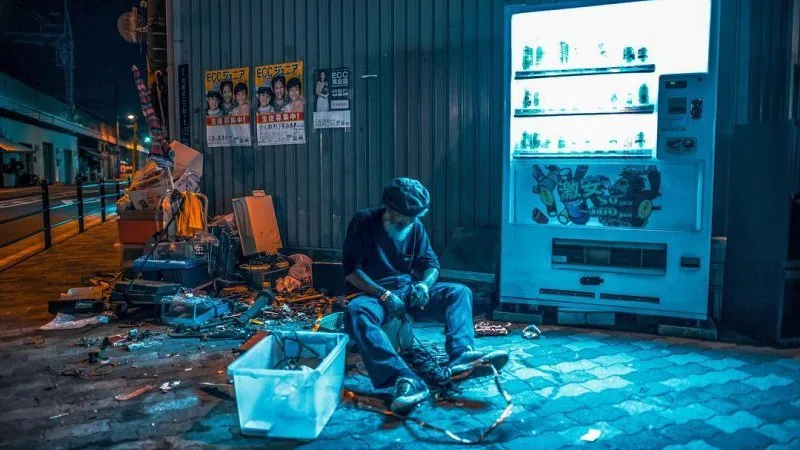
A good number of these homeless people are in this situation because they chose to live this way because they want to feel free and without the pressures imposed by society.
Unemployment is not a common cause, as Japan has more labor than employees. Still, some homeless people are lazy and do not want to work, or simply have developed a trauma from work.
Since many have chosen this life, we should not judge them, nor blame the country for this small number of homeless people. In fact, many are happy and have a social life better than many Japanese.
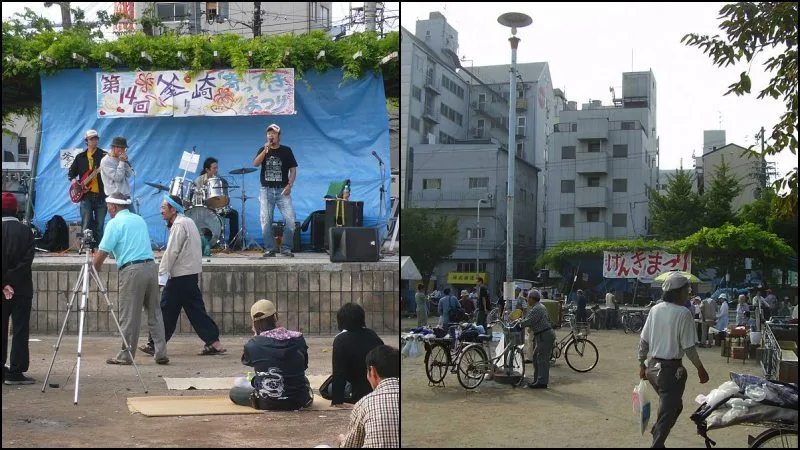
We wrote this article dedicated to them, so that all of you do not forget that there are people with problems in Japan, and they face these problems and challenges positively.
Are there beggars in Japan?
Beggars are different from the homeless; they ask for things on the street, in public places, and sometimes have a home and a family. In Brazil, there are thousands of beggars, some richer than workers with minimum wages.
It is believed that the act of begging can be a disease, so there must certainly be beggars in Japan. There are people who have no financial need but enjoy asking for things.
On one occasion, I was in Tokyo, and a young man stopped on his bicycle and extended his hand to me; I simply took a 100 yen coin and placed it in his hand. Without saying anything, he just left.
I also met a woman in Ginza who was asking for money to help with the earthquake in Hokkaido. I knew that money would not go to help the earthquake in Hokkaido; it was obvious that it was a scam.
Still, I contributed and made friends with the lady, and she invited me to a restaurant with amateur singer performances, where I had a lot of fun. It was interesting to make friends with strangers in Japan.
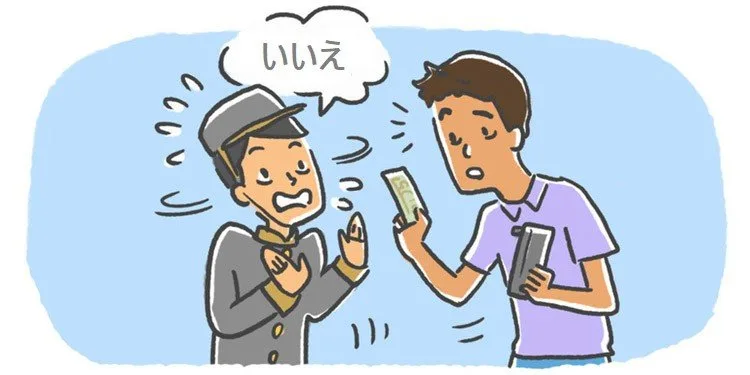
Still, it is not common for Japanese people to ask others for money on the street, especially homeless and roofless people. Japanese people are proud and do not like to bother or depend on others.
One example of this is that even waiters and hotel staff do not have the habit of receiving tips. Sometimes a foreigner even tries to offer tips, but the staff simply refuse.
What do you think about the homeless people in Japan? Is there anything more that can be done? I hope you enjoyed this article. If you did, please share and leave your comments.





Community
Comments
0 comments
There are no published comments in this language yet.
Send comment