
When does someone officially become an adult in Japan? The answer is no longer as simple as it used to be. Since April 1, 2022, the legal age of adulthood has been 18, but Seijin no Hi still feels closely tied to age 20 in many parts of the country.
That is why visitors often hear two different answers at once. In legal terms, an 18-year-old in Japan can now sign contracts without parental consent. In everyday life, however, many coming-of-age ceremonies still gather the young people who are turning 20.
Contents 8
What changed when Japan lowered the age of adulthood?
For a long time, the age of majority in Japan was 20. The Civil Code revision that took effect on April 1, 2022 lowered that legal threshold to 18.
From that age, a person can handle contracts in their own name, rent an apartment, apply for credit, and make other legal decisions without a parent or guardian stepping in. The same reform also unified the marriage age at 18 for both men and women.
What Seijin no Hi celebrates
Seijin no Hi [成人の日], often called Coming of Age Day, is a national holiday held on the second Monday of January. Municipalities across Japan organize ceremonies known as seijin shiki [成人式] to welcome young adults into a new stage of life.
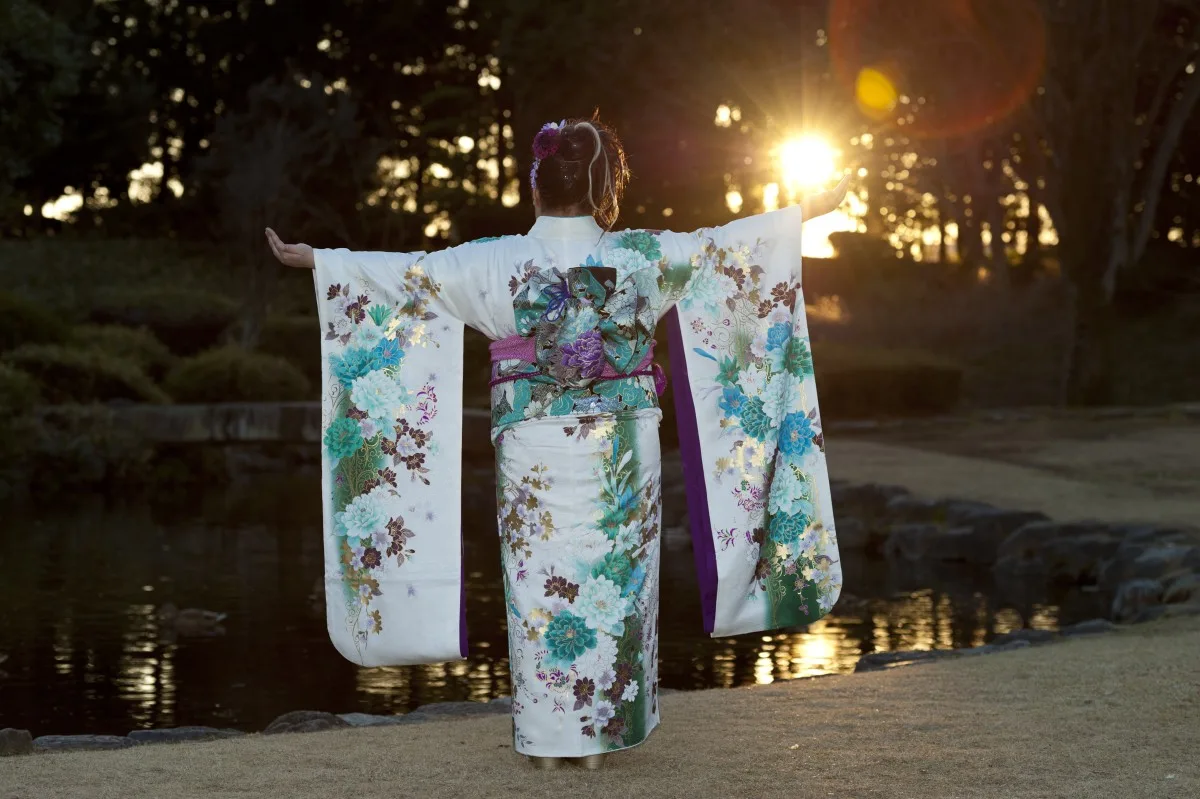
These events usually mix official speeches with a more personal side of the celebration. Friends meet again after high school, families take photos, and many participants wear formal outfits such as furisode kimono, hakama, or suits.
Even though the legal definition of adulthood changed, the holiday still carries the older cultural image of turning 20. For many families, it is less about paperwork and more about marking a visible life milestone.
Why many ceremonies still focus on 20-year-olds
One reason is practical. In Japan, drinking alcohol and smoking are still prohibited for people under 20. Many local governments also prefer to avoid holding the ceremony for 18-year-olds in the middle of university entrance exam season or early job hunting.
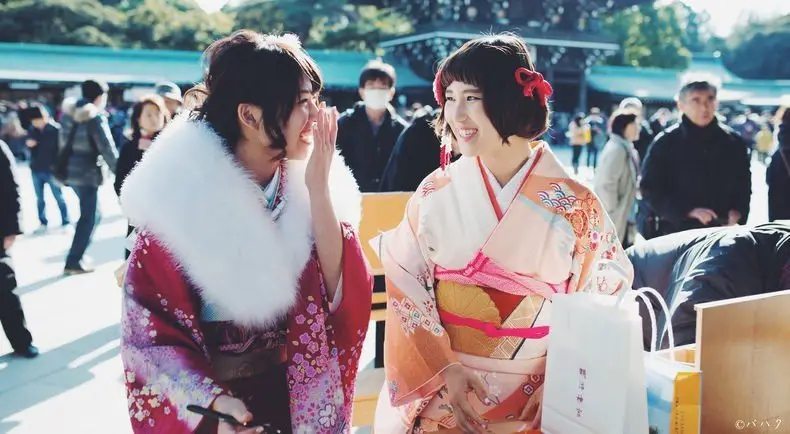
Because of that, the legal age and the social celebration do not always line up perfectly. Japan now recognizes adulthood at 18, but many communities still treat 20 as the more symbolic age for public celebration.
Legal ages that still confuse many people
Drinking alcohol
Alcohol is still restricted to people who are 20 or older. Businesses can be penalized if they knowingly sell alcohol to underage customers, which is one reason age checks remain important in bars, izakaya, and convenience stores.
That also helps explain why Seijin no Hi is still associated with age 20. After the formal ceremony, many groups continue the day with reunions, dinners, and parties, so the older threshold still matters in everyday life.

College circles and club activities can also bring social pressure around drinking. If you want to understand that senior-junior dynamic better, it helps to read about the meaning of senpai and kouhai.
Getting a driver's license
The minimum age for a standard driver's license in Japan is 18. That means driving starts earlier than legal drinking, which surprises many people who assume all adult rights begin at the same age.
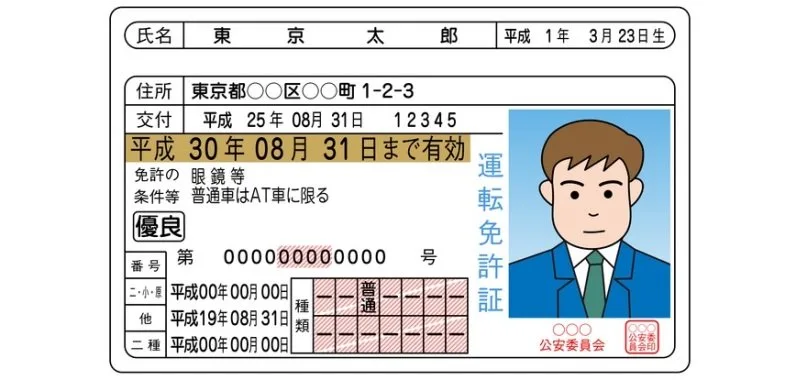
If you want the full process, tests, and paperwork, see our guide to Japan's driver's license.
Voting and marriage
Voting now begins at 18, and marriage is also possible at 18 for both men and women. These changes are part of the broader legal shift that moved adulthood away from the old 20-year standard.

That said, legal adulthood does not automatically erase long-standing customs. Seijin no Hi shows how Japanese law and Japanese social practice can move at different speeds while still sharing the same milestone theme.
So when are you considered an adult in Japan?
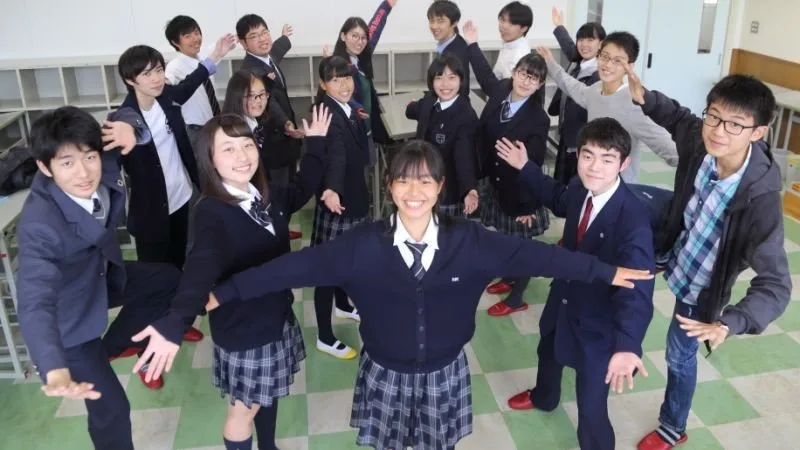
In legal terms, the answer is 18 since April 1, 2022. In cultural terms, many people still associate the coming-of-age celebration with 20 because that is the age still tied to drinking, smoking, and the traditional style of the ceremony.
If you keep that distinction in mind, the topic becomes much easier to understand. Japan did not abandon Seijin no Hi when the law changed. Instead, the country now lives with two overlapping ideas of adulthood: one legal and one deeply social.






Community
Comments
0 comments
There are no published comments in this language yet.
Send comment