
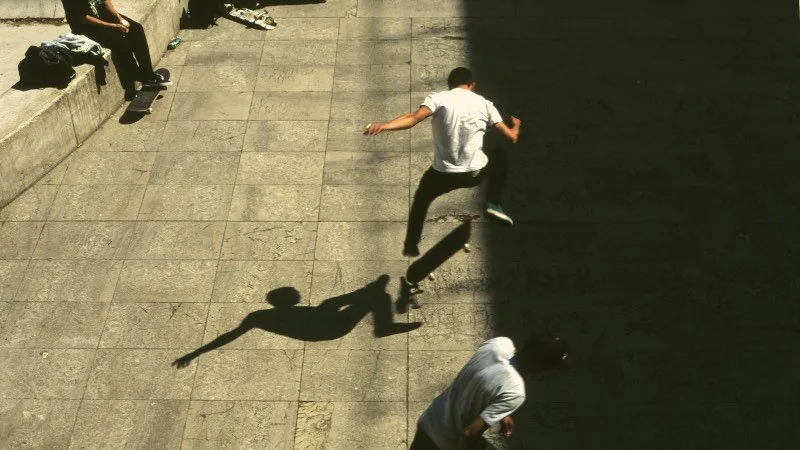
In a country that prizes quiet sidewalks and shared space, the clatter of urethane wheels still feels a little out of place—and that tension is exactly what makes skate culture in Japan so interesting. The sport did not arrive as a polished Olympic product; it grew through night sessions, tight neighborhoods, and a community that learned to skate hard without treating the city as disposable.
What you see today is a mix of street caution and park precision. Japanese skaters chase the same adrenaline, flips, and lines as anyone else, yet the social rules of public space shape when and where those lines happen. The Tokyo 2020 Olympics then put that scene on a global stage, with home athletes rewriting what many people thought skateboarding in Japan looked like.
Contents 9
Skate Culture in Japan: Order Meets Street Style
Skateboarding in Japan is both familiar and different. The essence is the same—tricks, freedom, and new challenges—but the Japanese emphasis on respect and order changes how the practice lives outdoors. Street skating still happens, yet it often collides with dense pedestrian flow, shop frontage, and a low tolerance for noise or risk to others.
1. How Japanese skaters relate to public space
There is no single national ban on skateboarding, but resistance in busy public spaces is common. Police and local staff may intervene when skaters gather in crowded plazas, station areas, or spots that endanger walkers. That reaction is less about hating the sport and more about protecting order and safety in places where everyone shares limited ground.
The old stereotype that links skateboarding to delinquency and drugs lands differently here. Many Japanese skaters are known for politeness, helmets when required, and a real effort not to block doors or shops. The “rebel” image still exists in fashion and music scenes, especially around places like Harajuku and Shibuya, but day-to-day skating often looks disciplined rather than chaotic.
That balance is part of the culture: creativity on the board, restraint toward neighbors. Crews still meet for night sessions, film spots, and support each other, yet the social cost of being careless is high. If you skate in Japan, the fastest way to get moved on is to treat a sidewalk like a private park.
2. Challenges for growing the scene
Equipment can be expensive. Decks, wheels, trucks, and shoes add up, and specialty parts are sometimes imported, which makes starting out harder for beginners. Space is another barrier. Large cities such as Tokyo leave little free concrete, and dense neighborhoods make “just go skate anywhere” unrealistic for most people.
Still, the community is inventive. Indoor and managed outdoor parks fill a gap that pure street skating cannot, and Japanese riders have long contributed technical styles that travel well online and in contests. Compared with North America or Europe, mainstream popularity arrived later—but Olympic medals and local park investment have accelerated acceptance.
Where to Skate in Japan
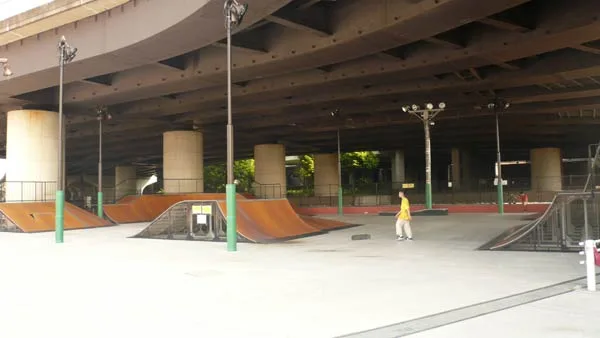
If you travel with a board, prioritize dedicated parks first. They are safer for visitors, clearer about rules, and less likely to end a session with a warning. Tokyo and nearby cities offer several well-known options, while smaller towns can feel freer—if you stay respectful.
1. Strong options around Tokyo
Tokyo has good pavement and a growing map of managed spots. Among the most discussed:
- Miyashita Park (Shibuya): A central, renovated urban park between Shibuya and Harajuku with a compact skate facility built into the cityscape. Sessions are usually paid, and helmets are commonly required—confirm hours and fees before you go.
- Shin-Yokohama Skate Park (Yokohama): A large outdoor park about half an hour from central Tokyo, with obstacles that suit beginners and advanced riders, including bowl and half-pipe style features.
- Murasaki Amazing Square (Adachi): A long-running indoor/outdoor complex associated with the Murasaki Sports brand, known for serious practice space, including a large half-pipe. Many riders treat it as a year-round training base.
Street sessions still happen, but timing matters. Some local skaters prefer the quiet window between roughly 1:00 and 4:00 a.m., when foot traffic drops. Even then, treat shops, homes, and security staff as part of the environment—not obstacles to ignore.
2. Countryside sessions and group culture
Outside the biggest cities, streets can feel emptier and less watched. Alleys, stairs, and empty lots become more usable, but local rules still apply. Japanese skaters often ride in groups, especially at night or in isolated spots, both for safety and to share lookout duty. That group habit reinforces camaraderie: people film each other, rotate lines, and leave fewer messes behind.
Olympic Momentum and Japan’s Skate Stars
Skateboarding debuted at the Tokyo 2020 Games, and Japan made the home debut count. Yuto Horigome took gold in men’s street, while women’s events brought more medals for athletes such as Momiji Nishiya, Sakura Yosozumi, and others who showed how deep the talent pool had become. The medals did more than fill a scoreboard: they shifted public perception from “noisy sidewalk hobby” toward a recognized sport families could cheer for.
International coverage has since asked why Japanese riders look so polished. One recurring explanation is park-first development: limited street space pushes many skaters into structured parks earlier, which builds fundamentals fast. That does not erase street culture, but it helps explain the technical level that shows up in contests and Olympic runs.
If you follow sports culture in Japan more broadly, skateboarding now sits alongside older spectator favorites as a youth-facing discipline with real infrastructure growth after the Games.
Skate Vocabulary in Japanese
If you want to talk about skate culture in Japan, a few loanwords go a long way. Most skate terms are English words adapted into katakana:
- Skate: スケート (sukeeto) or スケートボード (sukeetoboodo)
- Skating: スケーティング (sukeetingu)
- Skateboarder: スケーター (sukeetaa)
- Skateboarding: スケートボーディング (sukeetoboodingu), often shortened to スケボー (sukebo)
Parts, tricks, and park language use the same pattern:
- デッキ (dekki) - Deck
- ホイール (hoiiru) - Wheel
- トラック (torakku) - Truck
- グリップテープ (guripputeepu) - Grip tape
- トリック (torikku) - Trick
- フリップ (furippu) - Flip
- オーリー (oorii) - Ollie
- グラインド (guraindo) - Grind
- スライド (suraido) - Slide
- ハーフパイプ (haafu paipu) - Half-pipe
- ボウル (booru) - Bowl
- スケートパーク (sukeeto paaku) - Skate park
- ニーパッド (niipaddo) - Knee pad
- ヘルメット (herumetto) - Helmet
- リストガード (risutogaado) - Wrist guard
- フィンガーボード (fingaaboodo) - Fingerboard
- ランプ (ranpu) - Ramp
- レール (reeru) - Rail
- オブスタクル (obusutakuru) - Obstacle
- スケートセッション (sukeeto sesshon) - Skate session
- スタンス (sutansu) - Stance
- レギュラー (regyuraa) - Regular (left foot forward)
- グーフィー (guufii) - Goofy (right foot forward)
- ファキー (fakii) - Fakie
- スイッチ (suicchi) - Switch
Even a short list helps in shops and parks. Saying sukebo, herumetto, or sukeeto paaku signals that you are trying to meet the local scene on its terms.
The Future of Skateboarding in Japan
Youth interest, Olympic success, and new park projects point in the same direction: skateboarding is more visible and better supported than a decade ago. Cities still debate street skating, and stigma has not vanished, but managed facilities and family participation make the sport easier to defend as public recreation.
For visitors, the practical takeaway is simple. Learn the vocabulary, favor parks when you can, skate quietly in shared spaces, and treat local crews as hosts rather than competition. Do that, and Japan’s skate culture rewards you with sharp style, careful etiquette, and sessions that feel earned rather than taken.

Community
Comments
0 comments
There are no published comments in this language yet.
Send comment