
Japanese and Chinese are often lumped together by people who are not familiar with Asian languages, but they are actually very different in structure, pronunciation, and writing. In this article, we'll look at the main differences between the two languages, point out a few of their quirks, and see which one is often considered easier for beginners.
Contents 11
Structure and Writing System
Japanese: three writing systems
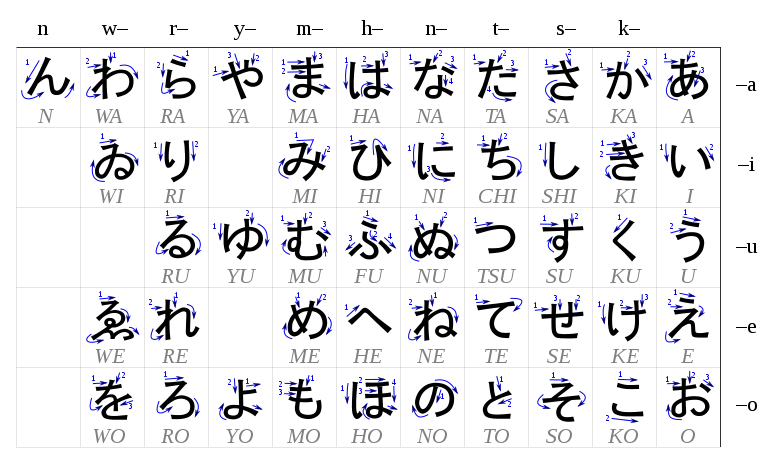
Japanese uses three different writing systems: hiragana, katakana, and kanji. Hiragana and katakana are syllabic scripts known as kana, and together they cover the core sounds of the language. Hiragana is mostly used for native Japanese words and grammatical endings, while katakana is used for loanwords, foreign names, and emphasis.
Kanji, on the other hand, are characters originally borrowed from Chinese. To read Japanese comfortably in daily life, you need to know roughly 2,000 kanji. Even so, pronunciation is usually more approachable than many learners expect because Japanese follows a fairly regular syllabic pattern.
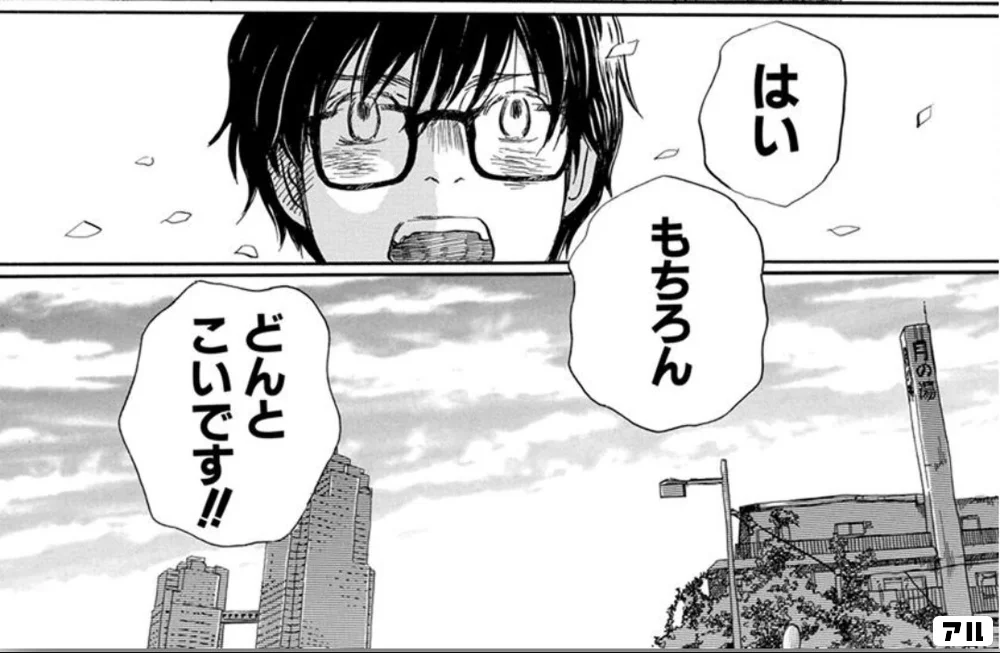
Chinese: tonal language and characters
Chinese works in a very different way. It does not use syllabic scripts like Japanese, but instead relies on characters that represent words or concepts. Depending on the level you want to reach, you may need to recognize several thousand characters before reading everyday material with ease.
Another major difference is that Mandarin is a tonal language. That means the same syllable can have different meanings depending on the tone used. For many learners, that is the hardest part, because you have to hear the tone clearly and reproduce it accurately.
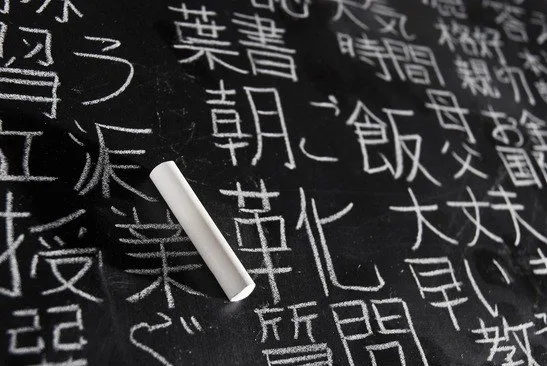
How the scripts look on the page
A simple way to see the difference is to compare the writing itself:
- Chinese: 不知香积寺数里入云峰 (Bùzhī xiāng jī sì shù lǐ rù yún fēng)
- Japanese: それは私の最後の「愛してる」 (Sore wa watashi no saigo no "aishiteru")
Chinese text often looks denser and more uniform, while Japanese mixes kanji with hiragana, which gives the page a very different rhythm.
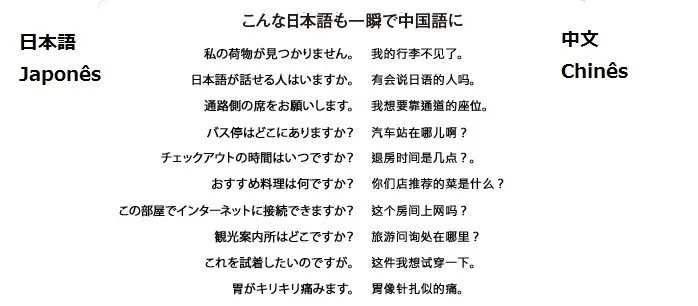
Pronunciation and Sound
Japanese: clear and rhythmic
Japanese pronunciation is usually seen as straightforward. The language has a limited set of sound combinations, and its rhythm feels regular and predictable. For speakers of Portuguese or other Romance languages, that often makes the first steps feel easier, because sounds like ka, ta, and sa are familiar.
There is still one challenge: Japanese has many words that sound the same but mean different things. So even if pronunciation is simple, context still matters a lot.
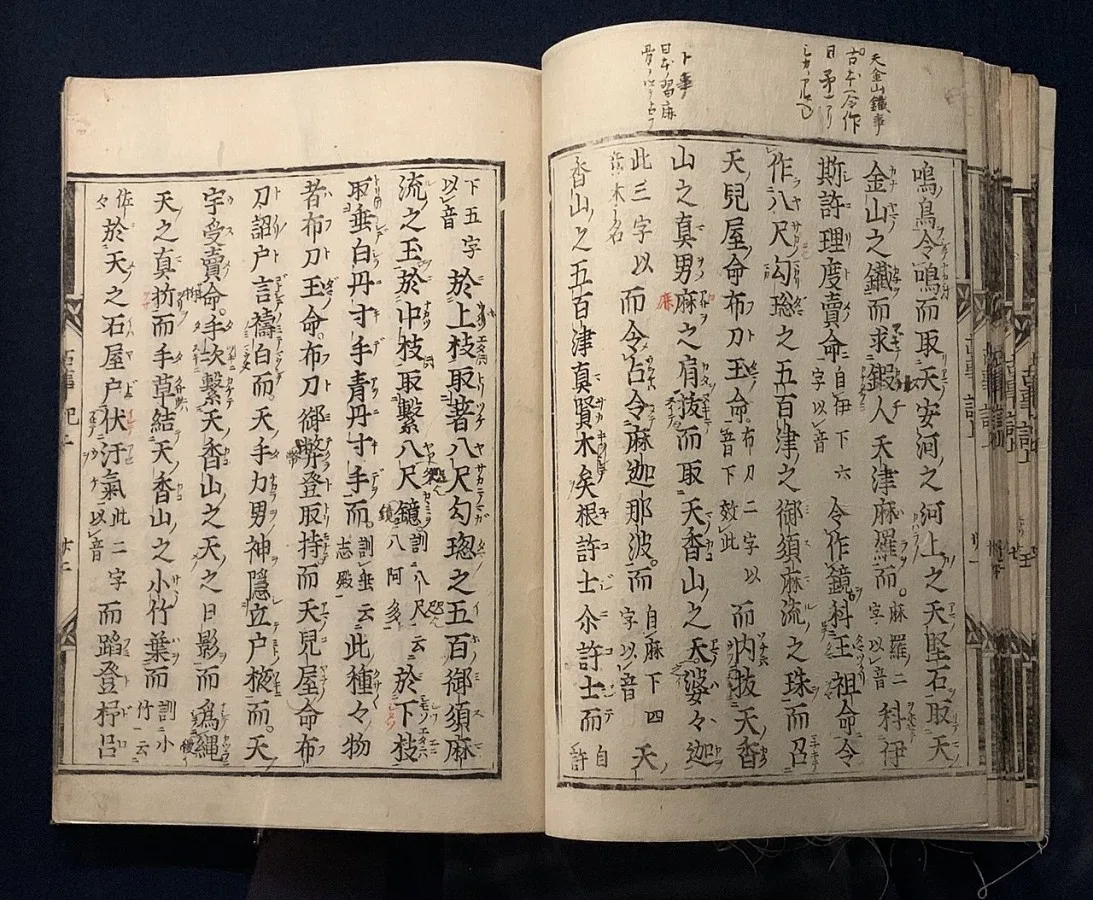
Chinese: tones change everything
Mandarin Chinese is much trickier in terms of pronunciation. A classic example is the syllable ma, which can mean mother, hemp, horse, or to scold, depending on the tone. That is why learning Chinese is not just about memorizing words; it is also about training your ear.
Another famous stumbling block is the difference between r and l. Japanese speakers do not use the English l sound in the same way, and many Chinese learners have their own trouble with r. These little details are what make language learning both frustrating and fun.
The "furango" and "flango" joke
One common stereotype is the idea that Japanese and Chinese speakers mix up r and l. In Japanese, foreign words are often adapted to fit the local sound system, which is why L from Death Note becomes Eru, and Light becomes Raito. In Chinese, some speakers do struggle with r, and that is where jokes like flango come from.
Which Language Is Easier to Learn?
Why Japanese often feels easier at first
For many beginners, Japanese feels easier in both pronunciation and grammar. The language is structured, the sentence patterns are logical, and hiragana and katakana are relatively quick to learn. That gives students a nice early win before they move on to the harder part: kanji.
Kanji can be demanding, especially because the same character may have multiple readings. Still, the lack of tones and the clear sentence structure make Japanese appealing to a lot of new learners.
The challenge of Chinese
Chinese, on the other hand, is spoken by an enormous number of people and opens many doors for business and travel. Its grammar is surprisingly simple in some ways, because it does not rely on verb conjugations in the same way English or Portuguese does. The real challenge is pronunciation and character memorization.
Because it is tonal, Chinese asks for a lot of listening practice. Even so, with consistency and immersion, it is absolutely possible to reach a functional level.
The video below sums up the main differences between Chinese and Japanese in a simple way.
If you want, I can also help you compare the two languages from the point of view of grammar, writing, or study strategy.





Community
Comments
0 comments
There are no published comments in this language yet.
Send comment