
One short sound, そう (sou), shows up in everyday Japanese more often than learners expect. It can report what someone else said, and it can also name what something looks like right now—two jobs that feel related but attach to words in different ways.
Get those attachments mixed up and a sentence flips meaning without warning. Below is how speakers actually use そうです / そうだ for hearsay and for appearance, with the same kinds of examples you will hear in class, drama dialogue, and casual chat.
Contents 7
Two kinds of そう that look almost the same
Japanese textbooks often split そう into two patterns that share spelling but not grammar:
- Appearance / “about to” (様態, yōtai): stem of a verb or adjective + そう. You are reading what you see, hear, or sense: 美味しそう looks delicious; 泣きそう is about to cry.
- Hearsay (伝聞, denbun): plain form of the clause + そうだ / そうです. You are passing on what you heard or read: 美味しいそうです means “I heard it’s delicious,” not “it looks delicious.”
That tiny difference—stem versus full plain form—is the whole trap. 美味しそう and 美味しいそう are not interchangeable, and neither is a free translation of English “hearsay” as a single frozen phrase.
Meanings learners usually meet first
Depending on the pattern, そう covers ideas like:
- it seems / it looks like ~
- I heard that ~ / people say that ~
- about to ~ / looks set to ~
- prone to ~ / almost ~ (with the right verb stem)
Polite speech often ends with そうです; casual speech often uses そうだ. The choice is register, not a third meaning.
そう with adjectives: “looks…”
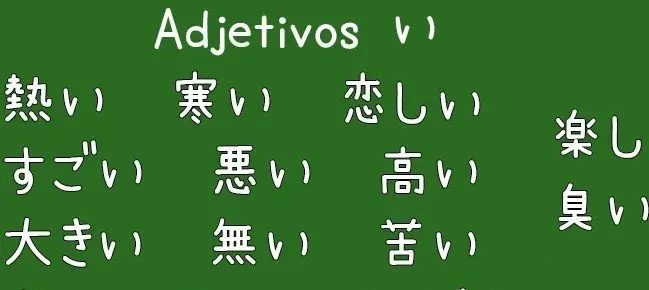
For i-adjectives, drop the final い and add そう. For いい (good), the form is irregular: 良さそう. Na-adjectives simply take そう after the stem.
- 美味しそう — oishisō — looks delicious
- 重そう — omosō — looks heavy
- 暑そう — atsusō — looks hot (weather or a surface that seems hot)
- 優しそう — yasashisō — looks kind
- 良さそう — yosasō — looks good / seems promising
These forms describe an impression. You have not necessarily tasted the food or weighed the bag; you are saying how it comes across.
そう with verbs: “about to…”
Take the stem of the masu-form (remove ます) and add そう. The sense is often “on the verge of” or “it looks like it will…” based on what you observe.
- 泣きそう — naki-sō — about to cry
- 来そう — kisō — looks like (someone) will come
- 起きそう — okisō — about to get up
- しそう — shisō — about to do (from する)
- 落ちそう — ochisō — about to fall
- 降りそう — furisō — looks like it will rain / snow (with 雨 or 雪)
- 降らなさそう — furanasasō — does not look like it will rain
Negative appearance often uses ~なさそう (as in 降らなさそう) rather than inventing a freestyle negative stem.
Hearsay: plain form + そうだ / そうです
When the information comes from someone else—or from media you are reporting—attach そうだ / そうです to the plain form of the verb or i-adjective. With nouns and na-adjectives, you usually need だ before そう: 弁護士だそうだ.
- Verb plain + そう: 降ったそうです — I heard it rained / snowed
- i-adjective plain + そう: 高いそうです — I heard it is expensive
- Noun / na-adjective + だそう: 弁護士だそうだ — I heard she is a lawyer
Compare:
- 高そう — looks expensive (appearance)
- 高いそう — I heard it is expensive (hearsay)
Same root idea of “seems,” different evidence: eyes and judgment versus reported information.
Example sentences
How the pieces sit inside full lines:
中に眠りそうだった。
Chū ni nemuri-sō datta.
Translation: I almost fell asleep during the class.
あの子が泣きそうです。
Ano ko ga naki-sō desu.
Translation: That child is about to cry.
雨が降りそうです。
Ame ga furi-sō desu.
Translation: Looks like it will rain.
もう食べられそう?
Mō taberare-sō?
Translation: Do you think we can eat now? / Does it look edible now?
ねえ、今日来られそう?
Nee, kyō korare-sō?
Translation: Hey, do you think you can come today?
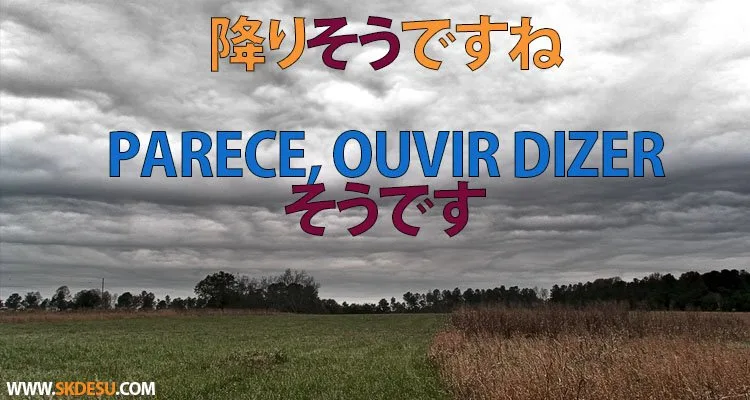
雪が降りそうですね。
Yuki ga furi-sō desu ne.
Translation: Looks like it will snow, doesn’t it?
この本は高そうです。
Kono hon wa taka-sō desu.
Translation: This book looks expensive.
この映画はとてもいいそうだ。
Kono eiga wa totemo ii sō da.
Translation: I heard that this movie is really good.
昨日雪が降ったそうです。
Kinō yuki ga futta sō desu.
Translation: I heard it snowed yesterday.
彼女は弁護士だそうだ。
Kanojo wa bengoshi da sō da.
Translation: I heard that she is a lawyer.
For “very unlikely / not about to,” you will also meet fixed negatives such as:
- そうもない — sō mo nai — very unlikely; hardly seems possible
- そうにもない — sō ni mo nai — unlikely; does not look feasible
でも、そんなこと、ありそうにもないでしょう?
Demo, sonna koto, ari-sō ni mo nai deshō?
Translation: But something like that doesn’t seem likely, does it?
今君は自分で自分を監視できそうにもないよ。
Ima kimi wa jibun de jibun o kanshi deki-sō ni mo nai yo.
Translation: Right now you don’t look capable of keeping tabs on yourself.
そうですか — “Is that so?”
そうですか (sō desu ka) is the everyday reaction “Is that so?” / “Oh, really?” Tone does a lot of the work: genuine interest, polite acknowledgment, or a dry edge that can sound sarcastic in the wrong room. It is related to そう as “that way / that situation,” not the full adjective-stem conjugation drill above—but once you hear そう everywhere, this reply stops feeling random.
If you only take one practice habit away, make it this: when you see そう, check what sits in front of it. Stem → appearance or “about to.” Plain form (or noun + だ) → report of what you heard. That check alone keeps “looks delicious” and “I heard it’s delicious” from collapsing into each other—and it is the difference between sounding careful and sounding unsure of what you meant.
For more everyday Japanese reactions built from tiny sounds, see Japanese one-sound reactions. For another common fixed expression learners meet early, try atarimae — “obvious” in Japanese.




Community
Comments
0 comments
There are no published comments in this language yet.
Send comment