
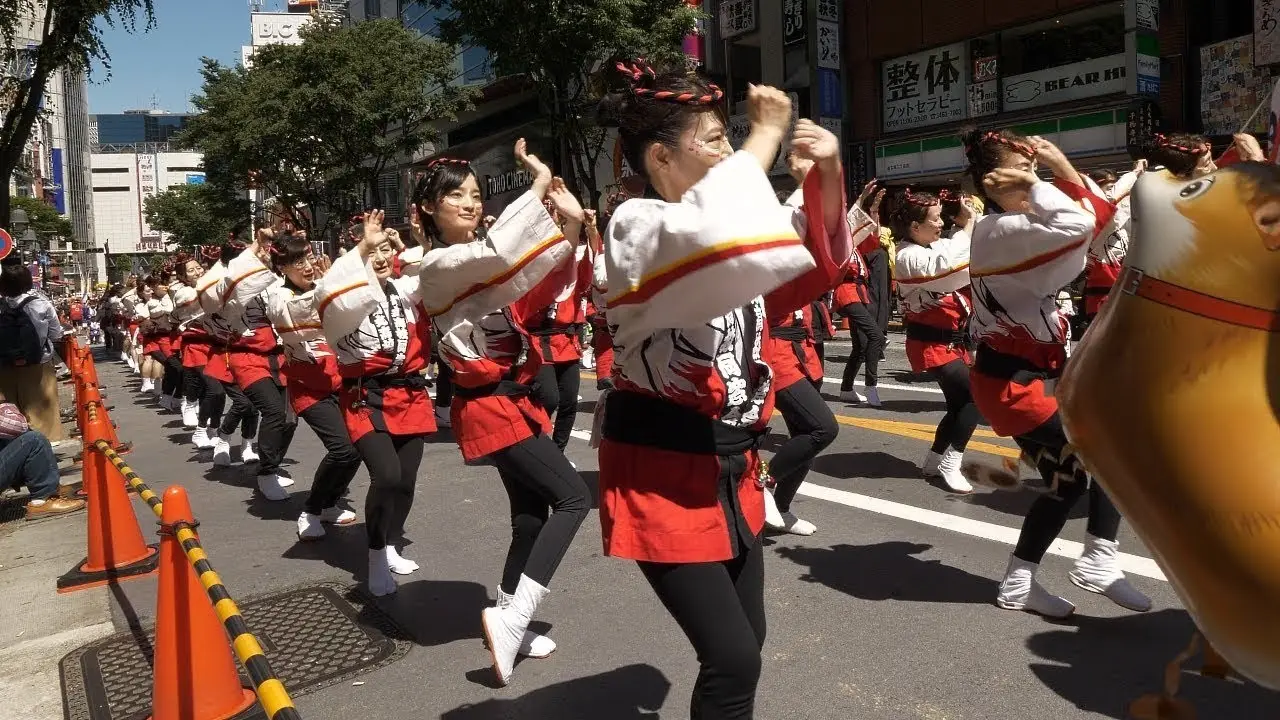
May is one of the most rewarding months for traveling in Japan. The weather is usually mild, spring colors are still visible, and the calendar is packed with festivals, flower events, and local celebrations. At the same time, the month can feel very different depending on when you travel: the first days are dominated by Golden Week, while the second half tends to be calmer and easier to enjoy.
If you want to experience Japan in May, it helps to think beyond a generic list of events. Some travelers want famous matsuri with huge crowds, others prefer flower parks, shrine visits, or slower day trips after the holiday rush. This guide highlights the seasonal rhythm of the month, the best-known celebrations, and a few practical choices that can make your itinerary much smoother.
Contents 8
Why May stands out in Japan
In much of the country, May sits in a sweet spot between cherry blossom season and the rainy weeks of June. Temperatures are usually comfortable for walking, trains and city streets stay lively, and parks, temple grounds, and riversides are pleasant for long afternoons outside. If you liked the atmosphere of spring in Japan but want fewer sakura-focused crowds, May often feels easier to navigate.
The main exception is the beginning of the month. Golden Week brings together several national holidays, which means expensive hotels, crowded trains, and busy sightseeing areas. It is still a great time if you want a festive atmosphere, but it is not the cheapest or most relaxed period. After the first week, travel usually becomes simpler and you can enjoy seasonal events with less pressure.
Golden Week and Children's Day
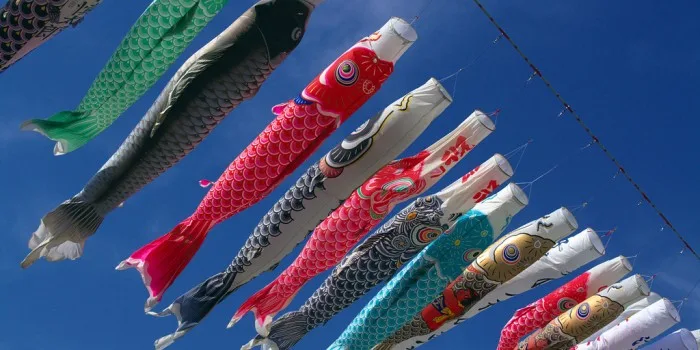
Golden Week stretches from late April into early May and shapes the mood of the whole month. Constitution Memorial Day, Greenery Day, and Children's Day all fall in this period, so many families travel, visit relatives, or spend time at parks and local attractions. Around the country, you will also see koinobori, the carp streamers displayed for Children's Day on May 5. They are one of the simplest and most recognizable signs that May has arrived.
Major festivals to plan around
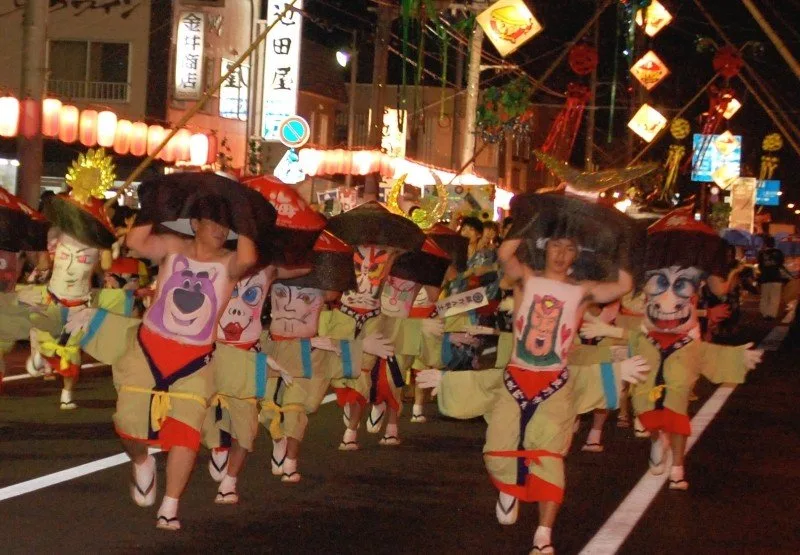
Many travelers search for Japan in May because of the festival calendar, and that makes sense. This is one of the best months to see processions, shrine traditions, dancers, mikoshi, and large public celebrations without the summer heat. Dates can change slightly from year to year, so always confirm the schedule before building a trip around a specific event.
Aoi Matsuri in Kyoto
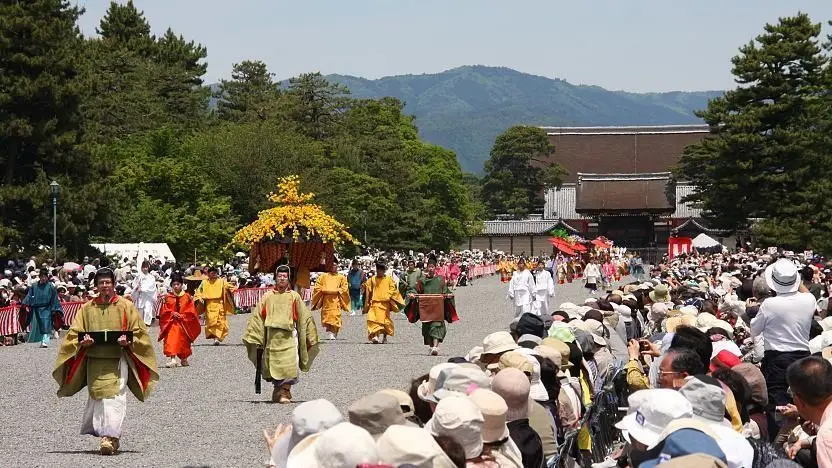
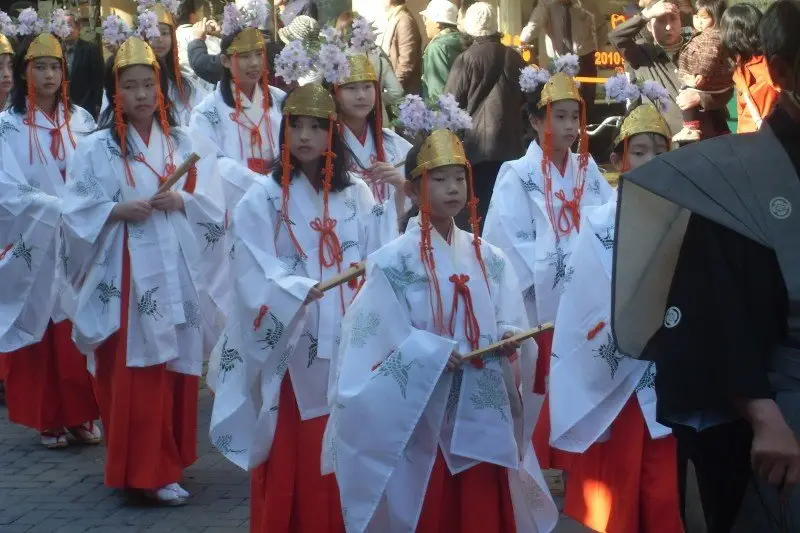
Aoi Matsuri is one of Kyoto's classic annual festivals and is known for its elegant historical procession. Rather than pure noise and chaos, it offers a more formal atmosphere, with participants dressed in court clothing inspired by the Heian period. For travelers who want to see a refined side of festival culture in Kyoto, this is one of the strongest May choices.
Sanja Matsuri and Kanda Matsuri in Tokyo
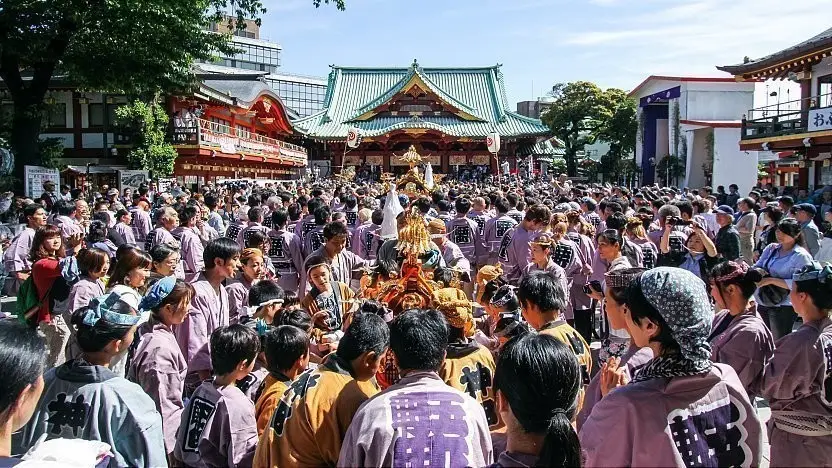
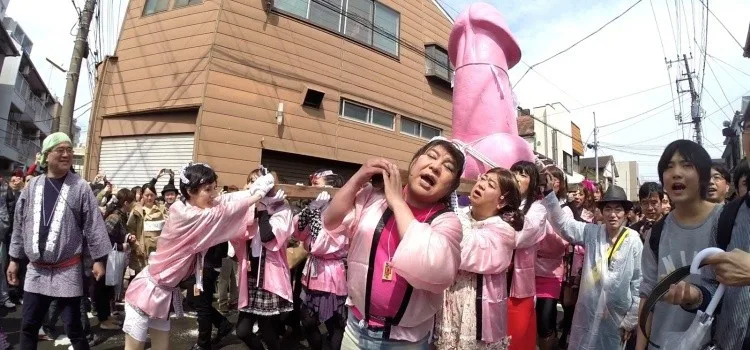
Tokyo usually gets much of the attention in May thanks to Sanja Matsuri in Asakusa and Kanda Matsuri around Kanda Myojin. Sanja Matsuri is famous for its packed streets, portable shrines, and intense atmosphere in one of the city's most historic districts. Kanda Matsuri, which is especially important in odd-numbered years, is one of Tokyo's major Shinto festivals and has a strong connection to local neighborhoods, shrine tradition, and business culture.
If you enjoy crowded urban festivals, these are the events that define May in Tokyo. They are exciting, photogenic, and culturally rich, but they also require patience. Arriving early, using nearby stations strategically, and keeping your daily plan flexible makes a real difference.
Hamamatsu and other local May events
Not every memorable May event happens in Kyoto or Tokyo. The Hamamatsu Festival in Shizuoka is well known for giant kite battles and lively street celebrations, while regional flower festivals, tea events, and shrine gatherings give a very different feel from the capital's biggest matsuri. If your itinerary includes smaller cities, May is an excellent month for finding local traditions that feel less formal and more rooted in neighborhood life.
That variety is one reason the month works so well. You can build a trip around one famous festival, then fill the rest of the week with calmer cultural stops, riverside walks, garden visits, and local food events without feeling like the pace drops too sharply.
Flowers, scenery, and seasonal outings
May is not only about festivals. It is also a strong month for travelers who want color, open air, and seasonal landscapes. One of the best-known examples is the Fuji Shibazakura Festival, where pink moss phlox spreads across the ground with Mount Fuji in the background. It has become a popular late-spring outing because it combines flower viewing with a setting that feels unmistakably Japanese.
Wisteria spots, fresh green temple grounds, and tea-growing regions are also especially attractive in May. In some areas, the month is associated with the first tea harvest, so rural routes can feel more fragrant and vivid than travelers expect. If you are less interested in major festivals, this softer side of the season may be a better reason to travel.
Practical tips for traveling in Japan in May
The most useful tip is simple: do not treat all of May the same. Early May is busy and expensive because of Golden Week, while mid- to late May is usually more forgiving. If you want easier hotel booking, lighter crowds, and a better chance to explore at your own rhythm, the second half of the month is often the safer pick.
- Book trains and hotels early if your trip overlaps with Golden Week.
- Check official festival pages before you go, because routes and dates can shift by year.
- Carry light layers, since mornings and evenings can still feel cool in some regions.
- Leave space for local events instead of planning every hour around famous landmarks.
For many travelers, May delivers the best balance between culture, weather, and movement. Whether you come for shrine festivals, flower parks, or a broader spring itinerary, the month rewards people who plan around its rhythm instead of only chasing the biggest headline events.


Community
Comments
0 comments
There are no published comments in this language yet.
Send comment