
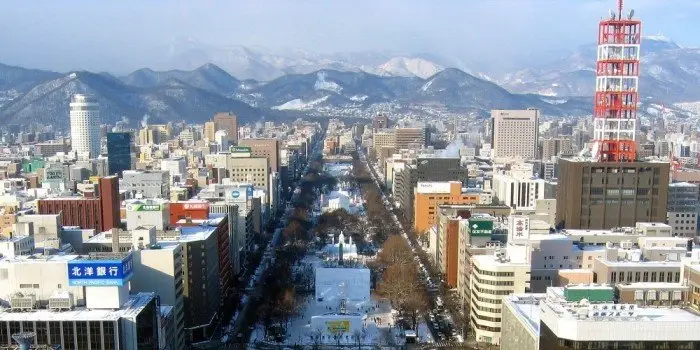
The Sapporo Snow Festival is the winter event most travelers remember after leaving Hokkaido. For one week in early February, central Sapporo turns into an open-air gallery of giant snow monuments, illuminated ice sculptures, food stalls, and crowds wrapped in heavy coats, all moving through the cold with hot drinks in hand.
What makes this festival special is not just the scale. It is the contrast between polished showcase pieces in Odori Park, the nightlife atmosphere around Susukino, and the playful side of the event in Tsudome when that family area is part of the annual plan. If you are deciding whether the trip is worth the cold, the short answer is yes, especially if you want to see Hokkaido at its most lively.
If you are planning a broader trip through the region, this Hokkaido guide covering Sapporo, Hakodate, Otaru, and Asahikawa helps place the festival within a bigger winter itinerary.
Contents 6
What is the Sapporo Snow Festival?
Known in Japanese as さっぽろ雪まつり (Sapporo Yuki Matsuri), the festival began in 1950 when local students built snow statues in Odori Park. What started as a small community event grew into one of Japan's best-known winter festivals, drawing well over two million visitors in many editions and giving Sapporo a seasonal identity that goes far beyond skiing.
The festival is usually held for about a week in February, when snowfall and low temperatures help preserve the sculptures. Because the program changes every year, it is smart to check the official venue map before your trip, but the experience stays recognizable: giant snow works by day, dramatic lighting after dark, and plenty of Hokkaido comfort food nearby.
Main festival areas and what each one feels like
Odori Park is the heart of the event and the place most first-time visitors picture when they hear "Sapporo Snow Festival." This central stretch is where you see the famous large-scale snow sculptures, citizen-made works, stage events, and the easiest photo spots.
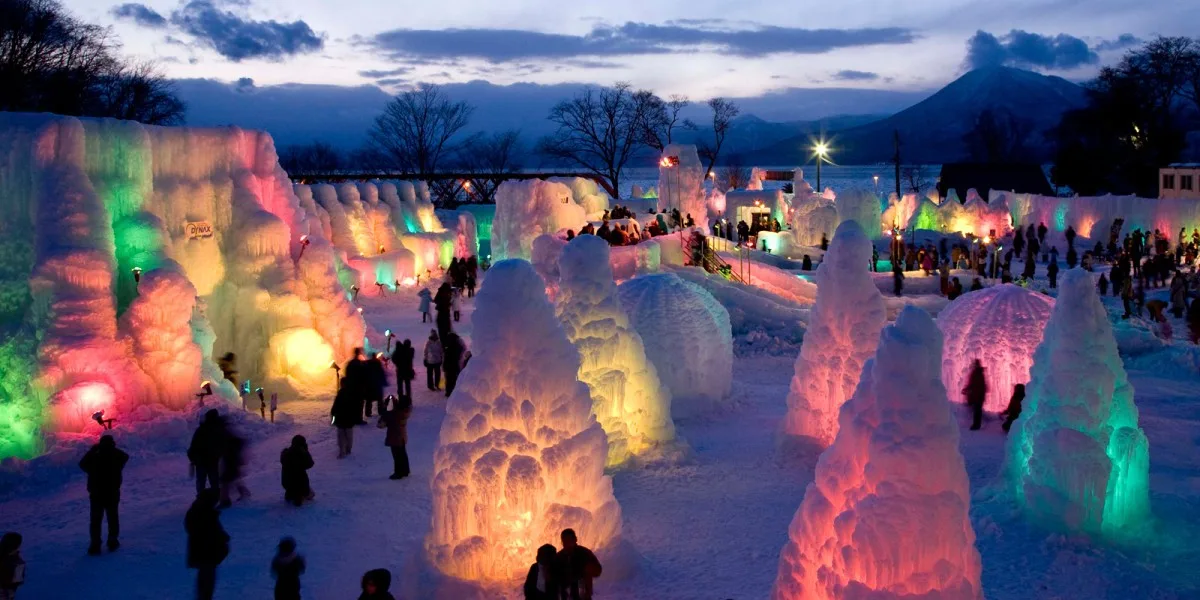
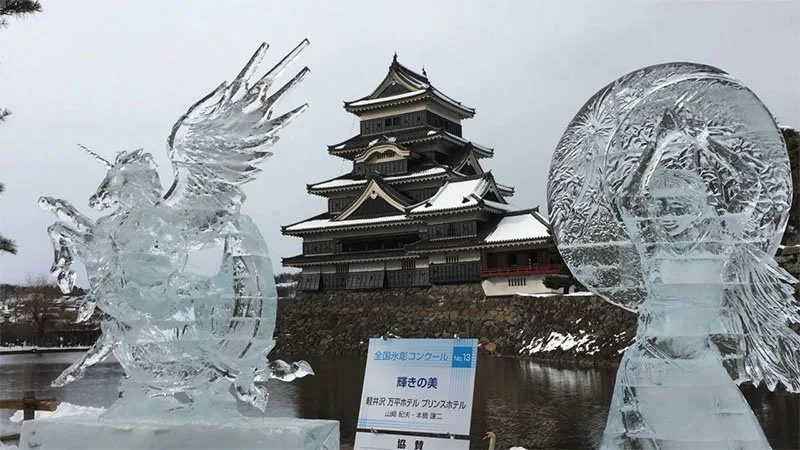
Susukino offers a different mood. Instead of huge blocks of compacted snow, the focus shifts toward ice sculptures, evening lights, and a denser urban setting surrounded by restaurants and bars. If you want the festival to feel more cinematic than family-friendly, this is usually the most memorable stop after sunset.
Tsudome, when included in the annual layout, is the area built more for play than for quiet observation. Snow slides, activity zones, indoor rest areas, and family attractions make it especially useful for travelers with children or anyone who wants a break from simply walking sculpture to sculpture.

What to see beyond the famous giant sculptures
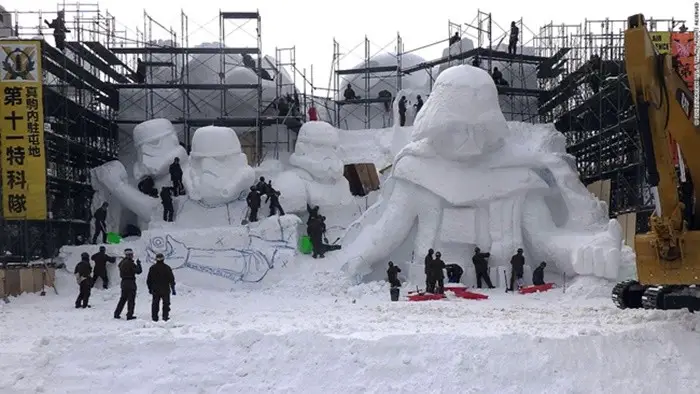
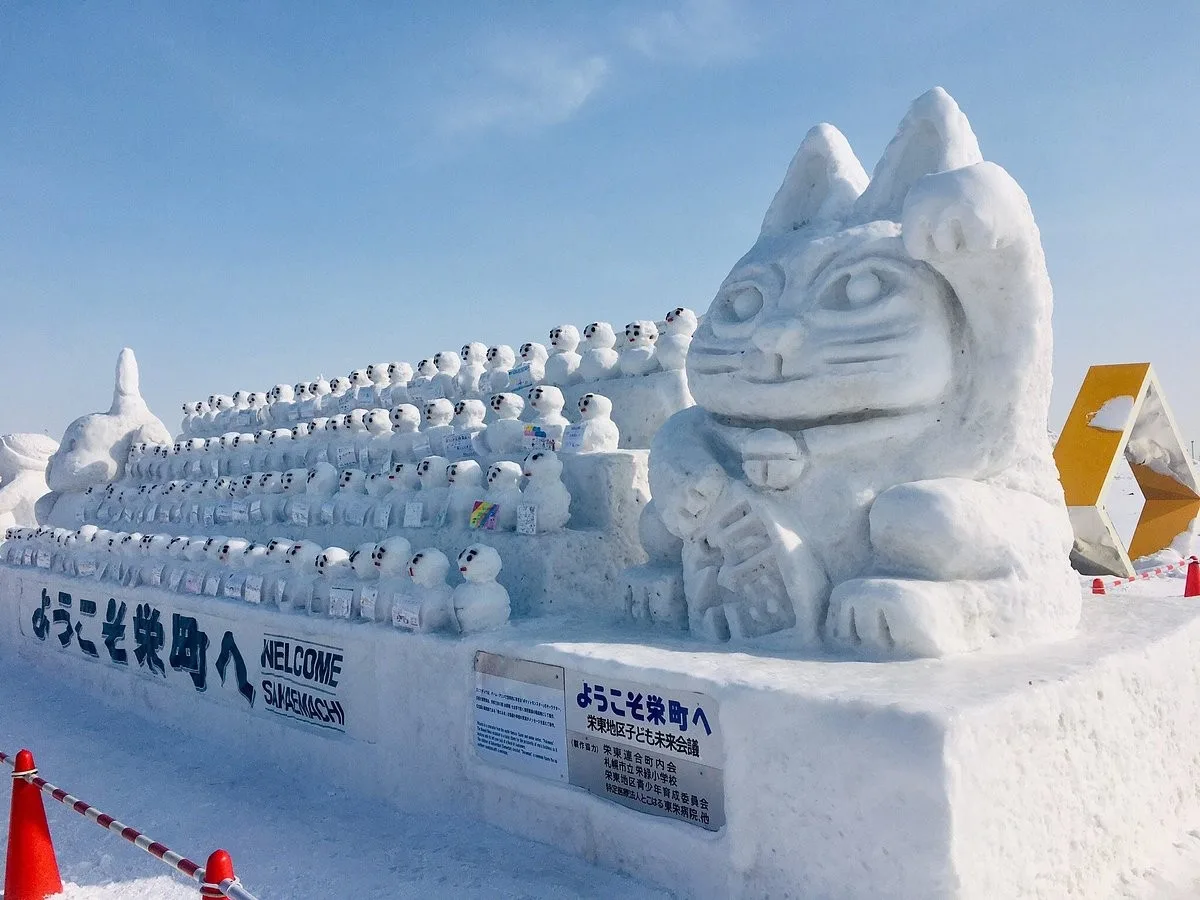
The oversized snow monuments deserve the attention they get, but the smaller details are often what make the visit enjoyable. Citizen sculptures add humor and local personality, while the international contest brings in styles and references that change from year to year. In some editions you will see historical architecture, in others pop-culture tributes, anime characters, or playful regional themes.
Food also matters more than many guides admit. Hokkaido's winter cold turns simple things into part of the memory: ramen, soup curry, grilled seafood, hot sake, and sweets eaten while your gloves are still on. The festival works best when treated as a full winter outing, not just a checklist of photo stops.
That pop-culture side appears regularly in the larger sculptures, which is why even a niche article like these Star Wars quotes in Japanese feels less random in Sapporo than it would elsewhere.
Practical tips before you go
The cold is not a minor detail. Waterproof boots, thermal layers, gloves, and something to protect your face from wind make a bigger difference than any sightseeing plan. Side streets can be slippery, and standing still for photos feels much colder than walking between venues.
Staying near central Sapporo helps a lot, especially if you want to see the sculptures once during the day and again after dark. The lighting changes the mood completely, and many visitors end up preferring the nighttime atmosphere even if daytime is better for close-up viewing and orientation.
Because the festival only lasts a short time, hotel prices and crowd density rise quickly. If your schedule allows it, try to visit early in the day for easier movement and then return in the evening for the illuminated displays.
Useful Japanese words for the festival
If you want to recognize signs, maps, and announcements more easily, these words come up often during the festival period:
- 雪祭り (Yuki Matsuri) - Snow festival
- 雪像 (Setsuzō) - Snow sculpture
- 氷像 (Hyōzō) - Ice sculpture
- 大通公園 (Ōdōri Kōen) - Odori Park
- すすきの (Susukino) - Susukino district
- つどーむ (Tsudome) - Tsudome venue
- 観光客 (Kankōkyaku) - Tourist
- 寒さ (Samusa) - Cold weather
Is the Sapporo Snow Festival worth it?
If you like winter cities at their busiest and most theatrical, it absolutely is. The festival combines public art, local food, and a very Hokkaido kind of cold that changes how the city feels. It is not just a place to look at sculptures for an hour and leave; it is one of those events that gives Sapporo a distinct personality.
For travelers building a February route through northern Japan, this is one of the easiest festivals to enjoy without special cultural knowledge. You only need warm clothes, enough time to move between venues, and the patience to slow down once the lights come on.


Community
Comments
0 comments
There are no published comments in this language yet.
Send comment