
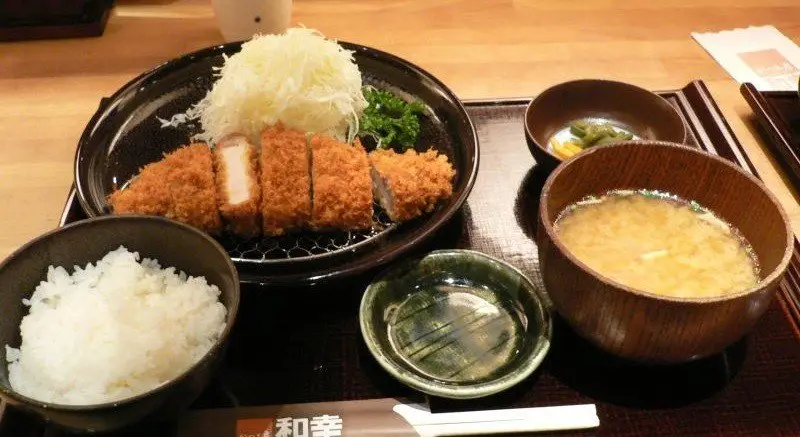
Asagohan (朝ご飯) is the everyday Japanese word for breakfast. A traditional Japanese breakfast can look surprisingly complete to someone used to toast or cereal: rice, miso soup, grilled fish or eggs, pickles, and a few small side dishes may arrive together. That set is one important breakfast style, not a rule for every household or every morning.
Modern mornings in Japan can be much simpler. Some people eat bread and coffee, fruit and yogurt, an onigiri on the way out, or whatever is easy to prepare. The useful distinction is between asagohan, meaning breakfast in general, and the familiar traditional set meal often shown in photos and served at inns.
Contents 6
What does asagohan mean?
Asagohan is written 朝ご飯, combining asa (morning) with gohan. Gohan can mean cooked rice, but it also commonly means a meal. In this expression, it means the morning meal: breakfast.
You may also see chōshoku (朝食), a more formal word for breakfast. In everyday conversation, asagohan is the word many learners encounter first.
What is in a traditional Japanese breakfast?
The classic pattern is built around warm rice and soup, then balanced with a main dish and smaller accompaniments. It is often associated with ichijū sansai, a meal pattern of one soup and several dishes served with rice. The exact number of dishes changes with the home, restaurant, season, and amount of time available.
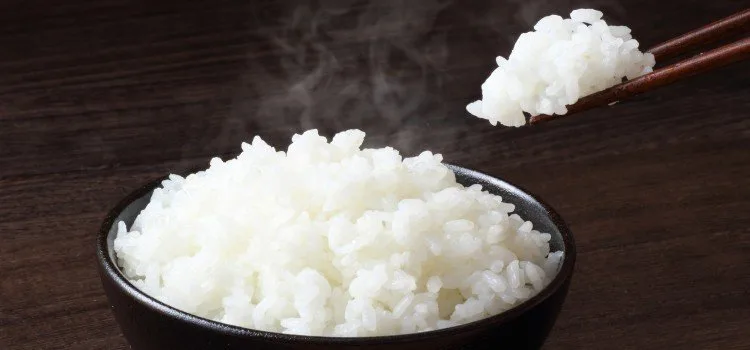
- Rice: plain steamed rice, sometimes rice porridge such as okayu.
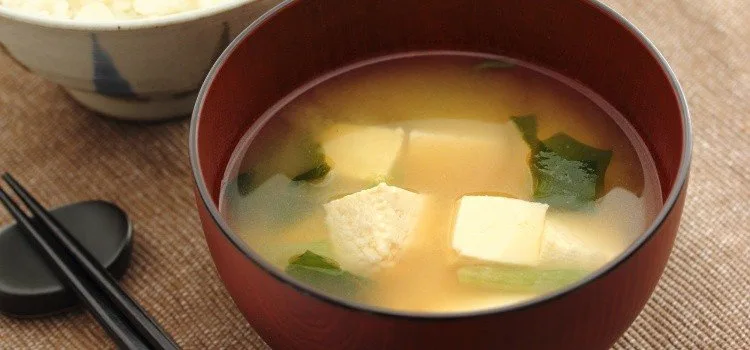
- Miso soup: a light soup that may include tofu, wakame, vegetables, or other ingredients. See our guide to misoshiru (miso soup).
- A main dish: grilled salmon or mackerel are common examples; tamagoyaki, the rolled Japanese omelet, is another familiar choice.
- Small side dishes: tsukemono (pickles), nori, natto, and vegetable dishes add contrast without turning breakfast into one large plate.
It helps to think of this as a flexible combination rather than a checklist. Rice, soup, and one good accompaniment can already feel like a Japanese-style breakfast; a full spread is more likely when there is time to cook or when breakfast is served as part of a stay.
Everyday breakfasts in Japan
There is no single modern Japanese breakfast. Bread, eggs, coffee, cereal, fruit, yogurt, and leftovers all have a place beside rice-based meals. A person may choose a full tray on a quiet morning and a quick snack on a busy day.
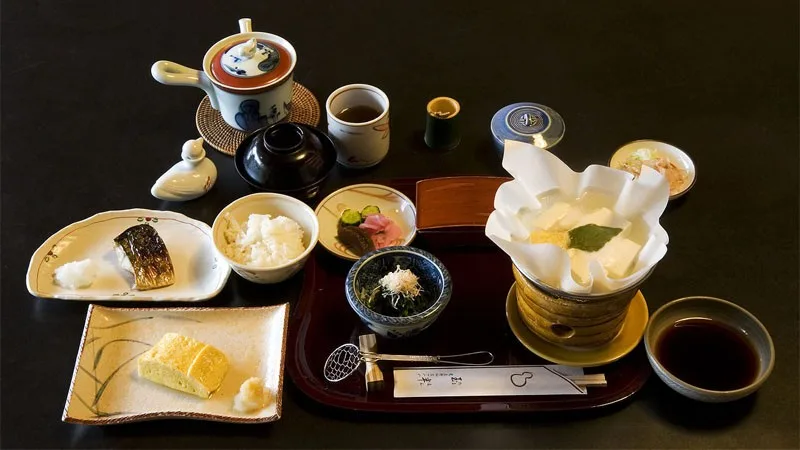
Convenience stores make the faster option easy to recognize. An onigiri is portable and filling, while a steamed nikuman, karaage, or oden can turn a quick stop into a warmer meal. These choices are convenient, but they are not the same thing as the formal breakfast set described above.
Japanese bakeries also offer a wide range of breads, sweet pastries, and savory items. Shokupan, the soft square loaf used for toast and sandwiches, is a familiar pantry staple. Read more about Japanese bakeries and breads.
Breakfast at ryokan, cafés, and hotels
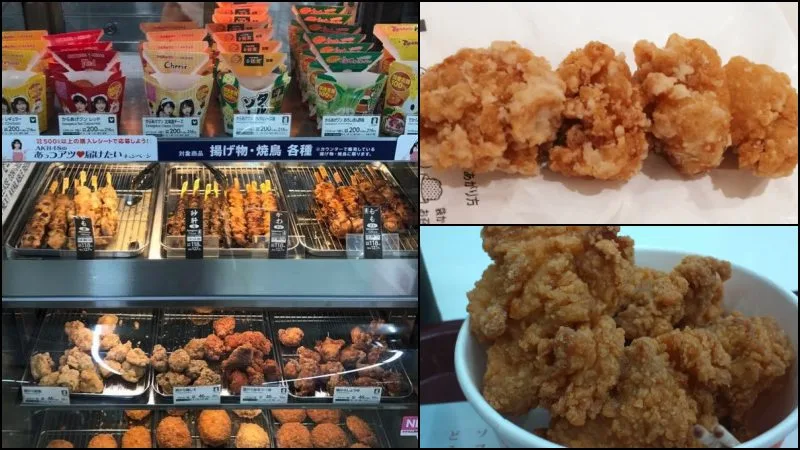
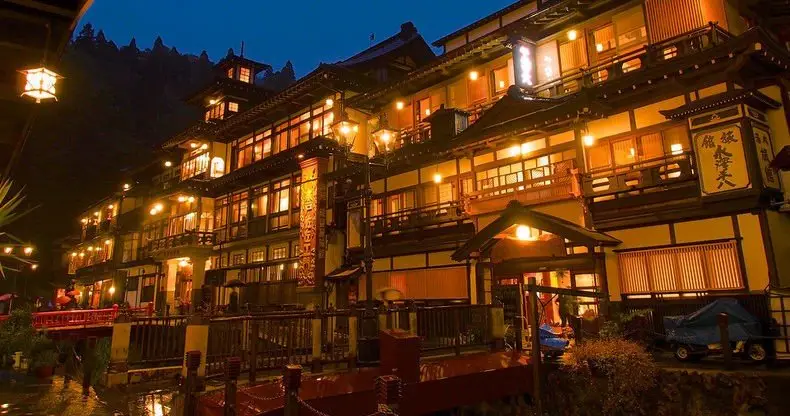
A stay at a ryokan is one of the clearest ways to encounter a traditional breakfast set. Rice, soup, fish, eggs, pickles, and several small dishes may be served together, often with regional ingredients. The menu still varies from one inn to another, so it is better to treat it as a local meal than as one national formula.
Hotels and cafés may lean more Western, more Japanese, or offer both. Toast, salad, eggs, coffee, rice, and soup can share the same breakfast buffet. When choosing where to eat, check the menu rather than assuming that every morning service follows the traditional format.

Japanese-style and Western-style choices
The contrast is useful, but it should not be exaggerated. A Japanese-style breakfast often centers on rice, soup, fish or eggs, and side dishes. A Western-style option may center on toast, eggs, dairy, fruit, and coffee. Many people mix these habits freely: miso soup with toast, rice with an egg, or coffee beside a traditional meal.
If you want to try asagohan at home, start small. Make rice or onigiri, add miso soup, then choose one protein or egg dish and one simple side. The point is not to reproduce every dish from an inn; it is to understand how rice, soup, and small savory dishes work together at the morning table.
Common breakfast words in Japanese
- Asagohan (朝ご飯): breakfast; an everyday term.
- Gohan (ご飯): cooked rice or a meal, depending on context.
- Misoshiru (味噌汁): miso soup.
- Tsukemono (漬物): Japanese pickles.
- Tamagoyaki (卵焼き): rolled Japanese omelet.
- Konbini: a Japanese convenience store.
Whether breakfast is a full traditional set, a slice of shokupan, or an onigiri bought on the move, asagohan describes the meal itself. That range is what makes Japanese breakfast worth exploring: the familiar rice-and-soup set has deep roots, while everyday choices remain practical and varied.


Community
Comments
0 comments
There are no published comments in this language yet.
Send comment