
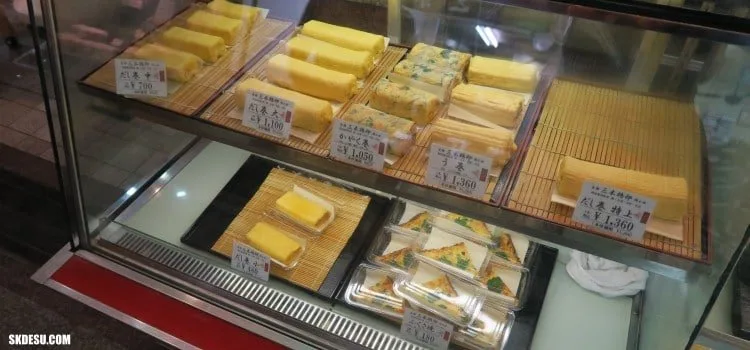
Do you know the famous Japanese omelet? In Japan, it is called tamagoyaki (卵焼き or 玉子焼き), which literally means "grilled egg". The version with plenty of dashi is called dashimaki tamago (出し巻き卵): softer, more savory, and typical of Kansai. In this article, we will talk a little about these famous Japanese omelets: quite different from what many people are used to, and very popular in Japan.
A tamagoyaki is made of eggs cooked in thin layers and then rolled up. It is usually prepared in a specific rectangular pan called a makiyakinabe. The variety of possibilities is huge: the batter can mix eggs with dashi, mirin, soy sauce, and even sake. It is often filled with whatever the cook wants, from savory ingredients to sweet ones.
Tamagoyaki is usually served as a side dish, but it is also popular as a breakfast or brunch option. Many people use it in obento (bento boxes), where it helps create beautiful, balanced arrangements. The base recipe is very simple, and you can add the seasonings and fillings you like. The biggest challenge is making a version with dashi: the mixture becomes thinner and more delicate, but the flavor is far superior.
Different types of Japanese omelets
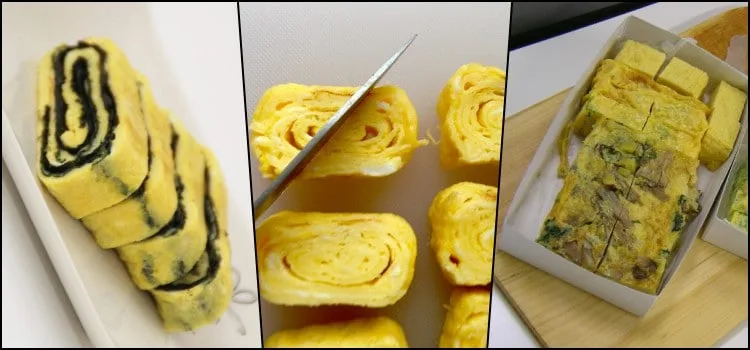
There are many variations of tamagoyaki and other Japanese omelets. Here are some highlights:
Iri Tamago: scrambled eggs formed into flakes, often used as a topping for other dishes.
Usuyaki Tamago: a very thin, sheet-cooked omelet often used to wrap temari sushi, or cut into thin strips to make kinshi tamago, a kind of shredded "omelet noodle" that is also common in sushi or as a garnish.
Omuraisu: a dish in which a thin omelet is filled with fried rice and usually topped with ketchup. Very popular in maid cafés.
There are many other types of tamagoyaki, defined by their ingredients, thickness, and preparation method. Most of them are simply named after the main ingredient used.
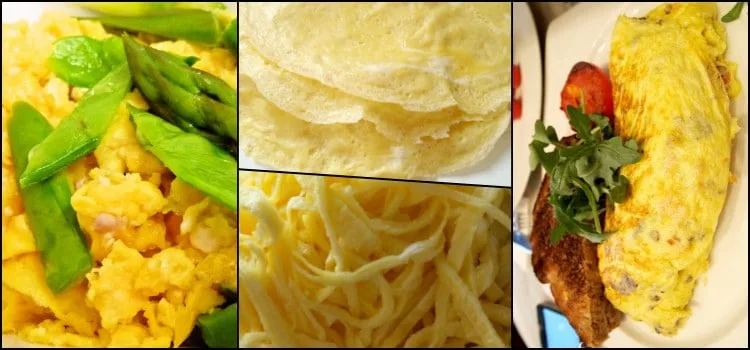
Recipe: How to make a tamagoyaki
Three tablespoons of dashi make a softer Kansai-style roll. For a firmer, sweeter Kanto version, use less broth and keep the sugar.
- 3 eggs
- 1 teaspoon of mirin or sake;
- ½ teaspoon of shoyu (soy sauce);
- 1 tablespoon of sugar;
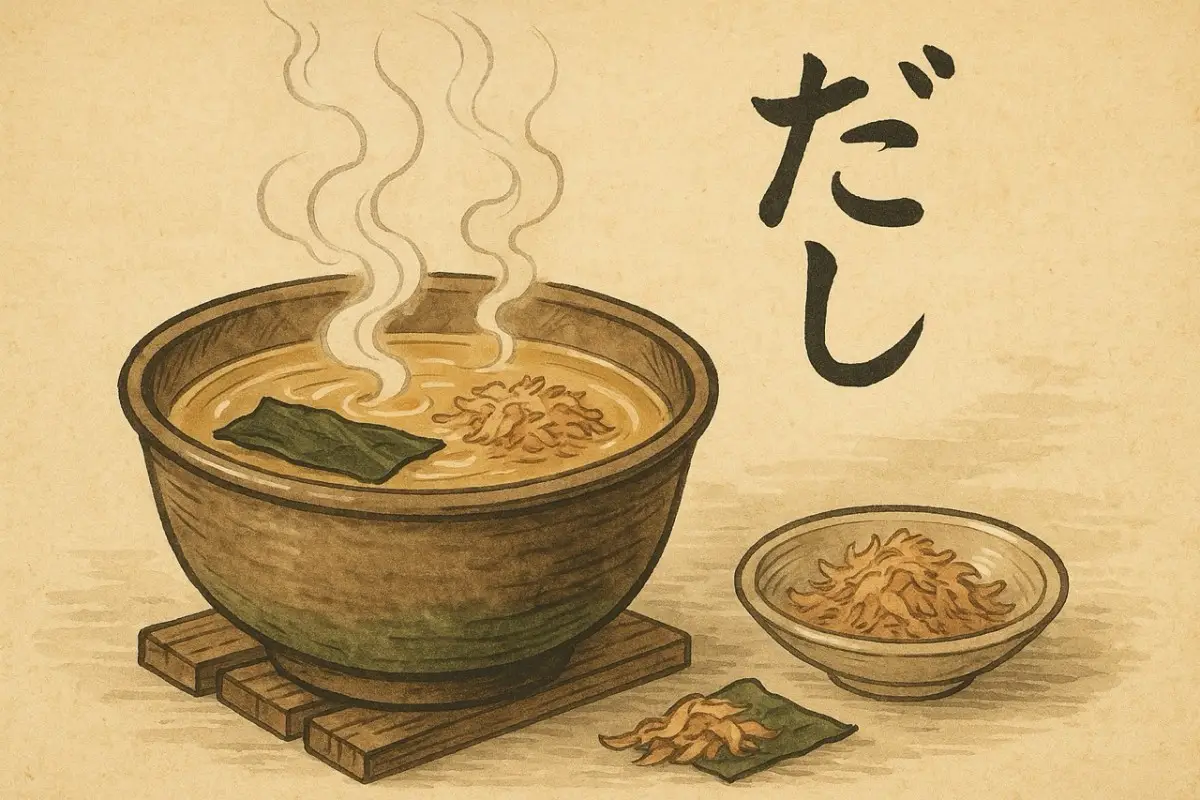
- 3 tablespoons of dashi;
- ½ tablespoon of oil;
- Filling and other optional ingredients of your choice.
First, beat the eggs together with the mirin or sake, shoyu, and dashi. Heat a non-stick pan with a little oil and pour in a thin layer of the egg mixture, as if making a thin crepe. Gently roll the omelet from one side to the other and push it to the edge of the pan. Repeat: pour in the next thin layer, slide it under the already-rolled omelet, let it set, and roll the new layer over the previous one. You can do all this with chopsticks or a spatula.
Once you have cooked and rolled all the layers, place the tamagoyaki on a bamboo mat (makisu) to shape it firmly. Let it cool slightly, then cut it into pieces and serve. It tastes just as good cold from a bento box as it does warm from the pan.




Community
Comments
0 comments
There are no published comments in this language yet.
Send comment