
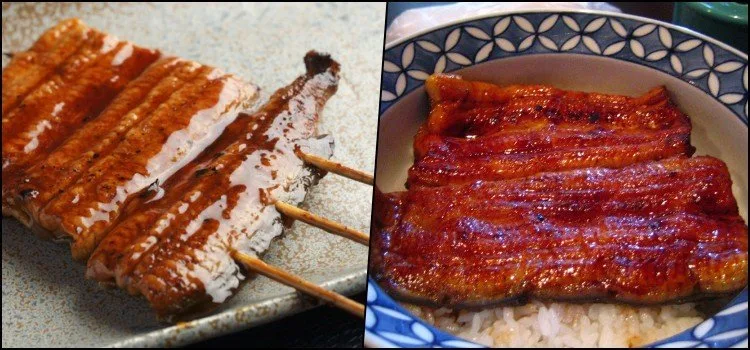
Have you ever tried "unagi"? That is the Japanese word for freshwater eel. The ingredient is deeply rooted in Japanese cuisine, and in this post we will talk a little about these eels, the dishes made with them, and the ways they are prepared. Even in anime and manga, unagi shows up often: Genta from Detective Conan, for example, is a big fan. For saltwater eels, the Japanese name is anago (穴子).
Eels are migratory fish. Although they are called freshwater eels, their life starts in the sea, and the young later swim up into the rivers. Domestic production in Japan is limited, so a large share of the unagi served in restaurants comes from aquaculture, especially from China. Unagi is rich in protein, vitamins A and B1, and calcium, and it is especially popular in summer, when the belief is that its nutrients help fight the fatigue brought on by the heat.
For some people, eel can be a tough sell at first because of its slimy texture. The good news is that Japanese cooks know exactly how to turn that into something delicious. One of the most popular ways to serve it is grilled on a skewer and brushed with a special sauce. The flavor and texture are surprising: the flesh almost melts in the mouth, leaving a unique impression. For many Westerners, the first encounter with unagi comes through sushi.

Different ways to eat unagi
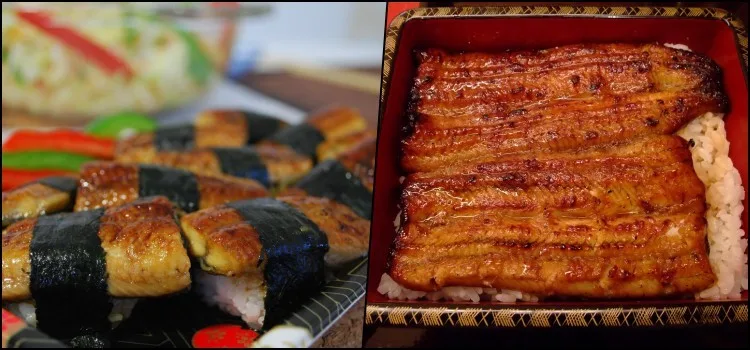
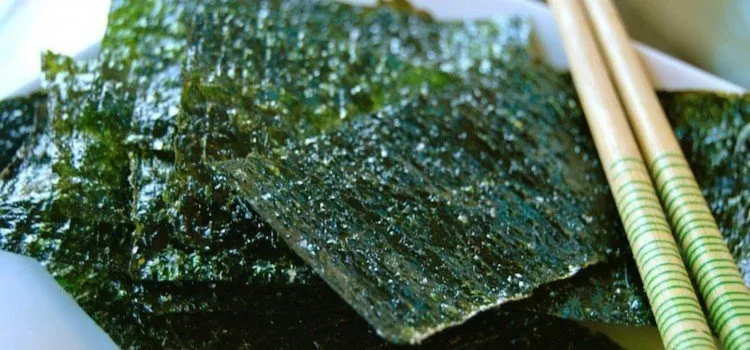
Beyond the grilled version, often served with pickles and rice, there is unadon: a bowl of rice topped with grilled eel. In a lacquered box, the same idea is called unajū. Unagi is never eaten raw, because raw freshwater fish is not considered safe. In sushi, often rolled with nori, the combination of cooked unagi and cucumber is called unakyu.
There are several preparation styles. When the eel is filleted, deboned, and grilled with sauce, it is known as kabayaki. Cooked simply with salt, no sauce, it is called shirayaki. A popular variation is umaki: thin slices of unagi rolled into a Japanese omelet.
The Japanese even use the bones: in a dish called hone senbei, the long backbone of the eel is fried or grilled until crunchy, light, and salty. The grilled liver, kimoyaki, and a liver soup called kimosui are also appreciated.
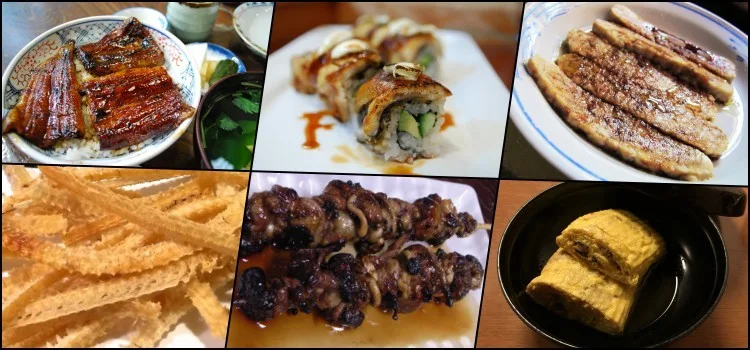
There are countless other ways to enjoy unagi, as a specialty on its own or as an ingredient in other dishes. Regional variations add still more ways of cooking it.
Curiosities about Japanese eels
Unagi is often served over rice and tends to be expensive. It is not the kind of food you can eat every day on a regular budget, partly because sourcing and preparing it well is no easy task. You cannot just walk into a market, buy a fresh eel, and turn it into a great meal without the right technique.
Unagi is, above all, a summer food. There is even a fixed place for it in the Japanese calendar: Doyō no Ushi no Hi (土用の丑の日), the Day of the Ox in the hot transition before autumn. The date moves from year to year with the twelve-day cycle. Since the Edo period, many people have eaten eel on that day.
In Japan, there are restaurants dedicated specifically to unagi, called unagi-ya (うなぎ屋), where the eel is often filleted and grilled to order. Well-known spots in Tokyo include Ishibashi, Godaime Nodaiwa, and Unagi Uomasa.
If you are in Japan, take the opportunity to try unagi for yourself. Have you already eaten it somewhere? Tell us in the comments.

Community
Comments
0 comments
There are no published comments in this language yet.
Send comment