
The seaweed nori [海苔] is widely used in Japanese food. It shows up daily in Japanese cooking and plays a quiet but important role in adding flavor to the dishes it wraps. Despite that, it remains little known outside Japan.
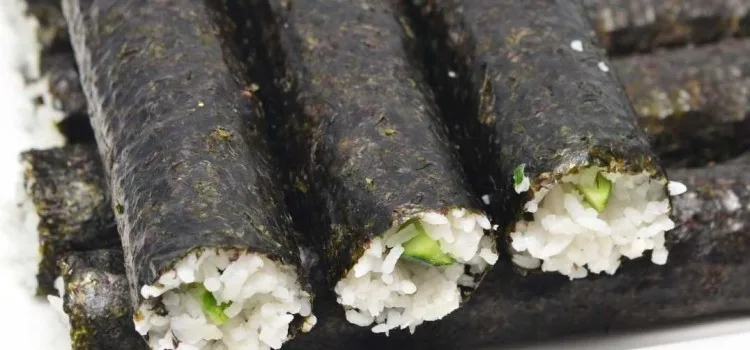
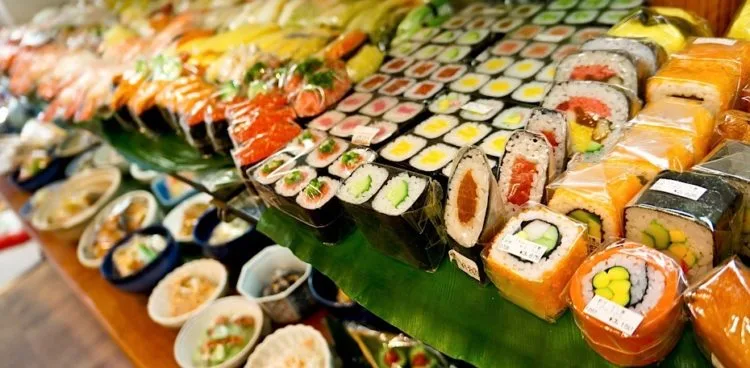
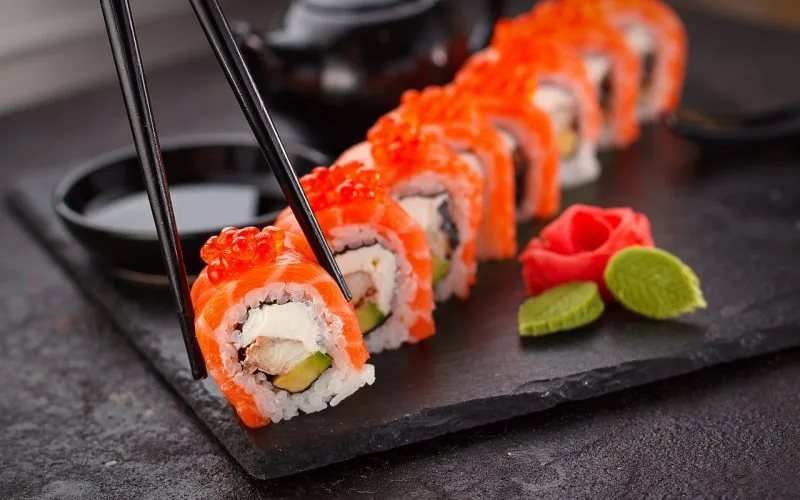
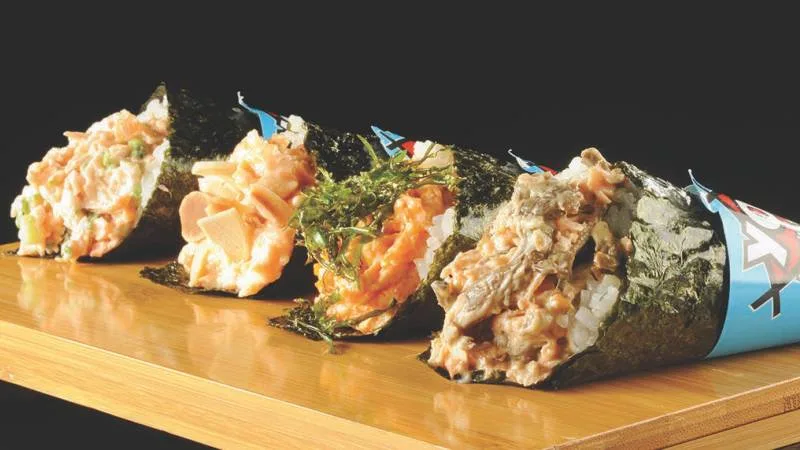
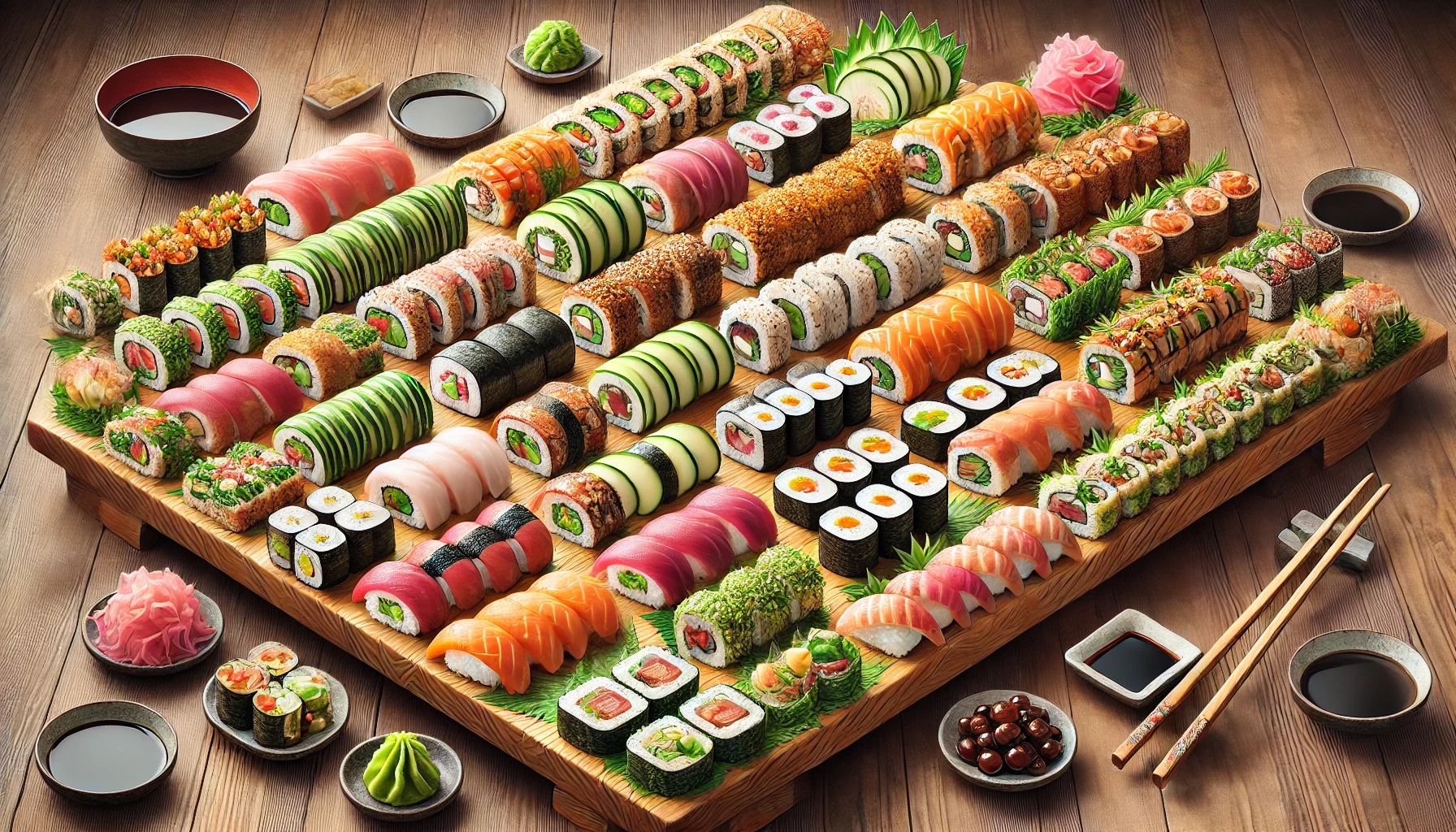
You will find it in popular dishes such as hosomaki and uramaki rolls, sushi, onigiri (rice balls), as a topping in obentōs, and in the temakis that are highly appreciated in Brazil.
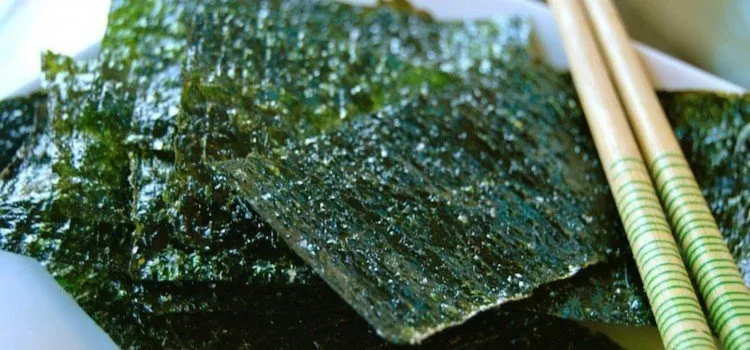
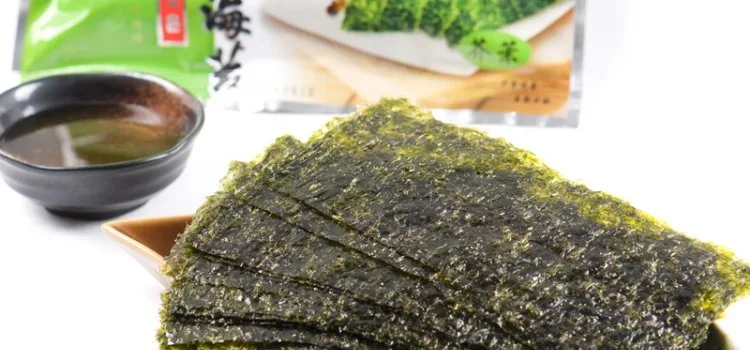
Nori is simply a thin, dry sheet made from the dehydration of edible seaweed of the Porphyra species (red algae).
If you would like to see a few curiosities about sushi, take a look at the video below:
Contents 5
Origin of Nori Seaweed
The term nori was used generically in the past and referred to seaweeds in general, including hijiki. The seaweed has a history going back to the 8th century. In the Taihō Code, taxes on the seaweed were already in place when it was enacted in 701.
Local people were assigned the task of drying the seaweed in the Hitachi Fudoki province (721 CE). In a separate source, the Izumo Fudoki (713-733), the harvesting of the seaweed is also mentioned.
All of this shows that nori is a food that has existed for many centuries. In the Utsubo Monogatari, written around 987, the seaweed was already recognized as a common and everyday food.
Nori was eaten in paste form for a long time, but around 1750 in Asakusa it acquired the sheet form we know today, thanks to a method borrowed from papermaking.
The word "Nori" first appeared in an English publication in "C. P. Thunberg's Travels," published in 1796. It was cited as "Awa nori," probably referring to what is now called aonori.
Decline of Nori
After the Second World War, nori suffered a serious decline, much like many other foods in Japan. The cause was a loss of know-how among the producers who were left.
The seaweed passes through a three-stage cycle during cultivation, and the traditional method was no longer widely understood. That changed thanks to the work of a British biologist, Kathleen Mary Drew-Baker, who researched Porphyra umbilicalis.
She grew up in Wales, where seaweed was also harvested as it was in Japan. The Japanese, learning of her research, applied new artificial processes for sowing and cultivating the algae, and the nori production industry recovered.
Kathleen Mary Drew-Baker was honored in Japan as the "Mother of the Sea," and a statue was erected in her memory. She is still regarded as the savior of the Japanese nori industry.
There is no single point of origin to point to, but as we have seen, the Japanese have been using this seaweed for many centuries, and today it remains part of their daily lives in many different forms.
How Is Nori Produced?
Nori production uses an advanced cultivation technique. It is carried out in small and large "farms" at sea, with nets suspended on the water's surface, exactly where the Porphyra seaweed grows.
It is striking how quickly it grows: about 45 days until the first harvest. A single planting can yield many harvests, in short intervals of just 10 days.

Alongside the advanced cultivation method, mechanical harvesters designed for the process are also used. After harvesting, the collected seaweed goes through another step that produces thin, dry sheets roughly 18x20 cm in size, weighing only about 3 grams each.
Most of the seaweed is produced in Japan, and China is the second largest producer, contributing around one third of global output. In Japan, the main production happens in a region called Ariake Bay, on the island of Kyushu.
Seaweed production is also an important part of Japan's coastal economy. Since 1984, seaweed has made up more than 98% of Japan's marine production, and the cultivation of Porphyra provides work for more than 16,800 people.
Health Benefits of Nori
Nori brings a number of benefits, thanks to its proteins, calcium, iron, and vitamins A, B, and C, in addition to containing almost twice as much protein as some meats.
It is a good source of iodine for the thyroid gland. Nori is rich in carotenoids, which may have a protective effect against the mutation of certain cancer cells.
Nori is also a good option if you are watching your weight, thanks to its low levels of fat and calories, and its high fiber content, which supports digestion. These benefits, though, only kick in with regular consumption.
It is worth eating often, as nori can also help in the management of conditions such as anemia and cardiovascular disease. It can help lower cholesterol and may help prevent arteriosclerosis and high blood pressure, by strengthening the walls of the arteries.
Another plus is that it supports the endocrine and nervous systems, which can show up as stronger hair, smoother skin, and better stress tolerance.
Several factors shape the quality of the seaweed. One of them is that it finds ideal growing conditions in the open ocean, where it thrives on the abundant nutrients the sea offers.
Underwater currents also release nutrients for the algae and help clear away plant waste. As a result, seaweeds concentrate more minerals than you would typically find in land plants.
Precautions When Buying Nori
In Japan, large quantities of seaweed are still grown with improper methods and processing. This can compromise the quality of the seaweed and lead to losses of the nutrients that normally come from the natural action of the sea.
To get seaweed of good provenance, it needs to be cultivated in its natural habitat and harvested from deep, clean oceans that are free from pollution. Careful processing before it reaches the shelf matters just as much. So always make sure that the nori you buy or eat at a restaurant comes from a trusted source.
If you wish to buy nori in Brazil, you can also have a look at the Konbini store. There you will find several varieties of nori, including yaki-nori and aonori.

Community
Comments
0 comments
There are no published comments in this language yet.
Send comment