
When you picture sports in Japan, two images usually come to mind first: the ceremonial world of Sumo (相撲) and the bright stadiums of the country's professional leagues. Both are real, but together they only tell a small part of the story. Japan's sporting culture is tightly woven into the school system, the after-school clubs known as Bukatsu (部活), and a centuries-old tradition of martial arts under the umbrella of Budō (武道). If you want to understand sport in Japan, you have to look at these less obvious corners too.
The list below is not meant to be exhaustive. It is a collection of curiosities you can still observe in the day-to-day life of Japanese athletes. Some will surprise you, others will simply confirm what you already suspected. One caveat worth saying out loud: habits vary by region, age group and era, and several of the traditions described here are slowly evolving.
Contents 21
School culture and Bukatsu: where Japan's sports culture begins
Any honest conversation about sport in Japan has to start in the school system. The extracurricular activities run by Japanese schools are called Bukatsu (部活), and they are much more than after-school hobbies. Students often train every day after class, on weekends and during school holidays. Participation is de facto expected at most schools, and the bond with the club shapes daily life for years.
The most common school clubs include:
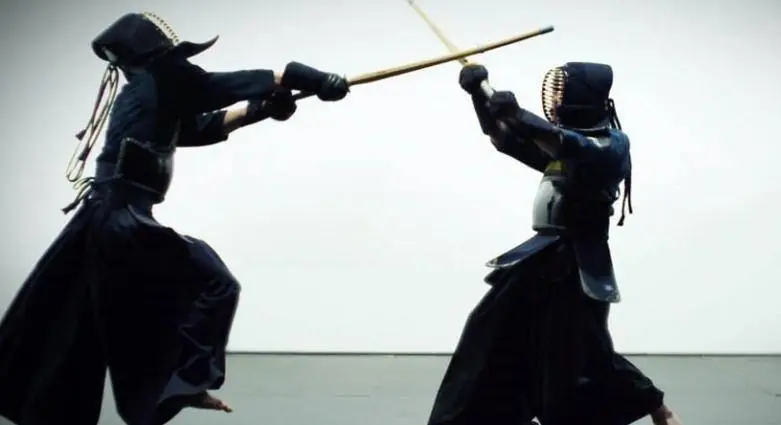
- Kendo (剣道), the “way of the sword,” practiced with bamboo swords (shinai) and full protective armor (bōgu).
- Judo (柔道), the “gentle way,” built around throws and groundwork.
- Yakyū (野球), Japanese baseball, which developed its own competitive logic as a school sport.
- Kyudo (弓道), the “way of the bow,” where concentration and etiquette matter as much as accuracy.
Belonging to a Bukatsu team is one of the defining experiences of school life in Japan, and it often echoes well into adulthood. Many of today's pros in NPB (日本プロ野球機構, Nippon Professional Baseball) or in J.League clubs began their careers in a school club.
Martial arts: judo, kendo, karate, aikido, kyudo
Japan has produced a remarkable range of disciplines under the umbrella of Budō (武道), the “way of martial arts.” Five of them still shape the picture today.
Judo (柔道)
Jigorō Kanō founded Judo in 1882 as a modern interpretation of classical jujutsu techniques. The goal is to use an opponent's force against them rather than resist it head-on. Today Judo is an Olympic discipline, a regular class in many schools, and a global self-defense art practiced worldwide.
Kendo (剣道)
Kendo grew out of the swordsmanship of the samurai and is usually practiced with the shinai, a bamboo sword. Points are scored on the head (men), the torso (dō) and the hands (kote). One distinctive rule: if a kendoka scores a clear point and then immediately strikes a celebratory pose, the point is taken away. The gesture is read as disrespect and a loss of focus, both of which go against the spirit of the art.
Karate (空手)
Karate originally comes from the island of Okinawa and became widely known in mainland Japan after the Second World War. The name literally means “empty hand,” a nod to the idea that strikes and kicks are delivered unarmed. Karate is now an Olympic discipline, taught in schools and dojos across the country.
Aikido (合気道)
Aikido was developed in the twentieth century by Morihei Ueshiba. It focuses on redirecting and neutralizing the force of an attack. Movements are usually fluid, and the throws emphasize harmony over confrontation. You can read more in our guide to Aikido, the way of unification.
Kyudo (弓道)
Kyudo, the “way of the bow,” places unusual weight on inner posture. Even the stance, raising the bow, and breathing follow a fixed ritual called Shaho Hassetsu (射法八節, “the eight stages of the shooting method”). Hitting the target matters, but it is not the only goal.
Sumo as the national sport
Sumo (相撲) is treated in Japan as a national sport with more than 1,500 years of history. It began as part of Shintō rituals, and to this day top wrestlers carry the title of Yokozuna (横綱), a name that refers to the white rope tied around the waist in the shrine.
Chanko-nabe and the wrestler's diet
Sumo wrestlers live in training stables called heya (部屋), where they traditionally eat chanko-nabe (ちゃんこ鍋), a hearty stew of meat, fish and vegetables. Most stables serve two large meals a day, one after the morning session and another in the evening. The idea is to take in more energy than training burns, building the body mass that is part of the craft.
Mawashi and the unwashed loincloth
The loincloth worn by wrestlers is the mawashi (まわし). In many heya it is not washed between training sessions, but simply hung out to dry. The reasons are a mix of tradition and superstition on one side, and the practical concern that frequent washing weakens the heavy fabric on the other.
Kamizumo: paper sumo
Sumo is not limited to the dohyō (ring). A popular children's variant is kamizumo (紙相撲, paper sumo): folded paper wrestlers are placed inside a drawn circle, and the player taps around the edge until the opponent is knocked out of the ring. Kamizumo contests are still held in schools and community centers, and you can see a softer take on the tradition at events like the Nakizumo baby-crying festival.
Professional sports: NPB, J.League and the fans
Two team sports dominate the professional scene in Japan: baseball and football.
Nippon Professional Baseball (NPB)
The NPB league is made up of twelve teams split across two leagues, the Central League and the Pacific League. The season's headline event is the Japan Series in autumn, where the champions of both leagues face off. The twelve clubs are now firmly rooted in stadiums such as the Tokyo Dome, Koshien Stadium and the Mazda Zoom-Zoom Stadium in Hiroshima. For a tour of the most iconic line-ups, see our guide to the 12 major baseball teams.
The organized fan culture
One of the biggest differences between Japanese professional baseball and the game elsewhere is the organized fan culture. Supporters of each club sit in dedicated sections, sing team fight songs to the rhythm of trumpets and taiko drums (太鼓), and release thousands of balloons into the air at key moments in the game. These choreographies are rehearsed over the years and are as much a part of a home game as the play on the field.
J.League and Japanese football
J.League was founded in 1993 and turned Japanese football into a fully professional competition. Players such as Hidetoshi Nakata, Shinji Kagawa and the current generation of Japanese pros at top European clubs have shaped how the country is seen abroad. Women's football has also moved into the spotlight: the WE League and the Nadeshiko national team's World Cup runs have changed the sporting landscape.
Koshien: the sacred high-school tournament
Every summer, the best high-school teams from all 47 prefectures meet at Koshien (甲子園), the national baseball championship named after the stadium in Hyōgo Prefecture. Around 4,000 teams play their way through regional qualifiers to reach the tournament, and every game is broadcast live on national television. Players who lose often fall to the ground in tears, and many shout “Zutto, zutto, ikō ze” (ずっと、ずっと、行こうぜ, “We will keep going, all the way”) while classmates at the fence try to hold back their own tears.
Tradition, senior sports and unusual competitions
Beyond the big federations, Japan keeps a long list of small, unusual traditions alive.
Nenrinpics: the senior olympics
Since 1988, Japan has hosted the Nenrinpics (ねんりんピック), a kind of senior Olympics for athletes aged 60 and over. The name blends nenrin (年輪, “tree rings”) with “Olympics.” Over four days, participants compete in tennis, marathon, kendo, table tennis, Go, Shogi (将棋, Japanese chess), and even haiku. The host prefecture rotates every year.
Kemari: football of the court nobles
One of the oldest ball games in Japan is Kemari (蹴鞠). Players keep a leather ball in the air with their feet, never letting it touch the ground. Kemari was a favorite pastime at the courts of the nobility in the seventh century, and it is still played today at Shintō shrines and traditional festivals.
Sports, anime and manga
Japanese pop culture has helped shape the country's sporting life. Series like Captain Tsubasa for football, Slam Dunk for basketball, and Haikyū!! for volleyball have pushed generations of children and teenagers to pick up a club sport themselves. You can find a longer list in our roundup of 5 animes that helped popularize sport in Japan.
More than Sumo and J.League
If you define sport in Japan only through the big pro leagues and the traditional sumo ring, you miss the core of it. The country's sporting culture lives in the tight link between Bukatsu and the school system, in Budō disciplines such as Kendo, Judo and Kyudo, in the organized fan culture inside the stadiums, and in unusual events like the Nenrinpics or the centuries-old game of Kemari. If you have ever watched a high-school game in a small stadium, attended a kendo demonstration at a shrine, or sung fight songs in an NPB outfield, you already know why this mix of tradition, discipline and everyday ritual is so easy to fall for.
If you are planning a trip to Japan, look beyond the obvious: catch a Koshien game on TV in August, sit in on a kendo demonstration, or try a few kicks in a kemari circle at a shrine in Kyoto or Nara. The list of sports the Japanese love most is a good starting point to pick what to try first.

Community
Comments
0 comments
There are no published comments in this language yet.
Send comment