
In this article, you will understand all the phases of the Japanese school system such as Yôchien, Shôgakkô, Chûgakkô, Kôkô, and Daigaku.
Education in Japan goes far beyond tests and neatly aligned uniforms. Each phase of the school system carries a well-defined purpose and profoundly shapes the behavior and mindset of students.
From the early years in Yôchien, through the halls of Shôgakkô, to the challenges of universities (Daigaku) and technical schools, each stage brings unique demands and memorable experiences. Follow along and understand how the system is organized and what really matters at each phase.
If you have ever wondered how the Japanese manage to maintain such discipline and social cohesion, part of the answer is here.
Contents 19
Yôchien – The Japanese kindergarten
Before compulsory school, many children attend Yôchien, something similar to preschool or kindergarten. It is an optional phase but extremely common in Japan.
Teaching more than just play
The focus goes far beyond toys and songs. From an early age, children learn about social coexistence, responsibilities, and basic rules of etiquette. Activities such as organizing their own materials, storing shoes, and participating in collective events are common.
Age and routine
Normally, Yôchien accepts children between 3 and 6 years old. Attendance is usually half-day, but there are full-time options. And don't be fooled: students have uniforms, school agendas, and participate in school festivals from this age.

Shôgakkô – Elementary school I
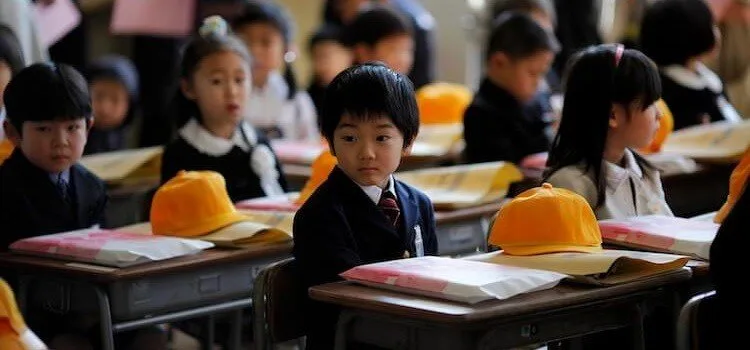
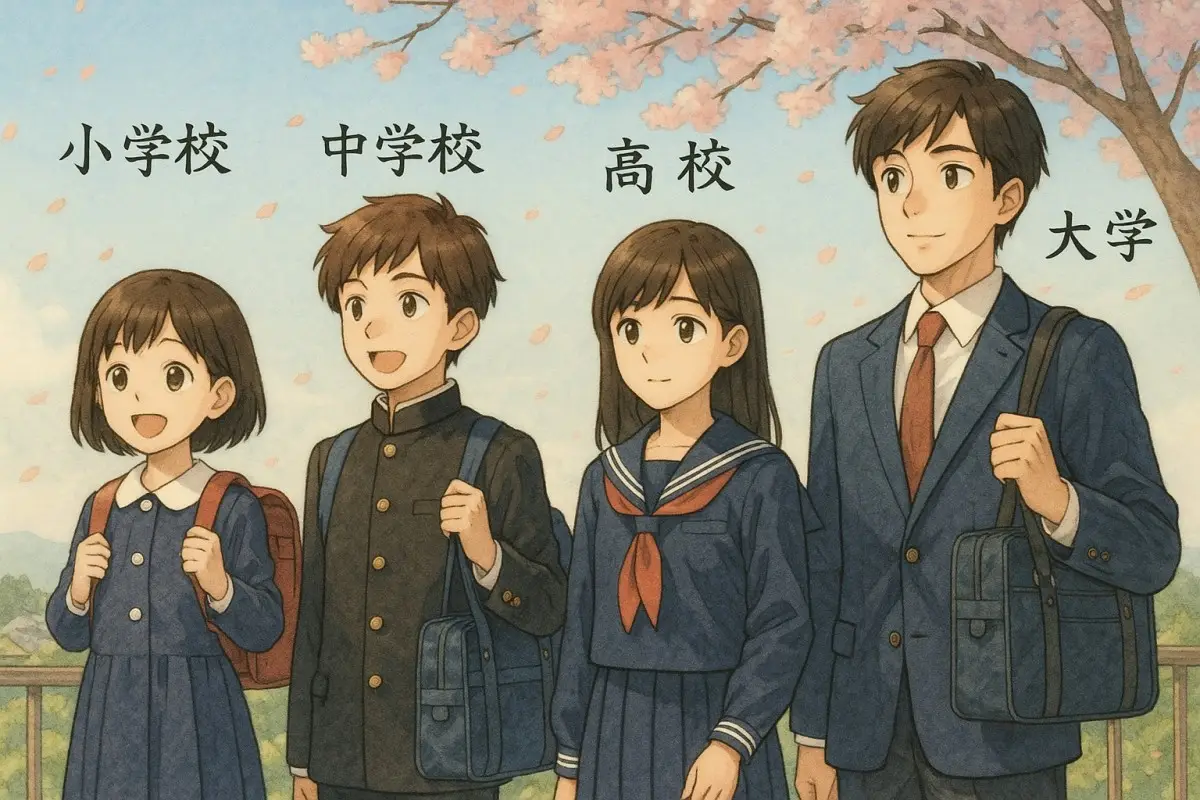
At six years old, the compulsory journey officially begins. Shôgakkô (小学校) corresponds to the first six years of education, similar to elementary school I in other countries.
What is learned in Shôgakkô?
Don't expect just reading and math. Children study moral education (道徳), calligraphy (書道), home economics, and even participate in cleaning the school. Discipline starts early. They also have a rotating class leader system, which encourages a sense of duty.
Intense school life
The daily journey goes beyond classes: there are extracurricular activities, school-organized lunches, and even earthquake evacuation drills. Parents are also frequently involved in school activities, reinforcing the community-school bond.
Chûgakkô – Elementary school II
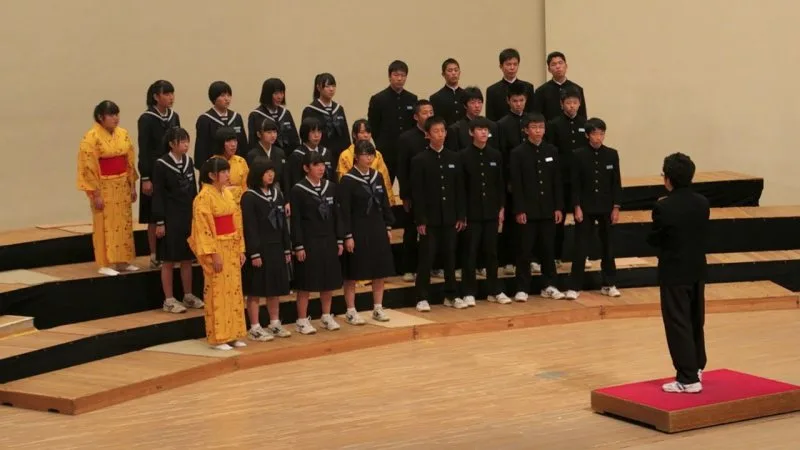
Chûgakkô (中学校) comprises the 7th to 9th grades, being a mandatory part of the system. This is where the pressure begins to increase.
More subjects, more responsibilities
In addition to core subjects like Japanese, math, and science, students face frequent tests, mandatory school clubs, and the beginning of grades that have a real impact on the future. It is common for many to attend juku (cram schools) in the afternoon or evening.
Uniforms and social hierarchy
Everyone wears strict uniforms, and there is a clear hierarchy among the grades. Upperclassmen have more voice, and newcomers learn early to respect this structure. Social relationships within the school shape how Japanese teenagers behave in society.
Kôkô – Japanese high school
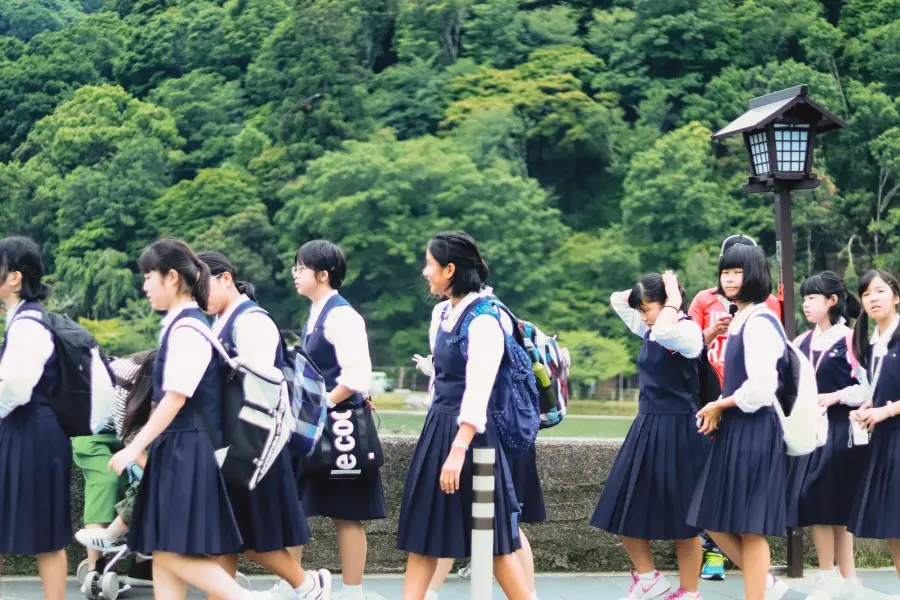
Unlike the previous ones, Kôkô (高校) is not mandatory, but almost all young people continue. Lasting three years, this phase is crucial.
Entrance exams
Yes, to enter high school, the student must pass exams. The most prestigious schools are extremely competitive. The choice of Kôkô already directs future options for university.
Division by areas
There are academic, technical, and even artistic high schools. Some offer a curriculum focused on exact sciences, others on humanities or languages. This allows for early career direction.
Stress and dedication
The workload can exceed expectations. Many students attend cram schools at night and sleep little. It is common to see young people studying on the train, walking, or during lunch. The routine is demanding but seen as a rite of passage.
Daigaku – The university in Japan
Higher education in Japan is where, finally, the student can breathe a little. But to get there, the path is tense.
National entrance exam
The admission exam for public universities is extremely demanding. There are private universities as well, such as Waseda or Keio, which conduct their own exams. The selection process is relentless.
University life
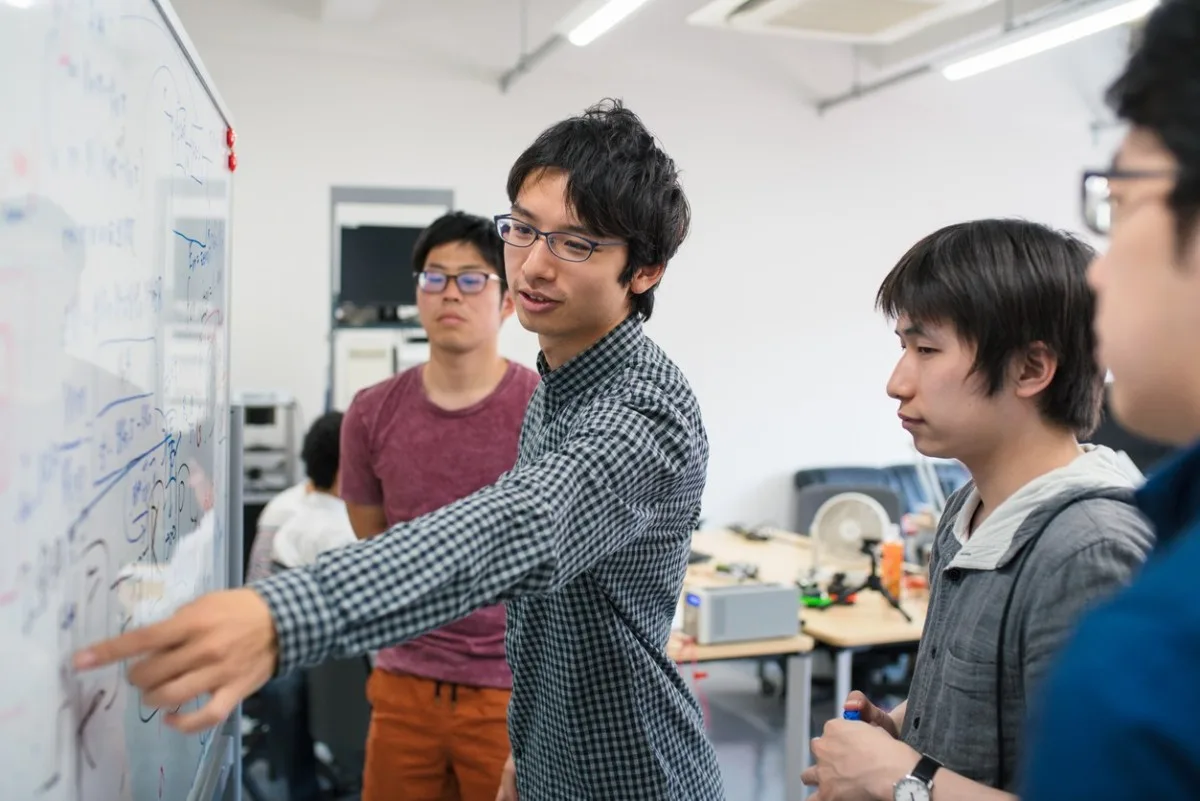
Upon entering, the routine changes significantly. There is more freedom, less rigidity. Students get involved in clubs, part-time jobs, and even trips. Classes are more theoretical, with less continuous demand than in previous phases.
Renowned colleges
Among the most prestigious are:
- University of Tokyo (Todai) – focus on research and academic excellence.
- Kyoto University – tradition and strong in humanities and sciences.
- Osaka University – highlight in engineering and medicine.
Senmon Gakkô – Technical and vocational schools
Not everyone follows the university path. Senmon Gakkô (専門学校) offer technical courses lasting 2 to 3 years in areas such as design, IT, fashion, nursing, and hospitality.
They are highly practical and job market-oriented, with mandatory internships and specific curricula. Many foreigners also choose this path for being more direct and financially accessible.
Curiosities of the Japanese educational system
- Academic year: starts in April and ends in March of the following year.
- Short vacations: summer vacations last about a month, much shorter than in many other countries.
- Cleaning system: students themselves clean the school daily, strengthening the sense of responsibility.
- Public vs. private schools: public schools are strong, but private ones are often seen as a prestigious alternative.
Want to better understand how these schools shape Japanese society? Observe the punctuality of trains, the discipline on the streets, and the courtesy in service. It all starts in the classroom.
If you are thinking of studying in Japan or want to understand how the system forms such dedicated professionals, you now have a good overview. Choose the path that suits you best — and don't be afraid to go beyond university, because Japan offers much more than degrees.
To complement your reading, we recommend:






Community
Comments
0 comments
There are no published comments in this language yet.
Send comment