
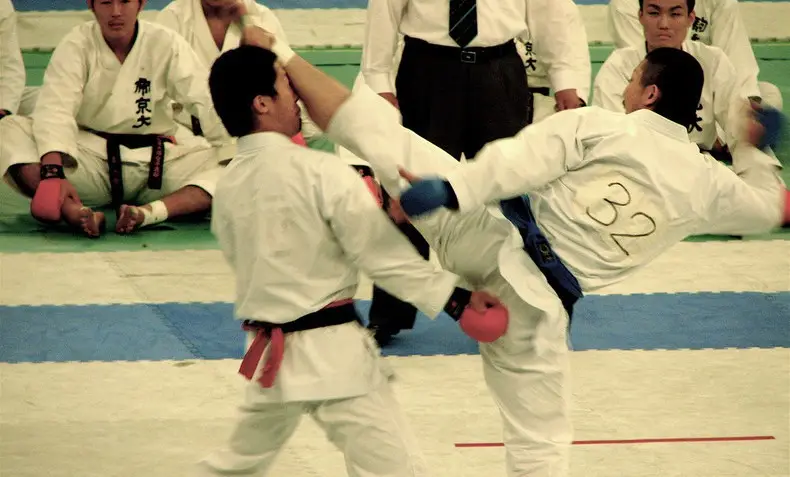
Karate is a Japanese martial art with roots in Okinawa, built around unarmed techniques, disciplined training and a strong culture of respect. If you want the short answer first, karate is not just “punching and kicking.” It is a method of training the body, timing, posture and self-control through repeated practice.
The word itself is usually explained as “empty hand,” from kara (empty) and te (hand). That definition is useful, but it only tells part of the story. Karate also carries the idea of a path of practice, which is why many schools use karate-dō, the way of karate.
If you enjoy this subject, it also helps to see how karate sits beside other Japanese martial arts and why terms such as jutsu and sensei are used so often in dojo life.
Contents 7
Where karate comes from
Karate was shaped in Okinawa, where local fighting traditions gradually absorbed outside influences, especially through the old Ryukyu Kingdom’s contact with China and other parts of Asia. The exact starting point is hard to pin down, but Okinawan history is essential here. Earlier forms were tied to places such as Shuri, Naha and Tomari, which is why you still see names like Shuri-te and Naha-te in discussions about karate’s roots.
That background matters because it explains why karate feels both practical and cultural. It developed as a fighting method, but it also absorbed etiquette, repetition, lineage and a strong sense that training changes the person, not only the technique.
What “empty hand” really means
At the most basic level, “empty hand” points to unarmed combat. You train the body itself as the tool: fists, open hands, elbows, knees, footwork, distance and balance. In practice, though, the phrase also hints at attitude. A good karate class teaches economy of movement, control under pressure and the habit of staying composed before reacting.
That is one reason karate still appeals to very different people. Some enter the dojo for self-defense. Others want competition, fitness or structure. Many stay because the training demands patience in a way few hobbies do.
How karate training works
Traditional karate training is often explained through three connected elements: kihon, kata and kumite.
Kihon is the basics: stances, punches, blocks, kicks, turns and body mechanics. It is where posture and clean movement are built. Without solid basics, everything else becomes sloppy.
Kata is a set sequence of techniques performed in a defined order. To a beginner it can look like solo choreography, but the real point is precision, rhythm, breathing, focus and the practical logic hidden inside the movements.
Kumite is partner work or sparring. Depending on the school, it may begin with structured drills before moving into freer exchanges. This is where distance, timing and emotional control become obvious very quickly.
If you want a companion read after this overview, our guide to karate vocabulary and techniques helps make dojo language less intimidating.
Styles and approaches
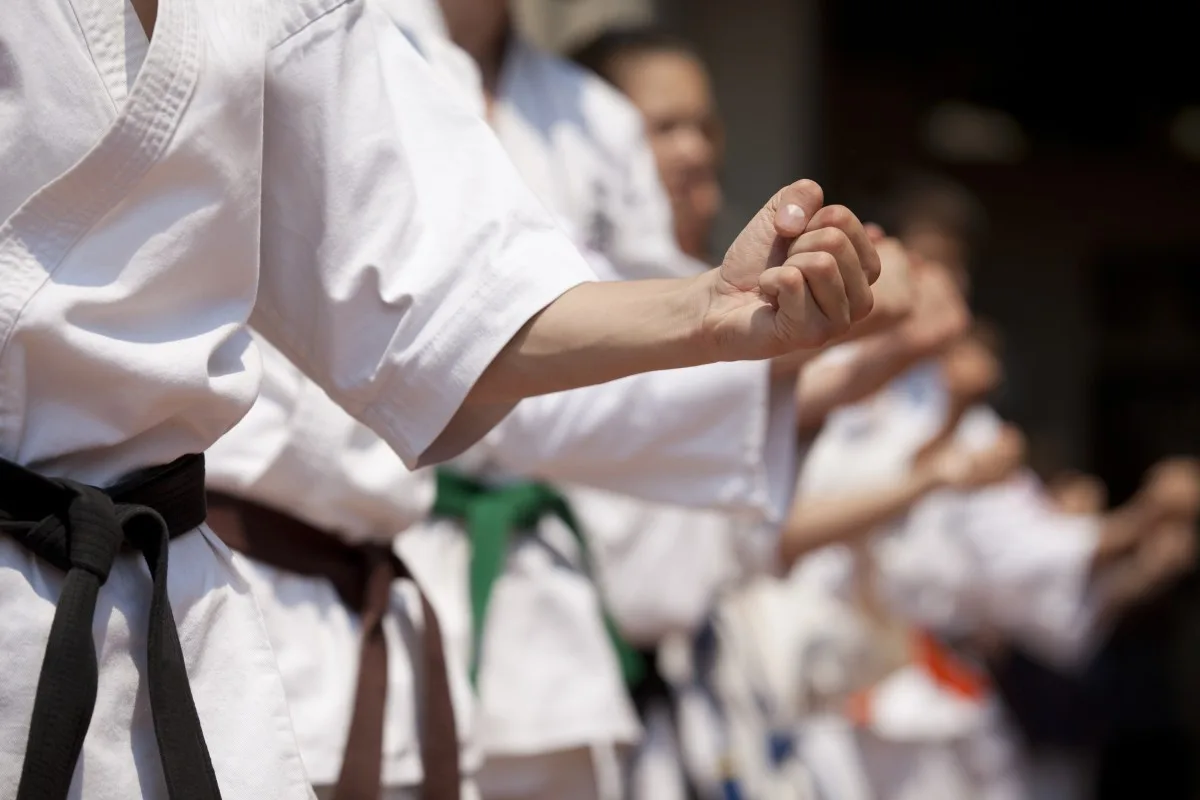
There is no single universal karate experience. Different schools emphasize different rhythms, postures and training methods. Some are known for long, deep stances and linear power, while others focus more on circular movement, close-range work or body conditioning.
That is why two people can both say they practice karate and still train in noticeably different ways. Shotokan, Goju-ryu, Shito-ryu and Wado-ryu are among the best-known styles, but even inside one style the tone of training changes from dojo to dojo.
Karate as a sport and as a discipline
Modern sport karate usually highlights two public-facing formats: kata and kumite. In competition, kata is judged as a formal performance, while kumite is the fighting discipline scored through clean, controlled techniques. That competitive side made karate more visible worldwide, but it does not erase the broader training culture found in many dojos.
Outside tournaments, practice often revolves around repetition, etiquette, partner drills and the slow process of improving movement little by little. In other words, karate can be a sport, but it is not limited to sport.
Benefits of practicing karate
Physically, karate can improve coordination, mobility, balance, reaction time and general conditioning. Mentally, it rewards focus and consistency more than instant talent. A student who keeps showing up with attention usually improves, even without athletic background.
There is also a social side many beginners do not expect. Good dojos build an environment where etiquette is not empty ceremony. Bowing, listening, waiting your turn and helping less experienced students are simple habits, but together they shape the atmosphere of training.
That blend of discipline and humility is part of why karate has lasted. It gives people a practical skill, but it also gives them a routine that keeps demanding better posture, better patience and better judgment.
How to start learning karate
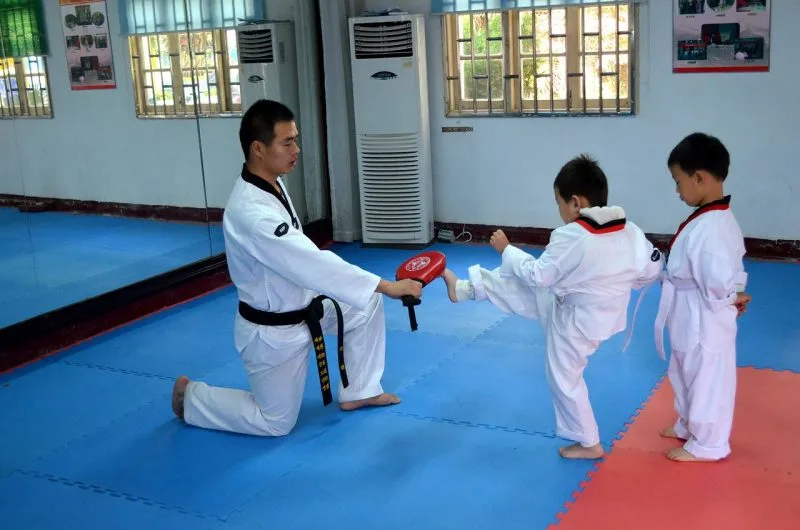
If you are thinking about starting, the best first step is not buying gear or memorizing Japanese words. It is visiting a dojo, watching a class and paying attention to how the instructor teaches. A serious school should explain clearly, correct basics without ego and make beginners feel challenged without being lost.
Ask what kind of karate is taught, whether classes are aimed at children, adults or competitors, and how much partner contact is expected. Those details matter more than a flashy website or a wall full of belts.
Karate tends to reward the same kind of student it shapes: someone patient enough to repeat, observant enough to adjust and calm enough to learn one detail at a time.

Community
Comments
0 comments
There are no published comments in this language yet.
Send comment