Want to learn Japanese online?
Email
Website
On Suki Desu, Japanese vocabulary brings together word lists, kanji, kana and how the words are actually used.
Learning Japanese involves more than memorising vocabulary and understanding grammar.
Simple Japanese phrases for peace and hope.
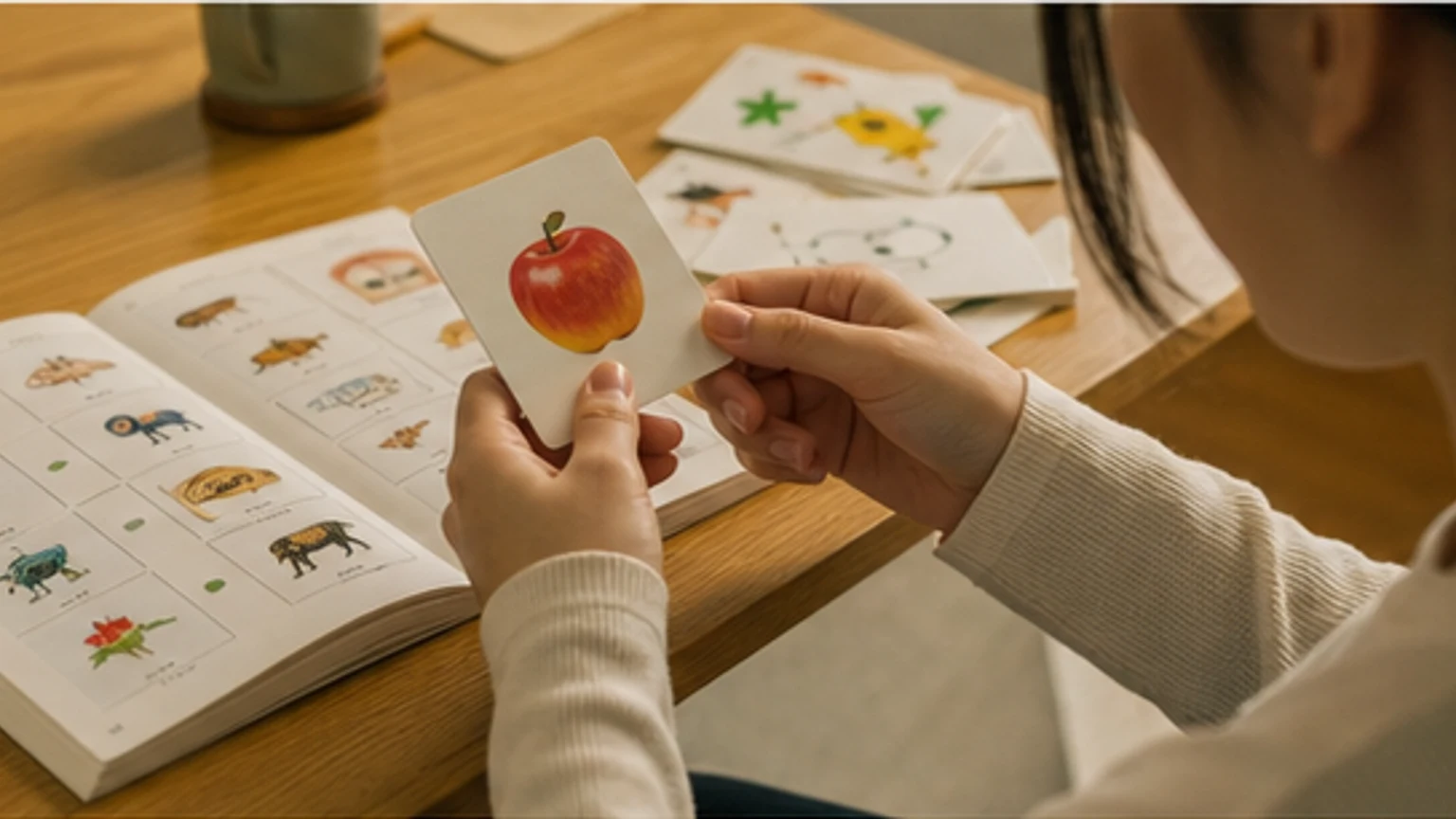
A simple visual tool for building vocabulary across languages.
From Muchimuchi to Mankitsu: 10 Japanese words that turn up the heat
Six Japanese words that let you say “obvious” naturally in any situation.
The Japanese words for “beginning” are close, but grammar and setting change the natural choice.
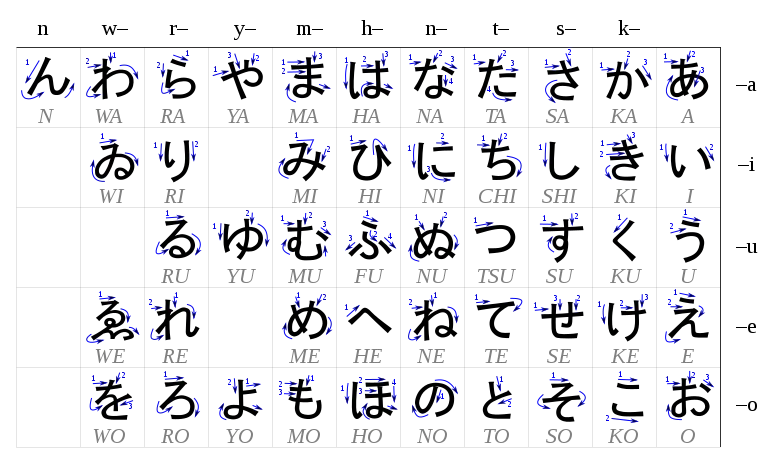
The gojūon under pressure — from Novice to Impossible mode.
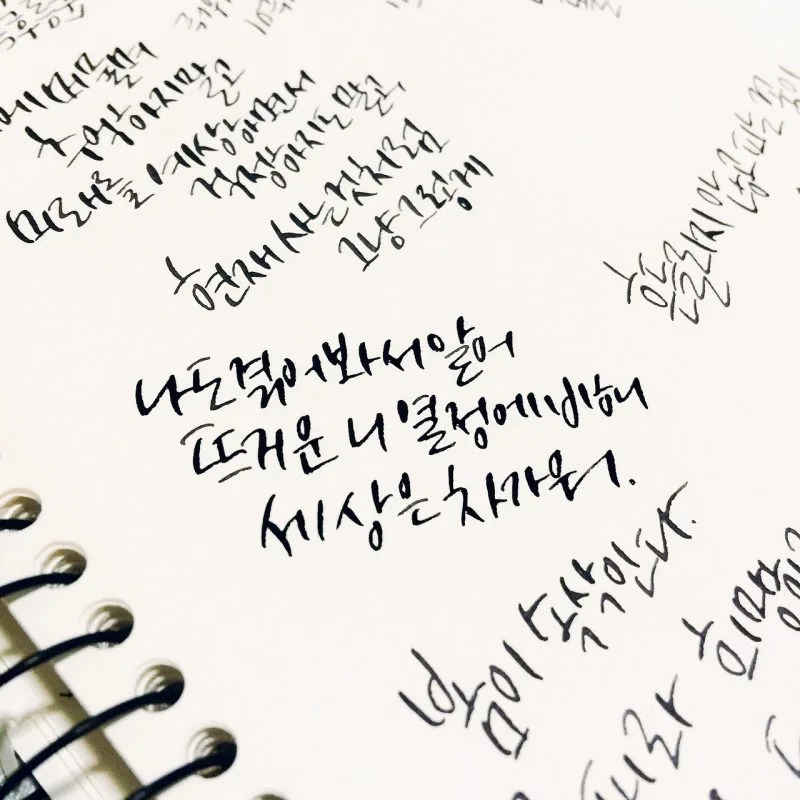
A compact list of useful Korean adjectives for study and quick reference.
From a glass at the table to the water in an onsen, the word changes with temperature, politeness and context.
Some words only make sense when you see the writing and the tone together.
Korean insults make more sense when you see meaning and context together.
From can opener to futon closet: the vocabulary each room gives you.
Words for account, post and timeline, so you can use X in Japanese.
From 19th-century school grounds to packed NPB stadiums and anime classics, explore the history, strategic rules, and vibrant...
A cushion, a seesaw, and the manga tag that borrowed the flat shape.
Measure in the evening, on a hard floor, and check which ABC-MART chart you are reading before you trust an EU number.
How 生活, 命 and 人生 divide one English word, with the compounds that grow from 生 and 命.
Four-kanji idioms are the short group. The long strings are a Yamanashi mountain, a Chiba temple title, and a rakugo boy's name.
A working list of one-syllable Japanese nouns, from ka and ki through the single-vowel words i, u, e, and o.
A practical guide to everyday Japanese phrases for shopping, handling cash, asking prices, and talking about personal finances.
A clear breakdown of native Japanese, Sino-Japanese, and modern loanwords, showing how each lexical layer functions in speech and...
The list I started from had no Japanese script. This version puts the kanji and the reading next to the words you hear in class.
たくさん sits before 食べる, 新しい becomes 新しく, and とにかく家へ帰る still means you are going home anyway.
A mixed list of customs, objects, slang, and names, each gloss kept short.