
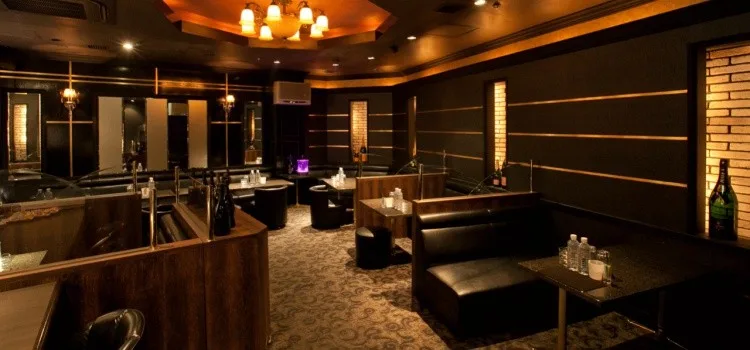
In Japan the word bottakuri [ぼったくり] sits next to strip clubs, girls’ bars, and tourist-facing izakaya that walk you in with a smile and walk you out with a bill that was never on the sidewalk. It is a rip-off, not a “premium night.”
Dictionaries keep it in hiragana. It comes from boru (to overcharge) plus takuru (to snatch), close to taguru [手繰る], to reel something in. English speakers reach for clip joint or simply rip-off — a deal where the price, or the thing you thought you bought, does not match what you were shown.
Contents 6
What is Bottakuri?
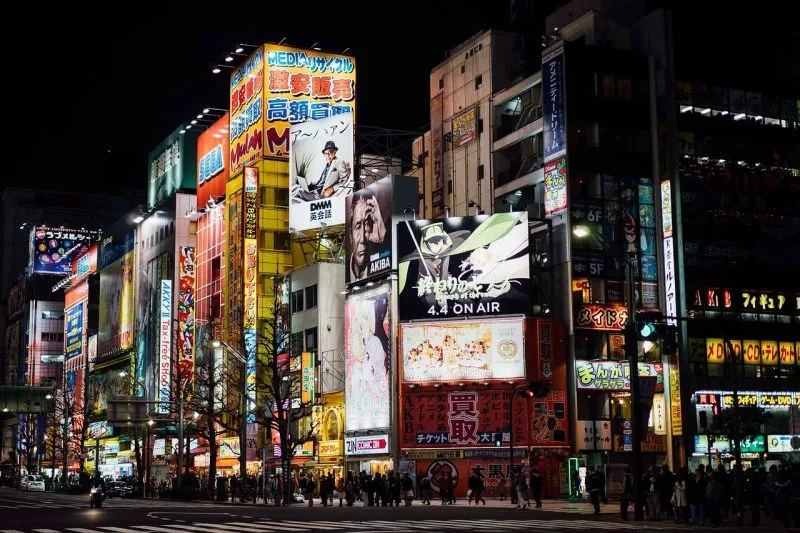
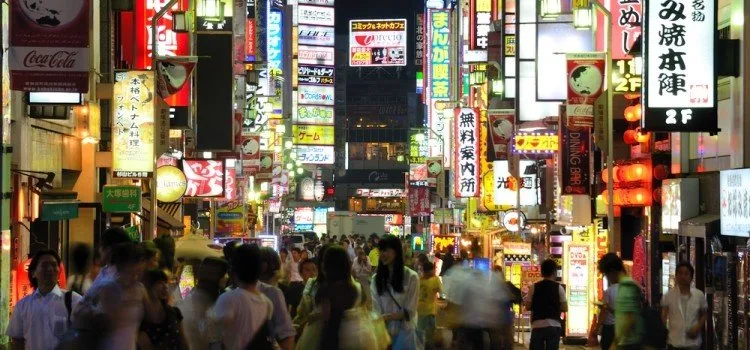
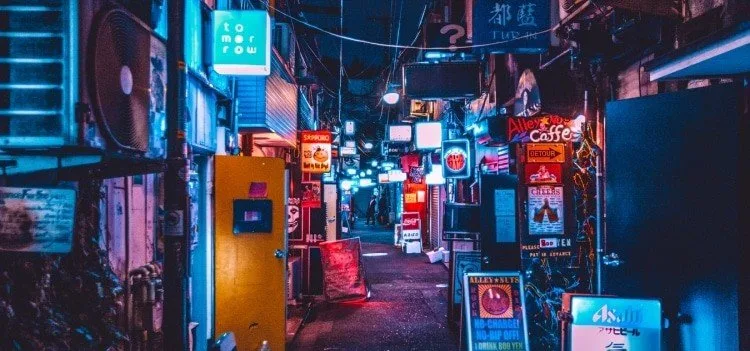
In nightlife districts packed with foreigners — Kabukicho in Shinjuku, Roppongi, and in Osaka the Shinsaibashi side streets — a bar can look like a bargain until you sit down. Flashy promotions, “English OK,” cheap drinks on a laminated card. The real menu appears later, or never appears at all.
If you refuse the extra charge, the room can change fast: raised voices, intimidation, and in the worst cases someone standing between you and the door. Some of these shops have long sat in the same neighborhoods as the Yakuza; others are run by foreigners. The method is the same either way: get you seated before you see a real price.
The person who stops you on the street is a kyakuhiki [客引き], a customer-puller. They may be Japanese or foreign. The pitch is drinks, girls, a “special” bar, sometimes even drugs. A few invitations are only cheap food. The useful test is pressure: a legitimate flyer on the sidewalk is yobikomi [呼び込み] — look if you want, walk away if you don’t. A kyakuhiki follows, blocks, or keeps talking until you peel off.
Remember that some places run the same scam without a tout. They are often sushi counters or izakaya that hide prices outside and spring the number only after you have eaten.
This is what usually counts as bottakuri:
- Drink prices the customer was never shown;
- Extra charges after the service, with no mention at the door;
- Being pushed out after paying in advance, without getting what was promised;
- A bait-and-switch on who sits with you, or on the “service” that was implied;
- The same word used, more loosely, for a pachinko machine or a bet that feels rigged.
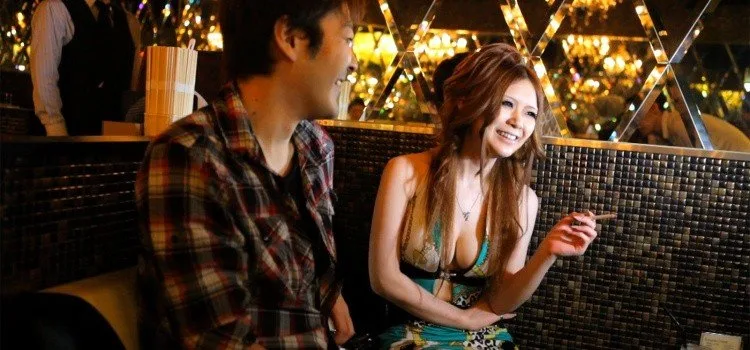
You pay for the drinks of the companions
This tradition is not a scam for foreigners; generally, in bars with companions, Japanese people really have to pay for the drinks of the girls. The problem is that many foreigners do not expect this.
Part of the plan is to make the companions order the most expensive drinks in the establishment, so be careful when choosing a companion. It's not just foreigners; many Japanese also go bankrupt because of this.
Everything in these establishments is charged. There are hourly fees, fees for girls, fees for touching the girl, and many other fees that require your attention. We recommend reading our article about Companions in Japan.
How to avoid Bottakuri?
The first thing you should do when receiving an invitation is to ignore it, thank the person, and leave. If a tout tries to convince you or even insults you for not accepting, ignore them and walk away.
If you still sit down, ask for a printed menu with prices before the first drink. A real izakaya often charges a small seating fee, chaji [チャージ], or puts down an otoshi [お通し] appetizer — that is normal when the price is listed. Hidden glass sizes, a second menu, or a hostess who sits without being asked belong to the other kind of bill.
If the number explodes, record the scene on your phone. Tokyo police have treated many bottakuri fights as a civil quarrel between shop and customer, which is why some rooms stall you until you pay. The line moves when they block the exit or march you to an ATM: that is no longer a price dispute. In 2015 the Tokyo Metropolitan Police arrested staff at a Kabukicho club after customers were held until they paid ¥240,000 — one shop that had already drawn more than two hundred complaints in a few months.
Generally, the police do not resolve a bottakuri problem if the only issue is a high bill and nobody can prove the price was hidden. Communication is harder if you have no Japanese and no evidence. The best move is still the first one: do not follow a stranger into a doorway you cannot price.

Bottakuri is not just bars and restaurants
In all countries, locals tend to exploit foreigners. You can be scammed with bottakuri not only in bars but also in retail stores and transportation for tourists.
Some stores in tourist spots do not display prices on their products to charge more from foreigners. Generally, tourist neighborhoods are not the best places to buy things.
In other establishments, the prices in Japanese may differ from the prices written in English. Some restaurants provide two different menus to deceive foreigners.
Maid Cafés also offer services, fees, and food at a quite steep price compared to other places, but it is not considered a bottakuri. Generally, they also invite people to enter the establishment.
Not everything is Bottakuri
In a certain situation in Ginza, an elderly lady was asking for money to help with the Hokkaido earthquake. Unfortunately, I cannot verify if that money would be used for that purpose.
While talking a bit with the lady, she invited me to go to a kind of bar where there was a traditional Japanese music performance, with a fee of 1500 yen.
I didn't even remember the Bottakuri scams and accepted the invitation. Luckily, it was indeed a friendly little bar; the lady even paid for a snack, and the prices were not exorbitant.
It was quite risky; I am sure the lady also earned something by inviting me to the place and paying a fee of 1500 yen. But I really enjoyed the experience.
Izakaya Bottakuri
There is a manga and dorama called Izakaya Bottakuri that tells the story of a small bar located in the deserted center of Tokyo. In this place, the sisters Mine and Kaoru serve ample food and sake.
The two sisters and their regular customers solve small problems and share wisdom while eating and drinking. Why does the series have the word bottakuri, which means to deceive, in its title?
Despite the name Bottakuri, the series is not about establishments that deceive people. The Izakaya has this name because it serves common foods found in Japanese homes.

Community
Comments
0 comments
There are no published comments in this language yet.
Send comment