
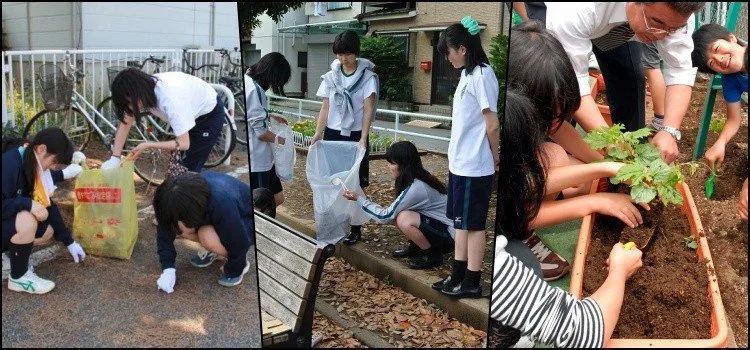
Western 5S posters like to render the third S as “Shine,” as if the job were a Friday polish. The Japanese word is seiso — 清掃 — purify plus sweep. That is a different picture.
In a Japanese factory or classroom, cleaning is not the night shift’s leftover. It is how people look at the same desk, machine, or hallway they used all day — close enough to catch a leak, a hair, a smear that would stay hidden under “someone else’s job.”
Contents 4
Meaning of Seiso
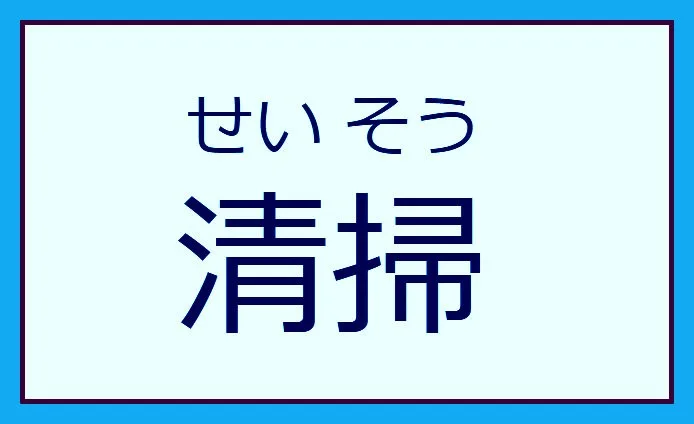
Seiso 清掃 (せいそう; seisou) is a Japanese word that means cleaning. The first kanji, 清, has the idea of something pure, clean, purified, and/or sprinkled. The second kanji, 掃, carries the meaning of sweeping, cleaning, and/or to sweep. Therefore, in general terms, we can define the term as “purification sweeping” or simply “cleaning,” considering that cleaning and purifying are very similar concepts.
The 5S methodology, in which seiso is included, was created in Japan and still reflects the way Japanese people acted and thought in the postwar period: fewer defects in every corner of work, and a productive rhythm that could carry the country forward. The five steps, in order, are Seiri, Seiton, Seiso, Seiketsu, and Shitsuke. English trainers force five S-words — Sort, Set in order, Shine, Standardize, Sustain — and “Shine” is the one that slips the most. Seiso is regular sweeping, wiping, and looking, not a waxing ritual.
With the success of the method, companies outside Japan began to copy the model. What often does not travel is the assumption underneath: cleaning belongs to the person who uses the space, not only to a hired crew after hours.
Japanese Perfectionism and Extreme Cleanliness
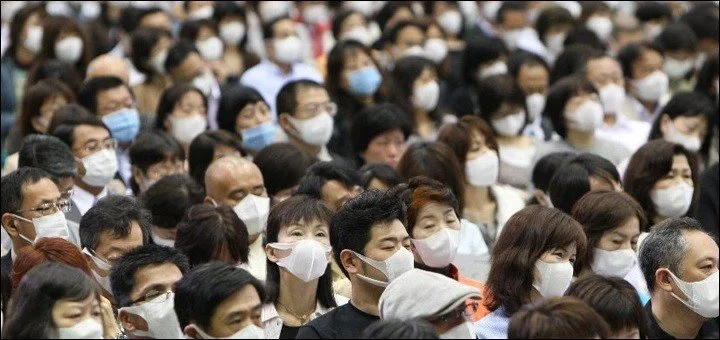
Japanese perfectionism is not a slogan here. Seiso is also a cultural habit. You see it in the cleanliness of streets and stations, and in the strict control of garbage collection and recycling. All of that makes the third S feel obvious inside Japan — and oddly hard to explain abroad.
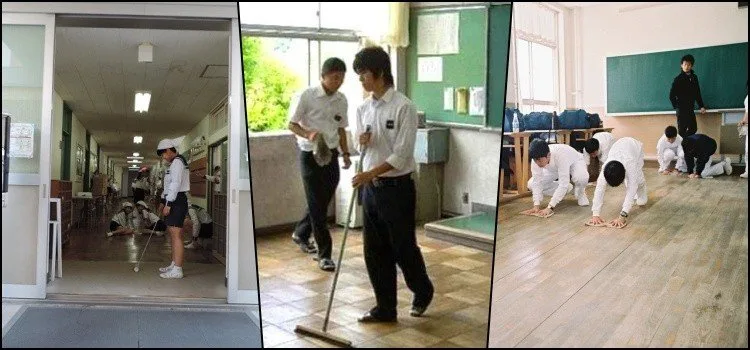
Schools train the habit early. Students, not a hidden janitorial team, wipe classrooms, corridors, and toilets after lunch. That daily souji is how children learn to clean Japanese schools: cloth in hand, close to the floor, no long-handled mop to keep the dirt at a polite distance. The same people who use the room are expected to see it.
On the street, the same logic shows up as almost no public trash cans and a detailed guide to sorting, collection, and recycling. You carry your own waste because the city is not treated as a shared ashtray.
To give you an idea of how far the inspection goes, even the eggs sold in supermarkets are checked in a way unmatched in most countries. A stray hair or smear is treated as a defect. That is one reason raw egg on rice is an ordinary breakfast rather than a dare — the shell has already been through a level of control most kitchens never see.
I personally find this habit very positive: it helps keep illness down and the room from smelling like last week’s dust.

Seiso, Kaizen, and the 5S Methodology
It is interesting that seiso, along with the other 5S steps (seiri, seiton, seiketsu, and shitsuke), sits inside the Japanese idea of continuous improvement better known as Kaizen. The point is not a one-off cleanup day. It is a loop: less waste, fewer hidden faults, the same place a little more honest every week.
That is why people who actually use 5S on a shop floor keep repeating that cleaning is inspection. Oil, dust, and grime hide cracks, leaks, and parts that have started to wander. The operator who wipes the machine is the first person who can see those signs — something a night crew will never feel the same way.
The five S-words, in the order they are meant to be practiced:
- Seiri (整理): sort — keep what the work needs, remove the rest.
- Seiton (整頓): set in order — a place for each remaining tool, labeled so anyone can return it.
- Seiso (清掃): clean — sweep, wipe, and inspect while you clean.
- Seiketsu (清潔): hygiene, the maintained state. English 5S often says “standardize,” but the Japanese word is about staying clean, not writing a binder of procedures.
- Shitsuke (躾): discipline — doing the first four without being told.
Seiso and seiketsu share the kanji 清. One is the act of cleaning; the other is the condition you refuse to let slip. Mix them up and 5S collapses into a poster on the wall.
A clean environment is a harmonious one. In a society that treats environmental and social harmony as everyday manners, seiso is not a slogan. It is the third step, and the one that shows whether the first two were real.
Cleaning Vocabulary
- 清掃 (せいそう, seisou) = Cleaning, Seiso.
- 掃除する (そうじする, soji suru) = To clean.
- 清潔 (せいけつ, seiketsu) = Hygiene, hygienic.
- 綺麗 (きれい, kirei) = Clean, beautiful.
- ざっと掃除 (ざっとそうじ, zatto soji) = Superficial cleaning.
- 石鹼 (せっけん, sekken) = Soap.
- 布巾 (ふきん, fukin) = Cloth.
- 掃く (はく, haku) = To sweep.
- ほうき = Broom.
- 霧吹き (きりふき, kirifuki) = Spray bottle.
- 洗剤 (せんざい, senzai) = Detergent, cleaning product.
- 洗濯 (せんたく, sentaku) = Laundry.
- 水 (みず, mizu) = Water.
- 泡 (あわ, awa) = Foam, soap bubbles.
If seiso were only a factory poster, the vocabulary would stop at “shine.” It doesn’t. The same words show up in a kitchen, a classroom, and a shop floor — which is the whole point.



Community
Comments
0 comments
There are no published comments in this language yet.
Send comment