
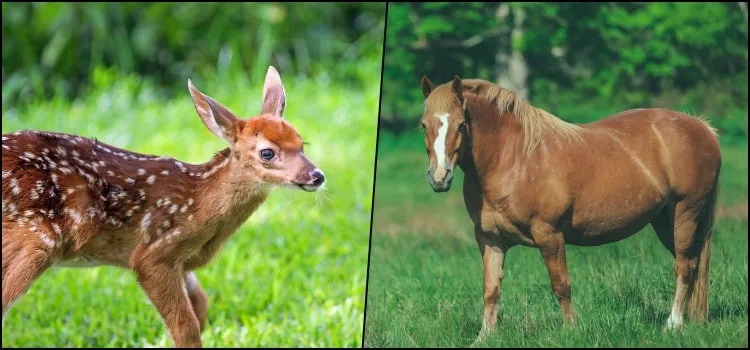
Many people already know that baka (馬鹿) in Japanese can mean idiot, stupid, fool, or just someone being ridiculous. That is the easy subtitle. The writing is stranger: a horse (馬) next to a deer (鹿), two animals that, together, do not describe a farm so much as a person who cannot tell one thing from another.
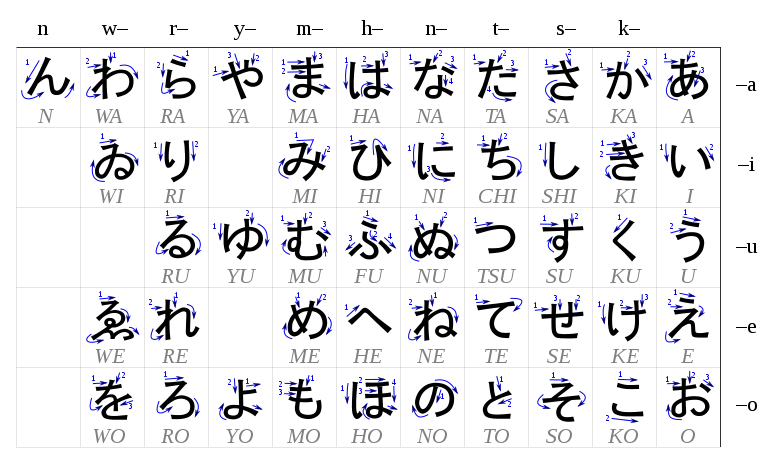
The word can be written with those kanji or with the hiragana and katakana alphabets — ばか, バカ, 馬鹿. The characters are ateji, chosen more for the sounds ba and ka than for zoology, and they sit on older stories about a Chinese court, Buddhist vocabulary, and an insult that still shifts with tone, region, and who is in the room.
Contents 5
Origin and meaning of the word baka
There is no single birth certificate for baka. Japanese dictionaries still list more than one theory, and the honest move is to keep them in competition rather than pick a winner for the sake of a neat ending.
The most repeated story comes from the Qin dynasty. The official Zhao Gao (趙高), serving the second emperor Qin Er Shi, presented a deer at court and called it a horse. Some officials agreed out of fear; those who said it was a deer later paid for that honesty. The Chinese idiom 指鹿為馬 — “point at a deer and call it a horse” — still means forcing people to swallow a lie. The Japanese writing 馬鹿 is often tied to that episode, even if the spoken word does not come straight from the Chinese reading of those characters.
The other serious candidate is Sanskrit. Scholars have linked baka to moha (ignorance, delusion) and sometimes to mahallaka (senile, feeble-minded). Buddhist monks may have brought the idea into Japanese; the ateji 莫迦 belongs to that trail. Looser folk ideas say bakamono grew out of wakamono (若者, young people), or that 破家 once meant a ruined household. Treat those as stories told about the word, not as proven etymology.
What is firmer is the paper trail. The insult already appears as bakamono in the 14th-century chronicle Taiheiki. By then Japanese speakers were already using it the way we still hear it: to call someone a fool.

How baka is actually used
Tone does most of the work. Said lightly to a close friend, baka can land like “you dummy.” Said hard, or to the wrong person, it is a real insult. You can throw it out as a joke or load it until it stings; the word itself does not choose for you.
Compounds pile extra meaning on top. You can find more of them in our list of Japanese swear words and insults. A few that show up constantly:
- Bakayarou (馬鹿野郎) — stupid guy, jerk;
- Bakamono (ばかもの) — idiot, foolish person;
- Oobaka (大馬鹿) — big idiot;
- Baka na koto o shita (馬鹿なことをした) — I (or you) did something stupid.
The same root also builds compliments and exaggerations:
- Bakashoujiki (馬鹿正直) — honest to a fault;
- Bakadekai (馬鹿デカイ) — ridiculously huge;
- Bakauke (馬鹿受け) — a huge hit, something that goes down ridiculously well;
- Bakabakashii (馬鹿馬鹿しい) — absurd, not worth arguing about, nonsense.
It also marks obsession. Call someone a baseball fool or a fishing fool and you are talking about a person who has given the rest of life a smaller seat. Studying Japanese hard enough can earn you nihongo-baka — not as an insult, more as a nod to the hours you have already spent on the language.
That is why the word shows up so often in anime, and not only when someone is being torn down. A shout of “baka!” can be anger, embarrassment, or the kind of affection that refuses to say affection out loud. If you want the wider map of shouts from the screen, there is a separate walk through Japanese swear words in anime.

Baka and aho: Tokyo tease, Osaka sting
In Kantō, around Tokyo, baka is the everyday fool-word: it can be slapstick, a scolding, or a joke among friends. Aho (阿呆 / あほ) exists there too, but it often sounds harsher, as if you meant the insult.
Cross into Kansai — Osaka, Kyoto, and the surrounding dialects — and the polarity flips. Aho is the local default, the one that can still be affectionate. Baka is the colder one. Calling someone baka in Osaka can land as a real cut, the kind of word you do not throw at a stranger just because an anime taught you it was cute.
In Tokyo, baka is the usual tease and aho can sound meaner. In Osaka, aho is the everyday fool-word and baka is the one that really stings.
That is the nuance a dictionary line never gives you. Same translation into English. Opposite risk on the ground.
Curiosities about the word baka
The word also names a shell. Bakagai (馬鹿貝) is the trough shell Mactra chinensis — a reminder that 馬鹿 is not only an insult sitting in a vocabulary list.
In ordinary speech, something can “become baka” when it stops working: a screw that will not tighten, a tap that has given up, a sense of taste that has gone dull. The insult leaks into objects.
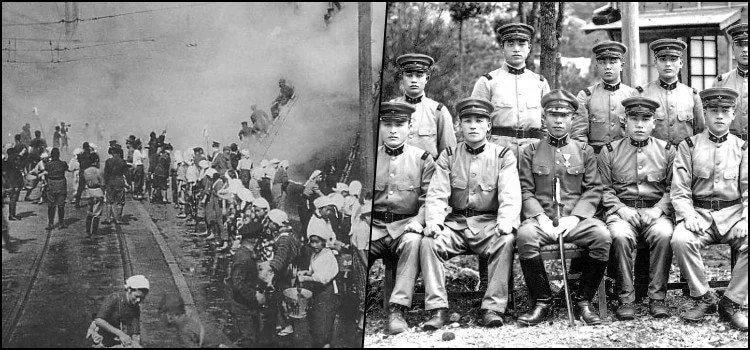
During World War II, the Japanese navy built the Yokosuka MXY-7 Ōka (桜花, “cherry blossom”), a rocket-powered kamikaze aircraft carried under a bomber. Allied crews nicknamed it the Baka bomb — using the Japanese word for fool as a label for a weapon that asked its pilot to die on every flight.
Baka in other dialects
Standard Japanese is not the only way to call someone a fool. Prefectures below keep their own variants; places missing from the list usually stick with baka itself. Dialects do not always stop neatly at a prefectural border, so treat this as a map of what you are likely to hear, not a legal code.
- Aichi = taake (たーけ)
- Akita = bakake (ばかけ)
- Aomori = honjinashi (ほんじなし)
- Ehime = ponke (ぽんけ)
- Fukui = aho (あほ)
- Fukuoka = anpontan (あんぽんたん)
- Gifu = tawake (たわけ)
- Hokkaido = hankakusai (はんかくさい)
- Hyogo = dabo (だぼ)
- Ibaraki = dere (でれ)
- Ishikawa = dara (だら)
- Iwate = doboke (とぼけ)
- Kagawa = hokko (ほっこ)
- Kochi = ahou (あほー)
- Kumamoto = anpontan (あんぽんたん)
- Kyoto = aho (あほ)
- Mie = ango (あんご)
- Miyagi = hondenasu (ほんでなす)
- Miyazaki = shichirin (しちりん)
- Nagano = nukesaku (ぬけさく)
- Nara = aho (あほ)
- Oita = bakatan (ばかたん)
- Okayama = angou (あんごー)
- Okinawa = furaa (ふらー)
- Osaka = doaho (どあほ)
- Saga = nitohasshu (にとはっしゅ)
- Shiga = ahou (あほー)
- Shimane = daraji (だらじ)
- Tochigi = usubaga (うすばが)
- Tokushima = aho (あほ)
- Tottori = darazu (だらず)
- Toyama = dara (だら)
- Wakayama = aho (あほ)
- Yamagata = anpontan (あんぽんたん)
- Yamanashi = nukesaku (ぬけさく)




Community
Comments
0 comments
There are no published comments in this language yet.
Send comment