
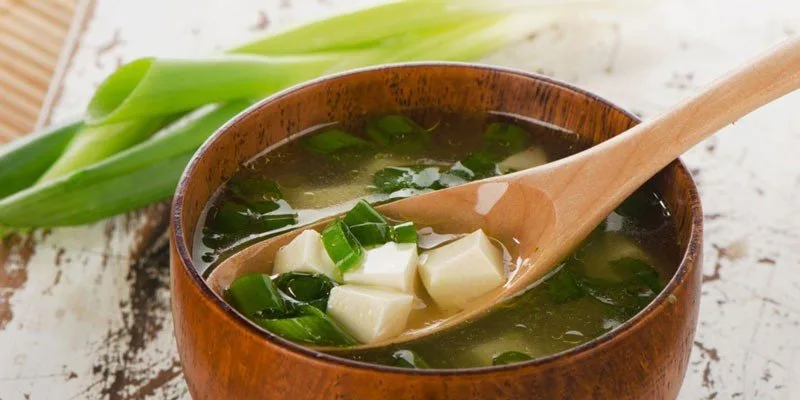
Open a Japanese pantry and the “heat” is rarely a mountain of chili. Flavor comes from fermented soy, citrus, smoked fish, sweet rice wine, and small table blends that change the dish with a spoonful or a sprinkle.
In Japanese, seasonings and spices often fall under supaisu [スパイス] or kōshinryō [香辛料], while everyday liquids and pastes sit closer to the kitchen’s backbone. Below is a practical map of Japanese spices and condiments you meet in home cooking and at the table—what they are, how they taste, and where they usually show up.
Contents 17
The pantry foundations first
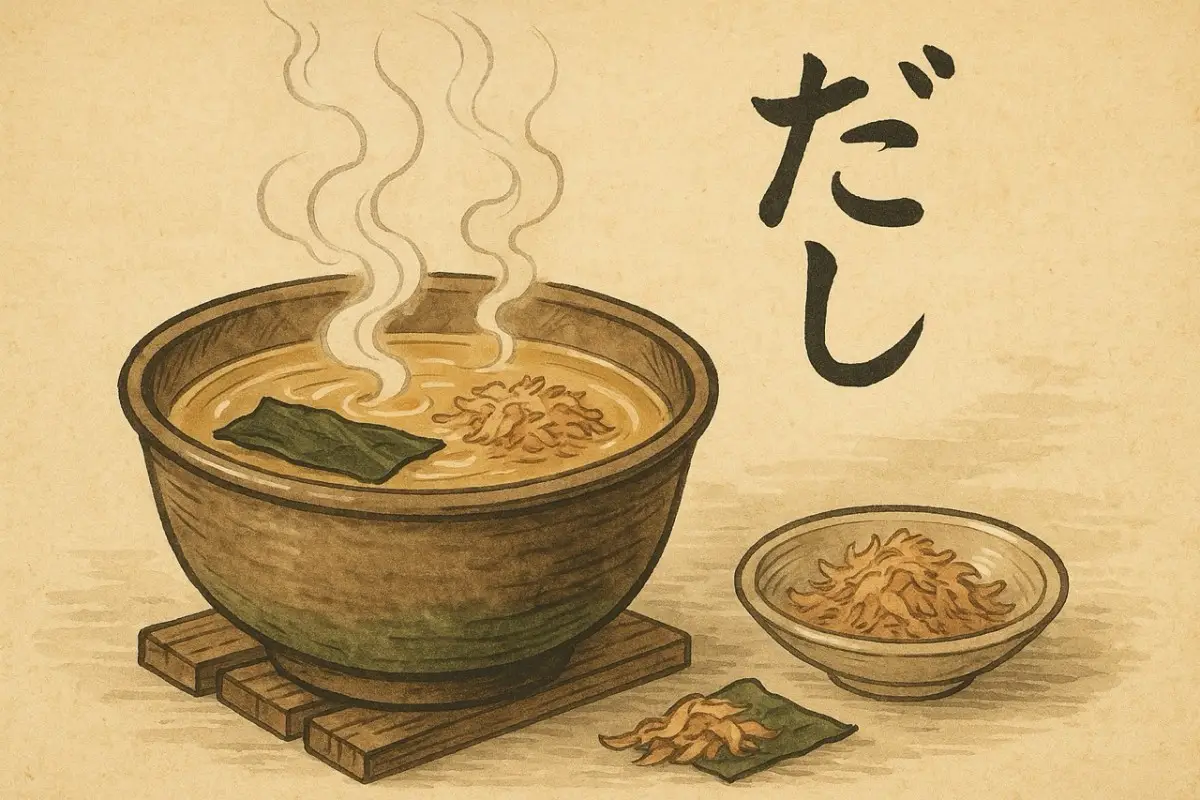
Before the colorful shakers and specialty pastes, Japanese cooking leans on a tight set of building blocks: soy sauce (shōyu), miso, mirin, cooking sake, and rice vinegar. Many home cooks also keep dashi ingredients nearby—especially dried bonito and kelp—because stock carries umami through soups, simmered dishes, and sauces. Think of the long list that follows as toppings and accents built on that base, not a random spice rack.
Handy contrast: table heat in Japan is often aromatic (shichimi, wasabi, karashi, rayu) rather than pure chili burn. Saltiness and umami usually come from soy, miso, and dashi-linked condiments.
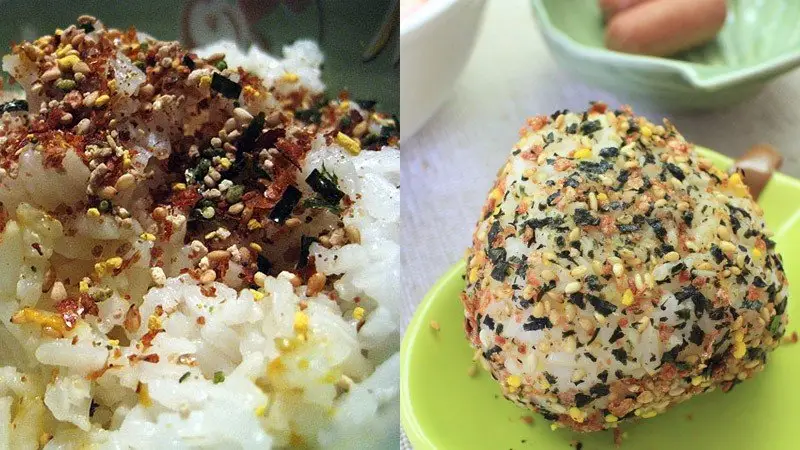
Furikake - rice seasoning mix
Furikake is a dry condiment usually sprinkled over white rice or mixed into it. It is made from dried and ground ingredients and is typically colorful and shiny.
Common versions mix sesame seeds, nori, dried fish, egg, or vegetable bits. You will find dozens of varieties in supermarkets and konbinis across Japan—from salmon and wasabi styles to simple seaweed-and-sesame jars.
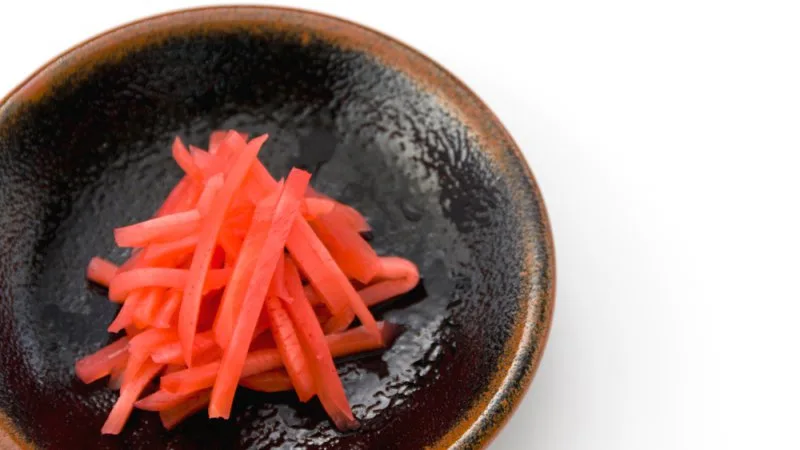
Shōga - grated ginger
Shōga (ginger) shows up grated, minced, pickled, or as sauce. Fresh grated ginger adds brightness and a mild heat that cuts richness in simmered dishes, dressings, and seafood plates.
Beside sushi and sashimi, ginger often rides with tofu, pork, and noodle broths when cooks want aroma without overwhelming chili heat.
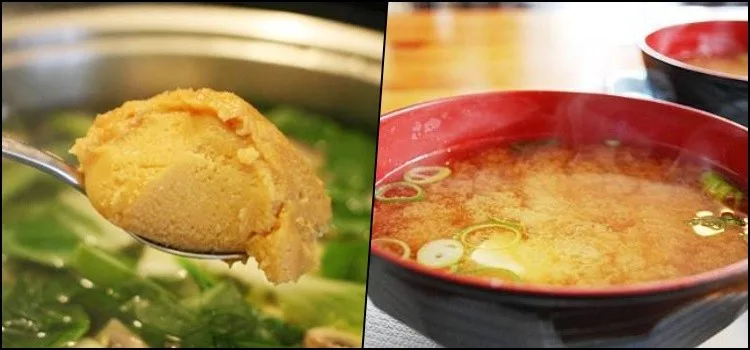
Miso - fermented soybean paste
Miso is a paste made by fermenting soybeans with salt and kōji, often with rice or barley. Styles range from lighter, sweeter white miso to deeper red miso; mixed awase miso is a flexible everyday choice.
Dissolved into dashi or hot water, it anchors soups such as miso soup (misoshiru) and tonjiru, and it also seasons marinades, glazes, and dressings without tasting only “salty.”
Japanese curry - everyday spice blend
Japanese curry (karē) is a national comfort food more than a single spice. Home cooks usually start from curry roux blocks or powder, building a thick, mildly sweet sauce for rice, udon, or breaded cutlets.
The blend often includes spices with Indian roots, but the Japanese plate style is its own thing—milder heat, sticky sauce, and endless regional add-ins from apples to honey.

Katsuobushi - dried bonito flakes
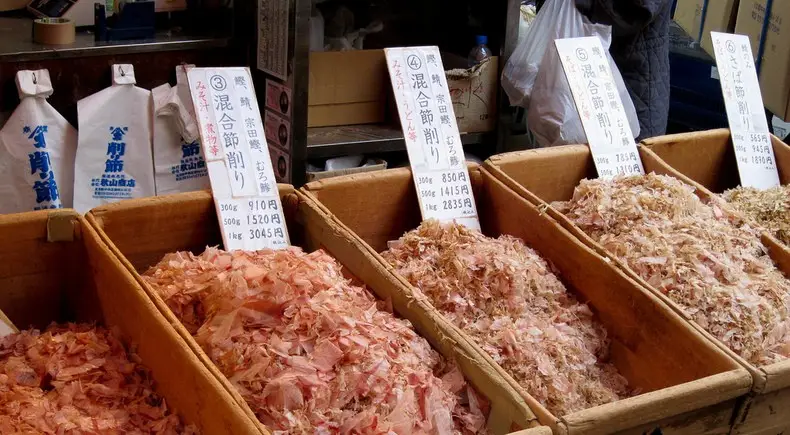
Katsuobushi is dried, smoked, and shaved skipjack tuna. The paper-thin flakes dance on hot food and deliver a smoky umami note on okonomiyaki, takoyaki, cold tofu, and salads.
Beyond the topping, katsuobushi is a pillar of classic dashi stock when simmered with kombu—so it sits between “garnish” and foundational seasoning in Japanese kitchens.
Karashi - Japanese mustard
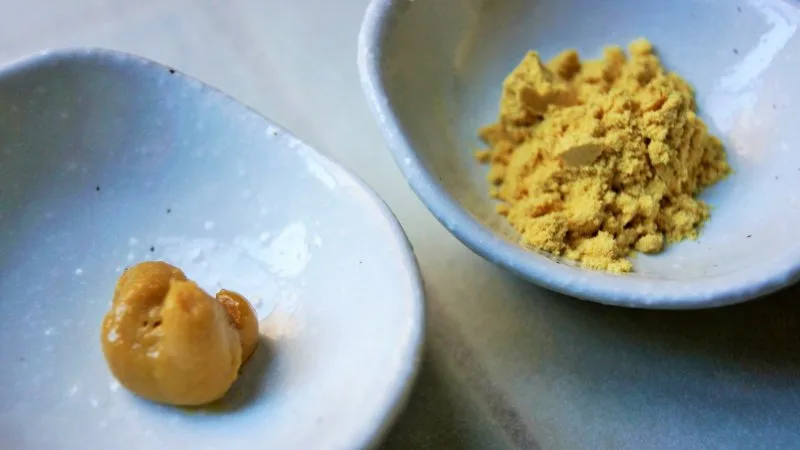
Karashi is Japan’s sharp mustard. Unlike wasabi’s nose heat, karashi hits with a yellow, horseradish-like bite that clears the palate. Powder mixed with a little water is the traditional way to wake it up.
It often rides with tonkatsu, oden, natto, gyoza, and some tempura setups. A thin smear is usually enough—karashi is meant as an accent, not a sauce bath.
Wasabi - Japanese horseradish-style heat
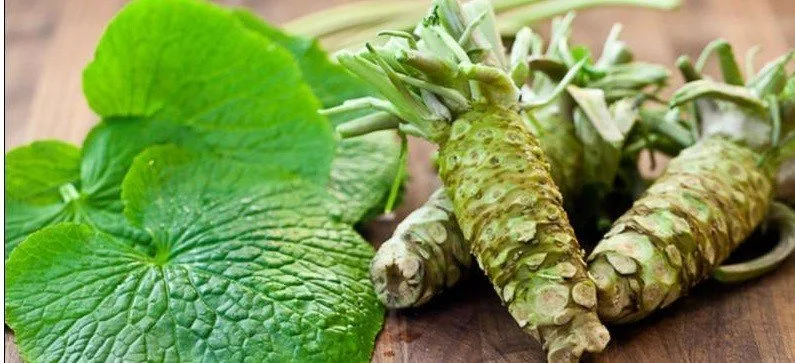
Wasabi is the green heat most people meet with sushi and sashimi. Real wasabi root is grated fresh; outside Japan, many tubes and packets are horseradish-based blends dyed green. The sensation is sharp and aromatic, then fades rather than lingering like chili burn.
Beyond sushi, wasabi shows up in dressings, noodle dips, and snacks. The taste is unique: more of a clean tingle through the nose than a pepper fire on the tongue.
Rāyu - chili oil
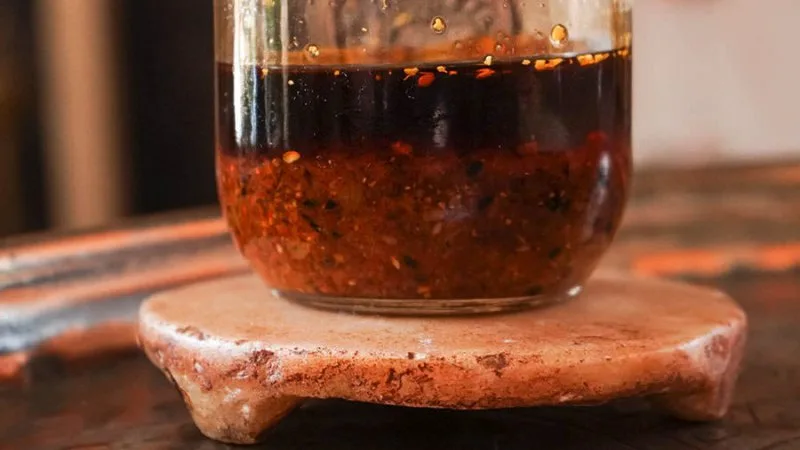
Rāyu (ラー油) is Japanese chili oil, often sesame-based and fragrant rather than only scorching. Ramen counters and gyoza plates commonly leave a bottle on the table.
A few drops lift noodles, dumplings, tofu, and rice. Mixed with soy sauce and vinegar, it becomes a quick spicy dip for gyoza.
Shichimi tōgarashi - seven-flavor chili blend
Shichimi tōgarashi literally means “seven flavors.” The exact mix varies by maker, but a classic set includes chili pepper, dried citrus peel, sesame, sanshō pepper, nori, and ginger or similar aromatics.
Restaurants often keep it by the shaker for udon, soba, tonjiru, and rice bowls. It is spicy, fragrant, and more complex than plain chili powder—sprinkle lightly and taste before a second pass.
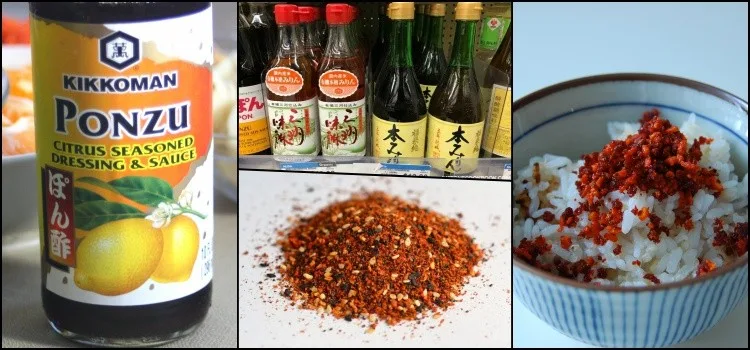
Ponzu - citrus soy sauce
Ponzu is a thin, tart sauce built on citrus juice (often yuzu, sudachi, or lemon) with soy sauce and frequently dashi or mirin notes. The result is bright, savory, and light rather than sticky-sweet.
It is a natural dip for hot pot, grilled meats, seafood, and gyoza, and it works as a quick dressing when you want acidity plus umami without a heavy cream base.

Tsuyu - noodle and dipping sauce base
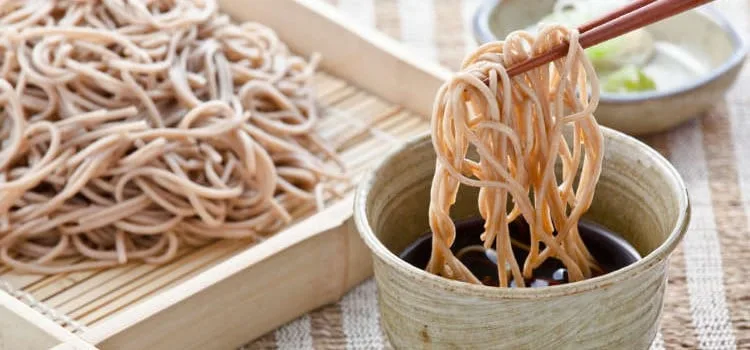
Tsuyu (often sold as mentsuyu) is a concentrated soy-and-dashi sauce used for soba, udon, sōmen, and tempura dips. Bottled versions are strong; the label usually tells you how much water to add for soup versus dipping strength.
Because it already carries stock, sweetness, and salt, tsuyu is a shortcut for noodle bowls, cold soba, and simple simmered dishes when you do not want to build dashi from scratch.
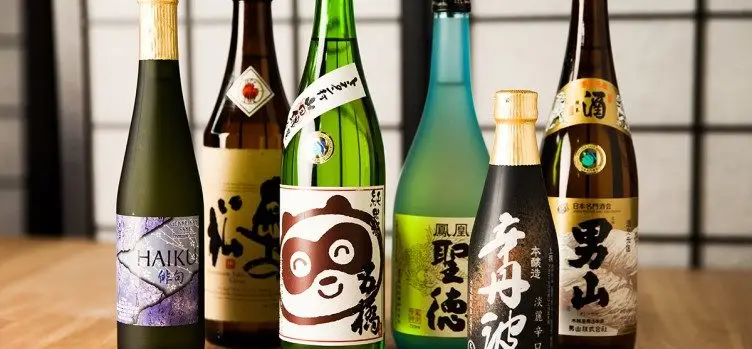
Sake - rice wine for cooking
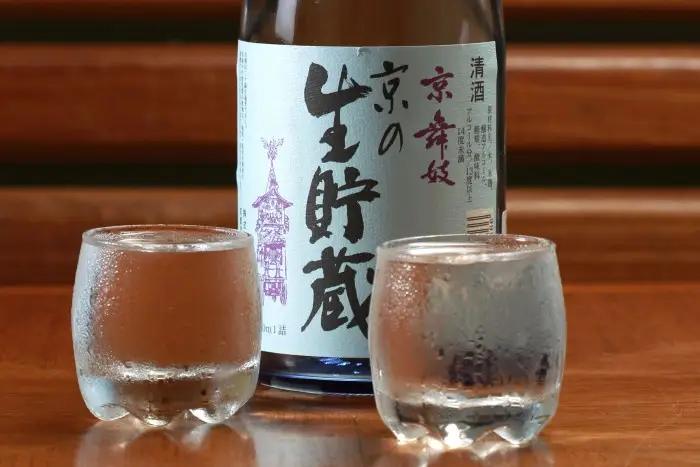
Sake is a rice-based drink, but cooking sake is a standard pantry liquid. It softens proteins, eases strong fish or meat aromas, and adds gentle umami in grilled, simmered, and sauced dishes—similar in role to wine in European cooking, though milder.
Mirin - sweet rice seasoning
Mirin is a sweet rice-based seasoning with lower alcohol than drinking sake. It brings mild sweetness, sheen, and balance to teriyaki-style glazes, simmered vegetables, and sauces.
Labels matter: hon mirin is the traditional product; “mirin-style” condiments are cheaper substitutes with different sweetness and alcohol profiles. For everyday home cooking, either appears often, but the flavor depth is not identical.
Shōyu - Japanese soy sauce
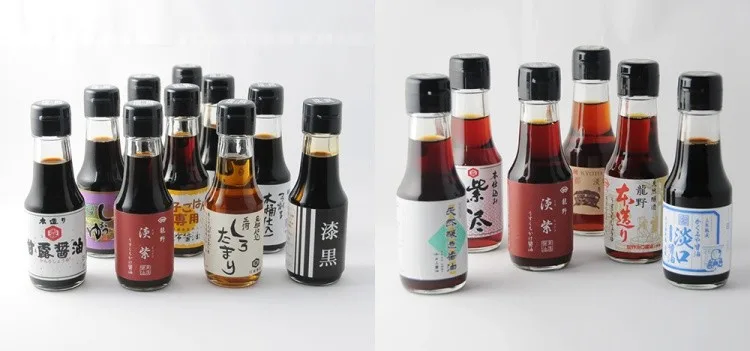
Shōyu is fermented soy sauce and the default salt-and-umami lever of Japanese food. Dark soy sauce (koikuchi) is the everyday workhorse; lighter-colored types and regional styles exist for different color and salt balances.
It seasons sushi dips, marinades, simmered dishes, and table seasoning. In Japanese cooking it often partners with mirin, sake, sugar, or dashi rather than replacing every grain of salt by itself.
Komezu and rice vinegars
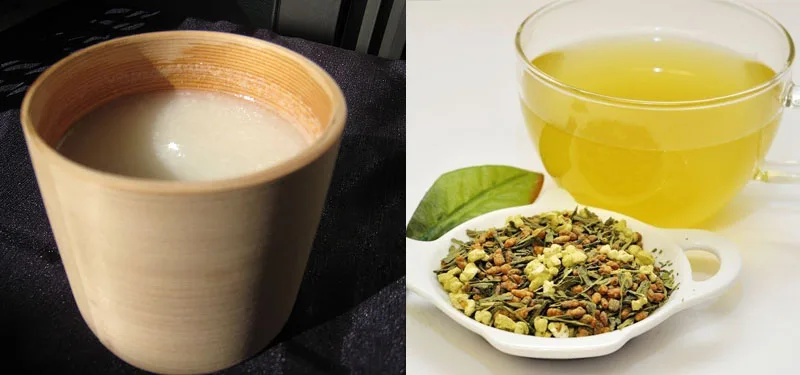
Rice vinegar (komezu and related styles such as awasezu or darker kurozu) is milder and slightly sweeter than many Western vinegars. It seasons sushi rice, pickles, sunomono salads, and light dressings.
A small splash can lift a dish that tastes flat without making it sharp. For sushi rice seasoning, rice vinegar is the default acid rather than white distilled vinegar.
Beyond the shaker list
Japanese flavor also lives in ingredients that sit next to spices: seaweed, tofu, mushrooms, pickled plums, and dashi stocks. If you cook Japanese food at home, mastering a few foundations—shōyu, miso, mirin, sake, rice vinegar—usually pays off faster than buying every specialty jar at once. Then add table accents like furikake, shichimi, wasabi, or ponzu as the dishes demand them.
Which condiment do you reach for first—soy sauce on the table, miso in the fridge, or a shichimi shake over noodles?




Community
Comments
0 comments
There are no published comments in this language yet.
Send comment