

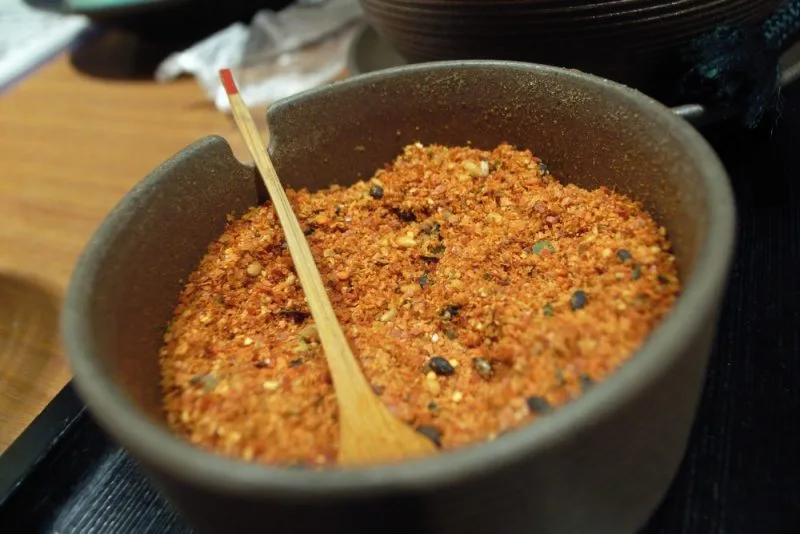
Have you heard of the seven Japanese flavors called Shichimi (七味) or Shichimi Togarashi (七味唐辛子)? This famous Japanese seasoning is made up of 7 spices and is commonly found in various restaurants, being very popular for soups and noodles. In this article, we will talk about this famous Japanese seasoning and its history.
The word Shichimi (七味) literally means 7 flavors, while Togarashi (唐辛子) literally means peppers and chili peppers from the capsicum family. Be careful not to read shichimi (七味) as nanami; some Westerners were making this mistake and even selling the seasoning under the name nanami, which is another way to pronounce 7 in Japanese.
This expression of 7 flavors is not usually specific to the seasoning but applies to various aspects of cuisine. This Japanese blend is completely balanced; it consists of 7 spices that together produce a spicy seasoning with a complex and aromatic flavor, mixing mild heat and taste at the same time.
Contents 3
What are the seven flavors of Shichimi?
The condiment called shichimi is a mixture of seven different ingredients that can vary according to the manufacturer. A typical shichimi blend may contain:
- Red pepper, chopped and ground;
- Sansho (Japanese pepper);
- Orange peel (Chenpi);
- Citrus peels;
- Sesame seeds;
- Piripiri;
- Sesame seeds;
- Ground ginger;
- Nori or Anori;
- Poppy seeds;
- Chilean peppers;
- Cayenne peppers;
- Yuzu, Colza, and Shisho peels;
- Chopped garlic;
The spicy seasoning made up of just one ingredient is called Ichimi [一味].
How did the Shichimi Togarashi seasoning originate?
It is believed that the mixture of seven flavors has existed since the 16th century and was produced by herb merchants in Edo (Tokyo). It was in the 16th century that the Chinese possibly brought togarashi (pepper and chili) to Japan. Initially, the herbs that made up shichimi were used for medicinal purposes to cure colds and flu.
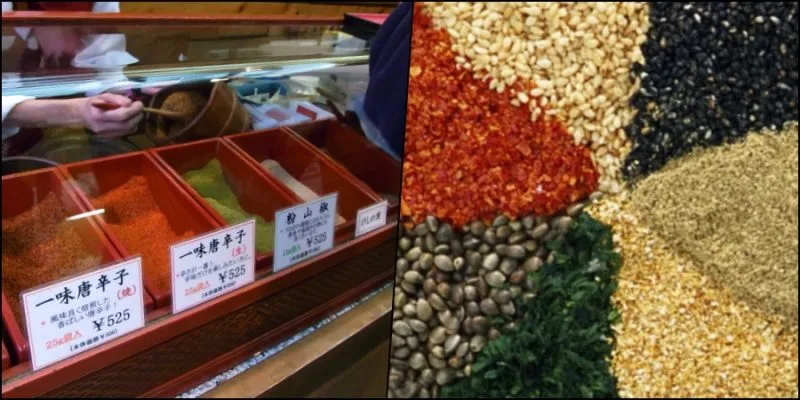
There are other theories that Portuguese missionaries may have introduced peppers to Japan around 1605. Others claim it was Hideyoshi who brought the peppers in 1592 from the Korean peninsula. The cultivation of peppers has been happening since 1610, but it was only in 1625 that a merchant decided to mix them with medicinal herbs for commercialization, thus creating the famous shichimi.
More than 400 years have passed, and to this day, the company "Yagenbori Shichimi Togarashi" is still in operation. The retail store can still be found in Tokyo in Asakusa, where you can find different mild and spicy versions of the famous shichimi.
There is another famous supplier called Shichimiya Honpo that has been in operation since 1655 near the Kiyomizu temple in Kyoto. In Nagano, since 1720, Yawataya Isogoro sells shichimi near the Zenkoji temple. Of course, nowadays there are thousands of manufacturers of the seven flavors, and you can find it in any Konbini, restaurant, or market.
Read also: Konbini – Convenience stores in Japan
How to use the seven Japanese flavors
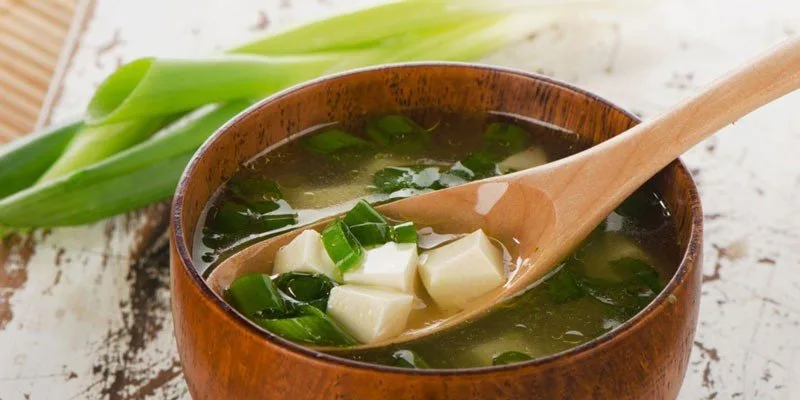
Shichimi is most commonly served at the table as a condiment for Japanese noodle dishes, such as soba and udon, but many people sprinkle it on Gyudon, miso, and even skewers. It is recommended to store the condiment in the refrigerator, although I always find them exposed on restaurant tables.
Read also: Gyudon – Japanese Beef Bowl + Recipe
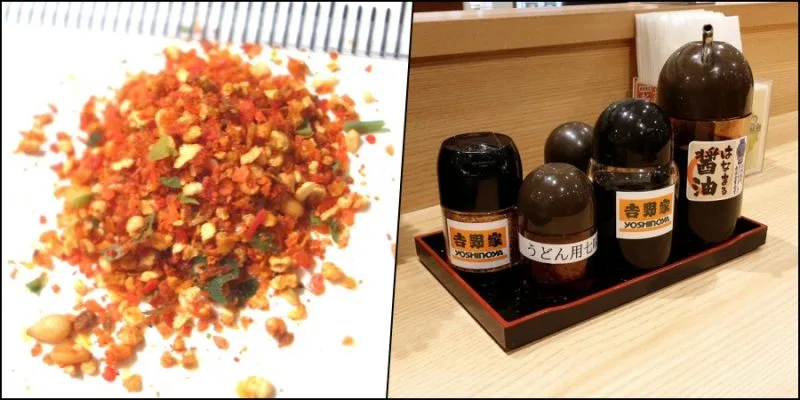
There are differences in the seven flavors according to the region of Japan. In the Kanto region, they tend to create the seasoning to be spicier, while in Kansai, the seasoning favors aromatic herbs. You will always find this condiment in most izakayas or kushiyaki-ya.
Read also: Izakaya – The friendly bars of Japan
Preparing your own Japanese seven-flavor seasoning is easy; just mix all the ingredients mentioned in the article (well-ground) in a quantity you consider suitable for each. Remember that the seasoning is dry and should be sprinkled like ground salt or pepper.
We recommend not adding too much Shichimi to dishes, as it may end up being too spicy or overpowering the sweet and sour flavor of Japanese cuisine. Personally, I loved Shichimi and like to put a lot. And you? Have you had the chance to try the seven Japanese flavors? What was your experience?


Community
Comments
0 comments
There are no published comments in this language yet.
Send comment