
Real ramen is not a packet with hot water. It is a bowl built in layers: a stock that took time, a seasoning that decides the character of the soup, noodles with the right bite, a slick of aromatic oil, and toppings that actually belong there. Once you taste that difference, instant noodles stop being “close enough.”
The craft looks simple from outside a shop window and turns demanding at the stove. That gap is exactly why people look for a structured way to learn gourmet ramen at home—without guessing which part of the bowl failed.
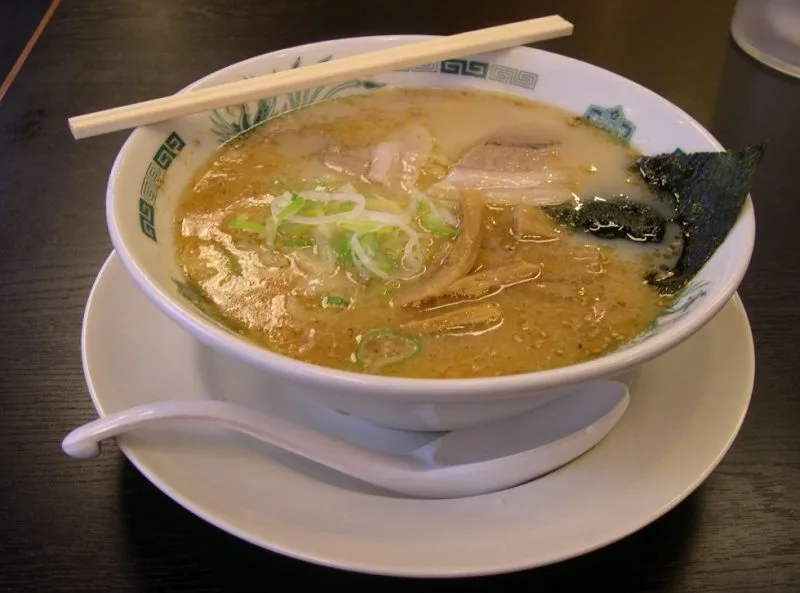
Contents 5
The five pieces that build a bowl
Before choosing a “style,” it helps to see ramen as five cooperating parts. Change one and the whole bowl shifts.
- Broth (soup stock) — chicken, pork bone, seafood, or a blend. It can be clear and light or milky and heavy. The stock is the body of the bowl, not the whole story.
- Tare — the concentrated seasoning that usually defines how the bowl is named. Salt-based tare points toward shio, soy sauce toward shoyu, fermented soybean paste toward miso. A small ladle of tare can outweigh a huge pot of stock in how people describe the flavor.
- Noodles — wheat noodles with spring and alkaline character. Thickness and shape should match the soup: thin and straight for lighter bowls, thicker or wavy for heavier ones.
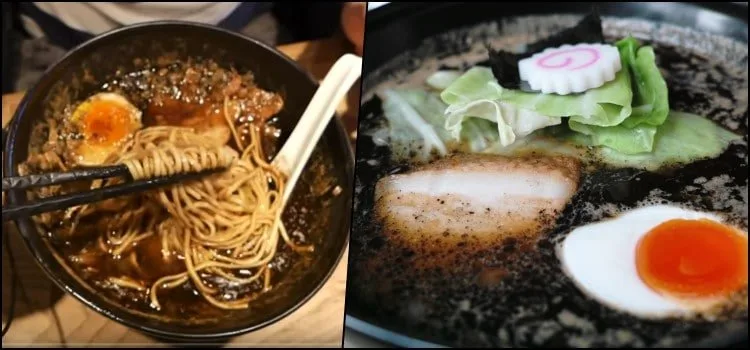
- Aroma oil — chicken fat, pork fat, or flavored vegetable oil. It rides on the surface, sticks to noodles, and carries garlic, scallion, sesame, or black garlic notes (including mayu, the dark aromatic oil many shops use sparingly).
- Toppings — chashu, marinated egg, green onion, nori, menma, corn, bean sprouts, and more. They should balance fat, salt, texture, and temperature—not pile up for photos only.
Home cooks often boil “soup + noodles + leftovers” and wonder why it still tastes like cafeteria food. The missing middle is usually tare and aroma oil working with a deliberate stock.
What a serious learning path should cover
If you want to cook gourmet ramen yourself—not only eat it—you need more than one viral “30-minute bowl.” A useful path teaches the styles people actually order in Japan and the prep that makes them repeatable.
A solid curriculum usually reaches at least these five:
- Shio ramen — salt-led seasoning, often cleaner and more transparent in flavor. “Simple” does not mean empty: when salt is the main voice, every ingredient in the stock has nowhere to hide.
- Shoyu ramen — soy-sauce base, classic and balanced when the shoyu quality is good and the stock does not fight it.
- Miso ramen — fermented soybean paste for depth and a rounder, often heartier profile. Many home versions start from chicken stock and aromatics, then dissolve miso carefully so it does not turn grainy or bitter.
- Tsukemen — noodles served separate from a thicker dipping sauce. You control each bite; the sauce should cling, not run like thin soup.
- Tantan-men — a spicy, sesame-forward lineage with Chinese roots, for people who want heat and richness instead of a mild clear bowl.
Alongside the styles, practical skills matter more than fancy equipment:
- How to cook noodles so they stay firm in hot soup
- How to build a basic Japanese stock foundation with dashi elements when the recipe needs them
- How to cook a soft-yolk egg that still holds for topping
- How to braise chashu until the pork is tender without falling apart into mush
- How to make an aromatic element such as mayu without burning the whole kitchen on bitterness
As a side track, Japanese fried chicken—karaage—pairs naturally with ramen nights and teaches another classic heat-and-crust technique.
Learning from someone who cooks ramen for a living
Good teaching in this craft often comes from people who already face a critical line every service. One example from São Paulo is Willian Sesaki, co-founder of Lamen Açu, a shop known for Japanese technique meeting Amazonian ideas and flavors from Pará. He opened in an area with many Japanese-Brazilian families and built a regular audience that expects real bowls, not novelty for novelty’s sake.
Sesaki learned ramen while interning at a ramen house in Japan and has refined recipes in Brazil since around 2015. Stories like his matter because they show the two pressures of the craft at once: Japanese structure (stock, tare, noodles, oil, toppings) and local ingredients that force you to understand why each part exists before you improvise.
Courses and workshops built by working cooks usually include the same spine: choose ingredients with purpose, stage the prep so service (or dinner) does not collapse, and practice the five styles until your hands remember the order. The point is not a certificate on the wall; it is a bowl you can rebuild on a weeknight without panic.
How to practice at home without a full shop kitchen
You do not need a commercial stove on day one. You do need patience with the slow parts and discipline with the fast ones.
- Split the work across days. Stock and chashu can live in the fridge; noodles and final assembly stay last-minute.
- Warm the bowl. A cold bowl steals heat from the soup and muddies the first sip.
- Season in the bowl. Tare and aroma oil first, then hot stock, then noodles—taste and adjust before topping.
- Cook noodles at the end. They go from perfect to soft in minutes; the soup should already be waiting.
- Start with one style. Master a shoyu or miso bowl before chasing five menu items on the same night.
If you want a broader map of types and curiosities beyond this practice path, our ramen guide sits next to this page. For the soft-yolk topping many bowls expect, see the nitamago (ajitsuke tamago) method. And if you enjoy darker, more dramatic aromatic bowls, kogashi ramen is a related rabbit hole.
The styles in a little more detail
These short notes are a tasting map, not a claim that every shop cooks them the same way.
Shio ramen — Salt-based seasoning. The broth may still be complex, but the profile aims for clarity. It is a good teacher: over-salting or weak stock shows immediately.
Shoyu ramen — One of the most familiar traditional profiles when soy sauce leads. Good shoyu brings umami and color without turning the soup into pure salt.
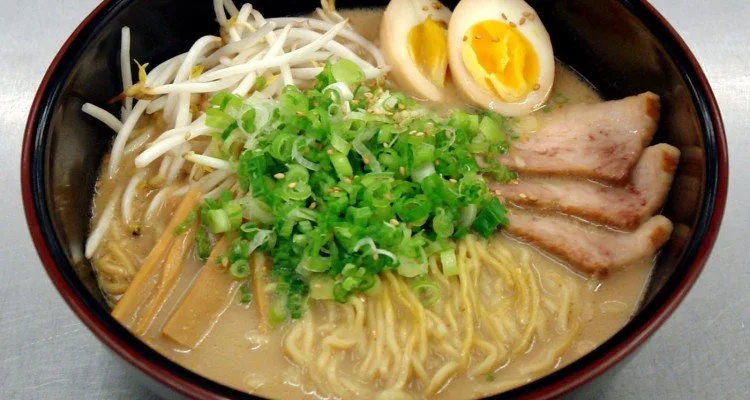
Miso ramen — The extra depth comes from miso, the fermented soybean paste that also anchors everyday Japanese soups. In ramen it can read heartier and more roasted, especially with sesame or chili accents.
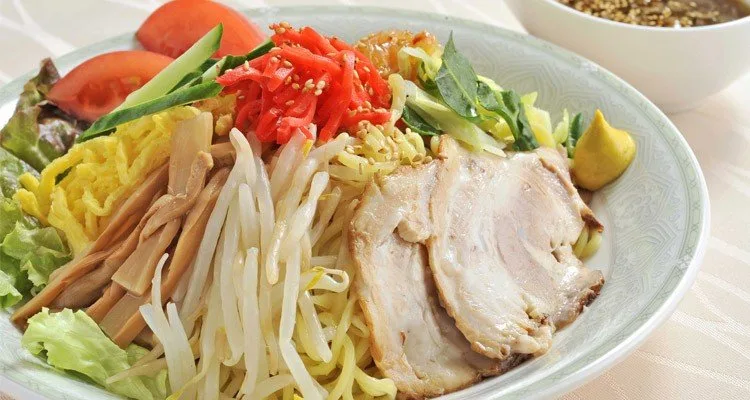
Tsukemen — Noodles and thick dipping sauce live apart. You dip, slurp, and rebalance each mouthful. I once had a memorable tsukemen inside a huge electronics complex in Japan with a friend—proof that great dipping bowls show up in unexpected places, not only in dedicated ramen streets.
Tantan-men — Spicier and more heavily seasoned, with Chinese origins in the family tree. It rewards people who want sesame, heat, and a denser flavor arc than a light shio bowl.
Ramen rewards curiosity more than perfectionism. Learn the five parts, pick one style, practice the slow prep, and only then start inventing. Instant packets can still save a late night—but once you build a real bowl from stock, tare, noodles, oil, and toppings, you will know exactly what those packets were trying to imitate.

Community
Comments
0 comments
There are no published comments in this language yet.
Send comment