
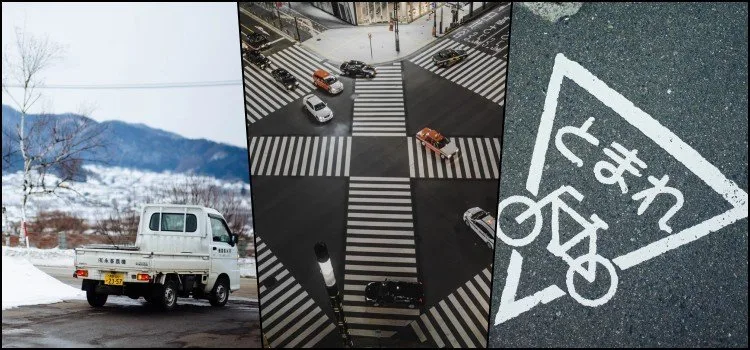
Driving in Japan feels calmer than in many other countries, but that does not mean the roads are effortless. The system works because drivers stay alert, keep to the left, respect crosswalks and accept that getting somewhere safely matters more than rushing. Once you notice that rhythm, the streets themselves start to make more sense.
If you are new to the subject, the basics are simple: cars drive on the left, the steering wheel is on the right, and speed limits tend to stay modest. Expressways usually allow faster travel, while city roads and residential streets move at a slower pace. That slower flow is one reason many visitors are surprised by how orderly traffic in Japan feels even in busy areas.
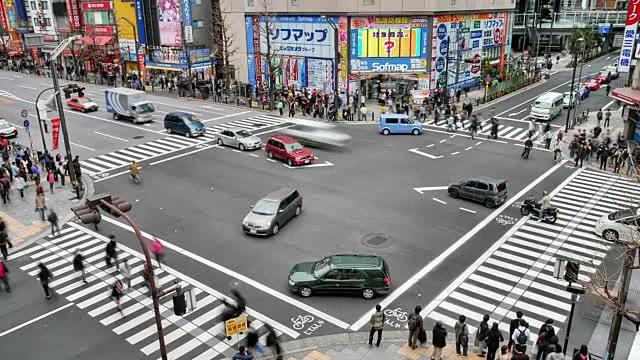
Tolls are another part of the equation. Expressways save time, but they can raise the total cost of a trip enough that trains still make more sense on some routes. If you want a broader overview before getting behind the wheel, it also helps to read about traffic signs and signals in Japan.
Why traffic in Japan feels more predictable
A big difference is the way drivers are expected to treat pedestrians and shared space. Official guidance emphasizes yielding to pedestrians, obeying traffic lights and never driving after drinking. That sounds basic, but in practice it changes the atmosphere of the road. People stop when they should, wait when they need to and usually avoid turning every lane into a contest.
You also start noticing road markings that matter in daily driving. The sign 止まれ means stop, while 徐行 tells drivers to slow down enough to stop immediately if needed. On narrow neighborhood roads, that matters more than speed. Many streets are tight, visibility can be poor at corners, and two-way traffic often has to pass with patience rather than force.
What surprises many people about the streets themselves
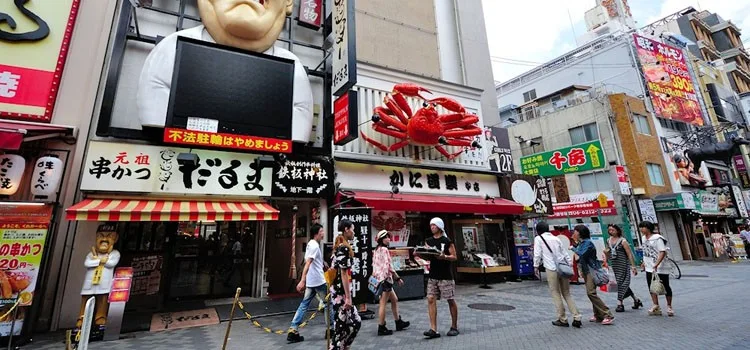
Outside the big avenues, Japanese streets can be much narrower than first-time visitors expect. Some residential roads still carry cars in both directions, bicycles share space nearby, and pedestrians remain part of the picture at almost every turn. Good signage and careful habits make that layout work better than it sounds on paper.
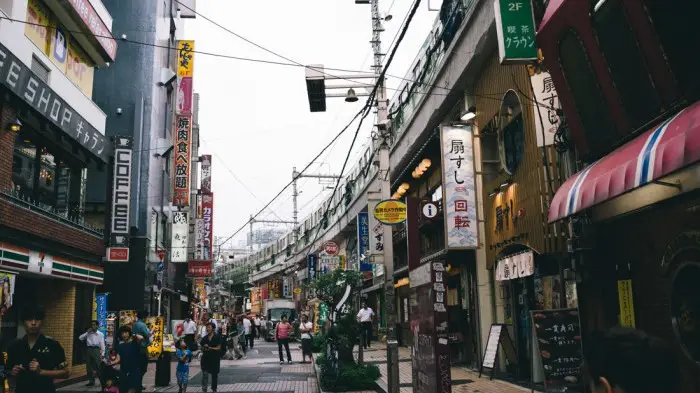
Another detail that confuses newcomers is that many streets are not commonly used by name in everyday addresses. In much of Japan, people rely more on districts, blocks and building numbers than on street names. That can feel strange at first, but once you combine maps, station landmarks and block numbers, navigation becomes easier than it looks.
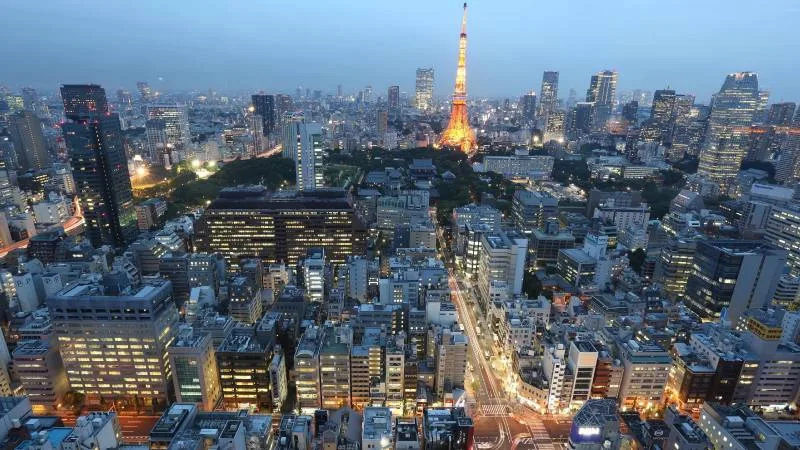
Walking or driving through Japan shows the same lesson from different angles: the roads work well because the people using them expect to share them. Clean streets, clear markings and practical infrastructure help, but the real difference is the everyday habit of paying attention. And if you want to understand why the country is so strict on that point, read more about why drunk driving is treated so seriously in Japan.



Community
Comments
0 comments
There are no published comments in this language yet.
Send comment