
Have you ever wondered what the secret of Japanese beauty really is? In Japan, many women in their 30s and 40s look far younger than they actually are, stay remarkably slim, and have clear, even skin. At the same time, Japan is home to one of the highest life expectancies in the world, and the country counts a striking number of centenarians.
Youthful looks and long life are obviously not the work of a single trick. They come from a bundle of small daily habits, cultural routines, and a cuisine that has been built over generations around freshness, balance, and modest portions. In this article we will walk through the main building blocks: the Japanese diet, the onsen bathing culture, community gatherings like the bonenkai, respect for elders, and traditional beauty rituals.
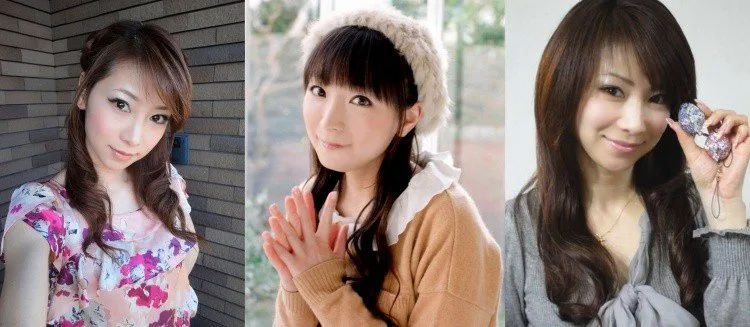
At first glance, many Japanese women also seem smaller and daintier, with higher voices, and they tend to dress in youthful styles well into their 30s and 40s. Part of that impression is genetics; a large part is lifestyle: mindful eating, plenty of low-intensity daily movement, and an everyday culture in which skin care, bathing, and community rituals are not treated as luxuries.
Contents 5
The Japanese diet contributes to longevity
A good diet is the foundation for keeping the body slim and the skin young. The Japanese diet is widely considered one of the healthiest in the world, even though the country is also full of vending machines, convenience stores, and bento boxes, and even though fried foods such as tempura, tonkatsu, and karaage are popular.
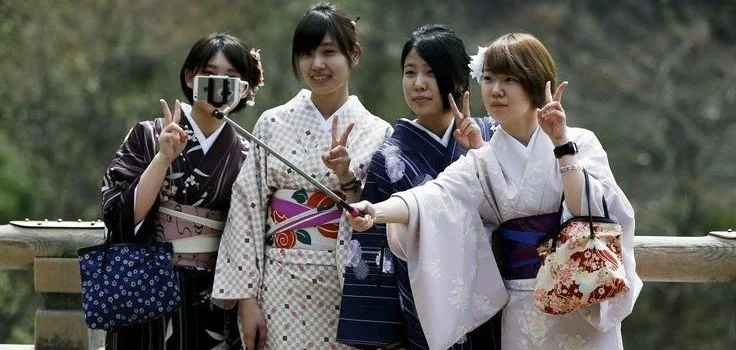
On the positive side, food regulations in Japan are strict, and even processed products tend to contain fewer additives than in many other countries. Japan regularly ranks among the top food systems in global food-security indexes, which goes hand in hand with one of the highest life expectancies on the planet.
Japanese sweets use very little sugar, and traditional cuisine uses salt in moderation, both of which have a positive effect on health and appearance. Two staples that many Japanese people enjoy every day are miso soup and green tea.
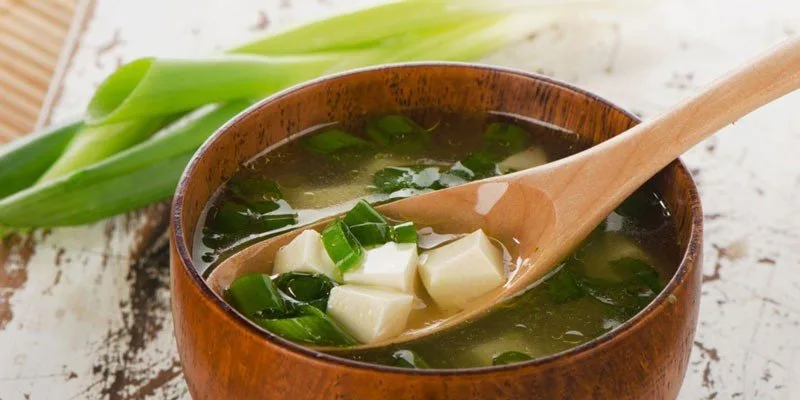
On top of that, a high intake of vegetables, fish, and soy products is built into most Japanese recipes. Fruit is more expensive than in many Western countries, but Japanese people still tend to eat a fair amount of it, and seasonal fruit is treated as a small luxury.
Hot springs and the onsen bathing culture rejuvenate
Something fundamental to Japanese culture is bathing in hot springs, known as onsen. The water is hot and rich in minerals, and it is widely credited with helping the skin stay soft and youthful.
Onsen water is full of minerals such as sulfur, sodium, and calcium, and regular bathing is associated with better blood circulation, muscle relaxation, stress relief, deeper sleep, and skin that stays hydrated. Many people in Japan visit an onsen almost every week, and most homes have a deep bathtub, so the ritual of a long soak at the end of the day is part of normal life.

It is also worth noting that Japanese tap water tends to be softer than in many other countries, and that fluoride levels in Japanese toothpaste and water are noticeably lower than in places like the United States or Brazil.
Community and bonenkai strengthen social bonds
Japan's climate also plays a quiet role. The country has milder summers than many tropical regions, and the sun is often softened by clouds and humidity, which means less daily UV exposure on the skin. Combined with a cultural habit of wearing hats, long sleeves, and parasols in summer, this helps slow the kind of photoaging that is far more aggressive closer to the equator.
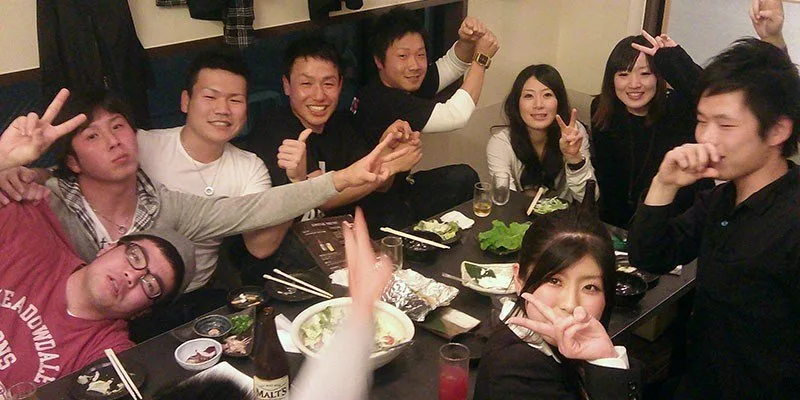
Beyond the climate, community life matters. The bonenkai (忘年会, literally "forget-the-year party") is a year-end gathering where coworkers, friends, and family meet to eat, drink, and gently close the chapter on the past twelve months. Similar events, like hatsumōde at New Year, neighborhood association meetings, and local matsuri (festivals), keep people socially connected well into old age, and that sense of belonging is repeatedly linked to longer, healthier lives.
Respect for elders and active aging
Japanese culture places a strong emphasis on respecting elders, and that is not just a formality. Older people in Japan are often still seen at work, in community associations, on hiking trails, and at morning radio-taiso sessions in the park. Retirement ages have been edging upward, and many seniors keep a regular routine of walking, light exercise, and group activities well into their 80s.
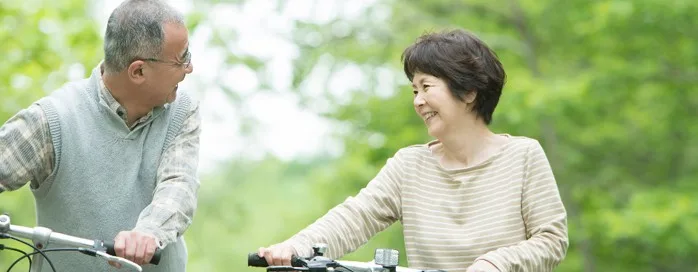
This is not unique to Japan, but the combination of social respect, low-impact daily movement, modest portions at every meal, and strong community ties adds up. None of these things is a miracle on its own, and Japan also has its share of people who eat poorly, smoke, and struggle with weight. The cultural default, though, is to keep moving, keep eating light, and keep showing up for others, and that default seems to make a real difference over decades.
Traditional beauty rituals
On top of diet and lifestyle, Japanese beauty routines have their own quiet logic. The multi-step skincare routine made famous worldwide, usually centered on a gentle oil cleanser, a foaming cleanser, a lotion (a hydrating toner), a serum, and a sunscreen, is built on the idea of protecting the skin barrier rather than stripping it. Sunscreen in particular is used daily, including in winter and on cloudy days.
Traditional ingredients also still appear on bathroom shelves: rice bran (komamizu) for gentle exfoliation, camellia oil (tsubaki) for hair and skin, and green tea extracts for their antioxidant effect. None of this is magic, but it reflects the same mindset that runs through the rest of Japanese life: small, consistent habits, repeated patiently over years, rather than one big fix.
It is also fair to say that the "Japanese beauty" image is not a one-to-one map of the population. Just like anywhere else, Japan has people of all sizes, skin types, and styles, and many of them do not fit the slim, youthful stereotype. Makeup, filters, and social media play a real role in the pictures that travel abroad. What is real, though, is the average: Japan is one of the countries where people tend to live the longest, stay the slimmest, and report the highest well-being in old age, and the everyday habits behind that average are worth borrowing, one small ritual at a time.



Community
Comments
0 comments
There are no published comments in this language yet.
Send comment