
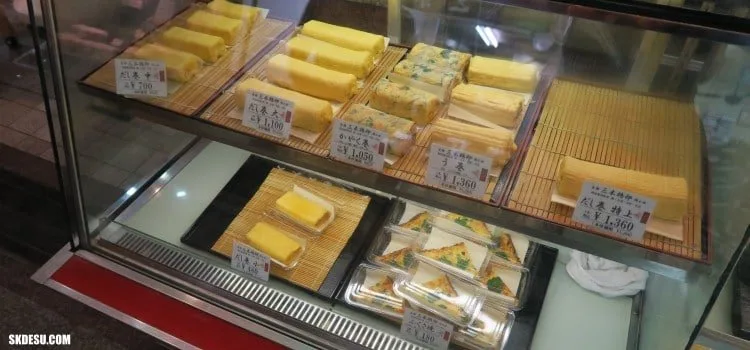
Tamagoyaki is the rolled omelette many people associate with Japanese breakfasts, bento boxes, and sushi counters. The name joins tamago (egg) and yaki (grilled or cooked over heat). Instead of folding one large omelette once, cooks build tamagoyaki by cooking thin layers of seasoned egg and rolling each layer into the next.
That basic idea stays the same, but the flavor can change a lot from one kitchen to another. Some versions lean sweet and firm enough to slice neatly for lunch boxes. Others use more dashi, which gives the omelette a softer texture and a more savory finish. That range is part of why tamagoyaki shows up everywhere from home breakfasts to izakaya counters.
Contents 4
What makes tamagoyaki different from a regular omelette?
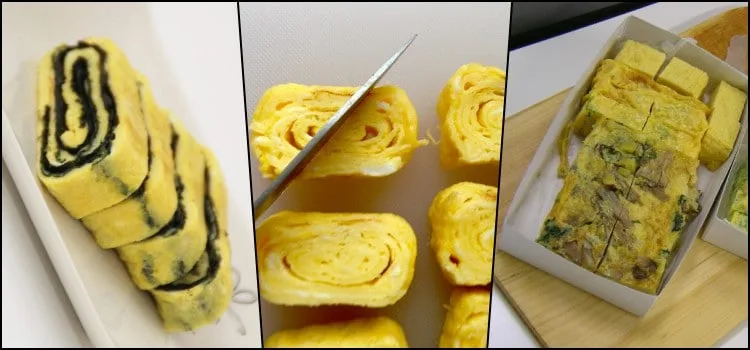
The technique is what changes everything. A Western omelette is usually folded once around a filling, while tamagoyaki is rolled again and again as new egg is added to the pan. Each layer cooks quickly, then becomes the base for the next one.
A rectangular pan called a makiyakinabe or tamagoyaki pan makes the shape easier to control, but it is not mandatory. The important part is using a lightly oiled pan, working with thin layers, and rolling before the surface dries out completely. That is what creates the clean stripes you see when the omelette is sliced.
Because it holds its shape after cooling, tamagoyaki fits naturally into obento. The same layered texture also explains why it is a familiar side dish in set meals and a common topping or filling in different kinds of sushi.
Sweet tamagoyaki, dashimaki, and other common styles
Tamagoyaki is a broad name, so recipes vary by region and by household habit. In eastern Japan, many people picture a thicker and slightly sweeter rolled omelette. In the Kansai area, the version called dashimaki tamago is especially popular because the extra dashi makes it lighter and juicier.
- Atsuyaki tamago is usually thicker and a little sweeter, with a firmer bite that works well in boxed lunches.
- Dashimaki tamago uses more dashi, so it comes out softer and juicier, often served hot with grated daikon.
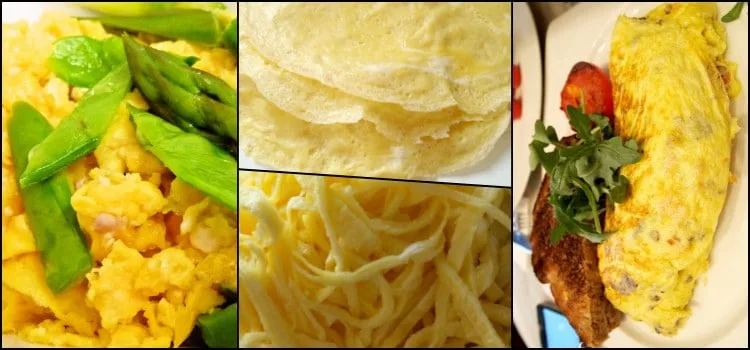
- Usuyaki tamago is a very thin egg sheet used for wrapping or layering.
- Kinshi tamago is usuyaki tamago cut into fine strips for sushi, chirashi, and noodle dishes.
- Iri tamago refers to seasoned scrambled egg cooked into small flakes.
You may also see tamagoyaki in sushi shops, where a neat slice can be served over rice as tamago nigiri. In that setting, the omelette is often seasoned differently from the breakfast version because it has to stand beside vinegared rice.
Simple tamagoyaki recipe to make at home
If you want a balanced home-style version, keep the ingredient list small and adjust the sweetness after your first try.
- 3 large eggs
- 1 to 2 tablespoons dashi
- 1 teaspoon soy sauce
- 1 teaspoon mirin or 1 teaspoon sugar
- Neutral oil for the pan
Beat the eggs gently so the mixture blends without becoming too foamy. Stir in the dashi, soy sauce, and mirin or sugar. Heat the pan over medium to medium-low heat and wipe it with a thin layer of oil.
Pour in just enough egg to cover the surface in a thin layer. When the bottom has set but the top is still a little soft, roll it toward one side of the pan. Add a second thin layer and let it run under the rolled egg before rolling again. Repeat until all the mixture is used.
If you want a cleaner shape, press the hot omelette lightly with a bamboo mat for a minute before slicing. Serve it warm, at room temperature, or chilled inside a lunch box. A little grated daikon on the side works especially well with less sweet versions.
Why tamagoyaki stays popular
Tamagoyaki survives trends because it is simple, adaptable, and comforting. It can be sweet or savory, plain or filled, breakfast-friendly or made to sit neatly inside sushi and bento. Once you understand the rolling method, the recipe becomes easy to adjust without losing its identity.
That is also why the dish says a lot about Japanese home cooking: small changes in seasoning, texture, and presentation create distinct styles from the same basic ingredient. A slice of tamagoyaki may look modest, but it carries technique, habit, and regional taste in every layer.


Community
Comments
0 comments
There are no published comments in this language yet.
Send comment