
In many countries a raw egg feels like a dare. In Japan it shows up on morning rice, sits in a sukiyaki dip bowl, and often lands uncooked on a gyūdon. The first time you see it, the question is almost automatic: why do Japanese people eat raw eggs so casually — and is it actually safe?
The short answer is less about bravery than about a long chain of farming, hygiene, cold storage, and clear “eat raw by” dates. Once you see how that system works, you also see where the habit thrives in Japan — and where you should be more careful outside the country.
Contents 7
Why do Japanese people eat raw eggs?
In Japan, eggs are produced with raw consumption in mind. Farms, packing plants, and retailers assume many people will mix an egg into hot rice or use it as a dip — not only cook it hard every time.
Typical steps before an egg reaches a supermarket shelf:
- Control along the chain: Breeding flocks, hatcheries, and layer farms are managed with salmonella checks and vaccination programs, not a single last-minute wash.
- Washing, disinfection, and sorting: Fresh eggs go through GP centers that clean and sanitize the shell, reject cracked or dirty eggs, then cool and pack what remains.
- Clear labeling: Cartons often carry a date meant for safe raw use, not only a vague “still fine if fully cooked.”
Shelf life from lay date is often framed around roughly two to three weeks, deliberately short because raw use is part of the plan. What you pick up is less a long-storage product and more a fresh everyday ingredient.
Habit matters too. Raw egg is part of food culture — from a plain rice bowl to hot pot. Trust comes from decades of that system matching how people actually eat, not from a single magic farm.
Is eating raw eggs dangerous?
Salmonella is real. The bacteria can sit on the shell or, less often, end up inside the egg if a hen was infected. Symptoms range from stomach cramps and diarrhea to more serious illness for higher-risk groups.
That is why raw eggs look risky from a Western kitchen. The difference is probability and handling, not a superpower egg. In the United States, a common ballpark is about one contaminated egg in roughly 20,000; Japanese risk assessments based on large samples put in-egg contamination even lower (often cited around 0.0029%). That is not zero — but it is a different profile from places with weaker control along the chain.
Japanese producers and public guidance still treat cracked eggs as a no-go for raw use, expect you to crack and eat soon, and keep cold storage in mind. “Safer in Japan” means under those production and handling conditions — not that every raw egg, everywhere, is the same.
Practical safety tips (even in Japan)
High standards still leave room for common sense. Guidance along the lines of Tokyo’s food-safety advice includes:
- Buy fresh eggs with clean, intact shells; check the date on the pack.
- Refrigerate after purchase (ideally under about 10°C) and use within the stated window.
- Crack just before eating; do not use cracked eggs raw.
- Do not leave dishes with raw egg out for hours; discard leftovers if too much time has passed.
- For infants, young children, pregnant people, older adults, and anyone with a weakened immune system, prefer fully cooked eggs.
Follow those rules and you are using the same everyday caution Japanese households already build in — starting from an egg that was usually checked more strictly before it hit the shelf.
Tamago-kake-gohan and dishes with raw egg
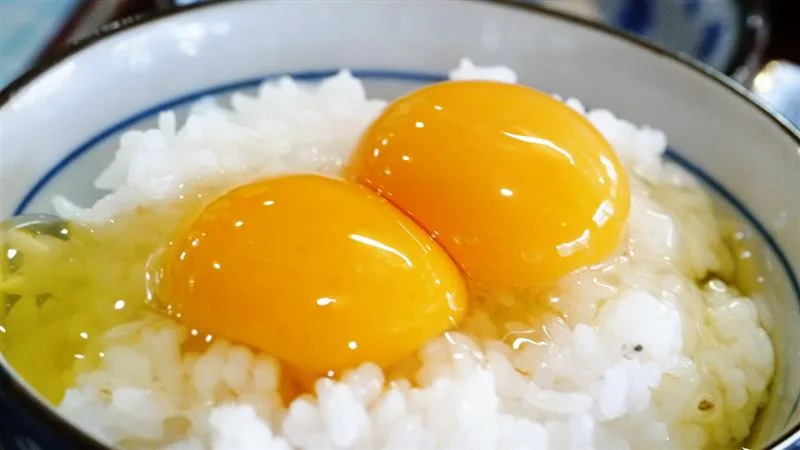
Tamago-kake-gohan (卵かけご飯, often TKG) is the classic: hot rice, a raw egg, soy sauce — stirred until creamy. Simple, filling, and common at hotels, ryokan, and home breakfast tables. If you care about Japanese rice itself, our guide to gohan and Japanese rice pairs well with this habit.
Other dishes where raw egg is part of the recipe, not a glitch:
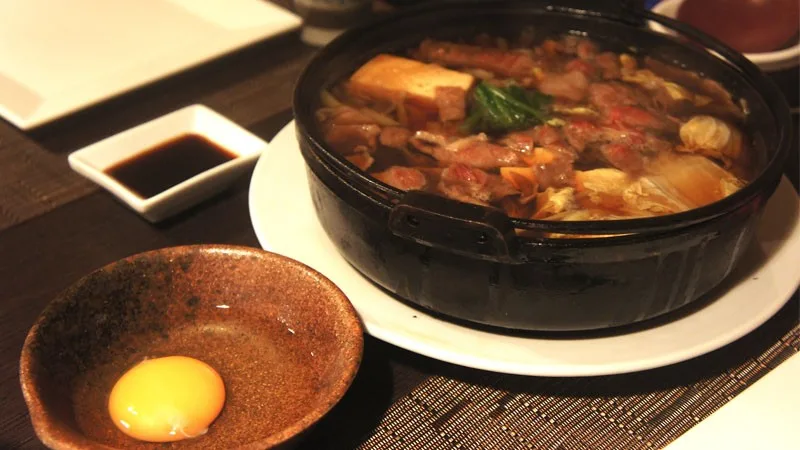
- Sukiyaki: meat and vegetables from the pot are often dipped in beaten raw egg — heat and sweet-savory sauce meet a creamy coating. More on the dish in our sukiyaki guide.
- Gyūdon and other donburi: beef over rice, often with a raw or soft egg on the side or on top — everyday chain and diner food. See also how gyūdon works.
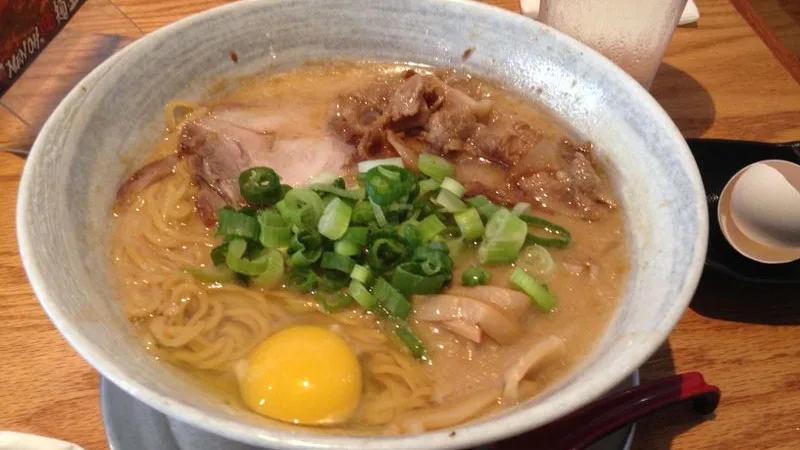
- Tsukimi udon or soba: a raw yolk as a “moon” on the noodles — a moon-viewing image, but also a year-round comfort bowl.
- Japanese curry (home style): some people stir a raw egg into the sauce for extra richness — optional, not required.
- Nattō, teishoku sets, and meat dishes: an optional raw egg to mix or dip, often as an add-on.
Across these plates the idea is the same: egg as a fresh, creamy element, not an unfinished ingredient. For a cooked contrast, tamagoyaki shows how the same ingredient behaves when fully set.
Nutrition — and what not to overstate
Raw eggs supply high-quality protein and nutrients such as lutein and zeaxanthin. Avidin in raw egg white can reduce biotin absorption at very high raw intakes; for normal Japanese-style use (one egg on rice, one dip egg at sukiyaki) that is rarely the main issue. If you have a medical reason to be careful, ask a professional — and choose cooked options when in doubt.
Separate two claims carefully: “safer under Japanese production and cold-chain practice” is not the same as “unlimited and identical everywhere.” Freshness, packaging date, and local standards still decide the risk.
Outside Japan
In the U.S., Europe, and many other markets, eggs may be sold under different washing, refrigeration, and salmonella programs, and raw use is less common culturally. If you recreate Japanese dishes at home:
- buy fresh, keep cold, and use promptly;
- prefer pasteurized eggs or egg products for recipes that stay raw when you are unsure;
- skip raw egg for higher-risk people;
- do not assume an imported carton at an Asian market matches Japanese farm and packing standards.
Inside Japan, raw egg at restaurants and home kitchens is ordinary. Visitors can usually try TKG or sukiyaki without drama if the egg is fresh and intact and basic handling is respected. Back home, local supply and the date on the pack matter more than vacation memories alone.
Conclusion
Japanese people eat raw eggs because food culture and the food-safety system are built for it: tight control, short windows for raw use, and dishes that treat the egg as a creamy, fresh ingredient. The bite is riskiest where the chain, cold storage, or date fails — or where vulnerable people are needlessly exposed.
If you visit Japan, try TKG or sukiyaki and take the logic of the “safe” egg with you. If you cook at home, keep the idea — and match how raw you go to the eggs you can actually buy.




Community
Comments
0 comments
There are no published comments in this language yet.
Send comment