
If you spend time in Japan, food quickly becomes one of the best ways to understand daily life. Meals are not only about eating well. They also reflect seasonality, convenience, attention to detail and a strong sense of tradition.
That is why Japanese food feels familiar in some moments and surprising in others. You can find a quick snack from a convenience store, a carefully prepared bento, a bowl of noodles or a refined kaiseki meal, and all of them belong to the same food culture.
Contents 6
Common foods in Japan
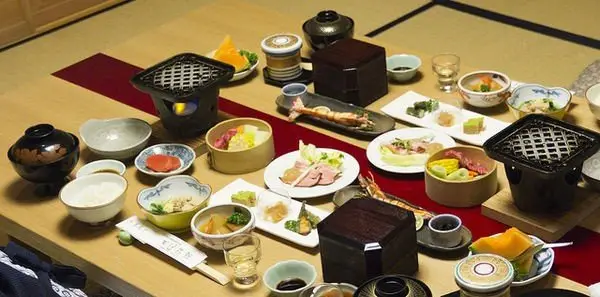
The basics of Japanese cooking usually include rice, noodles, fish, vegetables, tofu and fermented ingredients. Many dishes are light, balanced and shaped by the seasons. Rice, miso soup, grilled fish, pickled vegetables, udon and soba are all part of everyday eating.
Another important part of the cuisine is the way flavor is built. Dashi gives many dishes depth, while soy sauce, ginger, seaweed and other simple ingredients create a taste profile that is easy to recognize. Japanese food often looks restrained, but it is rarely plain.
Konbini and bentos
One word you hear very quickly in Japan is konbini. These convenience stores are everywhere, and they sell much more than snacks. You can find hot meals, drinks, salads, sweets and fresh bentos. For many people, konbini are part of the rhythm of the day because they are fast, practical and surprisingly varied.
The bento is almost a symbol of Japanese everyday culture. In its simplest form, it is a carefully arranged meal in a box. It can be modest or elaborate, but the point is always the same: convenience without losing care. That balance is one of the things that makes Japanese food so interesting.
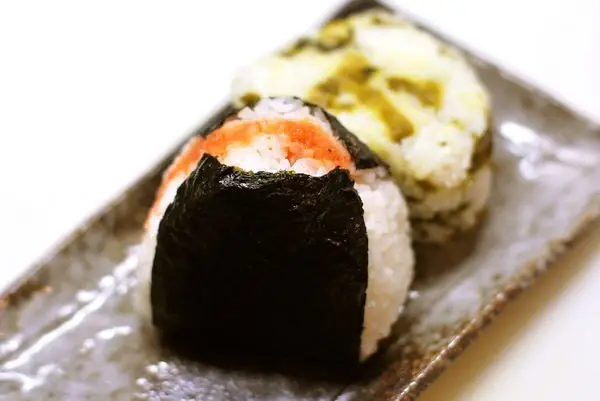
Onigiri, rice dishes to go and small packaged meals also fit into this world. When you travel through Japan, you quickly notice that good food is not limited to restaurants. It is also part of train stations, supermarkets, vending machines and corner shops.
Fast, practical and still varied
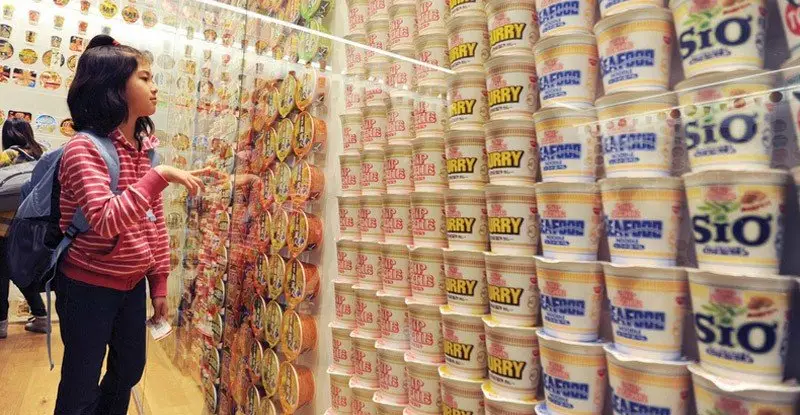
Visitors are often surprised by how much ready-to-eat food is available in Japan. There are plenty of convenience products, but they rarely feel careless. Packaging, portion size and even the way a package opens are usually designed to make the experience simple.
Seasonal and regional products also play a big role. Some snacks, drinks and sweets appear only for a short period, while others are tied to a specific area. That gives Japanese food a sense of curiosity and freshness that goes beyond simple convenience.
Sweets, snacks and unusual flavors
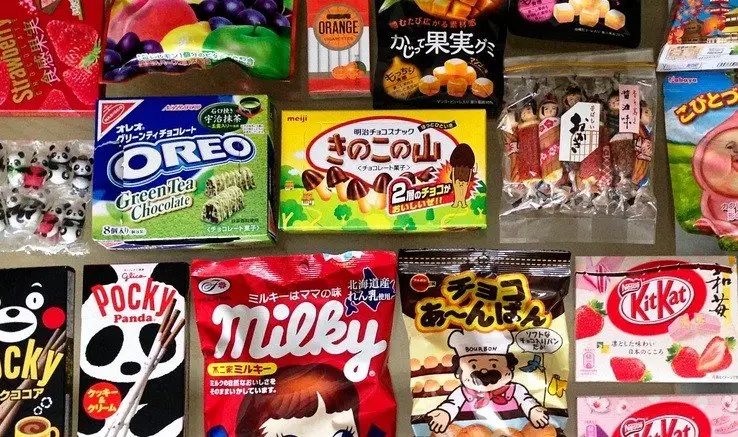
Japan is famous for mixing familiar products with unexpected flavors. That applies to chocolate, chips, drinks and candy alike. Tea, matcha, wasabi, chestnut, sweet bean paste and seasonal fruit flavors are much more common there than in many other countries.
This variety makes even ordinary snacks feel more interesting. You do not just find the standard flavors you already know. You also find limited editions, regional versions and combinations that encourage you to try something new. For many travelers, tasting those products is part of the fun.
Bakery items also deserve a mention. In many Japanese bakeries, western influences and local ideas mix in ways that feel very natural. The result is a style of bread and pastry that looks familiar at first glance, but rarely feels exactly the same as what you would expect elsewhere.

Table manners and food habits
Politeness matters a lot when people eat in Japan. Before a meal, people often say itadakimasu. When they finish, they may say gochisousama deshita. These expressions show gratitude and are part of the social rhythm of eating.
Chopsticks are important, but they are not the only way to eat. Using a fork or spoon is not unusual when it makes more sense. What matters more is general consideration: eating neatly, avoiding unnecessary noise and respecting the meal as a shared moment.
Meals are also prepared and packed in a very organized way. Many schoolchildren bring bentos from home, and in a lot of families breakfast still has a real place in the day. Food is treated as something practical, but also something worth doing properly.
Why Japanese food stands out
Japanese food stands out because it combines practical solutions with a strong identity. A quick snack, a carefully packed bento and a multi-course kaiseki meal can all belong to the same culture, even though they feel very different.
That variety is part of what makes Japan so fascinating for food lovers. You do not just discover recipes there. You also discover habits, seasonal awareness and a deep respect for ingredients. In the end, even a simple meal can tell you a lot about daily life in Japan.
Food in Japan is not loud, but it is always present. Once you pay attention, you start to see how much of Japanese life is reflected in something as simple as a meal.




Community
Comments
0 comments
There are no published comments in this language yet.
Send comment