
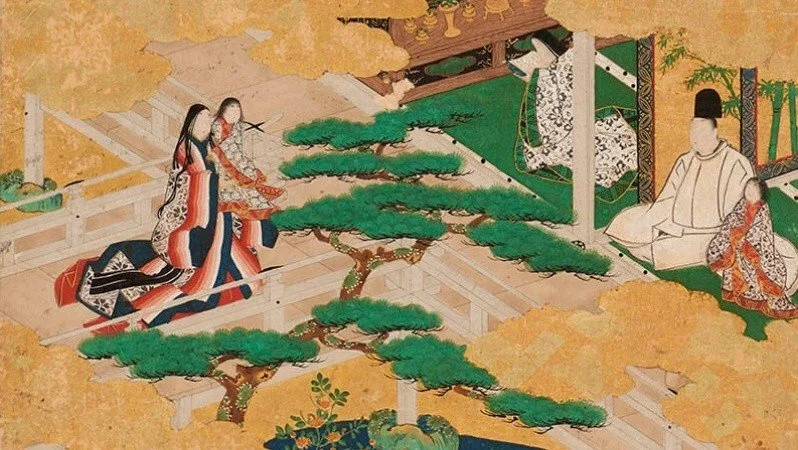
Nyoubou Kotoba [女房言葉] is a secret language used by the lady of the court or women who served in the imperial palace since the beginning of the Muromachi Period, much of which is still used today, including by women.
Contents 6
Does Nyoubou mean Wife?
Yes, the word nyoubou [女房] currently refers to one's own wife, but in the past, it referred to high-class women who worked in the Japanese Imperial Court. We can say they were the wives of the Empire.
The word literally means woman of the room, because these women served in the chambers and rooms of the palace or in the princess's quarters. As expected, some members of the nobility impregnated one of these palace servants.
Because of these events in modern times, this term began to refer to the wife of the nobility, and today, with the absence of this work, it can refer to a partner or wife.
What is Nyoubou Kotoba like?
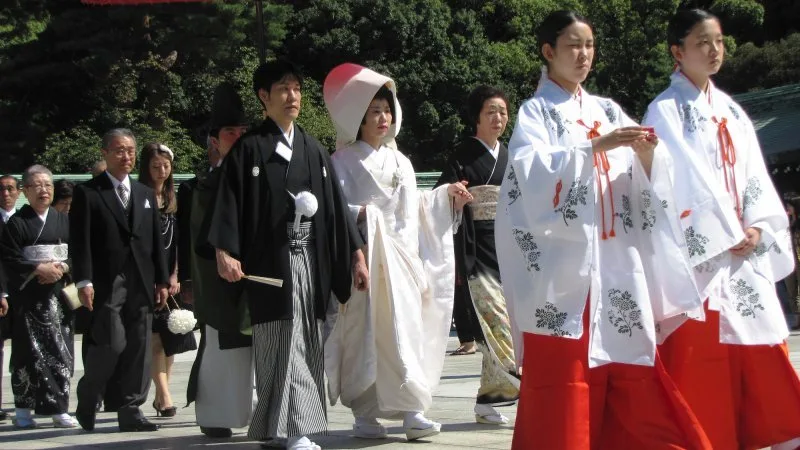
Originally used by Japanese court ladies during the Muromachi era, this language spread and came to be considered a general feminine language. It mainly consisted of a special vocabulary of words for food, clothing, and other household items.
Many Nyoubou Kotoba words were formed by adding the prefix o- [お], which indicates politeness and delicacy, or by removing part of a word and adding -moji [文字], which means "character or letter," thus presenting a euphemism.
The term nyouboukotoba can also be written with the ideograms [女房詞], and the secret language today can be called jochuukotoba [女中詞], which means something like the language of middle-aged women.
The Nyoubou Kotoba also often uses abbreviations, mimicry, onomatopoeias, and metaphors. It was said to have an elegant and graceful writing style that later spread to samurai households, townhouses, and even to men.
Nyoubou Kotoba Vocabulary
Now let's examine a list of words from Nyoubou Kotoba. Can you find some similarities with contemporary feminine words? I hope you are enjoying the article, share it!
Words that start with o [お]
- Okaka [おかか] - Bonito flakes;
- Okaki [おかき] - Rice cake;
- Okazu [おかず] - Side dish;
- Okabe [おかべ] - Tofu;
- Okaran [おかちん] - Mochi;
- Okara [おから] - Residue after squeezing soy milk;
- Okowa [おこわ] - Steamed rice;
- Osatsu [おさつ] - Sweet potato;
- Ojiya [おじや] - Rice porridge;
- Osumoji [おすもじ] - Sushi;
- Odai [おだい] - Rice;
- Otsuke [おつけ] - Miso soup;
- Oden [おでん] - Tofu with miso; Oden;
- Onaka [おなか] - Belly;
- Onara [おなら] - Fart;
- Onigiri・Omusubi [おにぎり・おむすび] - Rice ball;
- Ohagi [おはぎ] - Rice cake;
- Ohiya [おひや] - Cold water;
- Ohiroi [おひろい] - Walking;
- Omaru [おまる] - To throw away;
- Oman [おまん] - Flapjack;
- Oyoru [およる] - Honorific for sleeping;
Words that end with moji [文字]
- Okumoji [ おくもじ ] - Wife;
- Okumoji [ おくもじ ] - Drinks;
- Omemoji [ おめもじ ] - Personal meeting;
- Kamoji [ かもじ ] - Mother; Wife;
- Kuromoji [ くろもじ ] - Lindera (plant);
- Komoji [ こもじ ] - Carp;
- Shamoji [ しゃもじ ] - Ladle;
- Sumoji [ すもじ ] - Sushi;
- Somoji [ そもじ ] - You;
- Nimoji [ にもじ ] - Garlic;
- Hamojii [ はもじい ] - Embarrassed, shame;
- Hitomoji [ ひともじ ] - Leek
- Himojii [ ひもじい ] - I'm hungry
- Futamoji [ ふたもじ ] - Giggles
- Yumoji [ ゆもじ ] - Yukata
Other words
- Kouko [こうこ] - Pickled radish;
- Kon [こん] - Food added when drinking sake;
- Ishi ishi [いしいし] - Dango, dumpling;
- Oomono [青物] - Vegetables;
- Naminohana [なみのはな] - Salt;
- Nasu [なす] - Eggplant;
- Mizunohana [みずのはな] - Water flower, algae bloom, lotus;
- Hechima [へちま] - Sponge gourd, loofah;
- Kunoichi [くのいち] - Female kanji, feminine stealth;
- Make [まけ] - Menstruation;





Community
Comments
0 comments
There are no published comments in this language yet.
Send comment