
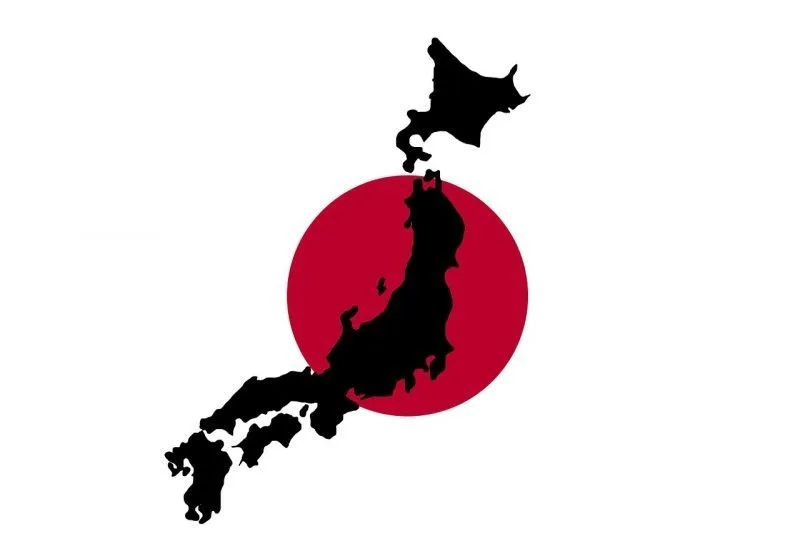
Have you ever wondered why in Japan the country is called Nihon and Nippon? Or have you ever wondered why Westerners call the country Japan? Where did these terms come from? Are there other alternatives to refer to the land of the rising sun?
In this article, we will understand why Japan has several names like Nihon and Nippon. We will see how these names originated, some curiosities, and how to say Japan in various languages. Below is a summary of the article:
Contents 7
How do you say Japan in Japanese?
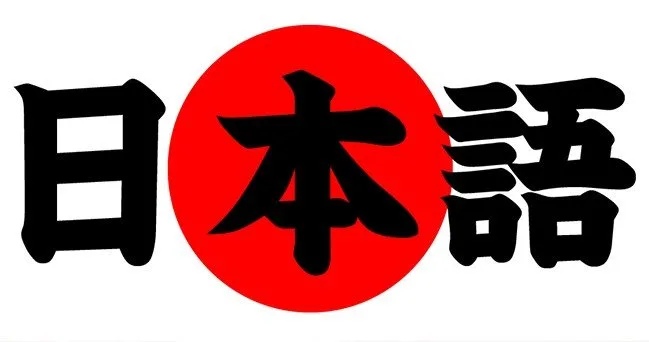
As the title of the article and its introduction suggest, Japan in Japanese is nihon or nippon [日本] both written the same way. Throughout the article, you will understand a little better about the meaning and origin of this name.
If you want to call Japan Japan in Japanese, you can say jyapan [ジャポン] equivalent to the English Japan. Japan officially uses this English version in documents displayed internationally and also in passports.
There are other ways to transcribe Japan from different languages into Japanese using katakana. The closest to the Portuguese and Spanish language we have is japon [ジャポン] although it is rarely known by the Japanese.
Meaning and origin of the name Japan
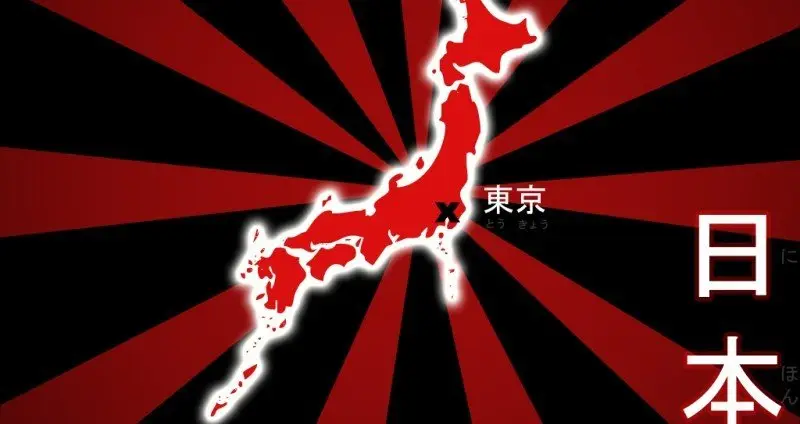
Japan in the Japanese language is written [日本] where [日] means sun and [本] means origin. For this reason, Japan is known as the land of the rising sun and has a simple flag that represents the sun. The ideograms in the Japanese language have various readings allowing for the pronunciation nihon and nippon for the country's name [日本].
The phonemes in the Japanese language are called hiragana and katakana where each character represents a sound. Using these alphabets we can write nihon [日本] as follows: [にほん] or [ニホン]. Now notice the small difference in the word nippon written in hiragana and katakana: [にっぽん] [ニッポン].
The hiragana or katakana letters used are practically the same, the difference is that nippon uses a diacritic to transform an H into P and a small tsu [っ] to elongate the pronunciation of P. There is basically no different reading of the ideograms [日本] to pronounce the name of Japan, just phonetic details.
Why is Japan the land of the rising sun? This is because according to the Chinese, the country is located to the east of China, where apparently the sun rises. It is also believed in the influence of the Sun Goddess, Amaterasu. We can also notice this in the time zone, where Japan is 12 hours ahead of us.
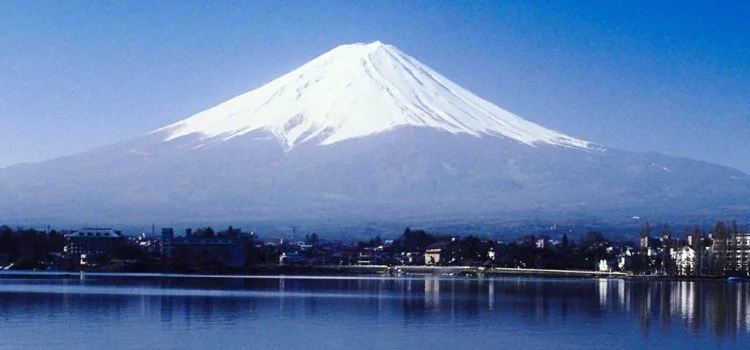
What is the ancient name of Japan?
The Chinese called Japan before it became an official country wa [倭] becoming what we know in Japanese as wakoku [倭国] which probably has a difference in pronunciation from that time.
However, [倭] was not a good ideogram, so it was changed to [和] which means “harmony.” Later the name was established as wamato and then yamato which means something like behind the mountain.
For Westerners, Japan has always been called by some variant of the word japan, we will talk about this throughout the article.
Why call it Japan in the West?
Have you ever wondered why the West or the rest of the world calls the land of the rising sun Japan and not Nihon or Nippon? This happened because the person who introduced Japan to the world, the famous Marco Polo, only knew Japan through the Chinese by some dialect in southern China that pronounced the ideograms [日本] as Zipangu.
In Traditional Chinese, the ideograms for Nihon or Nippon [日本] are usually pronounced as Rìběn. Marco Polo ended up taking Zipangu and transforming it into Jipen which later in English became Japan and in Brazil became Japão. In Japanese, we can write Japan using katakana [ジャパン].
Even the Japanese themselves do not usually question this decision of the world, since the ideogram [日] also has the Chinese pronunciation jitsu. So it would not be uncommon for someone to say jitsupon or jitsuhon which slightly resembles Zipangu or Japan, especially in the English pronunciation.
Japan has undergone several phonological changes throughout its history. Possibly Nifon and Jippon were some of them. This explains quite a bit why the country is called Japan in English and has pronunciations starting with J in many languages.

When to use Nihon and Nippon?
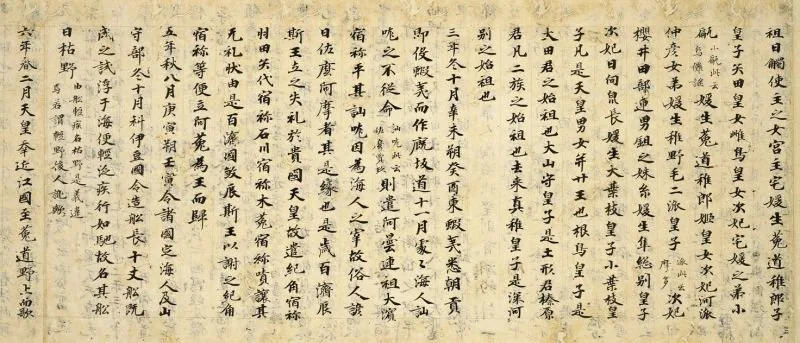
The first pronunciation used for the ideograms [日本] was Nippon. This term began to be used around 640 and makes perfect sense for the use of P in relation to the word Japan or Japão. It is believed that the term Nihon emerged in the Edo period in the Kanto region. In fact, the commercial district of Tokyo is called Nihonbashi, while the commercial district of Osaka near Kyoto (the ancient capital) is called Niponbashi.
Throughout the history of Nihon, people discuss which is the best way or the official way to pronounce [日本], is it Nihon or Nippon? Currently, Nihon has become more popular than the original Nippon, used by more than 60% of the population. Note also that no one refers to the Japanese language as nippongo, only as nihongo [日本語].
Even the government did not accept the proposal to officialize the pronunciation of the land of the rising sun as Nippon in 1934. It is more common to pronounce Nippon when the word is isolated and alone. If the word is combined with another ideogram presenting some concept or idea of the country, it is more normal to use the reading Nihon...

Other ways to refer to Japan
Basically, the name of Japan is composed of 2 ideograms that can be pronounced however the person wants. Was it always like this? Before 640 how was Nihon called? Are there alternatives to the words Japan, Nihon, and Nippon?
Before Nihon and Nippon [日本], the land of the rising sun was called Yamato [倭] or simply Wa, or better, wakoku [倭国]. This name was given by the Chinese who first encountered the Japanese in southern China. At that time, the country was divided into several ancient provinces. Yamato was the main one, responsible for founding an imperial court in Nara.
Over the years, the ideogram [倭] was simplified to [和] which means harmony and peace. This ideogram is still widely used in the Japanese language in various words related to the Japanese people such as traditional Japanese food washoku [和食]. The kanji wa [我] also has some connection and concept about Japan.
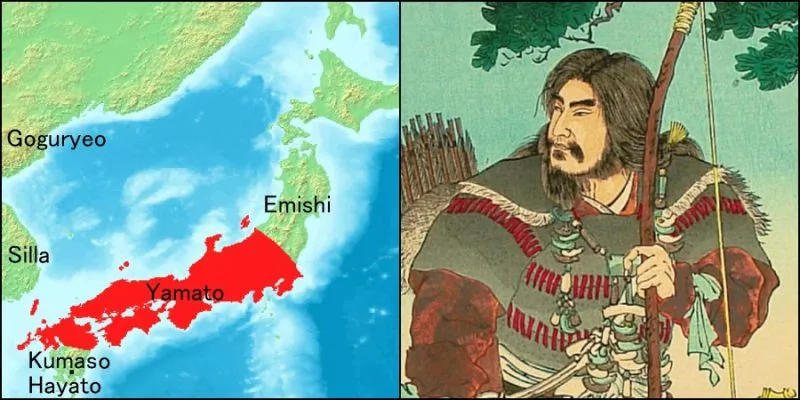
Throughout the history of Nihon or Nippon, it has gained other names and nicknames such as:
- Ōyashima [大八洲] Great country of 8 (many) islands;
- Yashima [八島] Eight (many) islands;
- Hinomoto [日の本];
- Akitsukuni [秋津国];
- Shikishima [敷島];
- Mizuho [瑞穂];
- Fusō [扶桑];
How do you say Japan in other languages?
To conclude the article, we will leave a list of how the land of the rising sun is called in various languages. I hope you enjoy it, thank you for sharing, commenting, and reading our article.
| Languages | How to say Japan in another language |
|---|---|
| Amharic | ጃፓን (japani) |
| Arabic | اليابان (al-yābān) |
| Armenian | ճապոնիա (Chaponia) |
| Azerbaijani | Yaponiya |
| Bangla | জাপান (Jāpān) |
| Basque | Japonia |
| Belarusian | Японія (Japonija) |
| Catalan | Japó |
| Croatian | Japan |
| Czech | Japonsko |
| Dutch | Japan |
| English | Japan |
| Filipino | Hapón (Japón) |
| Finnish | Japani |
| French | Japon |
| Galician | O Xapón |
| Georgian | იაპონია (iaponia) |
| German | Japan |
| Greek | Ιαπωνία (Iaponía) |
| Hawaiian | Iapana |
| Hebrew | יפן (Yapan) |
| Hindi | जापान (jāpān) |
| Hungarian | Japán |
| Icelandic | Japan |
| Indonesian | Jepang |
| Irish | An tSeapáin |
| Italian | Giappone |
| Kazakh | Жапония (Japoniya) |
| Khmer | ជប៉ុន (japon) |
| Kurdish | Japonya |
| Malay | جڤون (Jepun) |
| Maltese | Ġappun |
| Mongolian | Япон |
| Persian | ژاپن (žāpon) |
| Polish | Japonia |
| Romanian | Japonia |
| Russian | Япония (Yaponiya) |
| Scottish Gaelic | Iapan |
| Sinhala | ජපානය (Japanaya) |
| Slovak | Japonsko |
| Spanish | Japón |
| Swedish | Japan |
| Tamil | ஜப்பான் (Jappaan) |
| Thai | ญี่ปุ่น (yīpun) |
| Turkish | Japonya |
| Ukrainian | Японія (Yaponiya) |
| Urdu | جاپان (jāpān) |
| Welsh | Siapan |
| Xhosa | Japhan |




Community
Comments
0 comments
There are no published comments in this language yet.
Send comment