
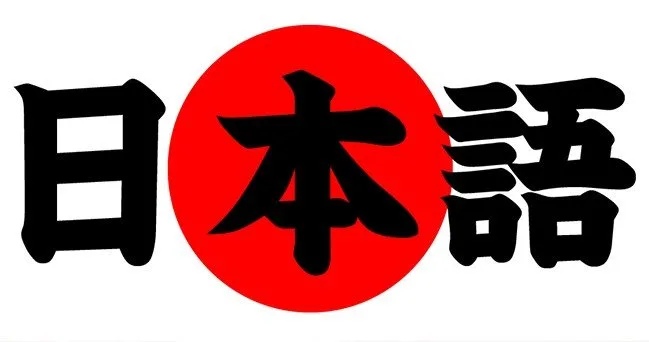
Nihongo [日本語] is the standard designation for the Japanese language, though speakers also use several other terms depending on context. From classroom education and regional dialects to classical poetry, each expression highlights a distinct facet of Japanese linguistic heritage.
Contents 5
Why Is Japanese Called Nihongo?
Just as Japan itself can be called Nihon or Nippon, the language is sometimes pronounced nippongo [日本語], though nihongo is far more common in everyday life. To understand why the language carries this name, it helps to explore why Japan has this name, rooted in the kanji for sun and origin [日本].
In Japanese word formation, naming a language follows a systematic rule: the name of the country is combined with the suffix go [語], which signifies language or speech. For example, France becomes Furansugo [フランス語], Germany becomes Doitsugo [ドイツ語], and Japan becomes Nihongo [日本語]. This regular pattern provides great clarity for learners.
Japanese functions as the national language of Japan across all prefectures. While regional communities maintain rich and distinct different dialects, standard education and media unify communication under nihongo. Today, over 125 million people speak the language natively, accompanied by millions of students worldwide.
Kokugo: The National Language of Japan
Kokugo [国語] literally translates to "national language" or "language of the country." While Nihongo is typically used when looking at the language from an external or international perspective, Kokugo applies from an internal perspective within Japan.
In Japanese primary and secondary schools, the native language arts curriculum is officially designated as Kokugo [国語] to focus on reading comprehension, classical literature, and kanji mastery. By contrast, courses designed for foreign exchange students or immigrants are called Nihongo education. In lexicography, kokugo dictionaries (kokugo jiten) document native vocabulary and established usage.
The suffix rule also applies across Asia: the Chinese language in Japanese is Chuugokugo [中国語], combining China (Chuugoku [中国], literally "middle kingdom") with the language character go [語].

Yamato Kotoba: Ancient Japanese and Native Vocabulary
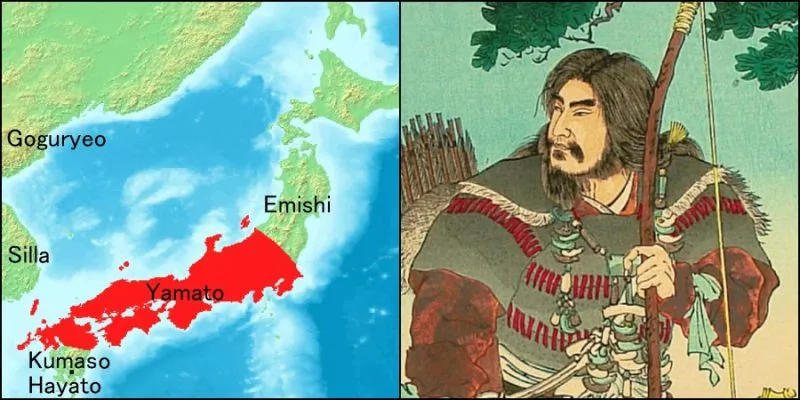
The term yamato kotoba [大和言葉] designates the indigenous Japanese vocabulary inherited from ancient times before extensive borrowing from Chinese characters began around the Asuka Period (538–710 AD). In linguistic terms, this native layer is known as wago [和語], which forms one of the primary lexical strata alongside Sino-Japanese words and foreign loanwords, as detailed in our guide to wago, kango, and gairaigo.
In modern culture, yamato kotoba carries connotations of poetic grace, harmony, and traditional elegance. Many Japanese speakers deliberately incorporate native phrasing in formal speeches or literary compositions to evoke warmth and refinement. You will also encounter the traditional variant yamato kotonoha [やまとことのは], where kotonoha serves as the classical word for words.
Grammatically, the vast majority of native Japanese particles, auxiliary verbs, basic adjectives, and foundational verbs belong to yamato kotoba, serving as the connective bedrock of the language.
Other Ways to Refer to the Japanese Language
Jyapaniizu [ジャパニーズ]: Katakana loanword adapted from the English word "Japanese," commonly seen in modern pop culture, international branding, and casual media.
Kodaigo [古代語]: Ancient Japanese language, encompassing the archaic stages spoken up through the classical and medieval periods.
Hougo [邦語]: Native country language, used within Japan to denote Japanese literature, domestic publications (houbun [邦文]), and national cinema (houga [邦画]).
Kougo [口語]: Spoken language or colloquial speech, directly translating to "mouth language," contrasting with formal literary written styles.
Gendaigo [現代語]: Contemporary modern Japanese language, spoken and written from the Meiji modernization through the era following the Second World War.
Kango [漢語]: Sino-Japanese vocabulary consisting of words composed of Chinese character roots, forming a significant portion of technical, scientific, and academic terms.
Nichigo [日語]: Condensed compound for the Japanese language formed by taking Nichi [日] from Nihon and go [語], frequently found in historical titles and bilingual dictionaries.
Bungo [文語]: Literary or classical written Japanese, preserved in traditional poetry, official imperial edicts, and classical texts stemming from the Heian Period.
Hyoujungo [標準語]: Standard Japanese, based largely on educated Tokyo speech, used by government institutions, broadcasting networks, and school textbooks.
Kokuyaku [国訳]: Japanese translation of foreign texts, literally meaning "translation into the national tongue."
Joudaigo [上代語]: Old Japanese language of the Asuka and Nara periods, preserved in monumental works such as the Kojiki and Man'yoshu.
Yougo [洋語]: Western loanwords or Western languages in general, historically contrasted with Chinese studies.
Mikunikotoba [御国言葉]: An honorific, archaic phrasing meaning "speech of the honorable country," expressing high reverence for the native tongue.
Kogo [古語]: Classical vocabulary or archaic words no longer used in standard modern conversation, studied for reading pre-modern literature.

Sign Language in Japan: Nihon Shuwa
Japanese Sign Language is designated as Nihon Shuwa [日本手話] and widely known by the acronym JSL. In everyday conversation, speakers refer to it simply as shuwa [手話], combining the characters for hand [手] and speech [話].
Within the deaf community and legal frameworks, you will also encounter shuwagengo [手話言語] to emphasize its status as a complete, autonomous linguistic system, as well as shuwahou [手話法] regarding sign-based educational methods. Professionals facilitating communication between deaf and hearing individuals are called shuwatsuuyaku [手話通訳], or sign language interpreters.
For language learners and international communication, Nihongo remains the essential standard, while Kokugo reflects how Japanese speakers view their heritage and national curriculum. For further reading, consult authoritative resources such as the Wikipedia entry on the Japanese language, guidelines from the Agency for Cultural Affairs, and educational programs from the Japan Foundation.





Community
Comments
0 comments
There are no published comments in this language yet.
Send comment