
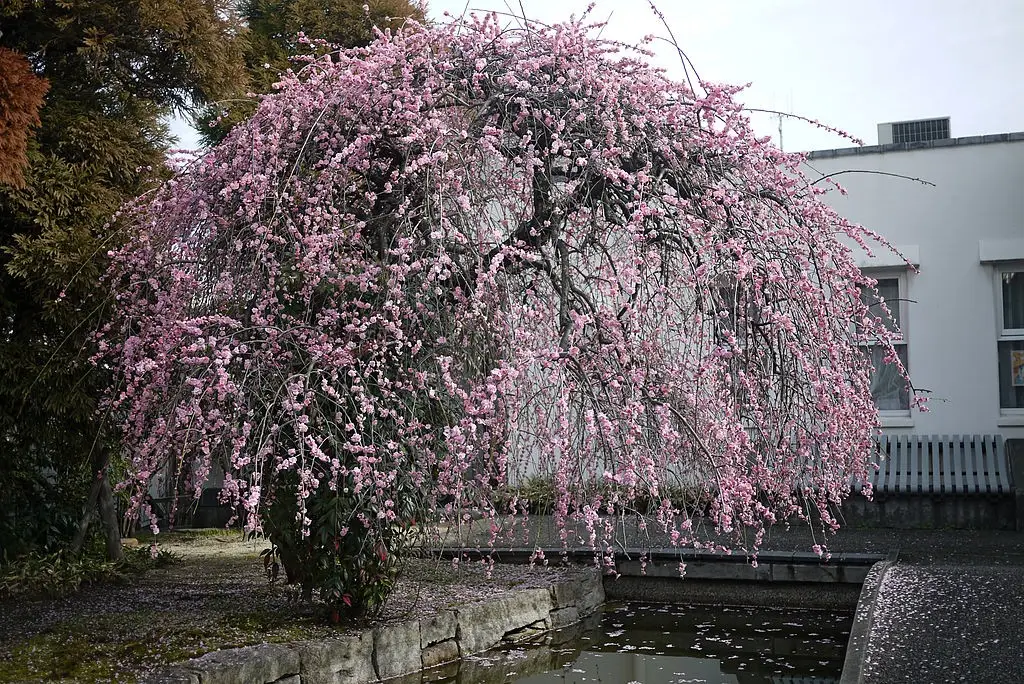
Ume [梅] is the Japanese name for Prunus mume, an Asian plum species from the Rosaceae family. The tree is native to East Asia and Southeast Asia and is also known as Chinese plum, Japanese plum, or Japanese apricot.
The plum blossom often appears in paintings and poetic quotes. Ume is also used in many forms, including beverages, condiments, sauces, and even traditional medicine. It is especially common in Japan, China, South Korea, and Vietnam.
The tree originally comes from southern China, more specifically from the Yangtze River region, and later spread to other places. Its flowering at the end of winter and the beginning of spring is considered a seasonal symbol. It can be found in remote forests, along stream banks, on wooded slopes, and on mountain paths.
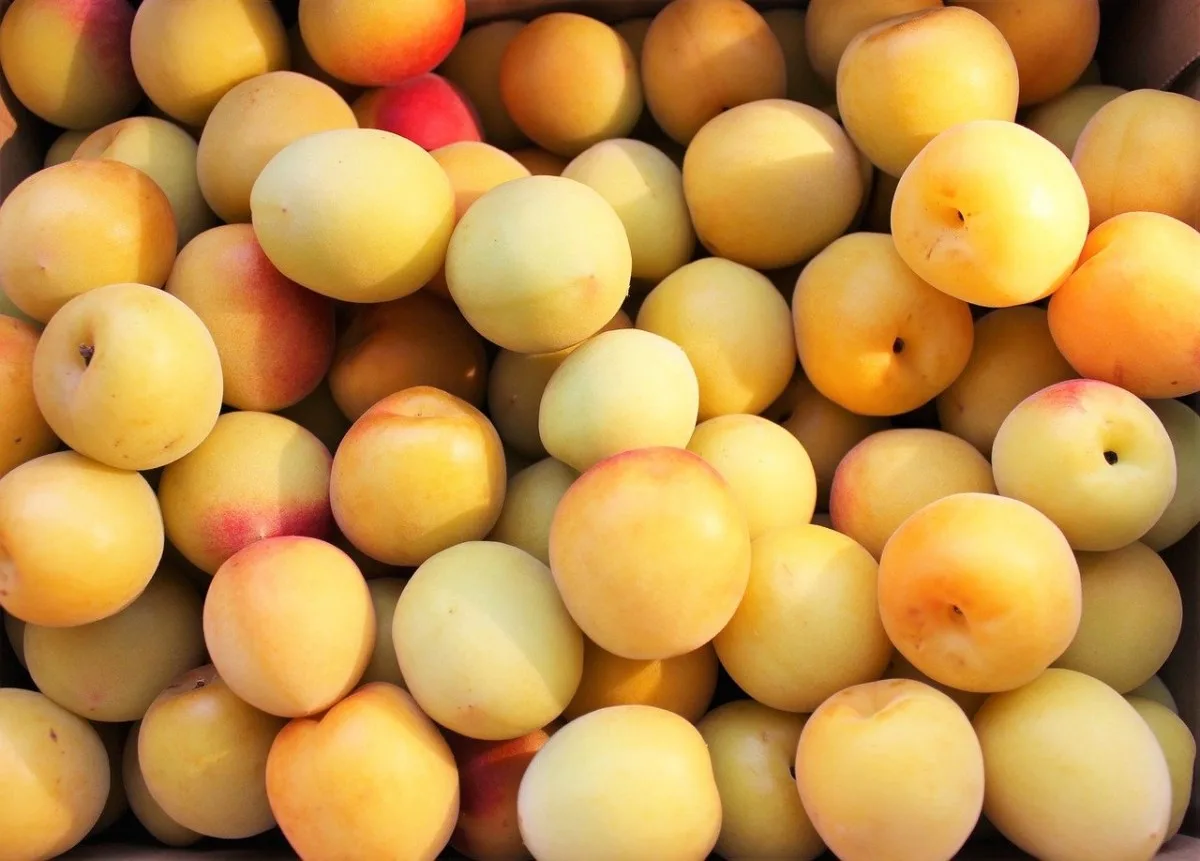
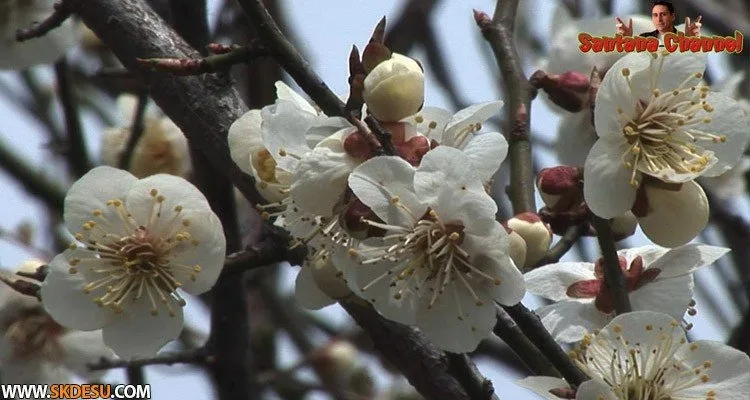
Ume usually starts blooming in the middle of winter, often from January to the end of February in East Asia. The tree can grow from 4 to 10 meters tall and produces highly fragrant flowers in white, pink, and red shades. The fruit ripens in early summer, usually between June and July.
Contents 5
Curiosities about Ume
The Japanese plum is known by several names. Another common name is mei. In Japan, ornamental cultivars of Prunus mume are often grouped into types such as yabai (wild), hibai (red), and bungo. Among the yabai varieties, Nankoume is often used to make umeboshi.
In Japan and China, it is common to plant Ume trees in home gardens because, according to old beliefs, they bring good luck and drive away evil spirits. Ume is also considered healthy because it contains vitamin C, potassium, dietary fiber, and is low in fat and calories.
From Ume come Umeboshi and the alcoholic drink Umeshu. There is also a belief that eating Umeboshi for breakfast helps ward off bad luck and misfortune.
In China, Ume is also used for medicinal purposes, especially against bacteria that can cause oral problems, as well as digestive issues like gastritis and stomach ulcers.
Wakayama Prefecture is well known in Japan for the quantity and quality of ume and umeboshi. Minabe is one of the most productive cities for this fruit.
Umeboshi: the salted plum
Umeboshi is a pickled plum with a sour and salty taste. There are also sweets made from this fruit, often prepared with honey and served alongside rice or rice balls, usually with the pit left inside.
Umeboshi can be round and either smooth or wrinkled like raisins. The fruit is harvested as soon as it ripens, packed in barrels with about 20% salt by fruit weight, and left for two weeks. The liquid that comes out is sold as umezu or ume vinegar. It is also commonly used in Japan as a remedy for cold symptoms together with okayu.
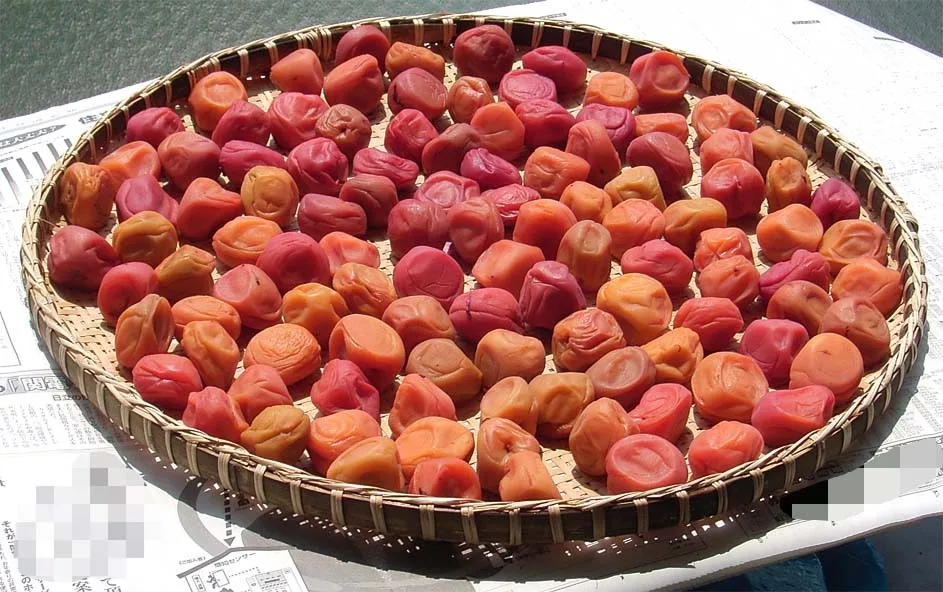
Since the samurai era, Umeboshi has been used to fight exhaustion after battles, thanks in part to its salt and citric acid content. It is also commonly used in cooking to add flavor and presentation. In addition, it can be served with shochu and hot water.
In the United States and Australia, the pickled fruit is sometimes eaten as a snack. In Japan, eating umeboshi is often compared to the English expression "an apple a day." Candy shops sometimes offer ume karikari, which is crunchy pickled ume, and dried umeboshi.
Umeshu: the Japanese plum drink
Umeshu is the drink made from Ume, and for this purpose the green plum is usually the best option. Sugar and rice alcohol (shochu) are added. Production usually takes place in June in Japan.
The drink was once consumed as medicine for sore throats. Today it has become a popular alcoholic beverage, and many Japanese people used to make it at home.

Recipe
Ingredients:
- 1 kg of ume
- 500 g of sugar
- 2 liters of shochu
- Filtered water
How to make it
Soak the ume in filtered water for eight to twelve hours to reduce the bitter taste. Then discard the water and wash the plums under running water. Place the green ume in a jar with the sugar, preferably rock sugar, and the shochu.
If you choose granulated sugar, it is recommended to shake the jar once a day. If you prefer, you can also use brown sugar in the kokuto style. The container should be tightly sealed and kept in a dark place for at least six months, although one year is ideal.
The mixture can be made with any alcoholic beverage, but shochu is the most common and recommended choice. Umeshu can be enjoyed with ice, neat, with water (mizuwari), with green tea (ochawari), with hot water (oyuwari), with soda, or with tonic water.
Have you ever tried umeboshi or umeshu, or do you want to get to know the Japanese plum better now?





Community
Comments
0 comments
There are no published comments in this language yet.
Send comment