

Do you know what a filler is? This word literally means filling, but it is used by anime fans around the world to define the episodes or arcs of an anime series whose plot is not based on the manga or the original work. It can also refer to boring and unnecessary episodes that add absolutely nothing to the story — and that is where the fandom splits: some people skip, others stay until the credits.
The word comes from English, from the verb to fill, which means "to fill." Literally, an "episode that fills" a space, a gap, and time on the broadcast calendar. Studios lean on that when they do not want the anime to overtake the manga in a long-running series, and the same trick appears in 12- or 24-episode seasons. The difference is only how painful the pause feels.
Contents 7
Why do Fillers Exist?
This usually happens when the studio developing the anime needs to stretch things out to avoid catching up to the manga in a few episodes, or simply because it wants to prolong the work. Some productions use a lot of flashbacks and extend battles and journeys to stretch the story. That adds nothing to the plot and is generally of lower quality both visually and narratively.
Many anime based on a short manga need fillers just to reach 12 or even 24 episodes. That means they can show up in closed works, both in short anime and in series that run for years. Some fillers are actually cool and give side characters room the manga never had. Others get annoying fast, especially once the show crosses 200 episodes.
If you want to skip the boring ones, gut feeling is a weak compass. You need a distinction: manga canon, anime-original material, mixed episodes, and pure padding. The lists further down are a map, not the last word — ongoing series keep growing, and different sites count the same episode differently. For the slang around all of this, the otaku vocabulary glossary is the next stop.
Different Types of Fillers in Anime and Series
Fillers can happen in any work, whether Japanese or not: anime, dorama, movies, and even games. It all depends on whether the work you are consuming has other original material or not. There are different types, and the ones fans argue about most look like this:
Canon filler — This is not present in the original work, but was written by the original author of the manga or light novel, serving most of the time as extra material for fans of the work. Canon comes from the word canonical. This often happens when the anime gets close to the manga.
Semi-filler consists of a certain part of the original work (manga and novel) and a certain part that is created. The invented part is not present in the manga. This makes the anime longer and slows down the main story. Community lists usually call this mixed canon/filler: skip the episode and you may still miss a manga scene taped onto extra minutes.
Flashbacks — Many authors and directors of anime use character flashbacks to create fillers, adding things that are not even present in the original work. Repeated flashbacks and things that happened in the past are placed between scenes to add more time to the episode and keep it a bit distant from the current original material.
Filler endings — Some short works decide to create an original ending different from the manga, which most of the time tends to be worse or terrible. The 2004 Gantz anime is a known case: after the temple mission it diverges into an original last fight that is not in the manga.
Anime made to stretch the name — Some titles get treated as "all filler" just because they were not adapted chapter by chapter from a manga. Dragon Ball GT is an anime-original sequel from Toei, with its own story after Z, so lists mark episodes 1–65 even though there is no manga to catch up with. Boruto is a different case: it has a manga. Calling the whole series filler is fan shorthand, not a production fact.
Skip the fillers or watch them anyway?
By definition you can skip a filler without losing the next manga plot beat. That does not mean you should. A beach episode is often just fan service and a breather before a heavy arc. The Dragon Ball Z episode where Goku and Piccolo sit for a driving test (episode 125) does not move the Cell saga an inch, and fans still quote it. The G-8 arc in One Piece is filler that a lot of people prefer to the canon weeks around it. Bleach has whole filler seasons, and some of those arcs still have a following.
The useful question is not only "is it in the manga?" It is "does this episode earn the hour?" If you are bingeing to reach a fight, skip. If you like the cast hanging out, stay. Mixed episodes sit in the annoying middle. And some formats barely fit the insult: a detective show that resets every two episodes is not padding the same way a shonen does when it parks a war for forty weeks.
List of Filler Episodes from Major Anime
Treat the numbers as a starting map. Series keep adding episodes, and two lists can disagree on the same week. There is a dedicated One Piece filler episode list if you want that title unpacked by arc.
Bleach Fillers — 33, 50, 64-109, 128-137, 147-149, 168-189, 204-205, 213-214, 227-266, 287, 298-299, 303-305, 311-342, 355;
One Piece Fillers — 50-51, 54-60, 93, 98-99, 101-102, 131-143, 196-206, 213-216, 220-226, 279-283, 291-292, 303, 317-319, 326-336, 382-384, 406-407, 426-429, 457-458, 492, 497-499, 506, 542, 575-578, 590, 626-629, 747-751, 775, 780-782, 801, 807;
The anime Bleach and Naruto are considered the kings of filler, with over 40% of their episodes filled with extra material.
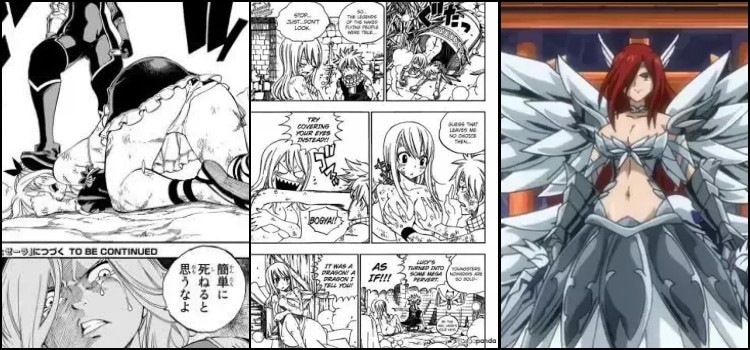
Fairy Tail — 9, 19-20, 49-50, 69-75, 125-150, 202-226, 246, 256, 268;
Katekyō Hitman Reborn! — 56, 97, 119, 142-153, 178-189;
Sailor Moon — 2-7, 9, 11-12, 15-18, 20-21, 26-32, 37-41, 43, 47-59, 62-67, 69-71, 78-80, 89, 94-100, 104, 107-108, 114, 116-118, 127, 129, 131-132, 134, 136-142, 144-147, 151-157, 159, 175-178, 183-186, 192;
Digimon Adventures — 9-11, 25, 33
Saint Seiya — 16-22, 26, 33-34, 54, 63, 74-99;
Sakura Cardcaptors — 5, 12-15, 19-24, 27-34, 36-38, 40, 43, 53, 55-58, 60-64
Rurouni Kenshin — 13-18, 22, 25-27, 63-95.
Inuyasha — 59, 63-65, 68, 72, 75-79, 89-101, 127-130, 133-140, 162-163
Detective Conan — 6, 14, 17, 19, 21, 24-26, 29-30, 33, 36-37, 41, 44-45, 47, 51, 53, 55-56, 59, 61-62, 64-67, 71, 73-74, 79-80, 83, 87-90, 92-95, 97, 106-109, 111-112, 119-120, 123-127, 135, 140, 143, 148-152, 155, 158-161, 165, 169, 175, 179-187, 196-198, 201-204, 207-211, 214-216, 225, 232, 235-237, 245, 248, 251-252, 255-257, 260-262, 264-265, 273, 276, 281-283, 294-300, 303, 314-315, 318-322, 328, 337, 342, 348-349, 352-353, 357, 360, 363-365, 368-370, 373, 376-380, 384, 388-389, 392-393, 397, 403-405, 409-410, 413-414, 418-420, 423-424, 426, 433-434, 437, 439-442, 448, 450-452, 456, 459, 461, 468, 471, 475, 478, 480, 483, 486, 489, 512, 518-520, 527, 536, 539-541, 544, 547-548, 553-556, 562, 565-567, 570, 577, 582, 588, 591, 594-596, 599, 602-607, 629-631, 634-641, 658, 663-666, 669-670, 677-680, 686-689, 692-698, 707-709, 716-721, 726, 729-730, 733, 735-737, 742-743, 750, 753, 757-758, 761-762, 767-769, 774-778, 784, 789-791, 794-807, 813, 816-821, 824-826, 829, 833-835, 838-842, 845-846, 851-852, 855-860, 865, 868-871, 875-877, 880, 883-884, 891-893 (It's a bit unfair not to watch the episodes since this anime is an investigation of 1 to 3 episodes).

Pokemon — 8, 19, 32-33, 37-39, 44, 46, 49, 51, 54, 57, 59, 64-67, 70, 85-89, 93, 95-97, 100, 105, 116, 118-119, 123-124, 129, 131, 133-136, 144-146, 149, 151-152, 158-160, 162-163, 166, 168-169, 173-176, 180-182, 184, 186-189, 191, 193-194, 197-203, 207-208, 210, 214-215, 225, 228-230, 235-241, 244-245, 251, 278-279, 290, 298, 306, 311, 314-315, 318, 326, 334, 344-345, 355, 357, 363, 365, 373, 375-376, 381, 405-406, 408-410, 413-414, 433-434, 436, 441, 452-453, 456, 483-484, 499, 502-503, 515-518, 529, 562, 574-575, 583, 593, 606-607, 616, 631, 657, 675, 678-679, 684, 702-704, 715, 737, 744, 747-748, 774, 776, 778, 781-782, 787, 799, 805-807, 809, 817, 819, 836, 839, 841, 862, 873-874, 877, 880, 886-889, 899, 902, 908, 914-915, 938, 943, 948, 955, 960-961, 988-989.
Gintama — 1-2, 50, 57, 75, 82, 100, 106, 111, 114, 120, 124-125, 135, 137, 150, 155, 164, 166, 171, 173-174, 176, 185, 189, 209, 252;
Yu-Gi-Oh! — 13, 33, 41-45, 80, 98-121, 136, 144-198, 233, 237-244, 247, 262, 264, 266-267, 271, 278, 284, 287-288, 290, 295-305, 309-310, 314-316
To find more filler episodes from anime, we recommend the site: https://www.animefillerlist.com/
List of Filler Episodes from Naruto
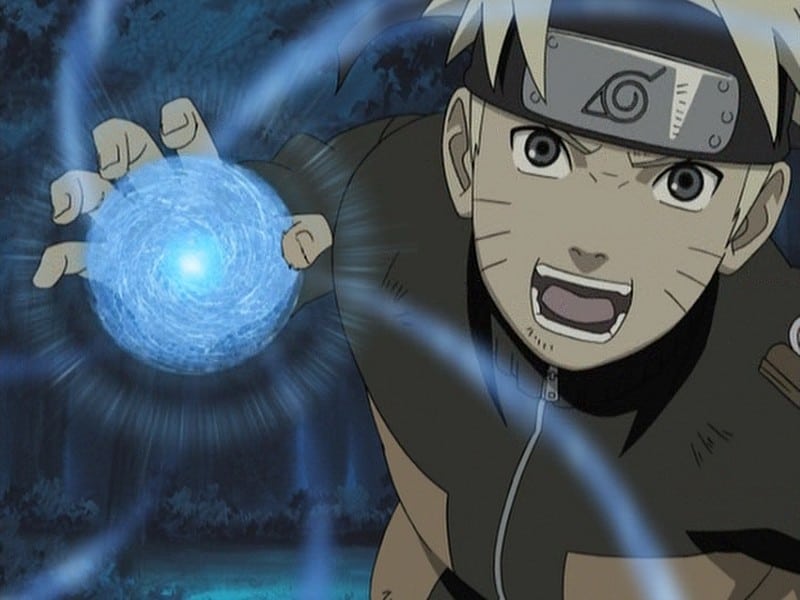
Naruto — 26, 97, 99, 101-106, 136-220
Naruto Shippuden — 28, 45, 49, 57-71, 90-112, 127, 144-151, 170-171, 176-178, 180-196, 213, 223-242, 257-260, 271, 279-281, 284-295, 303-320, 327, 347-361, 376-377, 386, 388-390, 394-413, 416-417, 419, 422-423, 427-457, 460-461, 464-469, 480-483;
Boruto — 16-17, 33, 40-50, 52, 60, 67-92, 96-97. That is an older skip list for specific episodes, not a verdict on the whole series.
Filler Episodes from Dragon Ball
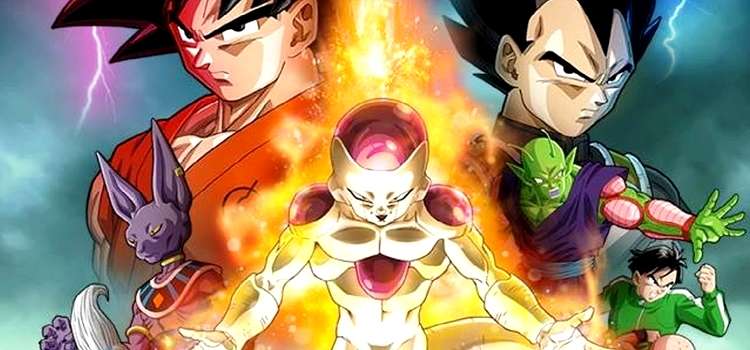
Dragon Ball Z — 7, 9-17, 20, 39-44, 100, 102, 108-117, 124-125, 170-171, 174, 195-199, 202-204, 274, 288;
Dragon Ball — 29-33, 42, 45, 79-83, 127-132, 149-153;
Dragon Ball GT — 1-65. The whole show is marked because it has no manga source, not because Toei was waiting for Akira Toriyama's next chapter.
Dragon Ball Super — 1-2, 15-17, 42-46, 68-76;
Is skipping worth it?
The lists above are a starting map from when this page was first put together. For a living count, Anime Filler List is the site most fans still open before a marathon. After that, the call is yours: skip the padding, or sit through the weird driving test and see if the characters actually get funnier when nothing important is happening.






Community
Comments
0 comments
There are no published comments in this language yet.
Send comment