
A trip to Japan can make ordinary moments feel unfamiliar: where to stand on a platform, when to take off your shoes, whether a restaurant expects a tip. Most of these moments are less about passing a test of manners and more about noticing the people around you.
That is good news for a first-time visitor. You do not need to perform Japan perfectly; a little preparation, patience, and consideration go a long way. These fifteen points keep the original practical spirit of this guide while leaving room for the fact that customs, venues, and regions are never identical.
Contents 4
Respect and everyday manners in Japan
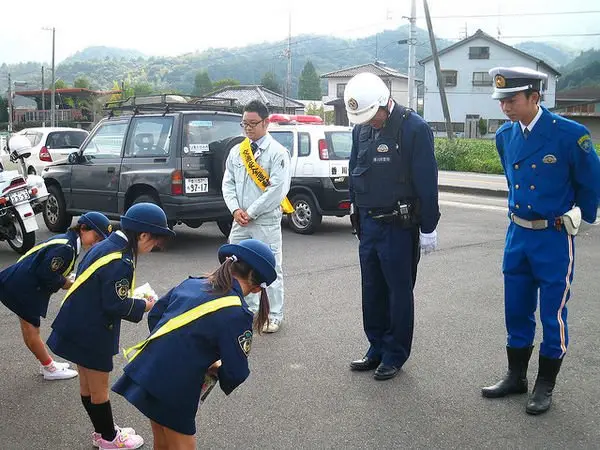
1. A small bow is enough. Bowing is a familiar sign of respect in Japan, but visitors do not need to calculate angles or imitate every gesture they see. A small nod and a polite greeting are usually a comfortable response. Handshakes are also common in international settings, so follow the other person’s lead.
2. Recognize honorifics, but do not force them. You will often hear -san after a family name. It is a respectful suffix, and it helps to recognize it when you meet people or read signs. If you are unsure how to address someone, use their name as they introduce it rather than guessing; our guide to Japanese honorifics gives useful context.
3. Keep shared spaces comfortable. On trains and buses, use headphones and keep phone conversations short or save them for later. In crowded places, a quiet sumimasen and an apology when you brush past someone are more useful than worrying about every possible rule. Avoid loudly blowing your nose in a quiet carriage, and look for a bin rather than leaving wrappers behind.
4. Watch the shoes at the door. Homes, some temples, traditional inns, and places with tatami may ask you to remove your shoes. The entrance area normally makes the transition clear, and slippers may be provided. Follow the house or venue’s instructions; bathroom slippers, when present, stay in the bathroom.
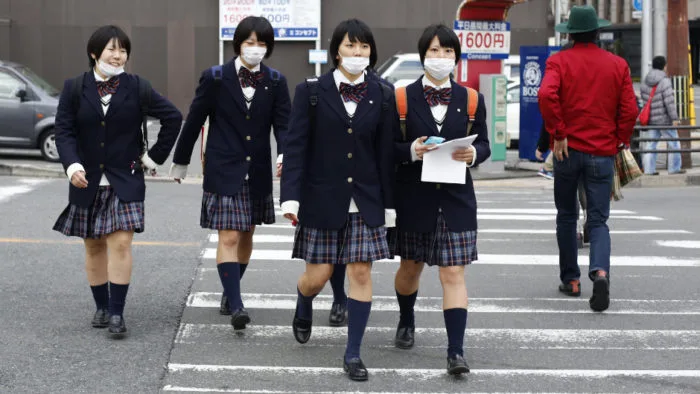
5. Masks are a personal courtesy, not a tourist costume. You may still see people wearing masks for health, comfort, work, or consideration for others. If you are ill, follow current local guidance and the rules of the place you are visiting. There is no need to copy a habit you do not understand, but it is worth treating it with the same respect you would give any shared-space custom.
These details do not mean that every Japanese person behaves the same way. They are simply reminders that a busy train, a quiet temple, and someone’s home call for different kinds of attention.
Food, restaurants, and chopsticks
6. Wait for the meal to begin when you are with a group. At a dinner or izakaya, drinks may arrive before everyone is served. Waiting for a toast, often kampai, is an easy way to join the table without rushing ahead. The small wet towel, or oshibori, is for your hands before the meal, not for wiping your face.
7. Learn a few words, then enjoy the food. Saying itadakimasu before eating is a warm gesture of appreciation. Slurping noodles is not automatically rude in casual noodle shops, but it is not a requirement either. Read the room, eat at your own pace, and do not worry if your manners are not theatrical.
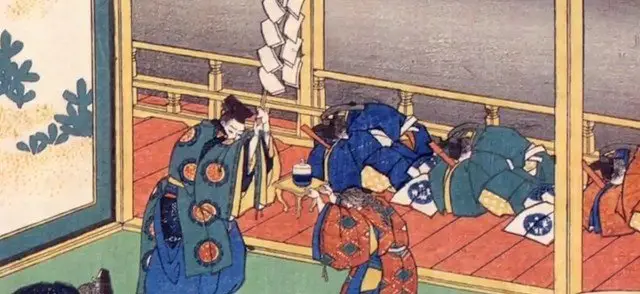
8. Chopsticks come with a few easy boundaries. Do not stick them upright in a bowl of rice or pass food from chopsticks to chopsticks; both gestures recall funeral customs. If chopsticks still feel awkward, ask for a fork where one is available. Japan’s food is far broader than sushi: rice dishes, noodles, grilled fish, regional sweets, curry, bakeries, and plenty of familiar foods all make travel days easier.
People, money, and places you share
9. Do not assume a tip is expected. In ordinary restaurants, taxis, and hotels, the stated price is generally what you pay. Leaving cash on the table can create confusion. If a service charge applies, it will normally be shown; otherwise, a sincere thank-you is enough.

10. An onsen has its own rhythm. At a communal hot spring, wash and rinse your body at the shower area before entering the bath. The bath is for soaking, not for washing, and swimwear is usually not used in gender-separated facilities. Tattoo policies and private-bath options vary, so check the rules before you go instead of assuming one onsen represents them all.
11. English may help, but do not rely on it everywhere. Some people will enjoy practicing English with you, while others may prefer gestures, a translation app, or a few simple Japanese phrases. A patient hello, thank-you, and apology can make an interaction feel much easier than speaking louder.
12. Japan is widely considered safe, but keep normal travel habits. It is still sensible to watch your belongings, use marked crossings, know your last train, and keep emergency information available. The point is not to be anxious; it is to travel with the same awareness you would use in any unfamiliar city.

Vending machines and convenience stores can be wonderfully useful during a long day, especially when you need a drink, a snack, or an umbrella. They are part of daily life, not a substitute for planning where you will be after the last train.
Plan the trip, then leave space for surprises
13. Compare rail options before buying a pass. The Japan Rail Pass can still suit some itineraries, but it is not an automatic bargain. Compare the current pass price with the individual tickets and regional passes that match your route. For city travel, an IC card can be more convenient than buying single tickets, while reserved seats can make longer journeys calmer during busy periods.
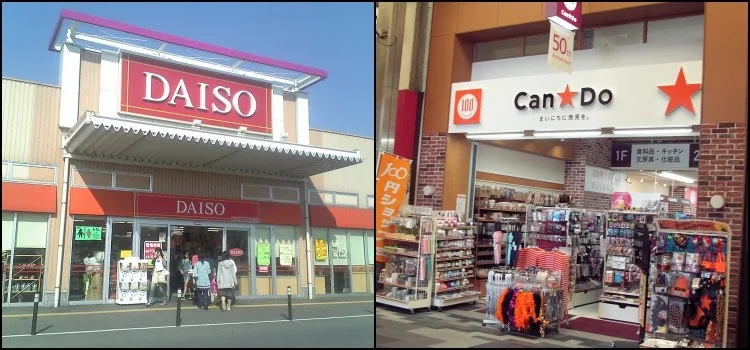
14. Visit a 100-yen shop, but read the price label. Stores such as Daiso remain fun places for stationery, snacks, small travel supplies, and souvenirs. Not every item costs 100 yen now, and tax may be shown separately, so treat the name as a clue rather than a promise. A small basket of useful things is easier to fit in a suitcase than a last-minute shopping spree.
15. Keep a map, an address, and a little flexibility. Google Maps can help with routes and opening hours, but save the address of your accommodation and important bookings as well. Stations can have several exits, businesses can change hours, and a beautiful side street may take longer than expected. Give yourself time to get lost in the pleasant sense of the word, then check the next train before the evening gets too late.





Community
Comments
0 comments
There are no published comments in this language yet.
Send comment