
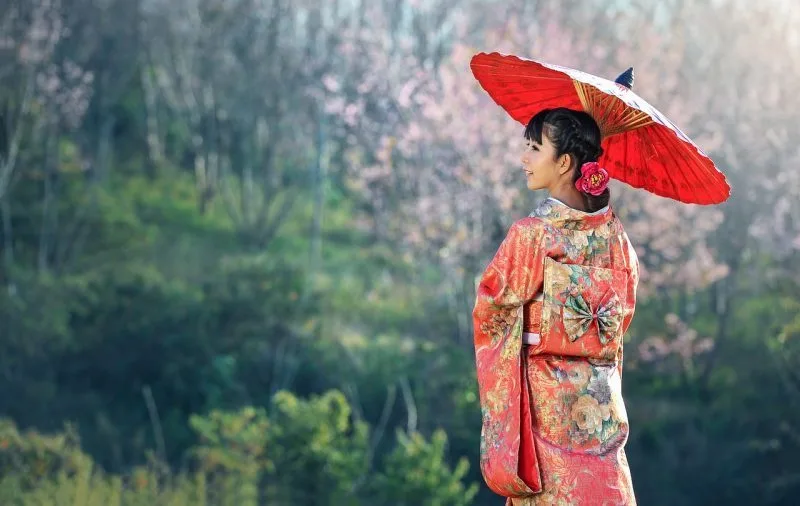
Do you know the cultural and moral values that shape everyday life in Japan? In this article, we look at some of the values that are taught in moral education classes in Japanese schools and that quietly guide how people interact day to day.
Like anyone else, individuals in Japan live their own lives, with their own hopes and desires. Still, there is a recurring pattern that tends to show up across Japanese society, and that pattern is what we will explore here.
Contents 5
How is culture valued across Japan?
Cultural values are highly regarded in Japanese society. It is not the whole picture, but in practice these values show up more visibly in Japan than in many other countries with their own traditions. One reason is that the rules tend to be followed very strictly, whether people feel like it or not.
Japan has weathered many difficulties over the centuries, and that history is considered one of the main factors behind the values people hold today. A few Japanese traditions are rooted in Confucianism (a philosophical tradition originally from China), in Buddhism, and in the Shinto religion.
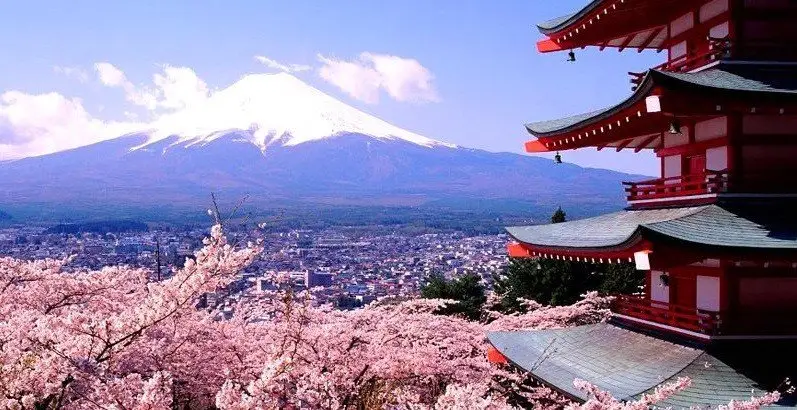
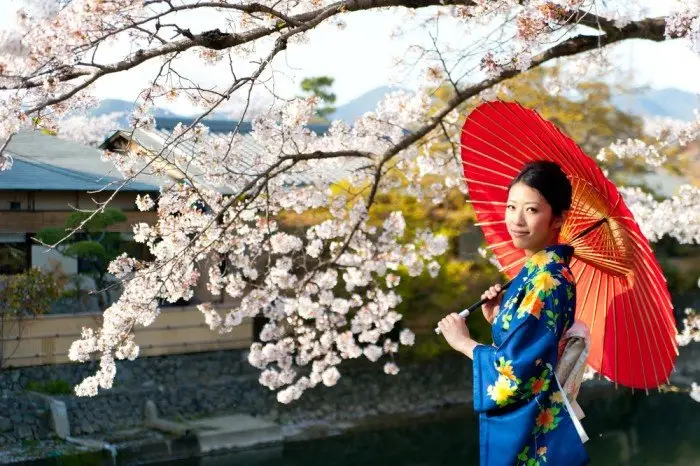
Nature is also highly valued in Japanese culture. The care that goes into gardening and landscaping is one of the clearest windows into the values that shape daily life.
Cultural values of Japan that show up in daily behavior
Self-control and self-discipline — People in Japan tend to hold on to their self-control and self-discipline, no matter what happens around them. They are capable of keeping feelings, emotions, and reactions under wraps even in critical situations. Self-discipline, in this sense, is the ability to keep doing what is considered right even when the temptations to do otherwise are strong.
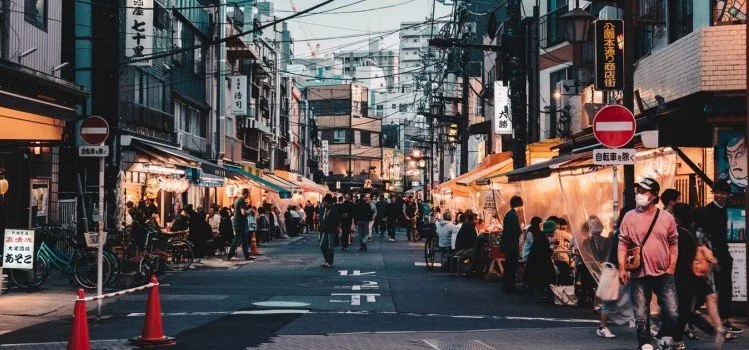
Resilience and patience are considered the foundation of a good member of society. This means setting personal desires aside and doing what is expected of you. Many in Japan try to find a way to adapt their own wants to the demands of others, in order to avoid offending anyone or damaging their own and others' image.
Silence — In Japanese culture, people who speak very little are often seen as more credible. Non-verbal cues and quiet communication are considered more important than loud words. There is a belief that indirect language helps social harmony.
The mouth is the cause of calamity.
Japanese values that shape social life and unity
Think first about how your actions will affect the people around you.
- The group is stronger than the individual.
- Group harmony comes before individual needs.
- Do not stand out, know your place, and avoid trying to change how things are done.
- Form and process matter more than quick results.
- Harmony in practice means avoiding direct confrontations in daily life.
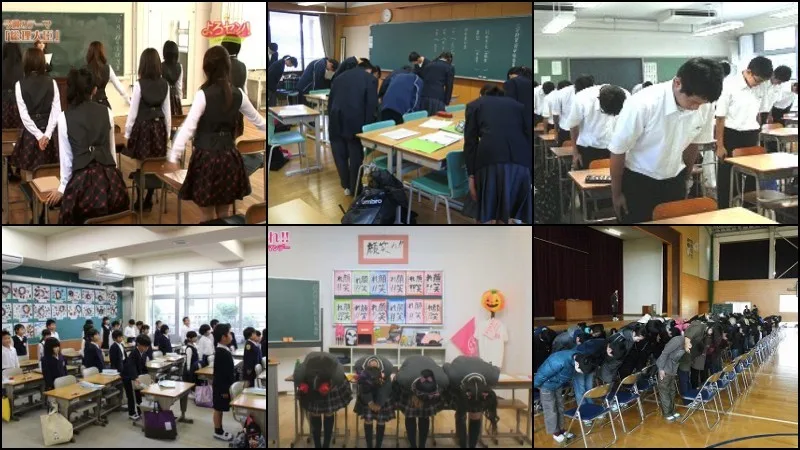
Social hierarchy and respect for age — We owe a great deal to our elders. As such, they are to be respected, valued, and given priority.
Do not question people "above you" — teachers, bosses, politicians, and people from certain families or professions.
Show gratitude in everything you do. No matter how much talent and hard work you bring, none of it would be possible without the help and kindness of others.
Family carries significant weight in Japanese social life. Family members are generally placed before anyone else.
Education is highly valued in Japanese society. It often defines a person's social standing and status.
The nail that sticks out is the first to be hammered down.
Japanese values tied to organization and care for things
Life lives in everything, even in objects. That is why objects should be used in a way that lets them reach their full potential.
- Do not waste food.
- Reuse old objects.
- Keep your environment clean and tidy.
Everything is connected. A disorganized and disharmonious environment leads to a disorganized mind and to conflict.
Subtlety in all its forms is harmonious and contributes to the common good. Aesthetic expression, opinions, and business — everything should be carried out with discretion and decorum.
Striving for perfection — This value helps explain the high level of quality and service in Japan. People in Japan tend to try to do everything the right and perfect way, even though they know it is not always possible.

What can we take away from Japanese cultural values?
There are values that are heavily used to build and maintain social and commercial relationships in Japan. People in Japan are informed and prepared to apply reciprocity, harmony, and organization in everyday life.
If we tried to sum up Japanese cultural values in a few words, we could list:
- Harmony — 調和 (chōwa);
- Collectivism — 集団主義 (shūdanshugi);
- Hierarchy — 序列の秩序 (joretsu no titsujo);
- Impermanence — 無常観 (mujōkan);
- Respect for the elderly — 年配者尊敬 (nempaisha sonkei);
Of course, many other values could end up being left out, because there are thousands of ideas, codes, lessons, and Japanese proverbs that can be applied to daily life. Which Japanese value has stuck with you that we did not mention here?



Community
Comments
0 comments
There are no published comments in this language yet.
Send comment