
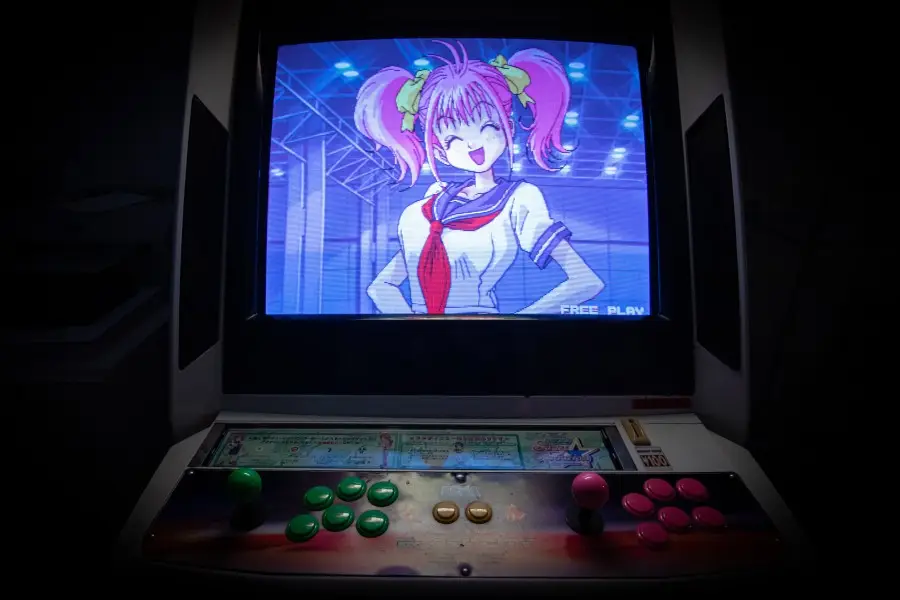
The secret of anime's popularity lies in the strong emotions it puts on screen. They often seem exaggerated, and that is exactly what draws teenagers in: between ages 12 and 17, the intensity and clarity of feelings is the main thing that decides how much a young person connects with a work. Watching anime can simply be a hobby, just like watching dramas, comedies, or horror films. It is a matter of taste, and tastes are different. The question of how anime affects the psyche of teenagers does not have a single answer: Japanese animation has both positive and negative sides, and how much it touches an immature mind depends on many related factors.
On the positive side, the most obvious effect is the development of imagination. By seeing stories and characters unfold, getting to know their personalities, teens build a more creative inner world. Anime often sparks an interest in music, drawing, and other creative activities, helping young viewers find — and sometimes even develop — their talents. Each main character carries their own beliefs and morals, so by following them, viewers can pick up useful values: pursuing goals, caring for others, looking after family, and setting the right priorities.
On the other hand, persistently feeding certain images into a young mind contributes, almost unconsciously, to bringing them into reality. Fixating on negative characters can get in the way of normal, real-life communication. Several research papers have explored these dynamics and offer useful answers to the most common concerns.

Contents 5
Why are teenagers attracted to the anime genre?
Anime attracts teenagers precisely because it feels strange and unconventional. Adolescence is a stage where a young person is juggling several opposing tasks at once: on one hand, they are trying to become an individual and understand how they differ from others; on the other, they are looking for their place in the world and for a group of people who think like them. Anime addresses both at the same time — it lets teens explore a sense of individuality and peculiarity while also helping them find friends with similar interests. Even though most anime is aimed at adults, the main character is usually a teenager dealing with their own problems and first disappointments. They tend to be different from their peers, rebels and fighters for justice, and that voice of youthful maximalism tends to resonate with viewers of the same age.
Can this type of animation affect the psyche of teenagers?
Anime, like any other form of art, can shape the inner world and psyche of anyone, not just teenagers. Like movies, cartoons, and books, it stirs emotions, builds empathy, and finds a response in the viewer. Japan is a country known for restraint and self-control, so anime characters are often created as the opposite: impulsive, sensitive, expressive. That type of psychotype resonates with viewers, especially teenagers. But if a person is mentally healthy, not depressed, and has developed critical thinking, they can sympathize with the characters while still keeping reality and fantasy apart.
That said, it is important to respect the age limit when watching anime. Even though the main character is a teenager, most anime series are made for viewers over 20. There may be scenes of aggression, brutality, violence, or sexual content, and for children and younger teens, watching those scenes can be traumatic because their critical thinking is not fully developed yet. That kind of mental trauma can later show up as irritability, aggression, or depression.
Is there a link between interest in anime and suicidal behavior?
If the child is mentally healthy, not in a depressive episode, and does not show suicidal tendencies — such as self-harm, risky behavior, or a sudden obsession with dangerous sports — and they feel secure in their family relationships, then watching anime with darker themes will simply leave them feeling uncomfortable or sad. It will not, on its own, provoke suicidal thoughts. That kind of effect only kicks in if the child was already in a difficult psychological state and the content they saw became the last straw.
What other children's entertainment content (cartoons, movies) can harm a teenager's psyche?
Traumatization happens when something occurs in a person's life and the psyche cannot process it. For example, if a child sees strange or scary content and cannot understand or explain it to themselves, that is when traumatization sets in. A negative impact on the psyche can come from any content that is not age-appropriate, or that wraps harmful habits, cruelty, and violence in an entertaining package.
How can we regulate children's consumption of entertainment content?
The first step is age restrictions that are respected both offline and online. At the same time, parents need to remember that outright prohibition rarely works. Teenage maximalism tends to flip the situation: if you forbid something, a teen is more likely to do it out of spite. Parents are guides to the adult world. They teach their children how to deal with negative emotions, how to solve problems, and how to become independent. If a young person comes across something they do not understand on the way to adulthood, it is the parents who should be the first to explain it.
If a mother or father notices that their teenager is drawn to ambiguous content, a good tactic is to watch the movie or series together and talk about it afterward. Ask which character they like most and why, how they understand the plot, and why a character behaves the way they do. The goal is to understand the child's interests before deciding whether they are actually harmful. If doubts remain and the content seems to be bringing the teenager down, it is worth contacting a professional — or simply trying to engage the child in something they care about, spending more time with them, and organizing more shared activities.



Community
Comments
0 comments
There are no published comments in this language yet.
Send comment