
Japan consistently ranks among the safest countries in the world for violent crime. Major cities such as Tokyo, Osaka and Sapporo feel calm, orderly and easy to walk around, even late at night. That overall picture is real, but it is not the whole picture. In a handful of well-known neighborhoods, smaller incidents tend to cluster: pickpocketing, public intoxication, opportunistic scams, aggressive touting, and occasional harassment. None of this is unique to Japan, and none of it should change a reasonable travel plan, but it is worth knowing which districts behave differently after dark.
This article is not about violence. It is a practical introduction to seven neighborhoods that come up again and again in travel guides, police reports and visitor accounts as the places where minor problems are most likely to occur — usually at night, usually on weekends, and usually in areas built around nightlife rather than daily life. If you plan an evening in any of them, a little context goes a long way.
Contents 9
1. Kabukicho (Shinjuku, Tokyo)
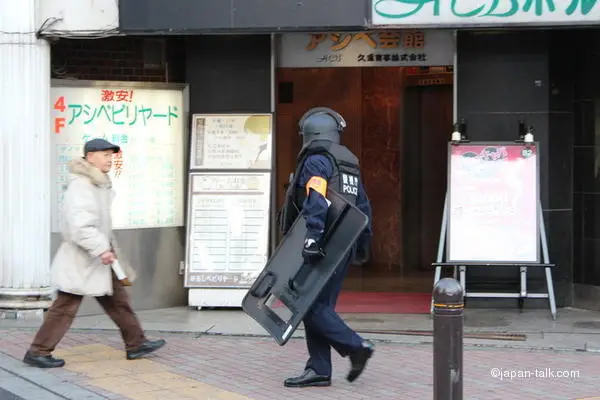
Kabukicho is Japan's most famous red-light district and sits a few minutes' walk from Shinjuku Station, one of the busiest train hubs on the planet. Within a few blocks you find pachinko parlors, karaoke bars, restaurants, love hotels and a dense cluster of host and hostess clubs. Tokyo police statistics show above-average reports of public intoxication, harassment and minor theft in this part of Shinjuku, especially between midnight and the first train. The visual environment alone — neon signs, loud music, staff calling out to passers-by — is unfamiliar to many first-time visitors.
Most incidents here are not violent. They tend to involve inflated bar tabs, misleading touts, and the occasional phone or wallet left unattended on a counter. A clear plan, an awareness of prices before you sit down, and a secure bag turn a Kabukicho evening into an uneventful one. For a deeper look at the district, its history and the unwritten rules, see our full guide to Kabukicho.
2. Kamagasaki / Airinchiki (Osaka)
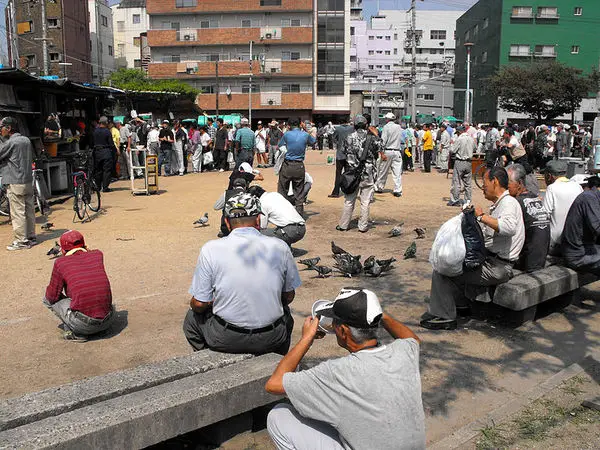
Kamagasaki, locally known as Airinchiki, lies just outside Shin-Imamiya Station in southern Osaka. Since the post-war years the area has been a gathering point for day laborers, low-income residents and older men looking for cheap lodging and simple work. Many long-time residents live quietly here, and the neighborhood carries a heavy share of unfair stereotypes that do not match the people who actually call it home.
Osaka police data does show a higher-than-average rate of alcohol-related incidents, minor assaults and drug offenses in Kamagasaki. For travelers, the area is straightforward to visit during the day: cheap food, several homestay-style hotels, and a real working-class atmosphere. After dark, in the smaller alleys, the usual urban caution applies — keep valuables out of sight, do not walk obviously drunk, and stay on well-lit streets. The wider picture of economic precarity in districts like this is explored in our report on the Invisible Homeless in Japan.
3. Roppongi (Tokyo)
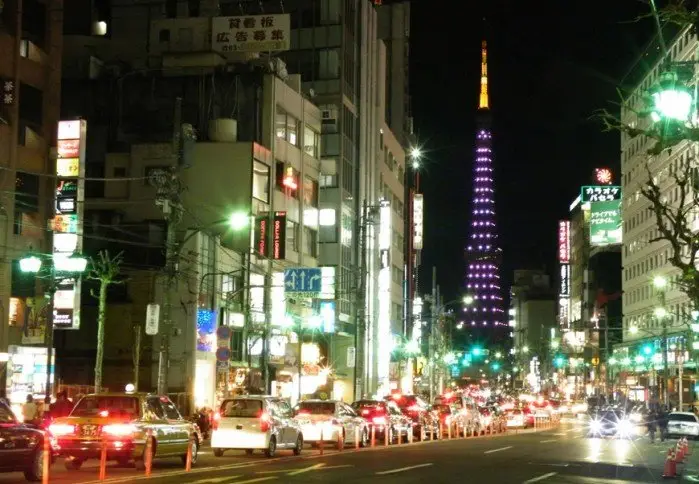
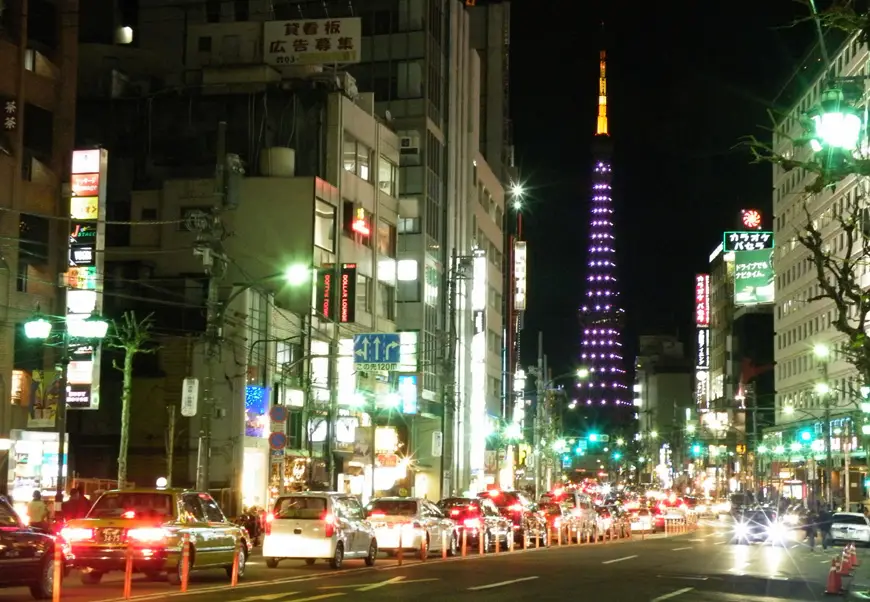
Roppongi is another central Tokyo nightlife district, particularly popular with international visitors. The cluster of clubs, late-night bars and the famous Roppongi Crossing gives the area a reputation for energy that other Tokyo neighborhoods do not match. Minato Ward police statistics show a higher concentration of assault, sexual harassment and theft reports in Roppongi than in surrounding residential wards, with most incidents tied to the late-night economy rather than daytime street life.
The single most common pitfall is the door-staff and promoter system, where visitors are steered into clubs with hidden cover charges, overpriced drinks and aggressive minimum-spend rules. None of this is dangerous in a physical sense, but it can ruin a budget fast. A few habits cover most situations: agree on the price and the cover charge before you enter, pay with a card rather than a thick wad of cash, and never leave a drink unattended. Followed consistently, they make a Roppongi night out unremarkable in the best possible way.
4. Shinsekai (Osaka)
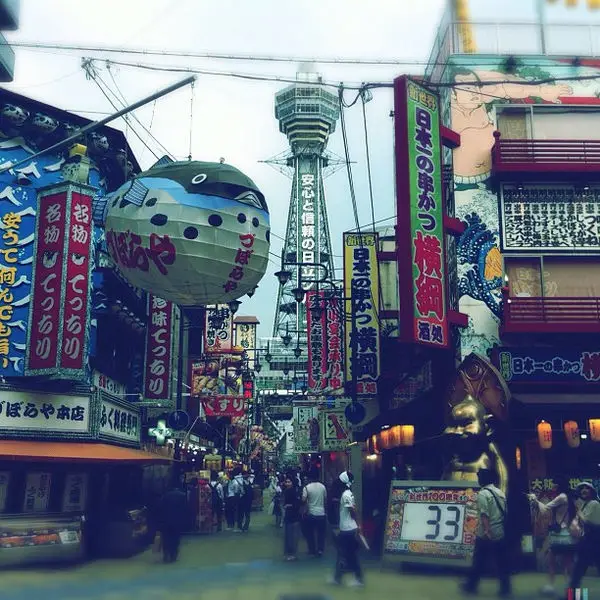
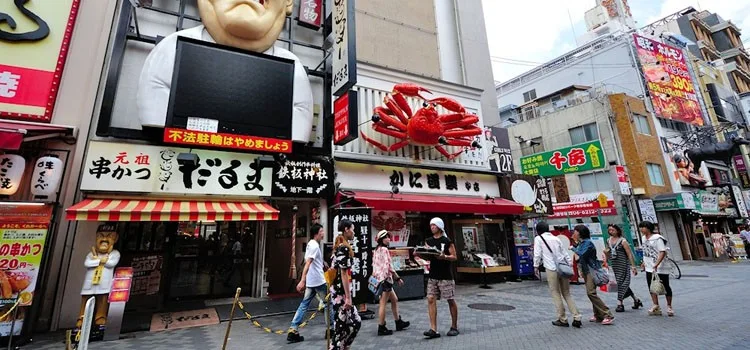
Shinsekai is a district in southern Osaka that has carried a rough-and-ready image since the 1920s. The Tsutenkaku Tower anchors the neighborhood, surrounded by old shot-bar restaurants, small pachinko halls and family-run izakaya. In the early evening, groups of older regulars gather around small tables with beer and sake, which gives Shinsekai a character you will not find in the more polished parts of the city.
Reports over the years of minor scuffles, pickpocketing and pushy touts have given Shinsekai an exaggerated reputation. In practice, the local crime rate is only slightly above the Osaka average, and most visitors experience the area as a relaxed, slightly worn-down neighborhood with some of the best kushikatsu and darts culture in the country. If you are out at night, keep your bag closed and stay on the main streets around Tsutenkaku, and you will almost certainly have nothing to report.
5. Susukino (Sapporo)
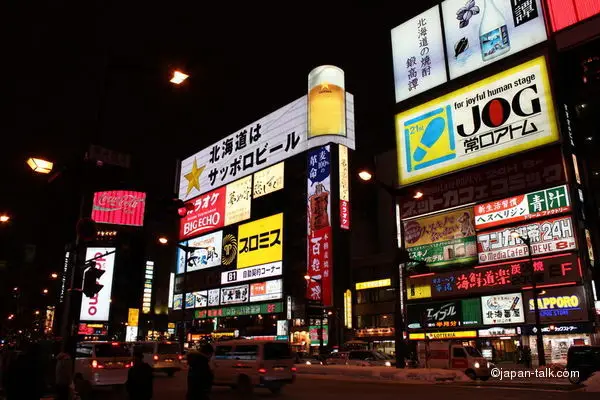
Susukino is the largest entertainment district in northern Japan and sits in the middle of Sapporo. More than four thousand restaurants and bars are packed into a small area, alongside hostess clubs, hotels and gaming arcades. During the annual Sapporo Snow Festival, the streets fill with visitors from across Asia and beyond, which adds to the energy and to the usual festival-week opportunism.
Hokkaido police data for Susukino shows elevated reports of alcohol-related disorder, prostitution-related offenses and minor theft. Winter makes things slightly harder: snowbanks and icy pavements cut sight lines, and a phone or wallet dropped in the snow is rarely recovered. The practical approach is simple — stick to the main avenues, stay in well-lit areas, and keep an eye on glasses and bags in the busier bars. Done that way, Susukino feels like exactly what it is: a dense, lively and largely safe part of the city.
6. Nakasu (Fukuoka)
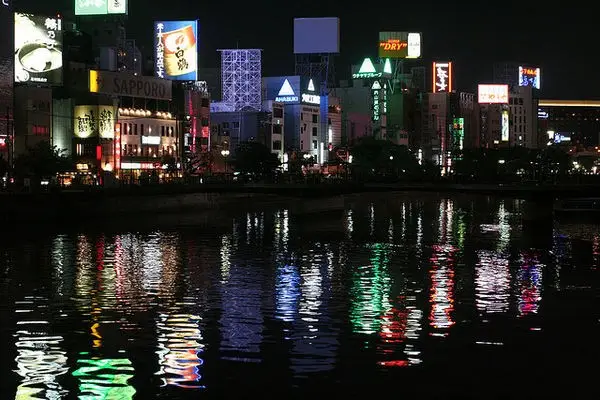
Nakasu sits on a sandbar in the middle of the Naka River in Fukuoka and functions as the city's main red-light and entertainment district. Narrow lanes are lined with yatai food stalls, small bars, hostess clubs and older establishments that have been here for decades. During the day, Nakasu looks like an unremarkable office-and-retail area; from around 8 p.m. onward the atmosphere shifts noticeably.
Fukuoka police records show above-average reports of public intoxication, verbal aggression and violations of the anti-prostitution law in Nakasu. Visitors are not singled out, but the same rule of thumb applies everywhere in this list: keep a low profile after midnight, walk on the main roads rather than the side alleys, and be aware that the riverfront yatai stalls — some of the most famous in Japan — close by 2 a.m. on most nights. A stroll along the Naka River before then is one of the more pleasant ways to spend an evening in Fukuoka.
7. Ueno (Tokyo)
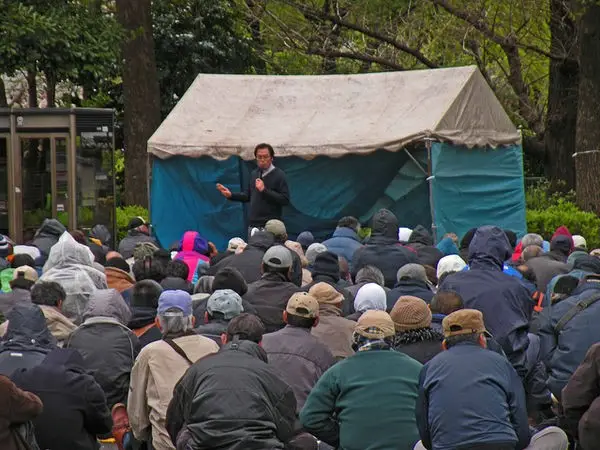
Ueno is best known to international visitors for Ueno Park, the cluster of museums around it, and the heavy rail and Shinkansen station that anchors the district. Over the last few decades, parts of the area around the park have also become a gathering point for people experiencing homelessness, people with alcohol or gambling issues, and small numbers of yakuza-affiliated groups. Taito Ward police data, which covers Ueno, shows slightly elevated rates of assault, drug offenses and minor sex offenses compared to other central Tokyo wards.
By day, Ueno is a busy, easy-to-navigate district full of museum-goers, market stalls and weekend families. After dark the park itself is best avoided, and some Japanese people choose not to walk through it at night. There is no reason for visitors to be there late either: nearby Ueno Station closes its main entrances, the museum quarter shuts down, and the dining streets in the south of the district are far calmer than the park's edge. A few common-sense rules — bag closed, no openly displayed jewelry, no open containers on the street — are enough to keep an afternoon visit uneventful.
Other neighborhoods that come up in conversation
Two further places appear regularly in online discussions, but they belong to a different category. Yasukuni Shrine is not an entertainment district at all — it is a memorial site in central Tokyo with a sensitive political and historical background. Crime is not the concern here, and visitors can attend during the day without worry. Kasumigaseki is the government district and is best known for the regular, almost always peaceful, demonstrations outside the Diet building. Those gatherings draw attention but do not pose a specific risk to visitors walking between the subway and the surrounding ministries.
How dangerous is Japan, really?
Overall, Japan remains one of the safest countries in the world. The National Police Agency's annual white papers on crime have placed it among the lowest for violent offenses for more than two decades. The seven neighborhoods above are not no-go areas. They are districts where a specific kind of low-level incident tends to cluster at night, much as it does in Amsterdam's red-light district, Hamburg's Reeperbahn, New York's Times Square or parts of central Paris. Theft, scams, harassment and public drinking concentrate where alcohol, crowds and money also concentrate — that is true in Tokyo and Osaka as much as anywhere else.
The same baseline habits cover every case: keep your bag zipped and held on the side away from the street, do not leave phones or wallets on bar counters, agree on prices before you sit down, avoid obviously drunk strangers offering deals that sound too good, and choose well-lit main streets over empty alleys after midnight. None of this is exotic advice, and that is the point. Most travelers who follow it will describe their nights in Kabukicho, Susukino or Roppongi with the same words they use for any big city: busy, fun, and over before they realize how late it has gotten.


Community
Comments
0 comments
There are no published comments in this language yet.
Send comment