
Kurombo (クロンボ) is a noun in Japanese that refers to a black person, it can also mean dark-skinned. This term is used as a racial insult against black people in Japan. If racism is something present in our "mixed" society, what can we say about a place composed of a native population of 98%? Data from 2020 shows that foreigners account for only 1.7% of the Japanese population. People living in Japan claim that racism is not overt but does exist. However, situations like these do not prevent black people from accessing this culture.
The myth that is spread throughout the nation is of ethnic-racial homogeneity, that is, to "be Japanese" it is necessary to have a yellow phenotype with slanted eyes and lighter skin. If any other person is born in Japan and has Japanese descendants but does not fit the "standard," they will not be considered valid. This makes minorities, such as black Japanese and Ainu indigenous people.
It represents a portion of the population designated as "hafu," a Nipponese expression that derives from the English word "half," which means half, mixed. The expression refers to children of mixed marriages between foreigners and Japanese considered "natives."
Black Japanese Model
Ariana Miyamoto (宮本・エリアナ・磨美子) is a Japanese model who claims she has been referred to as kurombo in a pejorative manner. She was crowned Miss Japan 2015 and that same year placed in the Top 10 of the Miss Universe contest. Miyamoto has a Japanese mother and an African American father, which is why she cannot be considered native. The model's father met her mother while stationed at a United States Navy base in Sasebo. When Ariana was just 1 year old, her parents separated.
During her childhood, she attended elementary school in Japan, and at 13 she moved to the United States with her father. Years later she returned to Japan where she completed high school and also where she got her first jobs, even as a bartender. In 2015, Miyamoto won the title of Miss Nagasaki and represented her prefecture in the Miss Universe Japan contest. That same year, she made "statements showing that the discrimination motivated her even more, and the debate went beyond the issue of racism: it questioned the hegemony of Japanese society," according to a report released by BBC News.
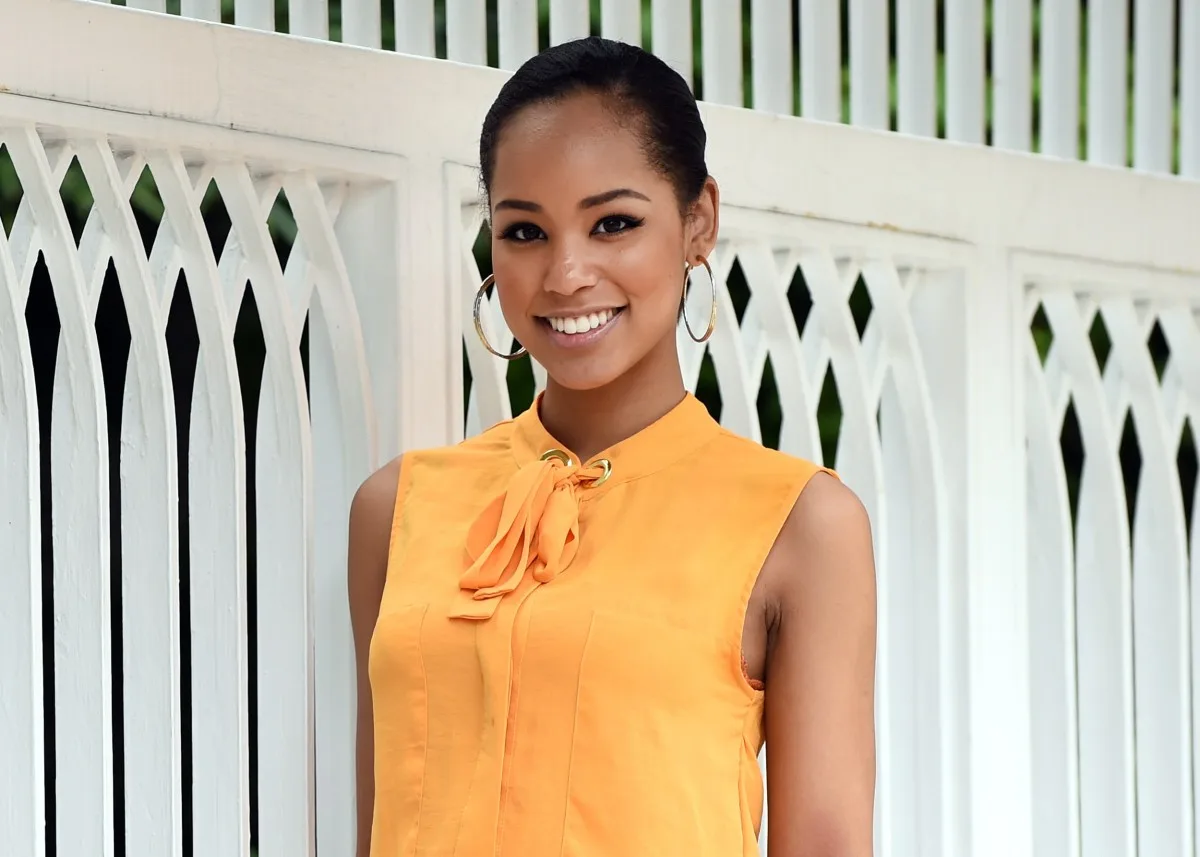
The former miss has spoken several times in interviews about the prejudice (kurombo) she suffered since childhood. She has reported in interviews that at school, when she was younger, teachers would ask children to hold hands with each other but would avoid holding hers because of her black skin. According to her, there were even students who avoided swimming in the same pool as her. Over the years, the situation continued to worsen, and because of her skin tone and hair texture, she was constantly called kurombo by classmates and even parents.
Even after winning the beauty contest, racism did not stop; she recounts that she received criticism, including from online media, claiming that she did not have the typical Japanese appearance to achieve such a nomination. Before Miyamoto, the best position for Japan in this contest had been in 2007, when competitor Riyo Mori won the title of Miss Universe 2007.
Black Japanese Tennis Player
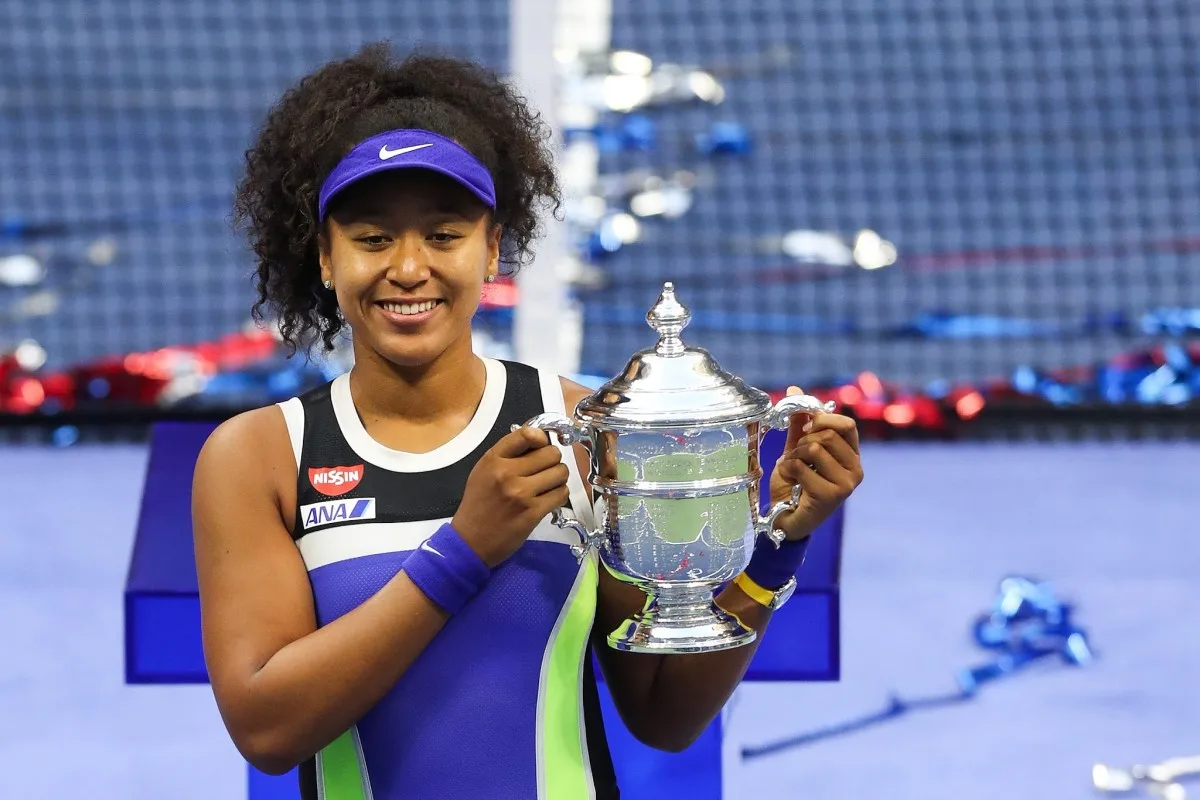
Another Japanese reference that is not considered native simply because of her skin color and features different from most Japanese is tennis player Naomi Osaka. She is considered one of the greatest athletes today, but that did not prevent her from suffering being called kurombo. She is from Osaka and was born on October 16, 1997. She is the daughter of a Japanese mother and a Haitian father.
In 2018, Naomi became the first Japanese to win a Grand Slam singles tournament by defeating American Serena Williams in the final of that year's US Open. The following year she won the Australian Open, becoming the first Asian to reach the number 1 spot in the WTA ranking.
Osaka has lived and studied in the United States since she was three years old, so in addition to her skin color, her Japanese identity is questioned because she emigrated to the United States at a young age. She gained prominence at sixteen when she defeated former US Open champion Samantha Stosur in her debut on the WTA Tour at the 2014 Stanford Classic. Two years later, she reached her first WTA final at the 2016 Pan Pacific Open in Japan to enter the top 50 of the WTA ranking. Osaka made her breakthrough in the upper echelon of women's tennis in 2018 when she won her first WTA title at the Indian Wells Open. By the end of the year, she defeated Serena Williams, a 23-time Grand Slam singles champion, in the final of the US Open, becoming the first Japanese player to win a Grand Slam singles title.
What do you think about these wonderful Japanese women who came to break the pattern imposed by Japan? I simply find them iconic! Do you know more black Japanese who made a difference?






Community
Comments
0 comments
There are no published comments in this language yet.
Send comment