
Gaijin hunter is informal internet shorthand for people in Japan who approach foreigners mainly because of where they come from. The label shows up mostly in conversations about dating, but it can also appear in friendships, language exchanges and encounters where curiosity about the foreign matters more than interest in the person.
The term is contested. Learning Japanese, travelling or having international friends does not make anyone a gaijin hunter. The label is often applied quickly and unfairly, especially in debates about Japanese women who date foreigners.
Contents 8
What the term means
In common usage it describes someone who treats a foreigner as a trophy, a fantasy or a shortcut to an international experience. What matters is not the person but the passport, the appearance, the language or the idea of a special relationship.
A Japanese shorthand, 外専 (gaisen), means roughly specialised in foreigners. The meaning depends heavily on context: in forums and social media the word usually carries criticism, irony or disapproval.
Where the idea comes from
Japan was long a country with little immigration, and foreigners stayed a small group in daily life. That produced a mix of curiosity, admiration and uncertainty, which also shows in the language.
The word 外人 (gaijin) is an example. It is shorter and more direct than 外国人 (gaikokujin), but many foreigners hear it as dismissive, because it stresses origin rather than the person.
What the word does not mean
Interest in other cultures, teaching English or dating a foreigner does not make anyone a gaijin hunter. The problem starts when the whole relationship circles around the other person's nationality.
The label is also confused with the so-called English vampire, a nickname for people who look for foreigners mainly to practise English. The two can overlap, but they are not the same.

How to tell the difference
Behaviour matters more than the label. Someone who asks about the person, their interests, opinions and daily life is interested in a human being. Someone who mainly raises origin, language and appearance is interested in a category.
A second sign is curiosity about life here. Anyone who wants to know how everyday Japan works asks different questions from someone looking for a story about foreigners in Japan.

Why the word causes trouble
The first reason is simple: the label reduces people to one trait. Instead of personality, compatibility and values, only nationality counts. That affects both the person being discussed and the one receiving the label.
The second reason is tone. Debates often mix criticism of exclusion with jealousy, exoticisation and moral judgement. Not every accusation is fair, and not every relationship with a foreigner deserves the name.

What this has to do with prejudice
The opposite direction exists too. Anyone who idealises Japan and sees only anime, politeness and tradition is thinking in similar boxes. The label is sometimes described as the mirror image of the weeaboo, the same attitude with the roles swapped.
A simple test helps. Would the interest still be there if the person came from the next neighbourhood? If the answer is no, the interest is not about the human being.
What is normal in Japan
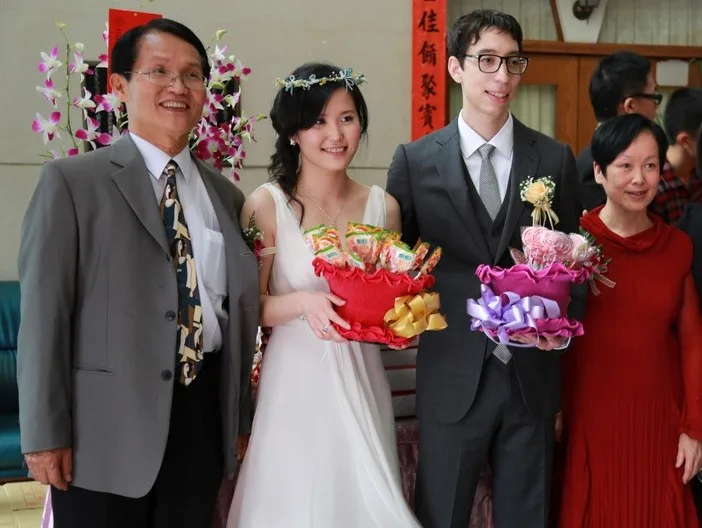
International marriages are not a fringe phenomenon in Japan. The number of marriages with a foreign partner rose clearly from the 1990s, even if it varies a lot by region.
Daily life for these couples has little to do with the hunter image. It is about language, residence status, family visits and the question of which country to live in, not trophies.

How to handle it
When the term comes up, ask about the context. In a joke about dating it sounds different from a complaint about a whole group. Anyone on the receiving end can ask calmly what is meant.
In everyday life a sober attitude helps: show interest, ask questions, listen and see the person before the category. That is enough to tell curiosity from fetishisation.

Anyone who wants to go deeper into Japanese relationships will find the terms in the piece on love and friendship in Japan, and the female side of otaku culture in the text on otome.





Community
Comments
0 comments
There are no published comments in this language yet.
Send comment