
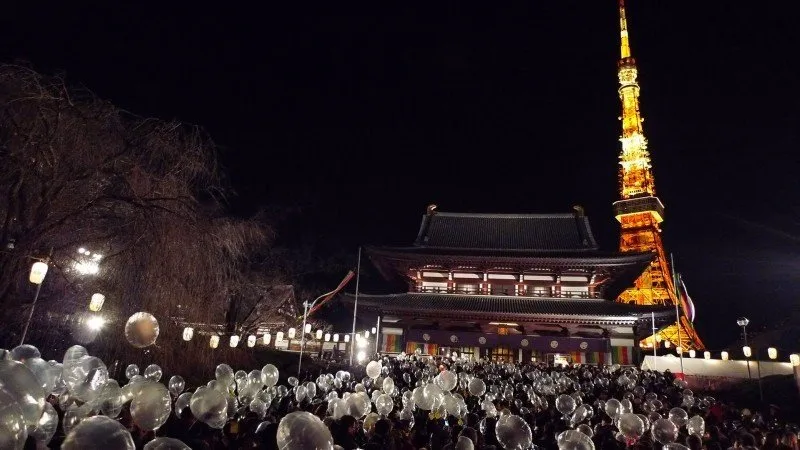
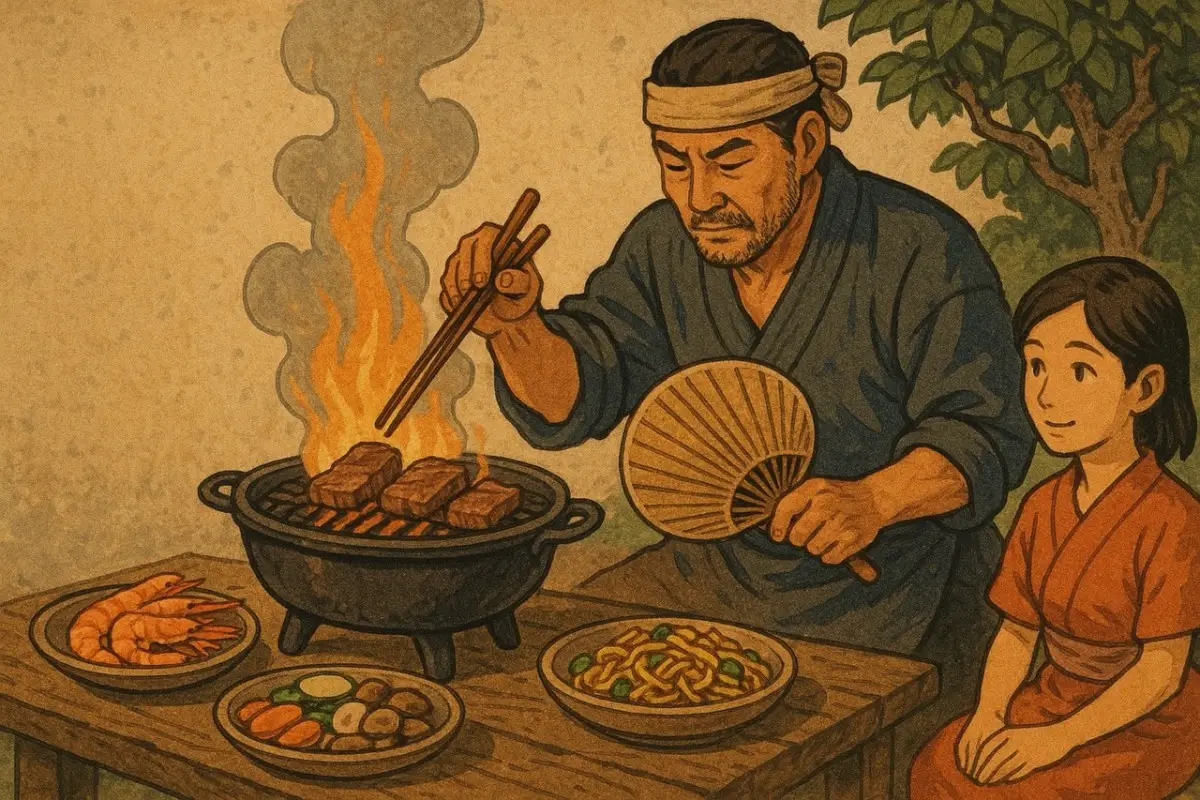
If you want to understand Japanese street food, start with the word yatai. In everyday travel talk, it usually means the small food stalls that appear at festivals, temple fairs, night markets, and famous late-night food rows in places like Fukuoka. Some yatai are little carts, some look more like compact wooden counters, but the appeal is the same: quick food, strong smells from the griddle, and the kind of snack you eat while the crowd keeps moving.
That is also why there is no single “official” yatai menu. A summer hanabi festival may lean into sweets and easy one-hand snacks, while a night out in Fukuoka often means ramen, yakitori, and oden shoulder to shoulder with locals. The list below covers the foods you are most likely to see when people talk about yatai and Japanese festival food.
Contents 20
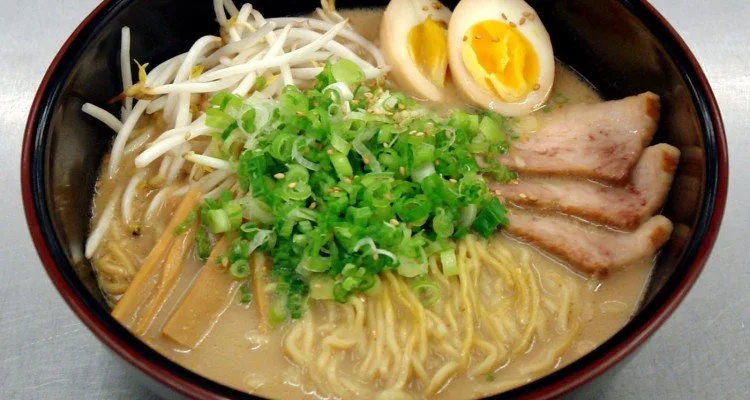
1. Hakata ramen
Strictly speaking, ramen is not the most common food at every festival stall in Japan, but it absolutely belongs in any yatai conversation because Fukuoka made the image famous. A bowl of thin noodles in rich pork-bone broth is one of the signatures of late-night yatai culture, especially when you want something hot and filling instead of a quick snack.
2. Yakitori
Grilled chicken skewers are one of the easiest foods to eat standing up, which is exactly why yakitori shows up so often at street stalls. The appeal is simple: smoky charcoal aroma, a salty or sweet tare glaze, and enough variety to let you choose between thigh, skin, liver, or vegetables without committing to a full meal.
3. Oden
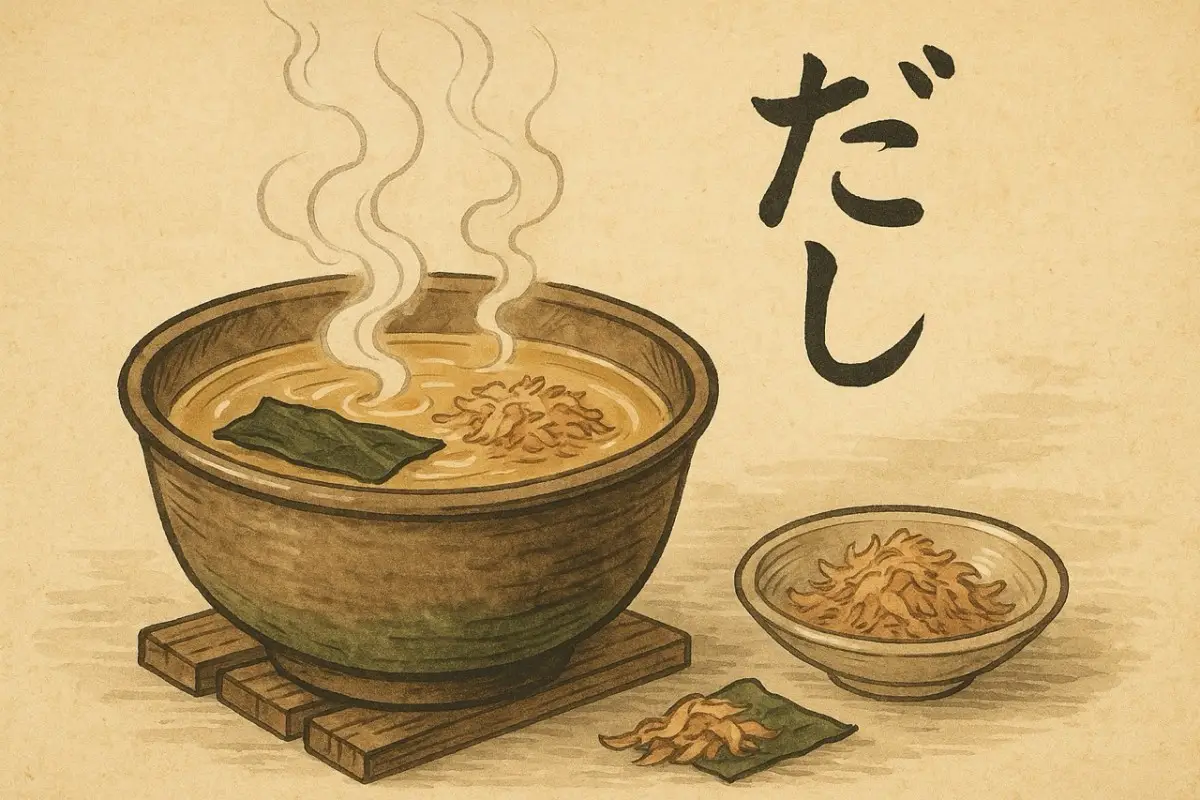
When the weather turns cold, oden becomes one of the most comforting things you can order. Ingredients like daikon, tofu, fish cakes, konjac, and eggs sit in a light dashi broth for hours, so every bite tastes warm, savory, and deeply seasoned. It is a classic choice at winter festivals and a regular sight at yatai in cooler months.
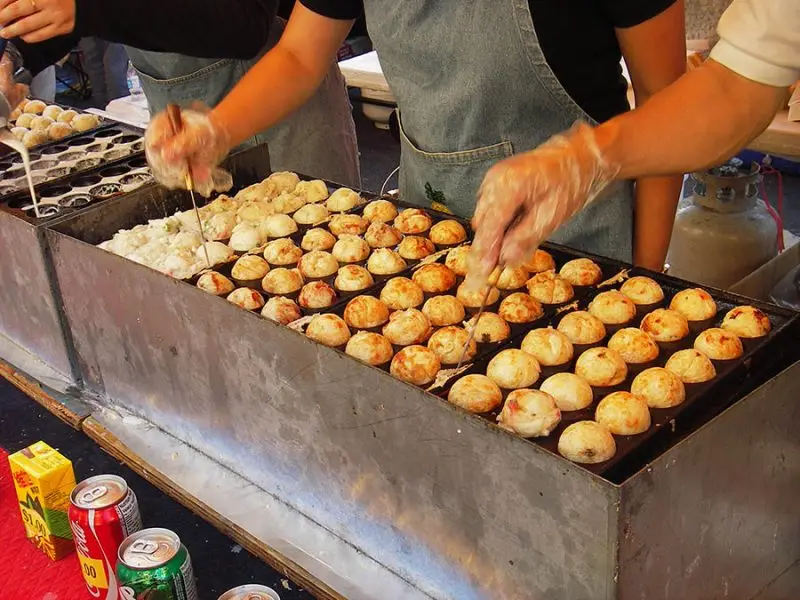
4. Takoyaki
Takoyaki is the smell many people associate first with Japanese festival food. These round batter balls are filled with octopus, green onion, and crunchy tempura bits, then finished with sauce, mayonnaise, aonori, and bonito flakes. Fresh takoyaki is dangerously hot, slightly crisp outside, and almost molten in the center.
5. Yakisoba
Yakisoba has the kind of aroma that makes people stop walking and turn their heads. Wheat noodles are fried on a hot iron plate with pork, cabbage, and sauce until the whole stall smells sweet, salty, and smoky. It is generous, inexpensive, and messy in the best way, which explains why it remains one of the pillars of matsuri food in Japan.
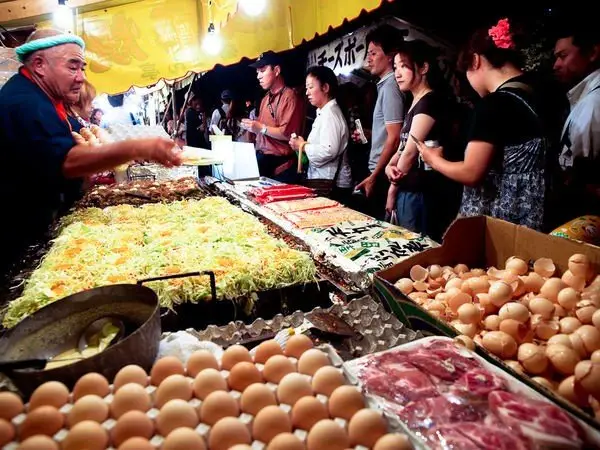
6. Okonomiyaki
Okonomiyaki is a savory pancake built from batter, cabbage, and whatever fillings the stall specializes in, often pork, seafood, or noodles. At festivals, it is usually cut into manageable pieces so you can eat it without a table. The combination of sauce, mayonnaise, and griddled edges makes it one of the most satisfying one-plate foods you can buy from a yatai.
7. Ikayaki
Ikayaki usually means grilled squid at a festival stall, brushed with a soy-based glaze and cooked until the edges pick up a little char. In Kansai, the same name can also point to a flour-based squid snack pressed on a griddle, so the exact dish changes by region. Either way, it is a very recognizable yatai flavor: chewy, savory, and hard to ignore once the grill starts smoking.
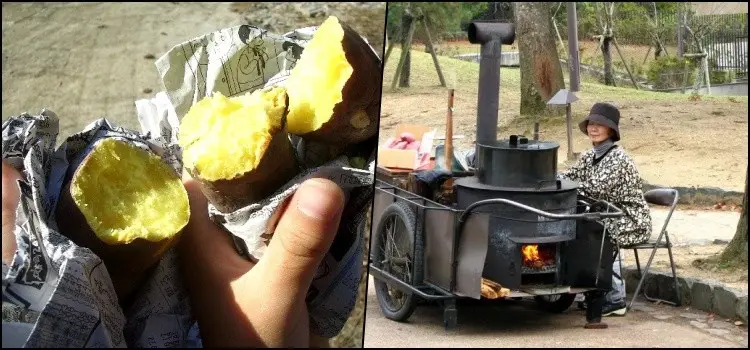
8. Yaki imo
Roasted sweet potato is one of the quiet stars of Japanese street food. It is less flashy than takoyaki or yakisoba, but a properly roasted yaki imo has a natural sweetness and a soft, almost creamy texture that makes it perfect for colder evenings. It feels closer to comfort food than festival novelty, which is probably why it has survived for so long.
9. Jaga butter
Jaga butter is about as straightforward as street food gets: a hot potato split open and loaded with butter, sometimes with extra salt, cheese, or mentaiko. It is humble, cheap, and very easy to eat while walking. At a crowded festival, that simplicity is exactly the point.
10. Taiyaki
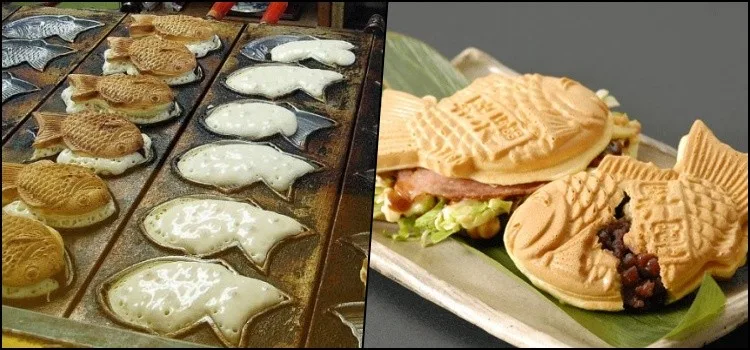
Taiyaki is the fish-shaped cake that seems to follow you through shopping streets, temple approaches, and festival lanes. The usual filling is sweet red bean paste, but custard, chocolate, sweet potato, and even savory fillings now show up depending on the stall. The contrast between the browned outer shell and the soft filling is what keeps it popular across generations.
11. Dango
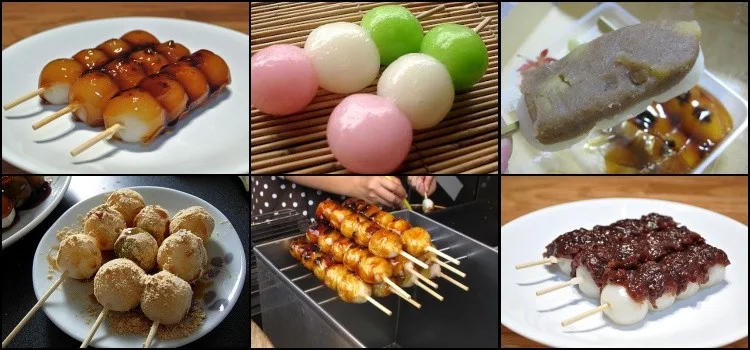
Dango is less theatrical than some festival sweets, but it is one of the most traditional. Rice dumplings on skewers come glazed with soy sauce syrup, coated with soybean flour, or paired with sweet bean paste depending on the season and region. At shrines and seasonal events, dango feels especially at home.
12. Senbei
Senbei can be sweet or savory, but the fresh-grilled version sold at stalls has a different charm from the packaged kind. Warm rice crackers brushed with soy sauce deliver smoke, crunch, and a nostalgic flavor that suits temple fairs and old-school shopping streets. They also pair well with a bottled ramune if you want the full festival mood.
13. Kakigori
Once summer really hits, kakigori becomes unavoidable. Shaved ice with fruit syrup may sound simple, but in the middle of a humid matsuri night it feels like the correct answer to everything. Strawberry, melon, blue Hawaii, matcha, and condensed milk are the usual favorites, and some stalls turn it into a small mountain.
14. Choco banana
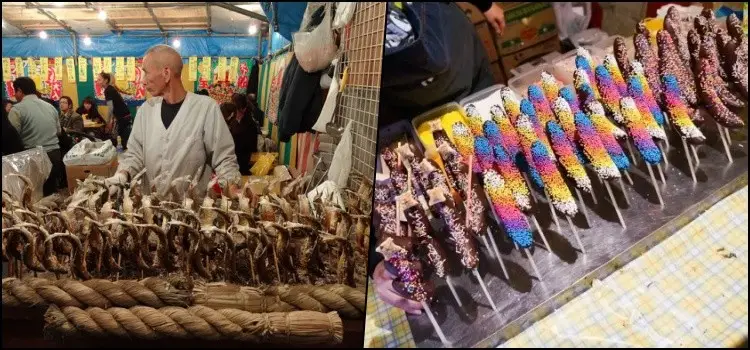
Chocolate-covered banana on a stick is a pure festival treat. It is less about culinary depth and more about the playful side of yatai culture: bright toppings, easy handling, and instant nostalgia. You see it often at family-friendly events where sweets are part of the atmosphere as much as the food itself.
15. Baby castella
Baby castella are small sponge cakes baked in batches until the whole stall smells sweet and buttery. They are usually sold in bags, which makes them ideal if you want something to share on the train ride back. Their texture is soft, slightly springy, and familiar enough that many Japanese people associate them with childhood festivals.
16. Crepes
Japanese street crepes are a different branch of yatai culture, especially around busy shopping streets and youth-heavy neighborhoods. The sweet versions packed with whipped cream, fruit, cheesecake, or brownies are the most visible, but savory crepes exist too. They are less tied to traditional matsuri than takoyaki, yet still belong to the broader street-food landscape.
17. Karaage
Japanese fried chicken works perfectly as festival food because it is crisp, flavorful, and easy to portion into paper cups or bags. Good karaage is juicy inside with a thin but assertive crust seasoned by soy sauce, ginger, and garlic. It is the kind of food people buy almost automatically once the frying sound starts.
18. Gyoza
Pan-fried gyoza sits somewhere between snack and meal. The bottom gets crisp on the griddle, the filling stays juicy, and the garlic-forward aroma cuts through the festival air immediately. You will not find it at every yatai row, but it fits the format well, especially at night markets and food-focused events.
19. Kushikatsu
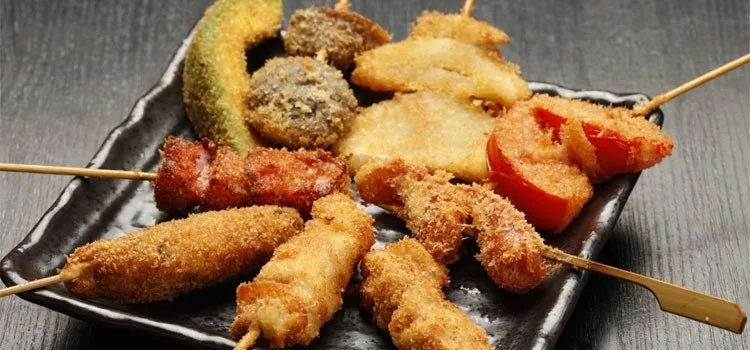
Kushikatsu turns meat, seafood, and vegetables into breaded skewers that are fried until golden. The skewer makes it portable, the coating keeps it satisfying, and the dipping sauce gives it that unmistakable street-food character. Osaka is the city most people connect with it, but the format works anywhere crowds want quick fried food.
20. Hashimaki
Hashimaki is one of those foods that regular festival-goers remember even when tourists miss it. Think of it as a thin okonomiyaki-style layer wrapped around chopsticks so it becomes easy to hold and eat on the move. It is practical, saucy, and exactly the kind of clever format that makes Japanese festival food fun.
The easiest way to enjoy yatai in Japan is not to overplan it. Go hungry, follow the smell of the grill, watch what locals are actually ordering, and mix one filling dish with two or three small snacks. If you do that, whether you are at a shrine festival, a summer fair, or a late-night yatai row in Fukuoka, you will understand why Japanese street food is tied so closely to the atmosphere around it.



Community
Comments
0 comments
There are no published comments in this language yet.
Send comment